Quick Answer
For a first visit, Covent Garden, Soho, Westminster, and the South Bank put major sights, restaurants, and entertainment close by. South Kensington works especially well for museums and families, while Shoreditch suits nightlife and creative culture. Choose Clapham or Dulwich if you prefer a quieter, more residential base.
Key Takeaways
- A hotel near the Tube or another useful rail line can be more convenient than a more central hotel that requires a long walk to transport.
- Soho and Shoreditch are strong choices for nightlife, but late-night noise can be a downside if you value quiet.
- South Kensington combines free major museums with nearby parks, while the South Bank puts many family attractions along one walkable riverfront.
- Borough Market and Southwark suit food-focused trips; Westminster and Bankside are better for travelers who want major historic sites close together.
Best Areas to Stay in London at a Glance
The best base depends on what you plan to do most often. Use this comparison to narrow the city to two or three areas before comparing individual hotels and their nearest stations.
| Area | Best for | Why stay here | Main trade-off |
|---|---|---|---|
| Covent Garden and Soho | First visits, theatre, nightlife | Walkable West End location with restaurants, shops, theatres, and several nearby stations | Busy and often noisy |
| Westminster and South Bank | Landmarks and short first trips | Big-name sights and a strong concentration of riverside attractions | Tourist crowds and less neighborhood calm |
| South Kensington and Kensington | Families, museums, parks | Major museums, elegant streets, and easy access to Hyde Park and Kensington Gardens | Accommodation can be expensive |
| Shoreditch and Hackney | Nightlife, street art, creative culture | Independent shops, bars, markets, and a strong evening scene | Farther from some classic West End sights |
| Camden and Islington | Music, markets, local dining | Live music, Camden Market, Regent’s Canal, and Upper Street | Camden can feel crowded at peak times |
| Clapham and Dulwich | Quieter stays and families | Green space, a residential feel, and neighborhood amenities | More travel to central tourist sights |
| Notting Hill | Couples, markets, west London charm | Portobello Road, colorful streets, cafes, and a more residential atmosphere | Very busy during major events and popular market periods |
Central London: The Heart of the City
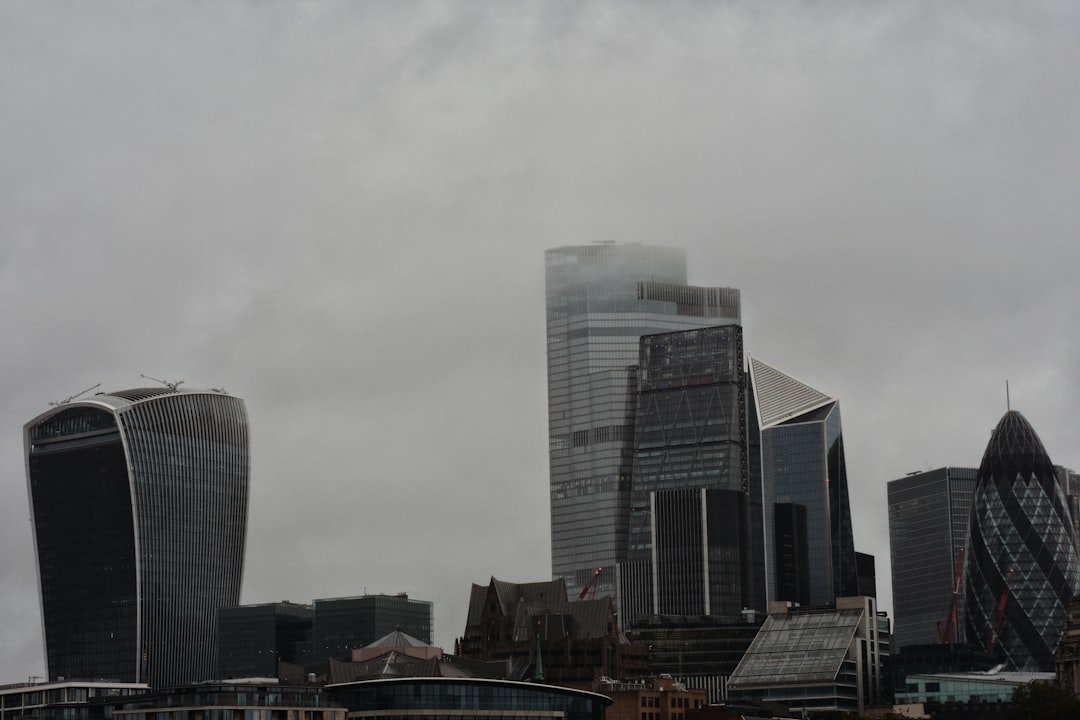
Central London is the easiest choice if your priority is seeing major landmarks with minimal cross-city travel. Covent Garden, Soho, Westminster, and the South Bank each place you close to a different mix of sights, theatres, restaurants, and transport.
Iconic Landmarks and Attractions
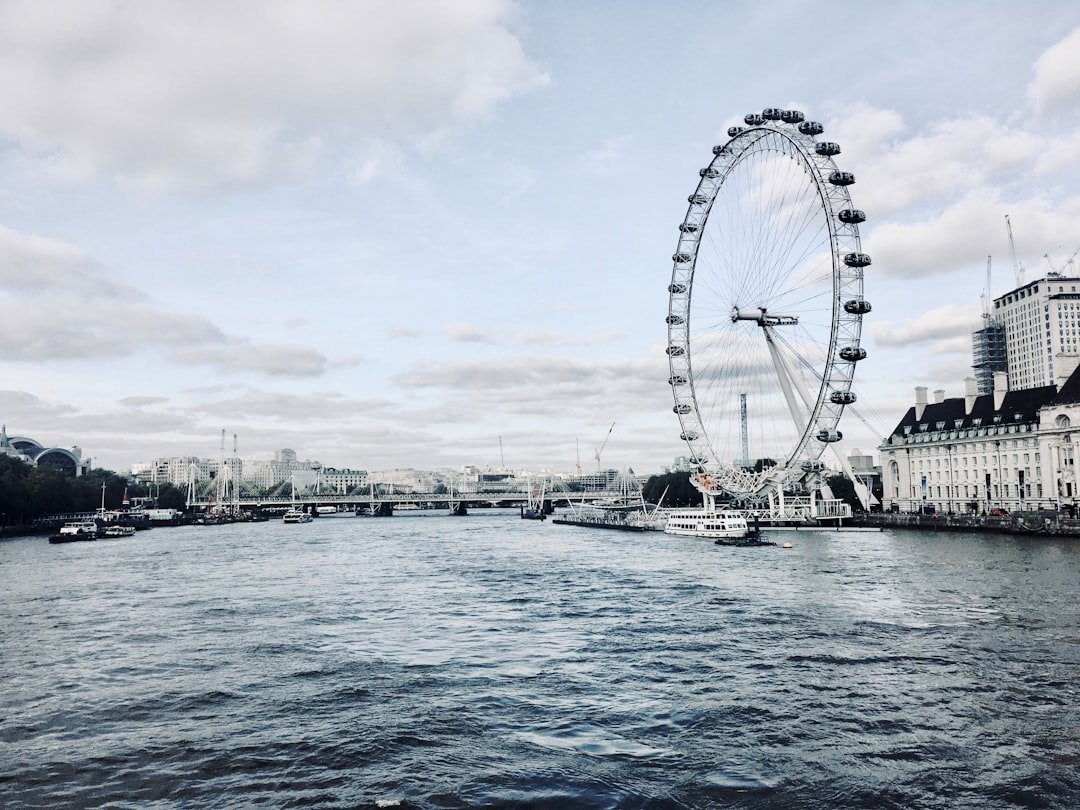
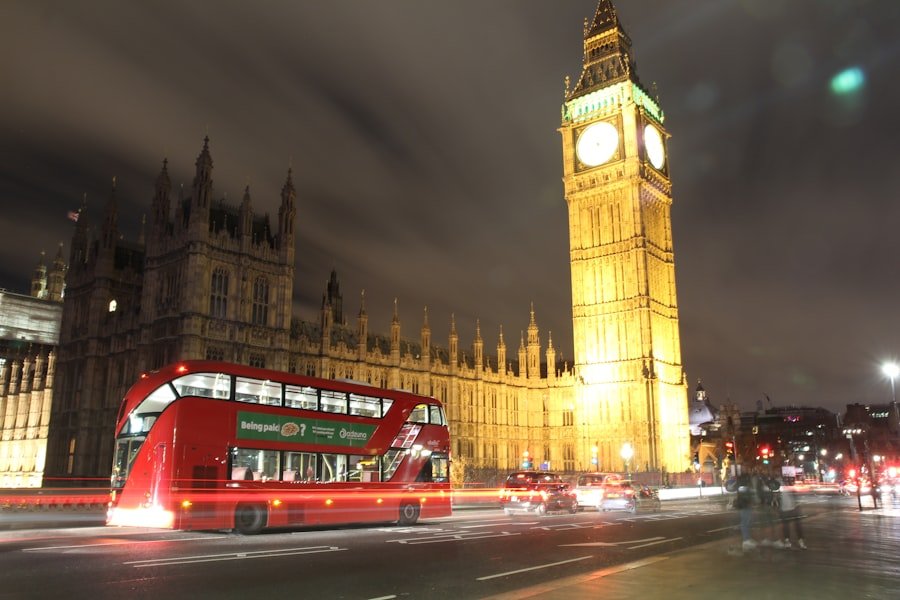
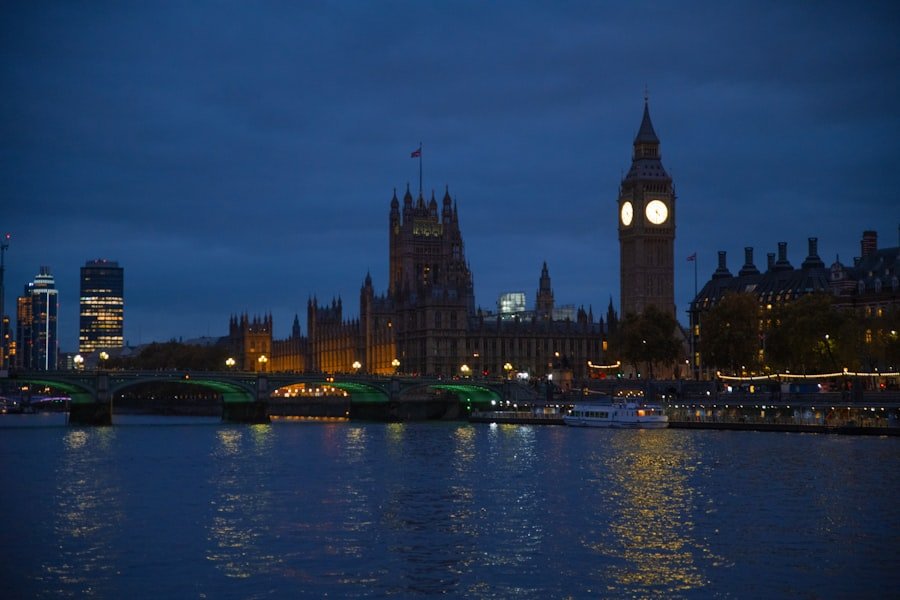
Westminster is strongest for first-time sightseeing. Big Ben, the Houses of Parliament, Westminster Abbey, Whitehall, and St James’s Park sit within a compact central area, while the South Bank across the Thames adds the London Eye, Southbank Centre, and riverside walks.
Covent Garden offers a different kind of central stay. Its Piazza, market buildings, theatres, shopping streets, and restaurants make it convenient if you want to combine sightseeing with evenings in the West End.
A Hub for Business, Education, and Entertainment
Central London is not one uniform district. Covent Garden feels theatrical and visitor-focused, Westminster is defined by government and landmark architecture, and Soho is denser, livelier, and better suited to late-night dining and entertainment.
If your trip mixes business and leisure, also consider where your morning commitments are located. A central hotel may look close on a map but still require a change of line or a longer walk than a slightly farther hotel on a direct route.
Vibrant Neighborhoods and Convenient Transport
Soho is one of the most energetic central choices, with bars, restaurants, music venues, and West End theatres around it. That energy continues late, so travelers who value quiet should compare room location and street exposure before booking.
For public transport, judge the hotel by its nearest useful station rather than by neighborhood name alone. London’s network makes many areas practical, but direct connections to the places you plan to visit can save repeated transfers.
West London: Luxury and Culture
West London suits travelers who want museums, parks, elegant streets, and a calmer evening atmosphere than Soho or Shoreditch. Kensington, South Kensington, Chelsea, and Notting Hill offer distinct versions of that experience.
South Kensington is especially strong for museum-focused trips. The V&A South Kensington offers free general admission, as does the Natural History Museum, although some exhibitions or events may charge separately.
Kensington Gardens and Hyde Park give this part of London unusually easy access to major green spaces. Nearby cultural landmarks include the Royal Albert Hall, while High Street Kensington and Chelsea add shopping and dining.
Notting Hill has a more residential feel, with pastel terraces, independent shops, cafes, and Portobello Road Market. The neighborhood becomes exceptionally busy around the annual Notting Hill Carnival, so visitors staying there during major events should expect road closures, crowds, and altered transport patterns.
East London: Creative Streets and Modern Docklands
East London is a better fit if you value street art, nightlife, independent businesses, and contemporary city culture more than being beside Westminster’s landmarks. Shoreditch and Hackney provide the creative, late-night side; Canary Wharf offers a much more polished business-district atmosphere.
Shoreditch is known for murals, design-led shops, bars, restaurants, and markets around areas such as Brick Lane and Spitalfields. It works well for travelers who prefer evenings out and do not mind a busier street scene after dark.
Hackney broadens that mix with neighborhood restaurants, pubs, markets, and arts venues. It feels less like a sightseeing district and more like a part of London where daily local life and nightlife overlap.
Choose east London if the neighborhood itself is part of the attraction. If most of your itinerary is in Westminster, Kensington, or the West End, compare travel routes carefully before booking.
South London: Quaint, Green, and Residential
South London offers quieter residential bases while keeping central London within reach by rail or Tube. Clapham and Dulwich are especially appealing if you want parks, neighborhood cafes, and a less tourist-heavy atmosphere.
Clapham Common gives the area a strong outdoor focus, with open space, sports, and play facilities. Around Clapham Old Town and nearby streets, you will find pubs, restaurants, shops, and everyday services that make longer stays convenient.
Dulwich feels calmer and more village-like. Its cultural highlight is the Dulwich Picture Gallery, which describes itself as the world’s first purpose-built public art gallery.
The trade-off is simple: these neighborhoods provide more space and a local feel, but you will spend more time traveling to some central attractions. They work best when a quiet base matters more than being able to walk to the West End.
North London: Diverse and Vibrant
North London combines music, markets, residential neighborhoods, and green spaces. Camden and Islington are the most useful choices in this article because they offer strong transport links while feeling very different from each other.
Camden is built around an alternative identity shaped by markets, music venues, street food, and Regent’s Canal. Camden Market has operated since 1974 and now fills a large canalside complex with independent shops and food traders.
Islington has a more polished neighborhood feel. Upper Street is lined with restaurants, pubs, shops, and theatres, while nearby Highbury Fields provides open space and family facilities.
The contrast is useful when choosing a base: stay closer to Camden if live music and markets matter most; stay around Islington or Angel if you want lively dining without quite as much tourist foot traffic.
Best Neighborhood for Nightlife
Soho and Shoreditch are the two strongest nightlife choices in this guide, but they offer different experiences. Soho is central and close to West End theatres, while Shoreditch leans toward bars, clubs, live music, street art, and late-night venues in east London.
Late-night transport matters as much as the venue list. Transport for London says Night Tube and Night London Overground services run on Fridays and Saturdays, while night buses operate around the clock on many routes. Check the route from your chosen nightlife area to your hotel before committing to a location.
Best Neighborhood for Families
For families, there is no single best neighborhood. Clapham works well for a residential stay with parks and everyday amenities, while South Kensington and the South Bank are usually more convenient if your trip centers on museums and major attractions.
Clapham gives families access to Clapham Common, playgrounds, sports, and a neighborhood atmosphere. It can suit longer stays where you want more local routines and less evening tourist traffic.
South Kensington is stronger for museum days, with the Natural History Museum, V&A, Science Museum, and nearby parks. South Bank puts the London Eye, riverfront attractions, cultural venues, and family activities along a compact walking route.
Visit London’s family accommodation guide also highlights the South Bank and Bankside for access to child-friendly attractions. For any family hotel, check room layout, lift access, breakfast arrangements, and the walking route to the nearest station before booking.
Best Neighborhood for Foodies
Southwark is the clearest choice for a food-focused stay because Borough Market puts produce traders, street food, specialist shops, and restaurants in one place. Hackney and Shoreditch are better if you want your meals spread across independent restaurants, cafes, pubs, and newer dining concepts.
Borough Market is free to enter. Its regular hours are Tuesday to Friday 10am–5pm, Saturday 9am–5pm, and Sunday 10am–4pm, with Monday closed; holiday schedules can differ.
The market’s own history traces food trading in the area back about 1,000 years, so it combines heritage with a modern food scene. Its location beside London Bridge also makes it easy to pair with the Thames, Bankside, and nearby cultural sites.
Hackney offers a less concentrated experience. Instead of one market defining the neighborhood, you will find restaurants, brunch spots, bakeries, pubs, and international food across several districts, which can suit travelers who prefer exploring one meal at a time.
Best Neighborhood for History Buffs
Westminster is the strongest base for political and royal history, while Bankside and Southwark add theatre and medieval-to-modern layers on the south side of the Thames. Together, these areas let you cover a large amount of London history without crossing the whole city.
Westminster Abbey traces its origins to a monastery founded around AD 960. The present church was largely rebuilt from the 13th century, and the Abbey has been the setting for coronations since 1066.
Across the river, Shakespeare’s Globe is a reconstruction inspired by the 1599 playhouse; the current Globe opened in 1997. Nearby Southwark Cathedral, Borough Market, and the riverside lanes add more historical context to a walking day through Bankside and London Bridge.
Choosing the Right Area for Your Stay
The best London neighborhood is the one that reduces friction for the trip you actually plan to take. A central base can be worth paying more for on a short sightseeing visit, while a quieter outer neighborhood can make more sense for a longer stay or a trip focused on local routines.
- List your top three daily destinations. Choose an area with a direct route to at least two of them.
- Check the exact station, not just the neighborhood. Large districts can contain hotels with very different transport convenience.
- Match the evening atmosphere to your sleep needs. Soho, Camden, and Shoreditch can be lively late; Clapham, Dulwich, and parts of Kensington are generally calmer.
- Think about who is traveling. Families may value parks, lifts, larger rooms, and easy museum access more than nightlife or a central bar scene.
- Balance walking against transport. Westminster, Covent Garden, and South Bank suit landmark-heavy itineraries, while east, north, and residential south London reward travelers who want the neighborhood itself to be part of the experience.
London is a city of distinct communities rather than one uniform center. Once you decide whether your priority is landmarks, food, nightlife, museums, parks, or a quieter local base, the right area becomes much easier to identify.
Frequently Asked Questions
What are the best areas to stay in London?
The best areas to stay in London depend on your trip. Covent Garden, Soho, Westminster, and South Bank are strong for first-time sightseeing; South Kensington suits museums and families; Shoreditch suits nightlife; and Clapham or Dulwich suit travelers who want a quieter residential base.
What factors should I consider when choosing the best area to stay in London?
Consider the attractions you will visit most, the nearest useful Tube or rail station, evening noise, dining options, room needs, and how much travel you are willing to do each day. A slightly less central hotel can still be convenient if it has a direct transport link to your main destinations.
What are the popular attractions in the best areas to stay in London?
Popular attractions include Westminster Abbey and the Houses of Parliament in Westminster, the London Eye and Southbank Centre on the South Bank, the Natural History Museum and V&A in South Kensington, Camden Market in Camden, and Portobello Road Market in Notting Hill.
What are the dining and entertainment options in the best areas to stay in London?
London’s main stay areas cover almost every style of dining and entertainment. Soho and Covent Garden are strong for theatres, bars, and restaurants; Shoreditch and Hackney suit late-night venues and independent dining; Southwark centers on Borough Market; and Islington offers restaurants, pubs, and theatres around Upper Street.
How can I get around from the best areas to stay in London?
Most recommended areas connect well by Tube, bus, rail, London Overground, or a combination of these. Choose a hotel close to a station that serves your most-used route, and walk between nearby sights where practical rather than assuming every short-looking journey is fastest by Tube.
If you’re looking for more travel tips and recommendations, be sure to check out Tagline Today. They offer a variety of articles on different destinations and travel guides that can help you plan your next trip. Whether you’re looking for the best places to stay, things to do, or where to eat, Tagline Today has you covered. Happy travels!
Sources
- V&A South Kensington: free general admission and visitor information.
- Natural History Museum: free gallery admission and visitor information.
- Dulwich Picture Gallery: the gallery’s history and first purpose-built public art gallery claim.
- Transport for London: Night Tube, Night Overground, and night-bus information.
- Visit London: family-friendly areas and accommodation guidance.
- Borough Market: regular opening hours, free access, and location information.
- Westminster Abbey: Abbey origins, rebuilding, and coronation history.
- Shakespeare’s Globe: reconstruction history and the opening of the current Globe.