Meguiar’s Keep Clear Headlight Coating Review
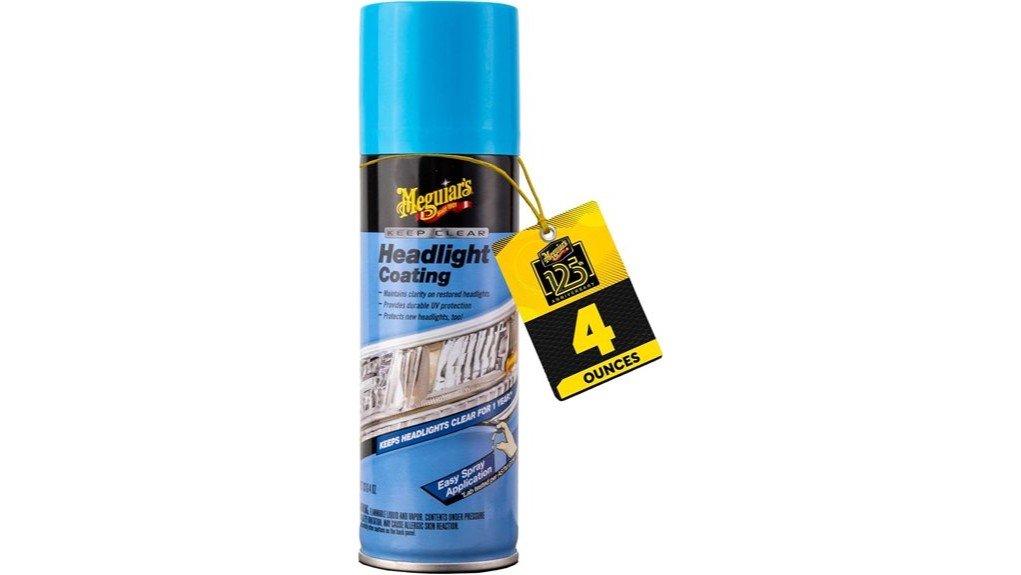
Freshly restored headlights can start turning dull again when their bare plastic lenses face sun, rain, road film, and repeated washing. Meguiar’s Keep Clear Headlight Coating G17804 gives you a simple spray-on protective layer for new, cleaned, or restored headlights. Its biggest strength is durable UV protection in a ready-to-use aerosol, but it cannot remove oxidation that is already present. This review explains the preparation, application, safety limits, and buyer situations that matter before you use it.
Quick Verdict
Rating: 8/10, recommended with preparation and curing caveats
Best For: Protecting new headlights or sealing lenses immediately after a proper restoration
Bottom Line: The 4-ounce aerosol is easy to apply in two coats and is designed to maintain clarity for up to one year. Your result depends heavily on surface preparation, careful masking, and keeping the coating dry during its 24-hour cure.
Key Specifications
| Specification | Detail |
|---|---|
| Brand | Meguiar’s |
| Model | G17804 |
| Product Type | Ready-to-use headlight protective coating |
| Container | 4-ounce aerosol spray |
| ASIN | B01M4RVVX6 |
| UPC | 070382012656 |
| Main Purpose | Maintains optical clarity and adds durable UV protection |
| Best Use | New, freshly cleaned, or properly restored vehicle headlights |
| Application | Two medium wet coats with 3 to 5 minutes between coats |
| Full Cure | Within 24 hours |
| Protection Claim | Maintains headlight clarity for up to one year |
| Safety Note | Flammable aerosol; use outdoors or with strong ventilation and follow the product label |
What Is Meguiar’s Keep Clear Headlight Coating?
Meguiar’s Keep Clear Headlight Coating G17804 is a clear aerosol coating for exterior vehicle headlight lenses. The formula uses an acrylic film former and UV-absorbing ingredients to create a protective layer over a properly prepared lens.
The product is a maintenance coating, not a cleaner, polish, or sanding system. You can use it on a newer headlight that is still clear or as the final sealing step after removing haze and oxidation. Meguiar’s states that the coating can maintain optical clarity for up to one year, although outdoor parking, weather, washing, and application quality can change real-world durability.
Who Should Buy It?
Best For
- Drivers who have just restored oxidized headlight lenses
- Owners who want added UV protection on still-clear factory headlights
- DIY users who prefer a ready-to-use spray instead of a wipe-on coating
Skip If
- Your lenses are still yellow, rough, scratched, or heavily oxidized
- You cannot mask nearby paint and trim against aerosol overspray
- You cannot keep the headlights dry and untouched during the full cure
Before You Buy: This coating will seal the condition of the lens beneath it. Restore remaining haze, yellowing, or sanding marks first, or the finished headlight may still look cloudy.
Key Takeaways
- G17804 is a 4-ounce, ready-to-use aerosol coating for new or restored headlights.
- Its main benefit is UV protection that helps slow future yellowing and haze.
- The correct process uses two medium wet coats, with 3 to 5 minutes between coats.
- The finish becomes dry to the touch quickly but needs up to 24 hours to cure fully.
- Preparation and masking matter because this is a clear coating, not a restoration compound.
Why Headlight Clarity Matters for Your Safety
A clear lens lets the headlight assembly project light without a layer of surface haze scattering it. When oxidation builds on the lens, the beam may look dimmer or less defined, especially on dark roads and in rain.
The coating does not make the bulb brighter and cannot repair a weak bulb, damaged reflector, poor alignment, or electrical problem. Its role is narrower: helping a clean lens stay clear after you have corrected existing surface damage.
Feature-by-Feature Review
UV Protection and Lens Clarity
Meguiar’s lists durable UV protection as the main feature. The published ingredient information includes multiple UV absorbers plus an acrylic polymer that acts as a film former. For you, that means the product is designed to leave a protective layer rather than provide only a temporary shine.
The up-to-one-year claim is useful, but it is not a fixed service interval. A vehicle parked outside in strong sun may need inspection sooner than a garage-kept car.
Aerosol Application and Coverage Control
The aerosol can helps you cover curved lens surfaces without a brush or applicator pad. It also creates the product’s main practical risk: overspray can reach paint, rubber, grille openings, or surrounding trim.
Mask a wider area than the lens edge and avoid windy conditions. Use steady, overlapping passes rather than stopping over one spot, which can leave runs or a heavier patch.
Two-Coat Clear Finish
The application directions call for one medium wet coat over the full lens, followed by a second coat after 3 to 5 minutes. Each pass should overlap the previous pass by about 50 percent so you do not leave dry gaps.
Two controlled coats are safer than trying to build the finish in one heavy pass. Thick application can sag, trap dust, or produce uneven clarity.
Durability and Maintenance
Meguiar’s markets the coating for clarity lasting up to one year. That makes it a practical annual maintenance product for headlights that remain in good condition.
Use mild car-wash soap and a soft microfiber towel after curing. Abrasive compounds, aggressive scrubbing, or repeated strong solvents can shorten the coating’s life.
How to Apply Meguiar’s Headlight Coating
- Inspect the lens. Finish all sanding, polishing, or restoration before coating. The lens should already look clear and even.
- Work on a cool surface. Park in the shade, switch the lights off, and let hot lenses cool.
- Clean and dry completely. Remove dirt, polish residue, wax, oils, and moisture. Follow the label’s recommended cleaner and preparation method.
- Mask the surrounding area. Cover paint, trim, rubber, grille openings, and nearby panels that could catch spray mist.
- Shake the can well. Mix the coating before spraying.
- Apply the first coat. Spray one medium wet coat across the whole lens with smooth passes and about 50 percent overlap.
- Wait 3 to 5 minutes. Let the first coat flash before applying the second.
- Apply the second coat. Repeat the same pattern to seal the lens evenly.
- Protect the cure. The finish can become dry to the touch in 3 to 5 minutes, but it needs up to 24 hours to cure fully. Keep it dry and do not wipe it during that period.
Pro Tip: Complete both headlights in a clean, shaded area with the car parked overnight. That gives the coating a full cure window without rain, washing, driving spray, or accidental touching.
How It Performs in Real Use
After a Full Headlight Restoration
This is the product’s strongest use case. Once sanding and polishing have removed oxidation, the coating adds a UV-resistant top layer to the newly exposed lens. Skipping this sealing step can leave a restored lens more vulnerable to another round of fading.
On Newer, Still-Clear Headlights
You can apply G17804 before visible haze appears, provided the lens is clean, cool, and free of wax or residue. The value is preventive rather than visual, so you may notice little immediate change beyond a clean finish.
For Vehicles Parked Outdoors
Outdoor parking exposes headlights to more sunlight and weather. The coating can help, but you should inspect clarity during regular washing rather than assuming the full one-year claim will apply in every climate.
For a Quick Weekend DIY Job
The spraying itself is fast, but the job is not instant. Cleaning, masking, two coats, and a protected 24-hour cure make this better for a planned maintenance session than a last-minute application before driving in rain.
Compatibility and Safety
This product is intended for automotive headlight use. Check the current label before applying it to unusual aftermarket lenses, tinted covers, painted surfaces, glass, or other plastics.
The safety data sheet classifies G17804 as an extremely flammable aerosol and advises outdoor use or strong ventilation. Keep the can away from heat, sparks, flames, smoking, and hot surfaces. Avoid breathing the spray, protect your eyes and skin, keep it away from children, and follow the label for protective equipment, storage, first aid, and disposal.
Do not puncture or burn the can, even when empty, and do not store it above 122°F or 50°C. If you have any uncertainty about safe handling, read the product label and safety data sheet before starting.
What Buyers Commonly Notice
Feedback themes in the original review point to three practical patterns:
- Positive: The aerosol format makes it easier to cover a whole headlight without a separate applicator.
- Positive: Properly prepared lenses can look clear and freshly finished after application.
- Watch-out: Poor cleaning, dust, heavy spraying, or early water exposure can reduce the final result.
Pros and Cons
Pros
- Designed specifically to maintain new or restored headlight clarity
- Includes UV-absorbing ingredients and a clear film-forming polymer
- Ready-to-use 4-ounce aerosol requires no mixing
- Two-coat process is straightforward for careful DIY users
- Manufacturer claims protection for up to one year
Cons
- Cannot remove existing oxidation, scratches, or yellowing
- Aerosol overspray requires careful masking and ventilation
- Needs a dry, untouched 24-hour cure for best results
Is It Worth the Price?
G17804 offers strong value when your lens preparation is already complete and you only need a protective top coat. The 4-ounce aerosol is a focused maintenance product, so you are not paying for sanding discs, polish, or restoration tools you may already own.
It is less valuable if your headlights still need correction. In that case, a complete restoration kit gives you the cleaning or abrasive steps required before protection. The coating is worth considering when you want a simple final seal, but it is not a shortcut around proper restoration.
How It Compares to Alternatives
Meguiar’s Two Step Headlight Restoration Kit G2970 combines cleaning and coating for lenses with manageable haze, while the Heavy Duty Headlight Restoration Kit G2980 is better suited to more severe oxidation. Those kits make more sense when you do not already have the restoration supplies.
A wipe-on option such as 3M Quick Headlight Clear Coat 39173 may appeal to you if you want tighter control near trim and paint. Meguiar’s G17804 makes the most sense when your headlights are already clear and you prefer the fast coverage of an aerosol.
Headlight Maintenance After Coating
- Keep the lenses dry for the full 24-hour cure.
- Wash with mild car shampoo and a clean microfiber towel.
- Avoid abrasive polish unless you intend to remove and renew the coating.
- Do not use strong solvent cleaners as routine maintenance.
- Inspect the finish during normal washes and reapply when protection appears worn.
- Park in shade or a garage when practical to reduce ongoing UV exposure.
Frequently Asked Questions
Does this product restore cloudy headlights?
No. It is a protective coating for lenses that are already new, clean, or restored. Remove oxidation, yellowing, roughness, and sanding marks before you apply it.
How many coats should you apply?
Apply two medium wet coats. Let the first coat dry for 3 to 5 minutes, then apply the second coat with the same smooth, overlapping spray pattern.
How long does Meguiar’s headlight coating take to cure?
It can become dry to the touch in about 3 to 5 minutes after the final coat, but full curing takes up to 24 hours. Keep the lens dry and untouched during that period.
Can you use it on brand-new headlights?
Yes. Meguiar’s presents G17804 as a way to help keep new headlights looking clear. Clean away wax, dirt, and road film first, then follow the current label directions.
How long does the protection last?
The manufacturer claims headlight clarity for up to one year. Actual durability can vary with sun exposure, climate, washing methods, storage, and the quality of your preparation.
What should you do about overspray?
Prevent it by masking a wide area around each headlight and avoiding windy conditions. If fresh overspray lands outside the lens, remove it promptly according to the product label before it dries.
Can you apply it in a closed garage?
The safety data sheet says to use the aerosol outdoors or in a well-ventilated area. Do not spray near flames, heaters, sparks, smoking, or other ignition sources.
When should you reapply the coating?
Inspect the lenses during routine washing and reapply when the protective finish looks worn or clarity begins to decline. Do not apply another coat over dirt, residue, or damaged coating without preparing the surface first.
The Bottom Line
Meguiar’s Keep Clear Headlight Coating G17804 is a practical choice when your headlights are already clear and you want a simple UV-protective top coat. Buy it for preventive care or the final step after restoration, but skip it if you still need to remove heavy oxidation or cannot provide careful masking and a dry 24-hour cure.