Westminster Abbey is both a major London landmark and a working church. The best time to visit depends on whether you want lighter crowds, pleasant weather, photography, or a choral service. Because sightseeing hours can change for worship and national events, check the Abbey’s official calendar before choosing your date.
Quick Answer
For the best chance of a calmer sightseeing visit, choose a weekday afternoon after 1:00 p.m. outside May to August, Easter, and Christmas or New Year. Book a timed ticket, allow about two hours, and check the daily schedule because the Abbey may close or change access for services.
Key Takeaways
- Quieter time of day: The official ticketing guidance says mornings, especially about 9:30 a.m. to noon, are usually busiest. Afternoons are generally calmer.
- Busiest periods: Expect heavier demand from May through August, around Easter, and during Christmas and New Year.
- Visit length: Most visitors need 1.5 to 2 hours. Allow 2 to 3 hours for the Queen’s Diamond Jubilee Galleries, Cloisters, and a fuller audio-guide visit.
- Sunday access: Sundays are normally for worship rather than standard sightseeing.
- Services: Regular services, including Evensong, are free, but times and locations can change.
Best Time to Visit Westminster Abbey
Best Time of Day
A weekday afternoon is usually the best choice for fewer crowds. Westminster Abbey’s official ticketing guidance identifies roughly 9:30 a.m. to noon as its busiest daily period and says the Abbey is generally less busy later in the day. Aim for a timed slot after 1:00 p.m., while leaving enough time before the final admission.
Opening time can still work when you have a fixed schedule, but it is not reliably the quietest period. Tour groups and visitors with full London itineraries often arrive in the morning.
Best Days of the Week
Monday through Friday usually gives you the widest choice of sightseeing times. Saturdays often have shorter visitor hours and can feel busy. Sundays are normally reserved for worship, with no standard sightseeing admission, although everyone is welcome at scheduled services.
Best Months for Lower Crowds
For your best chance of a quieter visit, consider a non-holiday weekday in January or February, or a weekday in November before the busiest Christmas programme. March, April, September, and October can offer a good balance of weather and crowd levels, but Easter, school holidays, and major services can quickly increase demand.
Westminster Abbey has been Britain’s coronation church since 1066, and 40 monarchs have been crowned there.
Weather and Climate
Temperature Variations
London has a mild but changeable climate. Long-term Met Office averages for Heathrow, a useful reference for Greater London, show average daily highs of about 24 °C (75 °F) in July and about 8 °C (47 °F) in January. Rain is possible in every season, so carry a compact umbrella or light waterproof layer.
Seasonal Highlights
Spring, from March to May, brings longer days and blossom in nearby parks. Autumn, from September to November, often brings comfortable walking weather and colourful foliage in St James’s Park. These shoulder seasons can be pleasant, but avoid assuming they will be quiet during Easter, school breaks, or major national events.
Winter Charm
Winter can be cold and damp, but Advent and Christmas services create a special atmosphere. Popular Christmas services may require free advance tickets, while other special services may be invitation-only. Check the official service listings before planning your day.
Peak Tourist Seasons
Exterior view of Westminster Abbey’s west front.
The Abbey’s official ticketing guidance lists May through August, Easter, Christmas, and New Year among its peak visiting periods. London school holidays and weekends can add to the crowds. Major services and national events may also bring security restrictions, reduced sightseeing hours, or full closures.
During busy periods, book an online timed ticket and arrive with only a small permitted bag. Visitors without online tickets may face long waits, while pre-booking gives you a clearer entry plan.
Warning: Westminster Abbey is a working church. Opening hours, visitor routes, and access to individual areas can change at short notice for worship, security, or special events.
Off-Peak Tourist Seasons
Non-holiday weekdays in winter generally give you the best chance of shorter lines and a quieter interior. January and February are often practical choices after the Christmas and New Year rush. Selected weekdays in March, October, and November can also work well, but always check for school holidays and special services.
A quieter visit gives you more time to notice the Cosmati Pavement, the Lady Chapel, Poets’ Corner, the royal tombs, and the memorials throughout the nave and aisles. London accommodation may also cost less than in high summer, although prices depend on events and demand across the city.
Pro Tip: When comparing dates, open both the sightseeing calendar and the service calendar. A day that looks quiet for tourism may have reduced access because of a special service.
Special Events and Holidays
Westminster Abbey remains a living church and a setting for national ceremonies. Annual observances include Remembrance services in November and special worship during Advent, Christmas, Holy Week, and Easter. The Abbey also hosted the State Funeral of Queen Elizabeth II on 19 September 2022 and the Coronation of King Charles III and Queen Camilla on 6 May 2023.
Special events can make a visit memorable, but they may also limit sightseeing. Some services are open without charge, some require free tickets, and others are invitation-only. Confirm the arrangement on the official events or services page rather than relying on a standard weekly schedule.
Cultural and Religious Significance
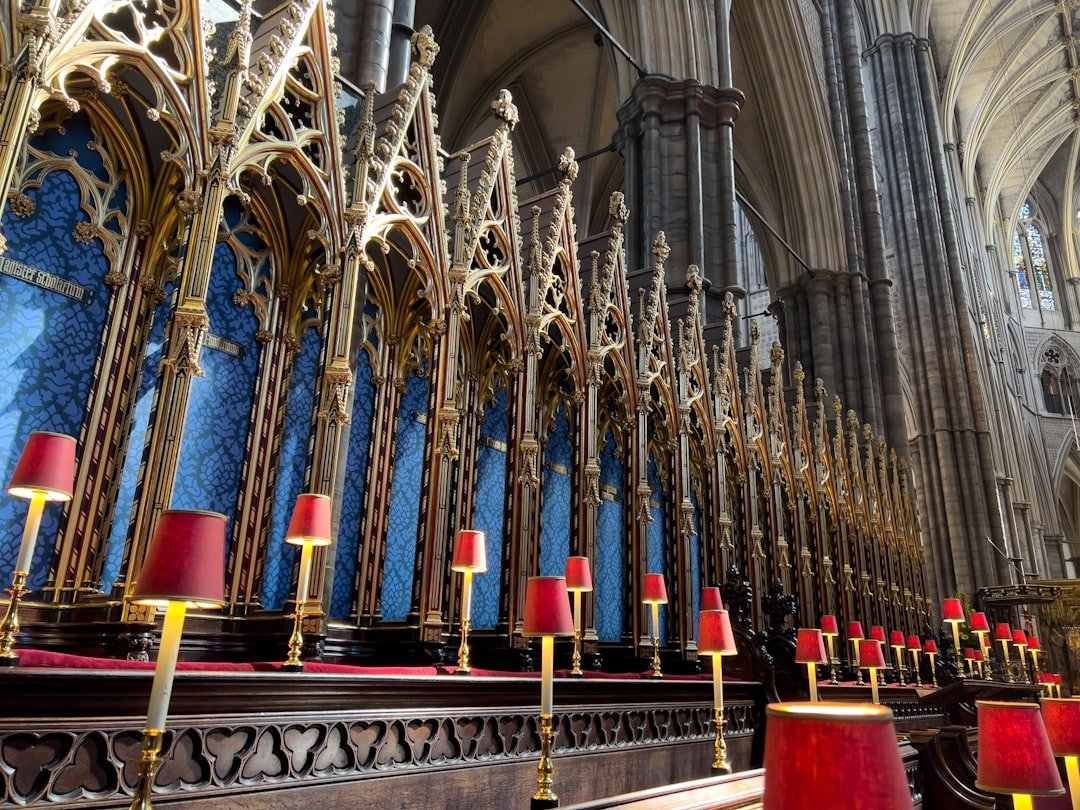
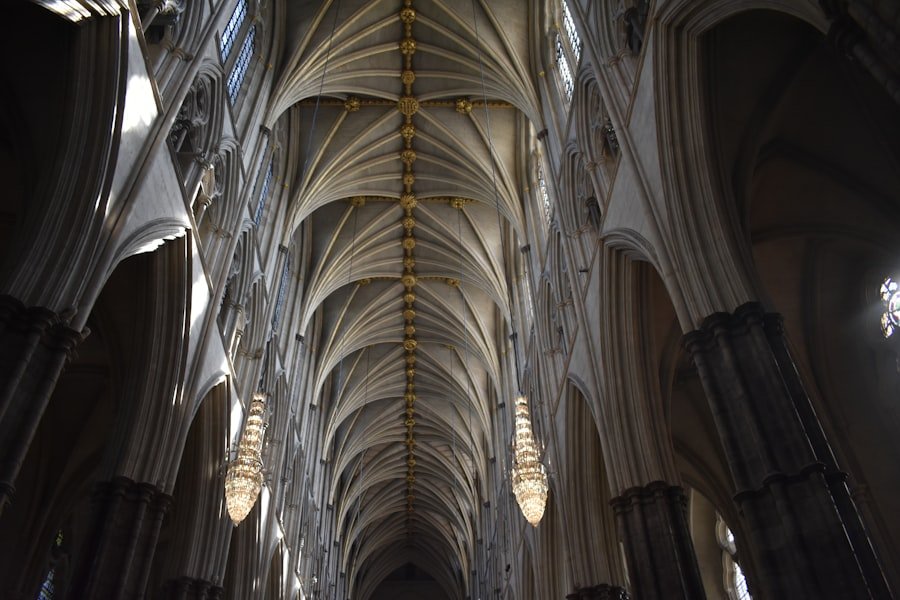
Interior view of Westminster Abbey’s Gothic nave.
Westminster Abbey began as a Benedictine monastery around AD 960. Edward the Confessor enlarged and rebuilt the church, which was consecrated in 1065. Henry III began the present Gothic rebuilding in 1245. The Abbey has served as Britain’s coronation church since William the Conqueror was crowned there on Christmas Day 1066.
The Abbey forms part of the UNESCO World Heritage Site that also includes the Palace of Westminster and St Margaret’s Church. About 3,300 people are buried or commemorated there. Geoffrey Chaucer is buried in Poets’ Corner, while William Shakespeare, John Keats, and T. S. Eliot are commemorated. Scientists remembered or buried in the Abbey include Sir Isaac Newton, Charles Darwin, and Stephen Hawking.
What to See Inside Westminster Abbey
- The Coronation Chair: The historic chair used in coronation ceremonies for more than 700 years.
- The Cosmati Pavement: The intricate medieval mosaic floor in front of the High Altar.
- Poets’ Corner: Graves and memorials connected with many major writers, including Chaucer, Dickens, Shakespeare, and Austen.
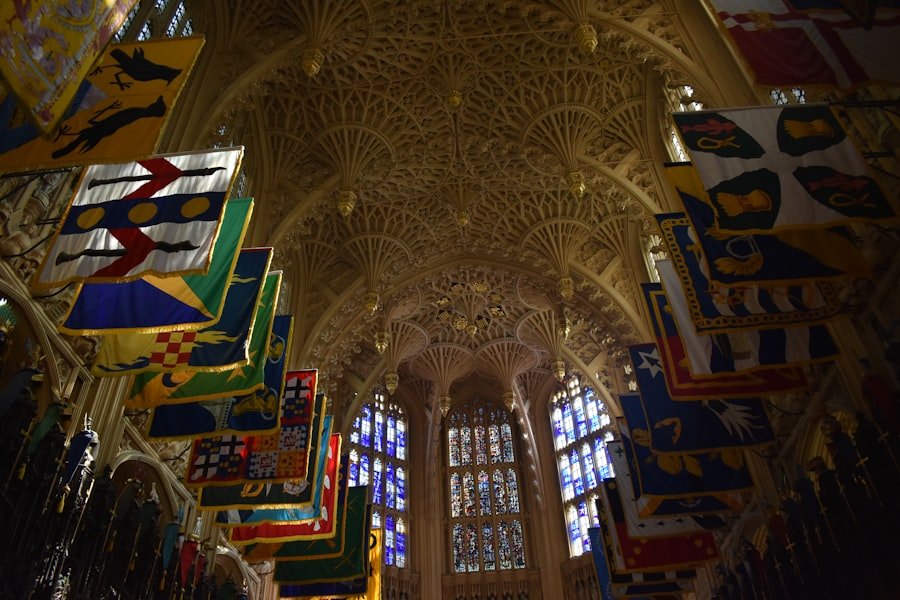
- The Lady Chapel: Henry VII’s late-medieval chapel, known for its fan-vaulted ceiling and royal tombs.
- The Grave of the Unknown Warrior: A national memorial to those who died in war.
- The Cloisters and Chapter House: Quieter spaces that show the Abbey’s monastic history.
- The Queen’s Diamond Jubilee Galleries: A separate timed-ticket gallery in the medieval triforium, 16 metres above the Abbey floor.
Tickets, Opening Times and Visit Length
Book a Timed Entry
Book through the Abbey’s official ticketing system when possible. A timed ticket helps you plan your arrival, but you must still pass through security. Ticket prices, discounts, and opening hours can change, so use the official prices and entry-times page rather than relying on an older guide.
Allow Enough Time
Most visitors spend about 1.5 to 2 hours seeing the main highlights. Allow 2 to 3 hours when you also want the Queen’s Diamond Jubilee Galleries, the Cloisters, and the full multimedia guide. The multimedia guide is included with general admission and is available in several languages.
Know the Entry Rules
General admission is normally single-entry, so you cannot leave and return on the same ticket. Small bags up to 40 × 30 × 20 cm are currently permitted. Suitcases, large backpacks, wheeled bags, and other large items are not allowed, and the Abbey has no left-luggage facility.
Note: Bottled water is allowed, but outside food and drink are generally not permitted inside except for sealed items or items needed for medical or family reasons.
Tips for Visiting
Check two calendars: Review both visitor opening times and service times before leaving for the Abbey.
Choose an afternoon slot: For lower crowd levels, aim for after 1:00 p.m. rather than the morning peak. Check the final entry time so you do not rush.
Use the included guide: The multimedia guide is included with admission and helps explain the main spaces, memorials, and royal history.
Dress respectfully: There is no formal sightseeing dress code, but the Abbey is an active place of worship. Wear respectful clothing and comfortable shoes for stone floors and extended walking.
Prepare for security: Keep your ticket ready and travel light. Bag checks are part of entry, and large luggage cannot be stored on site.
Best Times for Photography
Early morning and late afternoon give the exterior softer light, especially around the West Front. Inside, light levels are low, so use a steady stance, image stabilisation, and a higher ISO rather than flash.
Personal photography is allowed in most areas, but not during services or live performances. Flash, video recording, extra lighting, selfie sticks, and tripods are prohibited. Photography is also prohibited in the Shrine of St Edward the Confessor, St Faith’s Chapel, and the Queen’s Diamond Jubilee Galleries. Follow signs and staff directions because temporary restrictions may apply.
Guided Tours and Services
Verger-guided tours offer more detailed history and may include the Shrine of St Edward the Confessor, which is not normally open to general visitors. Tour availability and prices vary, so book through the official Abbey website.
Regular services are open to everyone and free of charge. Evensong is often held in the late afternoon, but the exact day, time, choir, and location can change. Enter through the Great West Door and arrive early because seating is limited. Photography is not allowed during worship.
Accessibility and Family Visits
The Abbey provides step-free routes, accessible toilets, and mobility aids, including manual wheelchairs that visitors can borrow without charge. The Queen’s Diamond Jubilee Galleries are accessible by lift. Some historic floors are uneven, so check the current access information before visiting if you have mobility needs.
Families can use the multimedia guide and seasonal family trails. Keep children close in crowded areas and explain that some parts of the visit are quiet places of worship and remembrance.
Getting There
Westminster Abbey is on The Sanctuary in central London, beside Parliament Square. Westminster and St James’s Park Underground stations are convenient options, and several bus routes serve the area. Use the Transport for London journey planner on the day because station access and service disruptions can change.
Nearby Attractions and Accommodations
The Palace of Westminster, Elizabeth Tower and Big Ben, St James’s Park, and Buckingham Palace are within walking distance. You can also visit the Churchill War Rooms, the National Gallery, or walk along the Thames if your schedule allows.
Nearby accommodation ranges from luxury hotels, including The Rubens at the Palace, to mid-range chains such as Premier Inn. Compare the total walking distance, Underground access, and cancellation terms rather than choosing by nightly price alone.
Conclusion and Final Recommendations
The best time to visit Westminster Abbey is usually a weekday afternoon after 1:00 p.m., outside the peak months and major holidays. Book online, allow about two hours, travel with a small bag, and check both visitor and service calendars. A free choral service can add a memorable spiritual dimension, but it is worship rather than a sightseeing session.
As of , the visiting guidance in this article reflects current official information. Policies, opening hours, and event access can change, so confirm your plans on the official Westminster Abbey visitor page.
For more historical background, read the Abbey’s official history of Westminster Abbey.
Frequently Asked Questions
What is the best time to visit Westminster Abbey?
A weekday afternoon after 1:00 p.m. is usually the best choice for lighter crowds. Avoid May through August, Easter, Christmas, and New Year when possible.
What time of day is Westminster Abbey busiest?
The official ticketing guidance identifies about 9:30 a.m. to noon as the peak daily period. The Abbey is generally less busy in the afternoon.
How long should I spend at Westminster Abbey?
Allow 1.5 to 2 hours for the main church. Plan 2 to 3 hours when adding the Queen’s Diamond Jubilee Galleries, Cloisters, and the fuller multimedia-guide experience.
Can I visit Westminster Abbey on Sunday?
Sunday is normally reserved for worship rather than standard sightseeing. You may attend scheduled services free of charge, subject to capacity and any special arrangements.
Is Evensong free at Westminster Abbey?
Yes. Regular services, including Evensong, are free. Check the service calendar and arrive early because times, locations, and available seating can change.
Can I take photos inside Westminster Abbey?
Personal photography is allowed in most areas, but not during services, performances, or in certain restricted spaces. Flash, video, tripods, selfie sticks, and extra lighting are not allowed.
Do I need a separate ticket for the Queen’s Diamond Jubilee Galleries?
Yes. Entry to the Galleries requires a separate timed ticket used with a general Abbey admission ticket. Capacity is limited, so reserve it when booking.
What size bag can I take into Westminster Abbey?
The current limit is 40 × 30 × 20 cm. Large backpacks, luggage, and wheeled bags are not admitted, and there is no left-luggage facility at the Abbey.
Sources
- Westminster Abbey: History of Westminster Abbey: monastic origins, Edward the Confessor, and Henry III’s rebuilding.
- Westminster Abbey: Prices and entry times: current opening calendar, tickets, discounts, and visitor access.
- Westminster Abbey: Visitor FAQs: visit length, bags, re-entry, food, facilities, and ticket guidance.
- Westminster Abbey: Services and times: current worship schedule and free regular services.
- Westminster Abbey: Photography policy: permitted photography and restricted areas.
- Westminster Abbey: Access information: step-free access, wheelchairs, lifts, and accessible facilities.