The best time to visit Tate Modern is usually at the start or end of the day, when the gallery says it is quietest. For most visitors, that means arriving near 10:00 a.m. or using the later evening hours on Friday and Saturday. Weekdays outside school holidays are often easier, but exhibitions and events can change crowd levels.
Quick Answer
Visit Tate Modern near opening time or during the final part of the day. Monday to Thursday and Sunday are open 10:00–18:00, while Friday and Saturday stay open until 21:00. For fewer crowds, avoid weekend midday, bank holidays, school breaks, and the busiest temporary exhibitions.
Last updated: July 23, 2026
Key Takeaways
- Official quiet-time guidance: Tate says the gallery is quietest at the start and end of the day.
- Best weekday choice: Arrive near 10:00 a.m., especially outside school holidays and major event dates.
- Best late visit: Friday and Saturday evenings, when the gallery currently stays open until 21:00.
- Free entry: You can enter the permanent collection without booking, but temporary exhibitions use timed tickets.
- Family and access planning: Morning visits are often easier, while relaxed exhibition hours, quiet rooms, seating, and access resources can make the visit more comfortable.
- Always recheck: Opening hours, exhibitions, room closures, and event access can change.
Current Opening Hours and Best Arrival Windows
According to Tate’s current visitor guidance, Tate Modern is open Monday to Thursday and Sunday from 10:00 to 18:00. On Friday and Saturday, it stays open until 21:00. The gallery closes from 24 to 26 December. Check the official Tate Modern visit page before travelling because special events or operational changes can affect access.
| Day | Current Hours | Useful Quiet-Time Target |
|---|---|---|
| Monday to Thursday | 10:00–18:00 | 10:00–11:00 or roughly 16:00–17:30 |
| Friday and Saturday | 10:00–21:00 | 10:00–11:00 or roughly 18:30–20:30 |
| Sunday | 10:00–18:00 | 10:00–11:00 or roughly 16:00–17:30 |
Note: Temporary exhibition tickets use timed entry. Tate says last entry is normally one hour before the gallery closes, and ticket desks close 45 minutes before closing. Do not leave a paid exhibition until the final minutes of your visit.
Tate Modern Crowd Calendar by Time and Season
Tate does not publish a fixed day-by-day crowd calendar. Its official guidance is that the start and end of the day are quietest. The estimates below are practical planning patterns, not guaranteed crowd levels. A popular exhibition, free event, school group, transport disruption, or rainy weekend can change the picture.
| When to Visit | Likely Crowd Pattern | Best For | Planning Tip |
|---|---|---|---|
| Weekday near opening | Usually the safest low-crowd choice | First visits, quiet viewing, families | Start with your must-see galleries before tours and school groups spread through the building. |
| Late weekday afternoon | Often calmer than midday | Short visits, riverside photos, after-work plans | Check closing time and exhibition last entry before choosing your route. |
| Friday or Saturday evening | Can ease after the daytime peak, but events may add crowds | Adults, dates, evening sightseeing | Use the 21:00 closing, but check whether a late event is scheduled. |
| Weekend midday | Often the busiest general period | Visitors who enjoy a lively Bankside atmosphere | Book exhibitions ahead and eat before noon or after the lunch rush. |
| School holidays and bank holidays | More families and leisure visitors are likely | Family activities and a busier atmosphere | Arrive at opening. School holiday dates vary by area, so check the relevant dates. |
| Major exhibition periods | Variable to high around timed entrances, cafés, and shops | Specific artists and headline shows | Choose an early timed slot and see the exhibition before the free collection. |
Why Timing Matters at Tate Modern
Tate Modern is not a single gallery room. It occupies the former Bankside Power Station and includes the Turbine Hall, two connected buildings, free collection displays, ticketed exhibitions, shops, cafés, restaurants, family spaces, and riverside access.
Your experience can therefore change a lot depending on when you arrive. A quiet opening hour may give you more time with individual works and shorter lift waits. A weekend afternoon during a headline exhibition can feel busy before you reach the galleries. The best time depends on whether you care most about art viewing, photography, family comfort, accessibility, food, or the wider Bankside atmosphere.
Tate’s own guidance is simple: the gallery is quietest at the start and end of the day.
When Is Tate Modern Busiest?
Tate Modern is often busiest around weekend midday, bank holidays, school holidays, popular free events, and high-demand temporary exhibitions. Summer also brings more London visitors, but the museum does not publish official monthly crowd rankings, so do not assume every winter date will be quiet or every summer morning will be packed.
School holiday dates vary across the UK and can also differ between local authorities and individual schools. Use the GOV.UK school holiday checker for the area that matters to your trip, and check the official bank holiday calendar before choosing a high-demand date.
When Is Tate Modern Quietest?
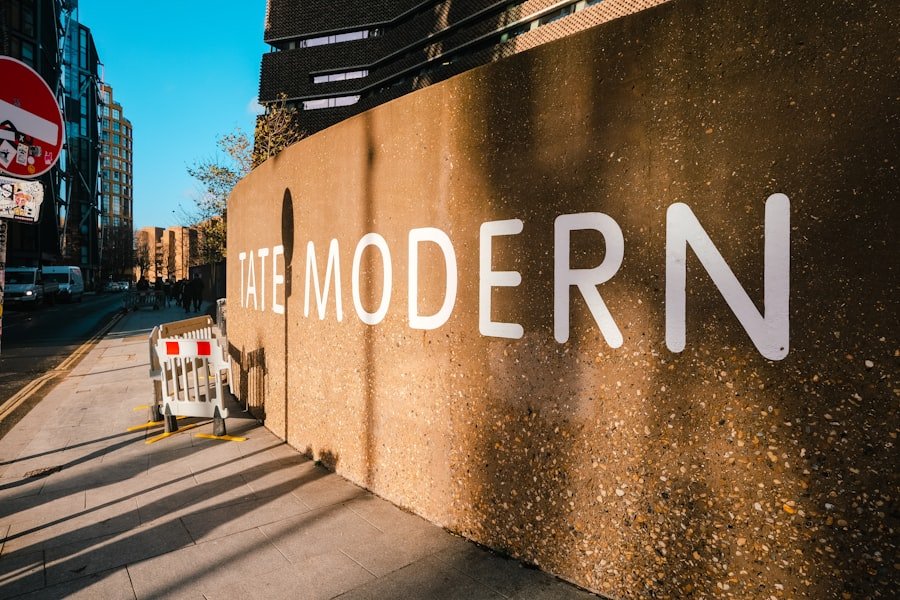
The most reliable quiet-time strategy is to arrive near 10:00 a.m. or visit near the end of the day. A weekday outside school holidays is usually a sensible choice, but it is a planning estimate rather than an official guarantee.
Late autumn and winter weekdays may feel calmer than peak summer sightseeing dates, yet weather, school groups, exhibitions, and free events can still create busy periods. If crowd levels are especially important, Tate says you can call its visitor information number before your trip to ask how busy the gallery is expected to be.
Pro Tip: On Friday or Saturday, a late collection visit can be easier than a weekend afternoon because Tate Modern stays open until 21:00. Check the events calendar first, since a late programme can make the building lively rather than quiet.
Do You Need to Book Before Visiting Tate Modern?
You do not need a free ticket or timed slot to enter Tate Modern or view the permanent collection displays. You do need a ticket for most temporary exhibitions, tours, talks, or bookable events. Use Tate’s Tate Modern What’s On page to see current exhibitions and booking options.
Temporary exhibition tickets use 15-minute entry slots. Tate may enforce the printed time for busy exhibitions, and you cannot enter before your slot. Once inside, you can normally stay as long as you need within gallery hours, but re-entry is not allowed after you leave the exhibition.
For the smoothest visit, book your main exhibition first, arrive with enough time for security and wayfinding, and see the exhibition before browsing the free displays. Tate Members currently do not need to book exhibition tickets, although some events still require reservations.
How Special Exhibitions Affect the Best Time to Visit
Special exhibitions can affect crowds more than the season. A headline show can fill timed slots, increase queues near exhibition entrances, and make nearby cafés and shops busier. As of July 23, 2026, Tate Modern’s programme includes major shows such as Frida: The Making of an Icon, which runs until January 3, 2027, along with other current exhibitions. Always confirm the live programme because dates and availability change.
If you want a calmer exhibition visit, choose the earliest practical weekday slot. If you can only visit on a weekend, book in advance, arrive before your entry time, and see the paid exhibition before the wider collection.
Note: A “quiet museum” and a “quiet exhibition” are not always the same. The Turbine Hall or free collection may feel spacious while a sold-out temporary show remains busy.
Weather Considerations for Visiting Tate Modern
Weather should not stop you from visiting because most of Tate Modern is indoors. It does affect the rest of your day. Rain, strong wind, or cold can make the Bankside walk less comfortable, while clear weather can make the route from St Paul’s across the Millennium Bridge a highlight.
In summer, bring water and expect more activity along the river. In winter, plan outdoor photos earlier because daylight is limited. A compact umbrella or waterproof jacket is useful in any season.
Tate Modern is reachable from Southwark and Blackfriars stations. Before travelling, check live transport conditions and use Transport for London’s accessible journey planner when step-free routing matters.
Best Times of Day to Avoid Crowds
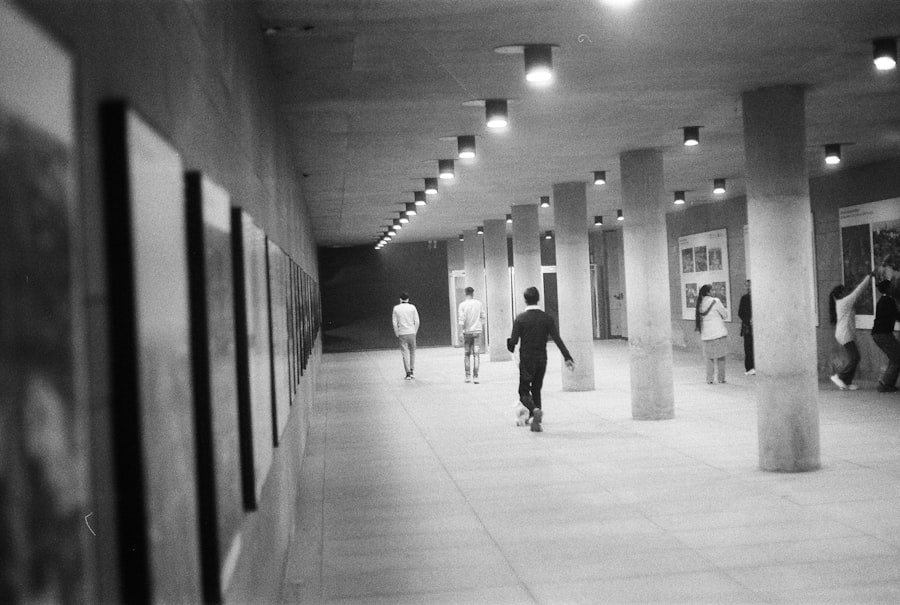
The best crowd-avoidance strategy is simple: go early or go late. Morning visits work well because you can reach your priority galleries before the building fills. Late visits suit shorter routes, especially on Friday and Saturday when the gallery stays open until 21:00.
If you must visit at weekend midday, reduce friction by booking ticketed shows, downloading or checking the map, and choosing your first gallery before entering. Avoid beginning with food or shopping during the lunch rush because cafés can become busy and noisy at that time.
Best Time for Photography at Tate Modern
For interior photography, arrive near opening time so fewer people move through your frame. The Turbine Hall, stairways, bridges, and large architectural spaces are easier to photograph before the midday rush.
For exterior photography, late afternoon or early evening can give you softer light when the weather is clear. You can photograph Tate Modern from Bankside, the Millennium Bridge, or the north bank with St Paul’s Cathedral across the river.
Tate permits photography in the gallery, but your flash must be turned off. Follow any extra signs or staff instructions around individual artworks or exhibitions, and avoid blocking routes while taking pictures.
Best Time to Visit Tate Modern With Family
Families often do best near opening time or in the early afternoon before children become tired and the galleries reach their busiest point. During school holidays, arrive at 10:00 a.m. and keep the plan flexible instead of trying to see every floor.
A good family route might include one or two collection areas, the Turbine Hall, a snack break, and time to sketch or talk about a few artworks. Tate Modern also has family spaces, including the Clore Hub and activities in the Clore Studio on selected days. Check the current family programme before travelling.
You may bring your own food and drink, but you cannot eat in gallery spaces or in Tate’s cafés and restaurants. Tate says packed food can be eaten on concourses, in the Turbine Hall, or outside on the grass.
Accessibility and Comfort Planning
If you or someone in your group has access needs, check Tate’s Tate Modern visual story and current access information before choosing a time. The gallery has lifts, accessible toilets, seating, portable stools, quiet rooms, and visitor resources such as ear defenders, magnifiers, colour overlays, ramble tags, and communication cards.
For temporary exhibitions, Tate currently offers relaxed hours on the third Tuesday of each month from 10:00 to 11:00 for neurodivergent visitors, people with sensory needs, and accompanying family, friends, or carers. Booking is recommended.
Wheelchairs, mobility scooters, walkers, accessible parking, and complimentary companion tickets are available under Tate’s access policies. Contact Tate at least 24 hours ahead when you need to reserve equipment or parking. Weekday mornings can also give you more space to move, pause, and ask staff for directions.
Before You Arrive: Bags, Payment, and Gallery Rules
Tate Modern is cashless, so bring a payment card or contactless device. Bags must be cabin size or smaller and may be searched at the entrance. Paid lockers are available in the Blavatnik Building, while the former cloakroom in the Natalie Bell Building is closed.
- Do not touch artworks.
- Do not eat or drink in gallery rooms.
- Turn off camera flash.
- Follow floor markings, barriers, and staff directions.
- Download or collect a gallery map because Tate Modern covers two connected buildings.
Dining, Shopping, and Breaks
Tate Modern has several cafés, restaurants, and shops, while Bankside offers many nearby food options. Tate’s visitor guidance says its cafés can become busy and noisy around lunchtime, so take a break before noon or after the main lunch rush when possible.
For a relaxed visit, plan one art-focused block and then pause before continuing. This works well for families, older visitors, and anyone spending more than two hours in the museum. Save the shop for the end unless you expect a crowded closing period.
Suggested Visit Plans
Quick Visit: 60 to 90 Minutes
Start with the Turbine Hall, visit one collection display, and finish with a riverside photo stop. Choose a weekday near opening or a Friday or Saturday evening. Do not add a paid exhibition unless your ticket time fits comfortably.
Standard Visit: 2 to 3 Hours
See the Turbine Hall, two or three collection areas, one booked exhibition, and a short break. This is the best balance for most first-time visitors.
Exhibition-Focused Visit
Book the earliest practical timed ticket, visit the exhibition first, and then use your remaining time for the free collection. This prevents the main reason for your trip from being squeezed by closing time or tiredness.
Family Visit
Keep the route short. Choose one or two galleries, add a snack break, visit the Turbine Hall, and check whether a family space or activity is running. Morning visits usually work better than late-day visits with younger children.
Final Recommendations
For most visitors, the best time to visit Tate Modern is near 10:00 a.m. on a weekday outside school holidays. If that does not work, visit near the end of the day. Friday and Saturday are especially useful because the gallery currently stays open until 21:00.
Book temporary exhibitions ahead, check current opening hours and events, and build your route around your main priority. With a little planning, Tate Modern can feel easier to navigate, less rushed, and more rewarding.
Frequently Asked Questions
What is the best time to visit Tate Modern?
The best time is near opening or near the end of the day, which Tate identifies as its quietest periods. A weekday outside school holidays is usually a good practical choice.
What are Tate Modern’s current opening hours?
Tate Modern is currently open 10:00–18:00 Monday to Thursday and Sunday, and 10:00–21:00 on Friday and Saturday. It closes from December 24 to 26. Check the official page before travelling.
What are the peak times to avoid at Tate Modern?
Weekend midday, bank holidays, school holidays, major events, and high-demand exhibitions are more likely to feel busy. Crowd levels vary, so check the live programme.
Is Tate Modern free to visit?
Yes. General entry and permanent collection displays are free, and you do not need a free timed ticket. Most temporary exhibitions require a paid timed ticket.
How long should you spend at Tate Modern?
Allow 60 to 90 minutes for a quick visit, 2 to 3 hours for a first visit, and longer when you have a paid exhibition, meal, tour, or Bankside walk planned.
Is Tate Modern good to visit on a rainy day?
Yes. Most of the experience is indoors. Bring waterproof clothing when you also plan to walk along the Thames, cross the Millennium Bridge, or explore Bankside.
When is the best time to take photos at Tate Modern?
Arrive near opening for less crowded interior photos. Late afternoon or early evening can work well for exterior views when the weather is clear. Flash must be turned off inside.
Should families visit Tate Modern in the morning or afternoon?
Morning is usually easier because children have more energy and the gallery is often calmer. During school holidays, arrive near 10:00 a.m. and keep the route short.
Does Tate Modern offer quieter or relaxed sessions?
Yes. Tate currently offers relaxed hours for temporary exhibitions on the third Tuesday of each month from 10:00 to 11:00. Booking is recommended, and details should be confirmed before your visit.
Sources
- Tate Modern visitor information — current visit planning, opening information, and gallery updates.
- Tate visiting and ticketing FAQs — free entry, current hours, timed exhibition tickets, last entry, access booking, and companion policies.
- Tate Modern visual story — quiet times, relaxed hours, bags, payment, lockers, access resources, photography, family spaces, and food rules.
- Tate Modern What’s On — current exhibitions, events, dates, and booking availability.
- GOV.UK school term and holiday dates — confirms that school holiday dates vary by area.
- Transport for London accessible journey planner — step-free and accessible travel planning.