Disclosure: As an Amazon Associate, we earn from qualifying purchases. If you click a link on this page and make a purchase, we may receive a small commission at no extra cost to you.
Faded tire sidewalls and chalky black trim can make a freshly washed vehicle look unfinished. Chemical Guys VRP Dressing is designed to restore a darker appearance on vinyl, rubber, and plastic while leaving a dry-to-the-touch finish instead of a greasy film. It is a practical choice when you want one bottle for tires, exterior trim, dashboards, door panels, weatherstripping, and engine bay plastics. The main tradeoff is that clean preparation and thin application matter, and the satin result may not satisfy drivers who want an extreme wet-look tire shine.
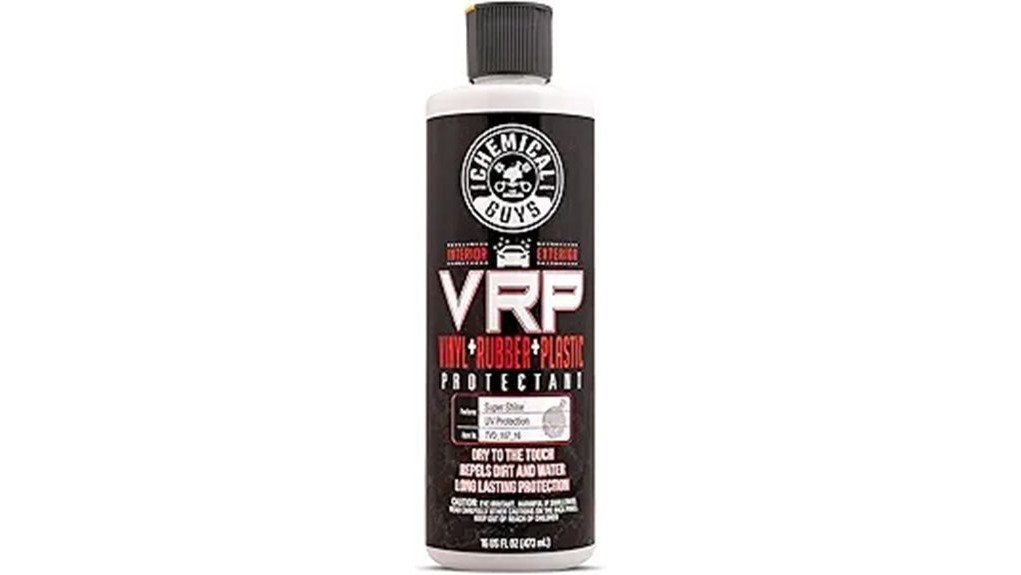
This review covers the 16 fl oz Chemical Guys VRP Vinyl, Rubber, and Plastic Protectant, model TVD_107_16. You will learn how the formula performs, which surfaces suit it, how to apply it safely, and when a more specialized dressing may be the better buy.
Chemical Guys VRP Dressing Review
Quick Verdict
Rating: 8.5/10
Best For: Drivers who want one easy-to-control dressing for tire sidewalls, exterior trim, dashboards, door panels, rubber seals, and other vinyl, rubber, or plastic surfaces.
Bottom Line: Chemical Guys VRP delivers a rich satin finish, useful UV protection, and a less oily feel than many high-gloss tire dressings. It works best on properly cleaned surfaces and requires light coats plus a final buff to reduce streaks, excess shine, or tire sling.
| Specification | Detail |
|---|---|
| Brand | Chemical Guys |
| Product | VRP Vinyl, Rubber, and Plastic Protectant |
| Model/SKU | TVD_107_16 |
| Reviewed Size | 16 fl oz, pack of 1 |
| Product Type | Water-based vinyl, rubber, plastic, trim, and tire dressing |
| Finish | Deepened color with a non-greasy, dry-to-the-touch satin shine after buffing |
| Recommended Surfaces | Vinyl, rubber, plastic, tire sidewalls, exterior trim, dashboards, door panels, bumpers, weatherstripping, and engine bay plastics |
| Protection | Helps protect treated surfaces from UV-related fading and cracking |
| Application Method | Apply 2 to 5 sprays or a few drops to a foam or microfiber applicator, spread evenly, and buff away excess |
| Layering Time | Wait 5 to 10 minutes before adding another light layer if needed |
| Other Sizes | 32 fl oz and 1 gallon versions are also listed by the manufacturer |
| Variant Note | Scent names and selected variants can differ by retailer, so confirm the live listing before ordering |
| Safety Note | Do not apply to tire tread, pedals, steering wheels, brake parts, or other surfaces where added slickness could reduce grip |
Key Takeaways
- VRP darkens and dresses vinyl, rubber, and plastic without the oily feel common to some high-gloss products.
- The 16 fl oz TVD_107_16 formula works on both interior and exterior surfaces, which reduces the need for several separate dressings.
- Its UV protection helps limit fading and cracking, but it does not repair deeply cracked, peeling, or permanently discolored material.
- Clean preparation, thin coats, and a final microfiber buff produce the most even finish.
- It is better for a controlled satin look than for an extreme wet-look tire finish.
What Is Chemical Guys VRP Dressing?
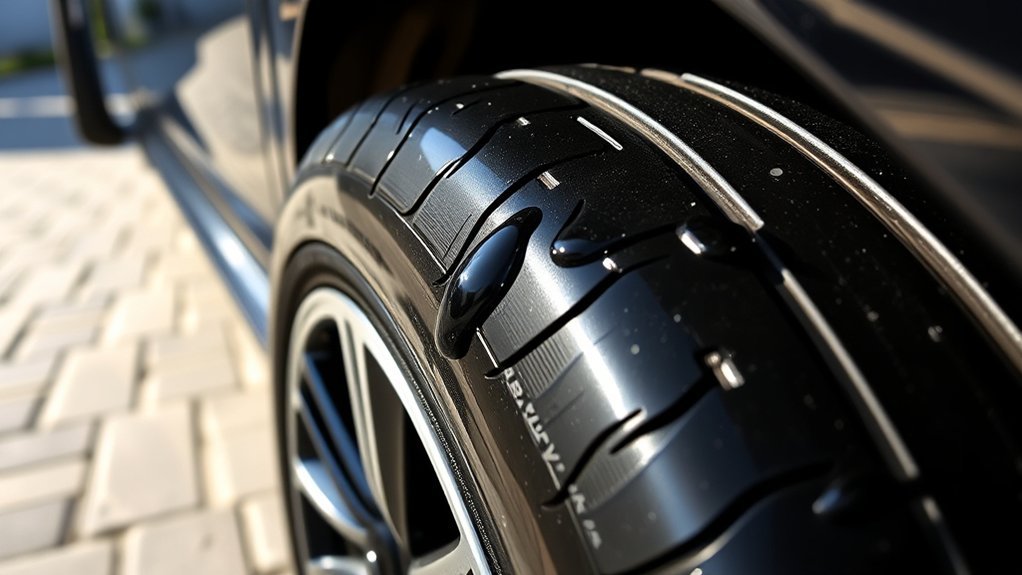
Chemical Guys VRP is a water-based protectant and appearance dressing for vinyl, rubber, and plastic. The reviewed TVD_107_16 version contains 16 fl oz and is intended for surfaces such as tire sidewalls, bumpers, black trim, dashboards, door panels, rubber seals, and plastic engine bay covers.
The main selling point is versatility. Instead of buying one product for tire sidewalls, another for exterior trim, and a third for interior plastics, you can use VRP across several compatible surfaces. The cream-like liquid gives you more placement control than a wide spray mist because you apply it to a pad first.
VRP restores a richer, darker appearance and leaves a satin-to-glossier finish depending on the surface, amount used, and number of layers. It can improve dry or faded-looking material, but it is a cosmetic protectant rather than a permanent trim dye or repair product.
Who Should Buy It?
Best For
- Drivers who want one dressing for tire sidewalls, black trim, dashboards, door panels, and rubber seals.
- Detailing beginners who prefer a simple apply, spread, buff, and layer process.
- Owners of older vehicles with dry-looking vinyl, rubber, or plastic that needs a deeper and more even appearance.
Skip If
- You want the wettest possible tire gloss from one heavy application.
- You prefer a completely matte interior with no visible darkening or sheen.
- You need a permanent fix for badly chalked, cracked, peeling, or damaged trim.
Before You Buy: VRP is a surface dressing, not a cleaner or permanent trim-restoration coating. It may look uneven or sling from tire sidewalls when applied over dirt, old dressing, or a heavy coat that was not buffed.
Key Benefits of Using VRP Dressing
VRP gives you a controlled way to darken compatible surfaces without leaving the thick, greasy residue associated with some solvent-heavy tire shines. Its water-based formula spreads with a foam or microfiber applicator, and the excess can be buffed down to adjust the final appearance.
| Feature | Buyer Benefit | Limitation |
|---|---|---|
| Dry-to-the-touch finish | Feels cleaner on dashboards and trim after excess product is removed | Heavy coats can still leave extra shine or residue |
| UV protection | Helps reduce fading and cracking on sun-exposed vinyl, rubber, and plastic | It cannot reverse structural damage or deep discoloration |
| Multi-surface use | One bottle can cover several interior and exterior detailing jobs | It is not suitable for tread, pedals, controls, or grip surfaces |
| Layerable formula | Lets you build a darker or shinier result with additional light coats | Layering requires waiting and careful buffing for an even finish |
Water-Based Formula and Finish Control
The water-based formula is easy to distribute through a foam or microfiber applicator. Applying it to a pad instead of pouring directly onto the surface helps prevent drips, overspray, and dark patches around trim edges.
One thin coat usually produces a dressed satin appearance. A second light coat can deepen the color after 5 to 10 minutes. The finish may look glossier on smooth tire sidewalls and vinyl than on textured exterior plastic, so test a small hidden area before treating the full panel.
UV and Weather Protection
Sunlight can leave exterior trim gray, dry rubber seals, and dull dashboards. VRP includes UV protection intended to help slow fading and cracking while maintaining a darker appearance. This makes it useful on vehicles parked outdoors, although regular washing, rain, heat, and road grime will shorten the visible result.
Reapply when the treated surface loses its dressed appearance rather than adding product on top of heavy dirt. Cleaning first prevents old residue from trapping grime and helps the new layer spread more evenly.
Interior Performance
On dashboards, door panels, and compatible interior plastics, VRP works best in a very small amount. Spread a thin coat, then buff with a separate dry microfiber towel to reduce glare and remove residue from textured areas.
Avoid using it on steering wheels, pedals, shifters, touchscreens, instrument lenses, or any control surface where a slick feel or haze could create a safety or visibility problem. For a completely matte cabin, an interior cleaner or dedicated matte protectant may be a better choice.
Exterior Trim and Tire Sidewalls
VRP can darken black bumpers, mirror trim, plastic cowl panels, rubber weatherstripping, and tire sidewalls. On tires, scrub away old dressing and brown contamination first, allow the rubber to dry, and keep the product on the sidewall only.
After spreading the dressing, wipe the sidewall with a clean towel and allow it to settle before driving. This reduces the chance of excess product reaching the wheel or painted bodywork. The result is cleaner and more controlled than a thick wet-look gel, but durability will vary with rain, washing, mileage, and surface condition.
How to Apply Chemical Guys VRP
- Clean the surface. Remove dust, grime, old dressing, and oily residue with a suitable interior or all-purpose cleaner.
- Let it dry. Water left in seams or tire lettering can dilute the dressing and create streaks.
- Shake the bottle. This helps prepare the formula for an even application.
- Load the applicator lightly. Put 2 to 5 sprays or a few drops on a foam or microfiber applicator pad.
- Spread a thin coat. Work the product across the full surface, including textured areas and edges, without flooding seams.
- Buff away excess. Use a clean microfiber towel to level the finish and remove residue.
- Inspect after 5 to 10 minutes. Add a second light layer only if you want a darker or glossier result.
Pro Tip: Keep separate applicators for tires and interior trim. A tire pad can collect brake dust and road grime that you do not want to transfer to a dashboard or door panel.
Common Application Mistakes
- Applying VRP over dirty, wet, or previously greasy surfaces.
- Pouring too much product directly onto trim or a tire sidewall.
- Skipping the final buff, which can leave streaks, excess gloss, or sling.
- Using it on tread, pedals, steering controls, screens, or other unsuitable surfaces.
- Expecting it to repair cracked, peeling, or permanently bleached material.
Compatibility and Safety
Use VRP only on compatible vinyl, rubber, and plastic surfaces, and follow the current bottle label and manufacturer instructions. Keep it off tire tread, brake parts, pedals, steering wheels, shifters, hand grips, floors, and other areas where reduced traction could be dangerous.
The manufacturer provides chemical and ingredient information and displays a California Proposition 65 warning for this product. Review the current label and safety data before use, keep the bottle away from children, and wash your hands after application. Test a small hidden spot when you are unsure about a surface, especially on older, repainted, clear-coated, or unusually textured materials.
How It Performs in Real Use
For Weekly Car Washes
After a normal wash, VRP can refresh tire sidewalls and exterior plastic in one detailing step. The 16 fl oz bottle is easy to handle, and a foam pad helps keep the dressing away from wheels, paint, and tire tread.
For Older Vehicles
Dry-looking black trim, rubber seals, and dashboards can appear darker and more uniform after cleaning and dressing. Results depend on the condition of the material, and deeply faded or damaged trim may need a dedicated restorer, dye, or replacement instead.
For Interior Detailing
A light coat can give dashboards and door panels a richer appearance without the greasy feel of a heavy shine product. Buffing matters more indoors because excess gloss can cause glare and make textured panels look patchy.
For RVs, Boats, and Outdoor Items
VRP is useful when you maintain several vinyl, rubber, or plastic surfaces across a vehicle, RV, boat, or patio area. Larger jobs may make the 32 fl oz or gallon size more practical, but you should confirm the correct variant and current package before ordering.
Pros and Cons
Pros
- Works on multiple compatible vinyl, rubber, and plastic surfaces.
- Leaves a dry-to-the-touch finish when applied thinly and buffed.
- Helps protect treated surfaces from UV-related fading and cracking.
- Layerable formula lets you adjust the depth and shine.
- Simple application with a foam or microfiber pad.
Cons
- Needs thorough cleaning and buffing for the most even result.
- Not ideal for buyers who want a completely matte finish or extreme wet-look gloss.
- It cannot permanently restore cracked, peeling, or severely faded trim.
What Are Users Saying About VRP Dressing?
Chemical Guys VRP is consistently well-reviewed for easy application, a darker finish, and broad surface compatibility. Common complaints involve extra shine, streaks, or tire sling after heavy application, which reinforces the need to start with less product and buff thoroughly.
Is It Worth the Price?
VRP offers strong value when you will use it on several surfaces. One 16 fl oz bottle can cover tire sidewalls, exterior trim, dashboards, door panels, rubber seals, and selected plastic parts.
It is worth considering for a controlled satin finish and broad compatibility. It is less compelling when you need maximum tire gloss, a fully matte interior, or permanent restoration for damaged trim.
How It Compares to Alternatives
Chemical Guys Silk Shine is worth comparing when your priority is a lighter interior-focused satin finish. Chemical Guys Tire Kicker is the more suitable comparison when you want a glossier tire appearance, while 303 Aerospace Protectant is often considered by buyers who place greater emphasis on a low-sheen protectant for interior and exterior surfaces.
VRP makes the most sense when you want one layerable product for tire sidewalls, trim, rubber, and interior plastic. Its advantage is versatility, while its limitation is that a multi-surface dressing may not match the specialized finish of a tire-only gel or matte interior protectant.
Frequently Asked Questions
Can you use Chemical Guys VRP on tires?
Yes, but apply it only to a clean, dry tire sidewall. Keep it off the tread and brake components, spread a thin coat, and buff away excess before driving to reduce sling.
Does VRP leave a greasy finish?
It is designed to dry to the touch after you apply a thin coat and buff the surface. Using too much or skipping the final wipe can still leave extra shine or residue.
Can you use VRP on a dashboard?
Yes, on compatible vinyl or plastic dashboard surfaces. Use a small amount and buff it well to reduce glare, and keep it away from screens, instrument lenses, steering wheels, and controls.
How many coats of VRP should you apply?
Start with one thin, even coat. Wait 5 to 10 minutes, inspect the finish, and add a second light layer only when you want more depth or shine.
How long does Chemical Guys VRP last?
There is no fixed duration for every surface. Rain, washing, road grime, sun exposure, preparation, and the amount applied all affect how long the dressed appearance remains visible.
Does VRP permanently restore faded plastic?
No. It can darken and improve the appearance of faded-looking plastic, but it is a dressing and protectant rather than a permanent dye, coating, or repair for cracked and peeling trim.
Does the 16 oz bottle include an applicator?
The standard listing is for the 16 fl oz dressing, while separate kit listings may include applicators. Check the current package contents before ordering if you need a foam or microfiber pad.
Which VRP scent or variant will you receive?
Variant labels differ across retailer pages. The manufacturer lists Mild Fresh and New Car versions, while some retailer listings use other scent wording, so confirm the selected option on the live product page.
The Bottom Line
Chemical Guys VRP is a smart buy for drivers who want one easy-to-use dressing for tire sidewalls, black trim, dashboards, door panels, and rubber seals. Its strongest qualities are the versatile water-based formula, adjustable satin finish, and UV protection, while its main limitation is the need for careful preparation and buffing. Skip it when you need a permanent trim repair, a completely matte cabin, or the wettest possible tire shine.
Ready to Buy?
Check the latest price, selected variant, and package details before you decide.