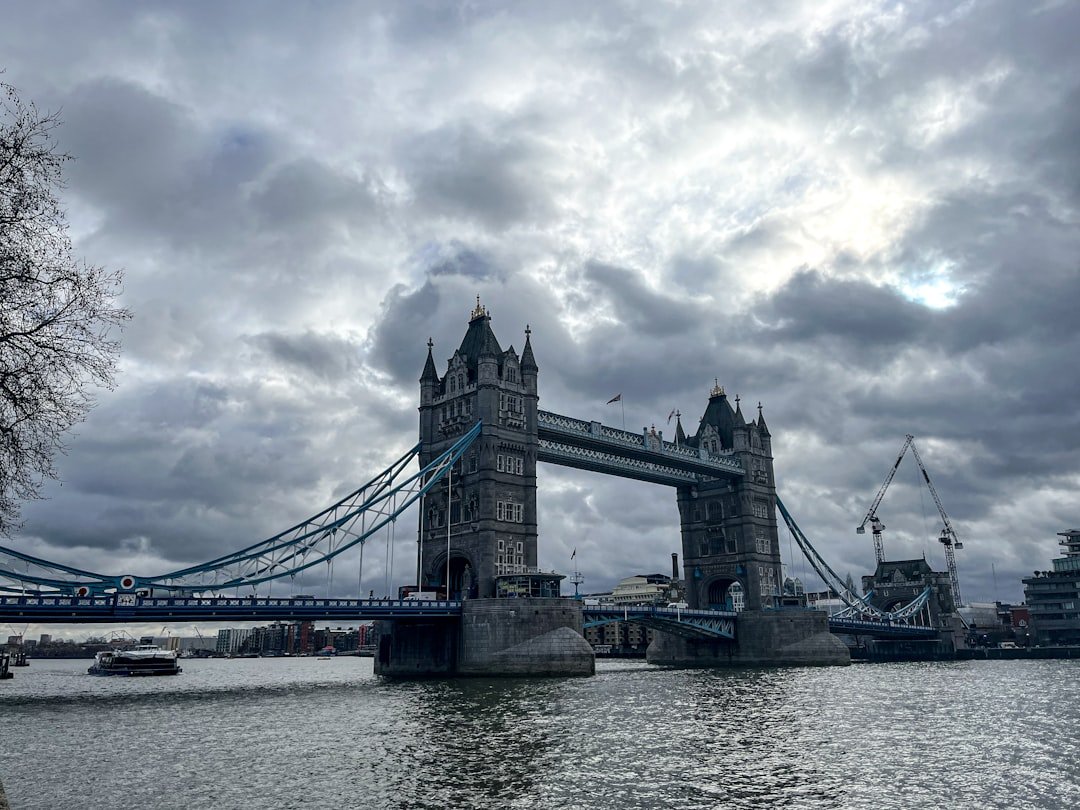
Thameslink is a cross-London National Rail service linking communities north and south of the capital with central London, Gatwick Airport, Luton Airport Parkway and destinations including Bedford, Brighton, Cambridge and Peterborough. Its biggest advantage is that many journeys run directly through central London, reducing the need to change between separate London terminals. The network is useful for commuters, airport passengers and visitors, but routes, ticket validity and train frequency vary, so understanding how the service works can make your journey much easier.
Quick Answer
Thameslink is a cross-London rail network connecting destinations north and south of London through stations including St Pancras International, Farringdon, City Thameslink, Blackfriars and London Bridge. Tickets include traditional rail fares plus Oyster, contactless and keyGo on eligible journeys. Always check your exact route and timetable before travelling.
Key Takeaways
- Thameslink runs through central London, allowing many passengers to travel from north to south London without changing between separate London terminals.
- Major destinations include Bedford, Cambridge, Peterborough, Brighton, Horsham, Gatwick Airport, Luton Airport Parkway, Sutton, Wimbledon, Rainham and Sevenoaks.
- Cambridge South joined the network in June 2026.
- Oyster, contactless and keyGo are useful payment options, but their geographic coverage and discount rules are not identical.
- Thameslink is described as a 24-hour network, but individual stations and routes do not necessarily operate all night.
- Since 31 May 2026, Thameslink has been in public ownership under DfT Operator Limited.
History of Thameslink
The modern Thameslink through service opened in 1988, creating a substantial north-south rail connection through central London. The original core service linked Bedford and Brighton and allowed passengers to travel across the capital rather than terminating at one London station and continuing from another.
Thameslink later became the focus of a major rail investment programme. The government-funded Thameslink Programme upgraded stations, tracks, signalling and capacity. London Bridge underwent a major redevelopment, while improvements around Blackfriars, Farringdon and the central core supported longer trains and more intensive operation.
Network Rail planned the programme around the ability to support up to 24 trains per hour through the central core at the busiest times. The main Thameslink Programme was completed in 2018, following years of infrastructure work and the introduction of the Class 700 fleet. You can read more about the programme through Network Rail’s London Bridge and Thameslink Programme information.
Another important change occurred on 31 May 2026, when Thameslink, Southern, Great Northern and Gatwick Express services transferred from Govia Thameslink Railway into public ownership. Thameslink services are now operated by Thameslink Southern Great Northern Limited under DfT Operator Limited.
Thameslink Train Routes and Key Stations
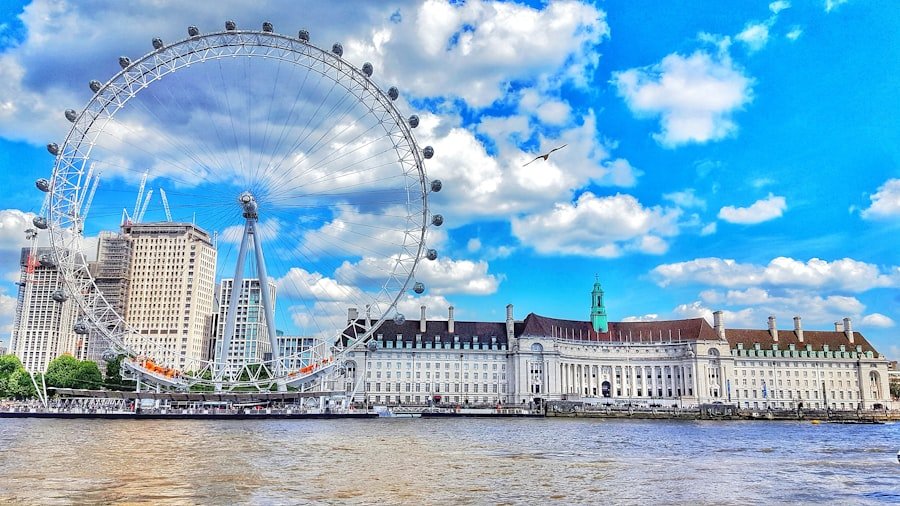
Thameslink is more than a single Bedford-to-Brighton railway. The current network includes several route groups connecting destinations across Bedfordshire, Hertfordshire, Cambridgeshire, London, Surrey, Sussex and Kent.
According to current Thameslink company information, services operate between Bedford, Peterborough and Cambridge in the north and destinations including Brighton, Horsham, Littlehampton and East Grinstead in the south. Other services connect Luton or St Albans with Sutton, Wimbledon and Rainham, while Thameslink also operates London-to-Sevenoaks services.
Important Central London Thameslink Stations
The central section is one of Thameslink’s main advantages. Important stations include:
- London St Pancras International — connections with the London Underground, domestic mainline trains and international Eurostar services.
- Farringdon — interchange with the Elizabeth line and London Underground.
- City Thameslink — useful for the City of London and areas around St Paul’s.
- London Blackfriars — central London station spanning the River Thames, with Underground connections.
- London Bridge — major interchange for National Rail services and the London Underground.
Not every Thameslink train follows the same route through every one of these stations. Always check the destination board and current journey planner before boarding.
Cambridge South
Cambridge South railway station opened to passengers on 28 June 2026 and now provides direct rail access to the Cambridge Biomedical Campus. Thameslink is one of the operators serving the station, alongside Great Northern, Greater Anglia and CrossCountry.
Current services connect Cambridge South with destinations including Brighton and Gatwick Airport. The station also provides step-free access. See Thameslink’s Cambridge South information for current journey options.
Thameslink to Gatwick Airport
Thameslink is particularly useful for Gatwick Airport because many services run through central London to the airport without requiring passengers to transfer to a different London terminal. Thameslink currently advertises up to eight trains per hour to Gatwick Airport on relevant routes, although the exact number varies by time and starting station.
Passengers can check airport services through the official Gatwick Airport travel guide.
Thameslink to Luton Airport
For London Luton Airport, trains serve Luton Airport Parkway. Passengers then use the Luton DART shuttle between the railway station and airport terminal.
If you buy a qualifying through-ticket with your destination shown as Luton Airport, Thameslink says the DART connection is included. A ticket only to Luton Airport Parkway does not automatically represent travel all the way to the terminal. Check the official Luton Airport guide when booking.
Thameslink Tickets and Fares
There is no single Thameslink fare because the price depends on your origin, destination, route, travel time, ticket type and any discount you qualify for. Tickets can be bought online, through mobile ticketing options, from ticket machines and from staffed ticket offices where available.
Common ticket types include:
- Anytime tickets: designed for maximum time-of-day flexibility, subject to the ticket’s route and validity conditions.
- Off-Peak and Super Off-Peak tickets: cheaper options on eligible journeys when you travel outside restricted periods.
- Advance tickets: available on some journeys for a specific booked service.
- Season tickets: intended for passengers making the same journey regularly.
- Flexi Season tickets: an option for some passengers who commute fewer days each week.
- Pay-as-you-go: available through contactless, Oyster or keyGo where the chosen method is valid.
Because Off-Peak restrictions differ between routes and tickets, do not assume that one fixed “off-peak time” applies throughout Thameslink. Use the official ticket planner to check the conditions for your exact journey.
Oyster, Contactless and keyGo
Oyster, contactless and keyGo can all make Thameslink journeys easier, but they are different systems.
- Oyster: available on Thameslink services within the Oyster-valid area, including London Zones 1–6 and certain extensions.
- Contactless: has wider coverage than Oyster on parts of the National Rail network. Thameslink’s contactless area expanded again in December 2025, including stations such as Harlington, Leagrave and Luton.
- keyGo: works with the Key Smartcard across much of the operator’s network and calculates eligible walk-up fares after you touch in and out.
Note: Contactless and Oyster do not have identical coverage. Contactless also normally charges adult-rate Standard Class fares and does not allow a Railcard discount to be added in the same way as some other ticketing methods. Check your exact stations before relying on pay as you go.
For current boundaries and rules, see Thameslink’s contactless guidance and Oyster guidance.
Railcards and GroupSave
An eligible Railcard can reduce many rail fares, subject to the Railcard’s terms and minimum-fare or time restrictions.
Groups can also benefit from GroupSave. Thameslink currently offers a one-third discount on eligible Off-Peak Standard Class fares when three to nine adults travel together. The group must meet the ticket conditions and travel together. Check the current GroupSave rules before buying.
Thameslink Service Frequency and Operating Hours
Thameslink runs a high-frequency service on many busy corridors, but there is no single network-wide frequency. Some central London and airport sections receive many trains each hour, while individual branches may have a much less frequent service.
For example, Thameslink currently advertises up to eight trains per hour on relevant Gatwick Airport and Luton Airport routes. That does not mean every station on those routes receives eight Thameslink trains each hour.
Thameslink describes itself as a 24-hour mainline network. However, that description should not be interpreted as every station having an all-night service. First and last trains vary by route, station and day of the week.
Engineering work can also change late-night, overnight and weekend services. Published base timetables may not show every short-term amendment, so passengers should use the current Thameslink timetable and journey-planning tools close to the time of travel.
Pro Tip: Recheck your journey on the day you travel, especially for early airport trips, late-night journeys and weekends. Engineering work can change departure times, platforms or whether a direct train operates.
Thameslink Train and Station Facilities
Facilities vary between stations. Large interchanges such as St Pancras International, London Bridge and Blackfriars generally provide more passenger facilities than smaller local stations.
Depending on the station, you may find:
- ticket machines or staffed ticket offices;
- departure information screens;
- waiting areas;
- toilets;
- shops, cafés or other retail outlets;
- cycle parking;
- lifts, ramps or step-free routes;
- staff assistance.
Do not assume every station has every facility. Check the individual station page before travelling if step-free access, toilets, staffing or another facility is essential to your journey.
Facilities on Thameslink Trains
Thameslink trains provide features such as toilets, accessible spaces and areas for luggage. Free Wi-Fi is available on equipped services. Thameslink’s dedicated Wi-Fi guidance advises passengers to look for the blue Wi-Fi logo on the train when confirming whether the service is equipped.
Wi-Fi performance can also vary with mobile-network coverage, particularly outside urban areas.
Accessibility, Luggage and Bikes
Passenger Assist and Step-Free Travel
Thameslink provides assistance for disabled and older passengers and publishes accessibility information for its stations and trains. Step-free access varies by station, so passengers who need a step-free route should check the individual station before travelling.
Wheelchair spaces are provided on Thameslink trains, and ramps are available for boarding at suitable locations. Passengers can also arrange assistance through the operator’s Assisted Travel service. See the official Accessible Travel Policy for current information.
Travelling With Luggage
Thameslink says passengers can generally bring up to three pieces of luggage provided they can carry the items and store them safely. Bags must not block aisles, doors, emergency equipment, wheelchair spaces or cycle areas.
This is especially important on busy airport services. Large luggage should use dedicated storage areas where provided, while smaller bags can normally be stored in overhead racks or under seats.
Taking a Bicycle on Thameslink
Folding bicycles can generally travel at any time, but restrictions apply to regular non-folding bicycles during busy weekday periods.
Thameslink currently restricts non-folding bikes on trains travelling toward London that are scheduled to arrive at or pass through a central London station between 07:00 and 10:00 Monday to Friday, and on trains travelling away from London that pass through or depart central London between 16:00 and 19:00 Monday to Friday, excluding public holidays. There are exceptions and additional conditions, so check the current bicycle policy before travelling.
Tips for Riding Thameslink
A little planning can prevent common mistakes on a large network like Thameslink.
- Check the destination, not just the platform. Multiple Thameslink routes can use the same central London stations.
- Confirm your ticket route. Some tickets are restricted to a particular operator or route.
- Touch in and out correctly. When using Oyster, contactless or keyGo, use the same eligible card or device at both ends of the journey.
- Do not mix contactless devices. For example, touching in with a bank card and touching out with the same card through a phone wallet can be treated as two different payment methods.
- Allow extra time with luggage. Airport trains can be particularly busy.
- Check bike restrictions. Non-folding bikes have peak-time restrictions.
- Check accessibility before leaving. A station being served by an accessible train does not automatically mean every platform has step-free access.
- Recheck weekend services. Engineering work frequently affects rail routes in and around London.
At large stations such as St Pancras International and London Bridge, knowing your onward connection before you arrive can also reduce transfer time. Farringdon is particularly useful for passengers transferring between Thameslink and the Elizabeth line.
Current and Future Developments for Thameslink
Thameslink’s biggest recent organisational change occurred on 31 May 2026, when the former Govia Thameslink Railway services transferred into public ownership. The change placed Thameslink, Southern, Great Northern and Gatwick Express under DfT Operator Limited ahead of the wider transition toward Great British Railways.
The transfer did not invalidate existing Thameslink tickets or immediately change normal routes and timetables. However, the government announced several operational improvement measures for the wider railway group during 2026.
Confirmed measures affecting Thameslink include additional driver recruitment, refurbishment of train toilets and work on a secondary signalling system between Farringdon and Blackfriars intended to improve resilience and reduce cancellations. The government has also announced improvements to passenger communications.
Another major development is Cambridge South. The new station began serving passengers on 28 June 2026, giving Thameslink passengers additional access to the Cambridge Biomedical Campus and direct connections to destinations including Gatwick Airport and Brighton.
These are more useful current developments for passengers than speculative promises about an unspecified future Thameslink train fleet. For the latest official ownership and improvement information, see the Department for Transport’s public-ownership announcement.
If you’re taking a break from exploring London via Thameslink, use your downtime to check your return journey and onward city transport. Transport for London’s official London visitor information can help with Underground, bus and other local connections after leaving Thameslink.
Frequently Asked Questions
What is Thameslink?
Thameslink is a National Rail network running through central London and connecting destinations north and south of the capital. Its central London stations include St Pancras International, Farringdon, City Thameslink, Blackfriars and London Bridge.
What are the main destinations served by Thameslink?
Major Thameslink destinations include Bedford, St Albans, Luton Airport Parkway, Cambridge, Cambridge South, Peterborough, central London, Gatwick Airport, Brighton, Horsham, Littlehampton, East Grinstead, Sutton, Wimbledon, Rainham and Sevenoaks. Individual trains serve different combinations of destinations.
What are Thameslink’s operating hours?
Thameslink describes itself as a 24-hour network, but this does not mean every route or station has trains throughout the night. First and last trains vary by station, route and day, so check the current timetable for your exact journey.
How frequent are Thameslink trains?
Frequency varies significantly by route. Busy central London and airport corridors can have several Thameslink trains each hour, while individual branches may run less frequently. Check the live journey planner instead of relying on one network-wide frequency.
Are there amenities on Thameslink trains?
Thameslink trains provide facilities including toilets, wheelchair spaces and luggage storage areas. Free Wi-Fi is available on equipped trains; look for the blue Wi-Fi logo or check current operator information rather than assuming every individual service has connectivity.
How can I purchase Thameslink tickets?
Tickets can be bought through Thameslink’s website and app, ticket machines and staffed ticket offices where available. Depending on the journey, passengers may also use eTickets, a Key Smartcard, keyGo, Oyster or contactless payment.
Can I use Oyster or contactless on Thameslink?
Yes, on eligible journeys. However, Oyster and contactless do not cover exactly the same stations. Contactless extends farther on some routes, while Oyster remains limited to its accepted area. Check your origin and destination before travelling.
Is Thameslink accessible for disabled passengers?
Thameslink provides wheelchair spaces, boarding assistance and Passenger Assist services. Step-free access varies between stations and platforms, so passengers who require a step-free journey should check station accessibility information before travelling.
Are Thameslink ticket discounts available?
Yes. Eligible passengers can save with Railcards, while groups of three to nine adults travelling together can receive a one-third GroupSave discount on eligible Off-Peak Standard Class fares. Other child and ticket-specific discounts may also be available.
Can I take luggage or a bicycle on Thameslink?
Luggage is permitted provided it can be carried and stored safely without blocking doors, aisles or designated accessible areas. Folding bikes can generally travel at any time, while non-folding bicycles are restricted on certain peak weekday trains.
Sources
- Thameslink — Company Information — current ownership and network routes.
- Thameslink — Timetables — current journey and timetable guidance.
- Thameslink — Contactless Travel — current contactless coverage and payment rules.
- Thameslink — Accessible Travel Policy — accessibility and passenger-assistance information.
- Department for Transport — GTR Services Transferred to Public Ownership — May 2026 ownership change.
- Network Rail — Thameslink Programme and London Bridge — infrastructure and programme history.