London is one of the world’s great food cities, with everything from street-food stalls to Michelin-star dining. But prices can swing a lot depending on the neighbourhood, the time of day, and how “occasion” the meal is.
This guide explains what visitors typically pay for meals in London and how to eat well without overspending.
Key takeaways
- Expect roughly £12–£25 per person for a budget meal, and around £20–£40+ for a sit-down mid-range meal.
- A three-course meal for two at a mid-range restaurant is often around £80 (plus drinks), and fine-dining tasting menus can run into the hundreds per person.
- Street-food markets, bakeries, and supermarket “meal deals” can reduce daily food spend without sacrificing variety.
- Check your bill for a service charge (often 12.5%–15%) so you don’t tip twice.
Average cost of meals in London
As of 2026-01-26, a typical “inexpensive restaurant” meal in London is around £20 per person (often roughly £12–£35). A mid-range three-course meal for two is commonly around £80 (often roughly £60–£120). Fast-food combo meals often come in around £9 (often roughly £7.50–£11).
Location matters. Central areas such as Soho, Covent Garden, and Mayfair tend to cost more than neighbourhood restaurants further out. If you’re flexible, look for set lunches, pre-theatre menus, and early-evening deals for better value.
Budget-friendly dining options in London
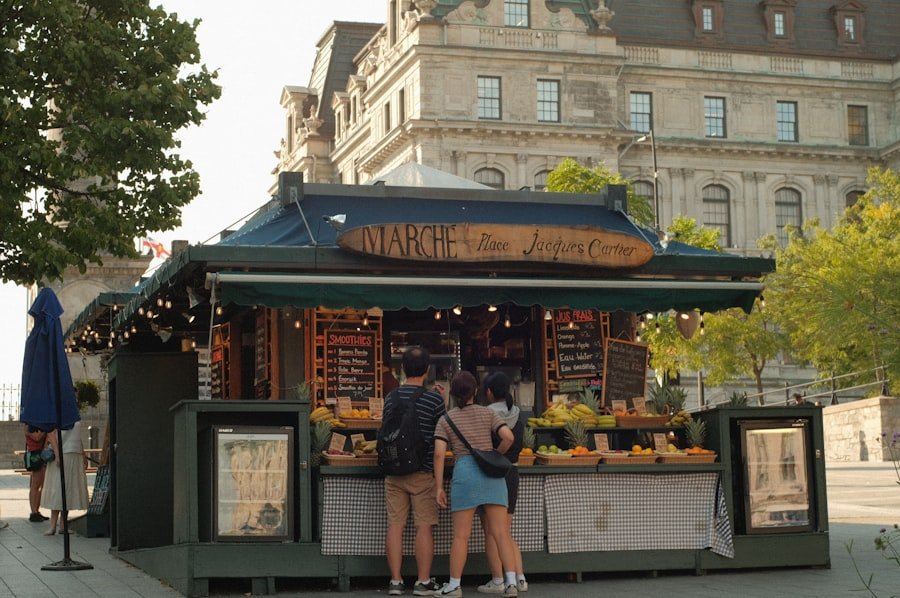
London has plenty of good-value food if you know where to look. Local neighbourhood spots and family-run restaurants often offer better portions and lower prices than tourist-heavy streets.
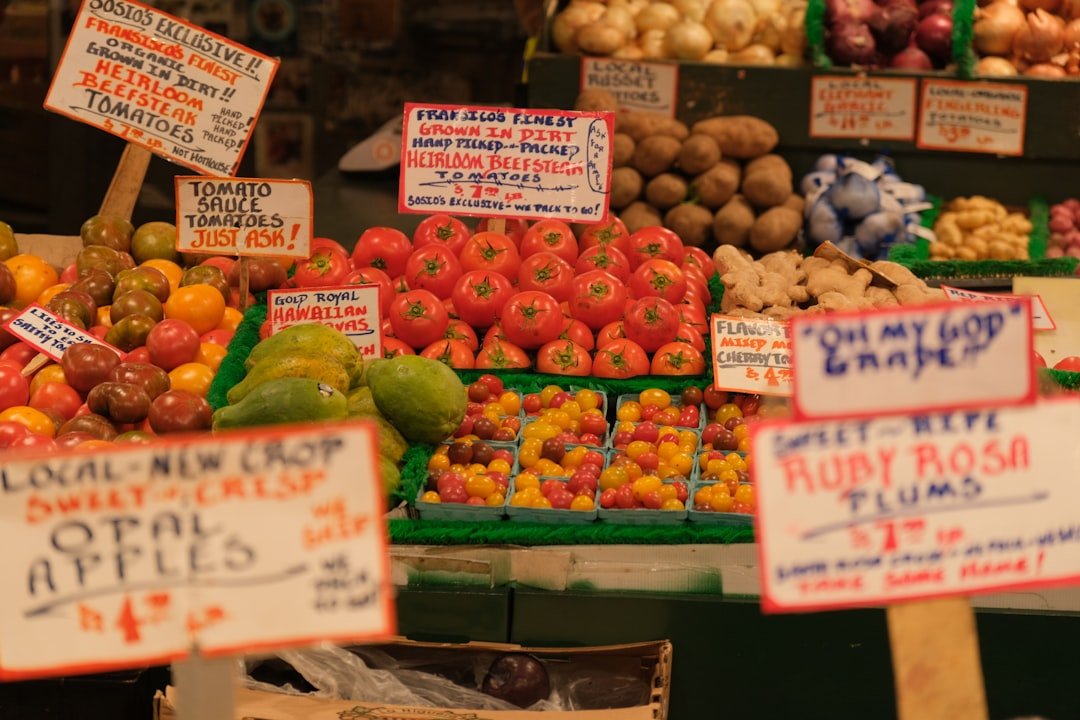
Food markets are another smart option. You can mix and match small plates from different stalls, which is great for groups. Markets can be busy at peak times, but they’re usually cheaper than a similar meal in a nearby sit-down restaurant.
Products Worth Considering


High-end dining options in London
At the top end, London’s fine-dining scene is one of the strongest in Europe. Examples include Alain Ducasse at The Dorchester, Core by Clare Smyth, and The Ledbury. Luxury hotel restaurants and Michelin-star venues often offer tasting menus, and the final bill rises quickly once wine pairings and extras are added. In London, Michelin-star tasting menus can range from under £100 at some restaurants to £300–£400+ at the very top end, before drinks.
If you want the experience for less, consider weekday lunch menus, early-evening seatings, and set-menu offers at upscale restaurants. You’ll often get the same kitchen and level of service at a lower price than the flagship dinner menu.
Products Worth Considering


Tips for saving money on food in London
Lunch is usually the best value meal of the day. Many restaurants run set menus at midday or discounted “express” options for office crowds.
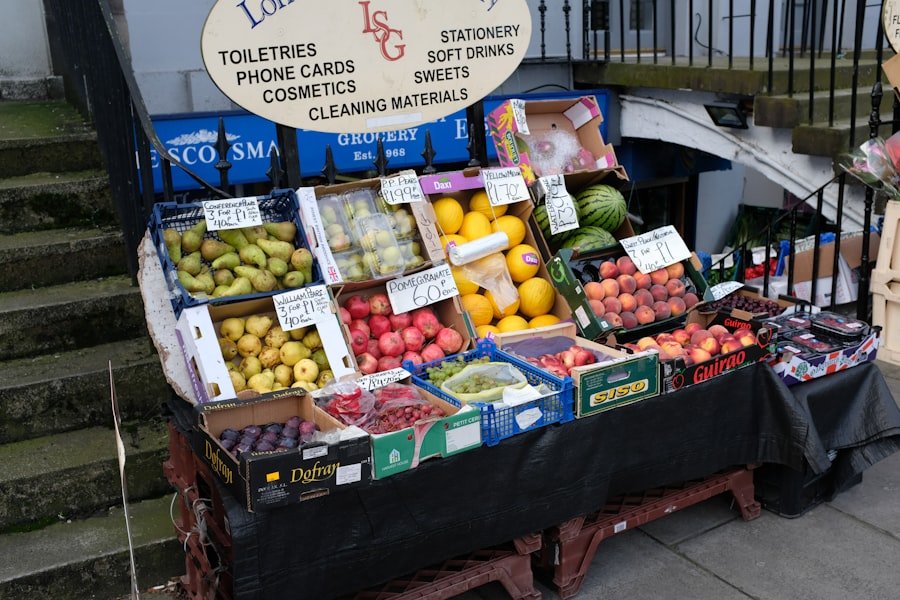
For quick, affordable meals, supermarkets often sell ready-to-eat sandwiches, salads, sushi, and hot food. These can be ideal for a park picnic or a budget-friendly dinner after a long day of sightseeing.
Products Worth Considering

One (1) 2.6-ounce pouch of Swanson Garlic and Herbs White Chunk Fully Cooked Chicken
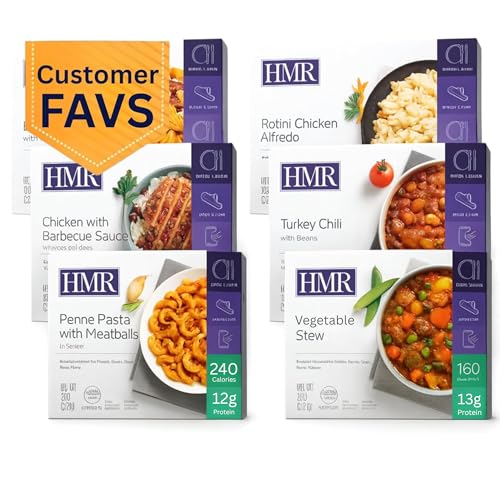
Ready to Eat Meals, No Refrigeration Needed: Stock your pantry with delicious prepared meals ready to eat whenever hunger hits. These shelf-stable entrées heat in 60–90 seconds and require zero refrigeration—perfect for work, travel, busy nights, or emergency backup.

UST STIR AND GO — READY-TO-EAT QUINOA MEALS ANYTIME Perfectly portioned quinoa cups ready in seconds — no cooking, water, or refrigeration needed. Enjoy a light yet satisfying meal for breakfast, lunch, snack, or dinner with the included spoon for true on-the-go convenience.
Understanding service charges and tipping in London
Many London restaurants add a service charge to the bill, commonly 12.5%–15%. If the bill already includes a service charge, you usually don’t need to add an extra tip unless you want to reward exceptional service. Under the UK’s Tipping Act, businesses must pass on qualifying tips and service charges to staff in a fair and transparent way.
If there is no service charge, a tip of around 10%–15% is common in restaurants. In pubs and bars, tipping is not expected, though some people leave small change.
Exploring London’s street food scene
London’s street food culture is a great way to sample different cuisines without committing to a full restaurant bill. South Bank, Shoreditch, and markets across the city regularly host food traders serving everything from classic British snacks to global comfort food.
Navigating food prices as a tourist in London
London can be expensive, but it doesn’t have to be. If you balance a few “treat meals” with street food, markets, and supermarket options, you can eat well and keep costs under control.
FAQs
What are typical food prices in London for tourists?
Many visitors spend around £20–£40 per person for a casual sit-down meal. Budget meals can be closer to £12–£25, while fine dining can be far higher.
Are there affordable dining options for tourists in London?
Yes. Food markets, neighbourhood restaurants, bakeries, and supermarket ready-to-eat options can all be great value.
What are some tips for saving money on food in London?
Eat your main meal at lunch, look for set menus, and use supermarkets for quick meals. Avoid tourist-trap streets right next to major attractions when you can.
How does tipping work in London restaurants?
Check whether a service charge has already been added. If it has, extra tipping is optional. If not, 10%–15% is common for good service.
How much is a pint of beer in London?
Prices vary by venue and area, but a pint in London often lands around £6–£8, especially in central neighbourhoods.
What are average grocery prices in London for tourists?
For a basic weekly shop for one adult, many travellers find they spend roughly £50–£70, depending on diet, store choice, and whether they shop at convenience stores or larger supermarkets.