Affiliate disclosure: This article contains Amazon affiliate links. If you purchase through these links, the site may earn a commission at no additional cost to you.
Standard Process Feline Cardiac Support is the more directly cardiac-focused option in this comparison. Life Extension Cat Mix is better viewed as a broad multinutrient supplement rather than a dedicated cardiac formula. Neither product is cat food, and neither should replace your cat’s veterinarian-approved primary diet or prescribed treatment.
A cat with diagnosed or suspected heart disease may have individual requirements for sodium, calories, medications, kidney function, taurine, and other nutrients. Show the product label to your veterinarian or veterinary cardiologist before adding a supplement, especially if your cat already takes heart medication.
| Standard Process Feline Cardiac Support Supplement (90 Tablets) | 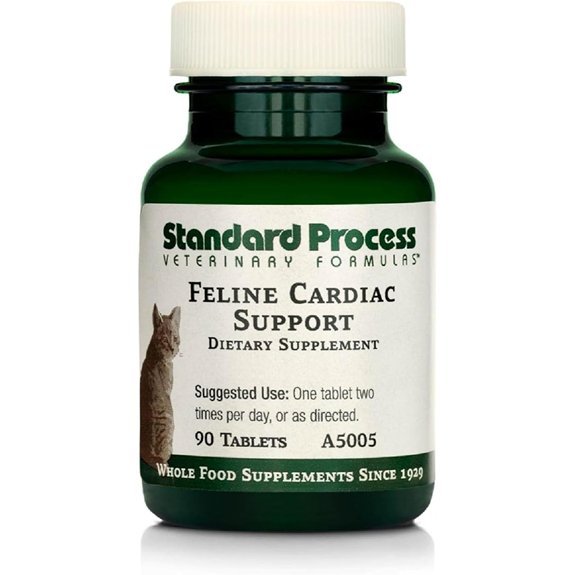 |
Cardiac Support Formula | Primary Use: Nutritional support for cardiac function | Product Type: Nutritional tablets | Best For: Cats whose veterinarian recommends cardiac nutritional support | CHECK PRODUCT DETAILS | Read Our Analysis |
| Life Extension Cat Mix | 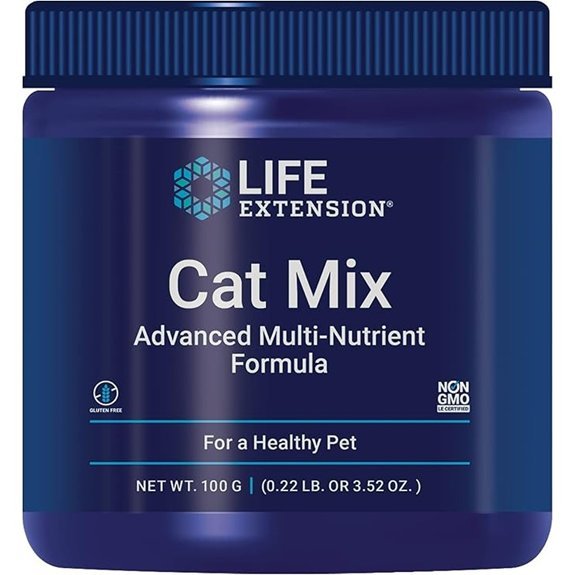 |
Broad Nutrition Support | Primary Use: General nutritional supplementation | Product Type: Powdered multinutrient mix | Best For: Cat owners discussing broad nutritional supplementation with their veterinarian | CHECK PRODUCT DETAILS | Read Our Analysis |
More Details on Our Top Picks
-
Standard Process Feline Cardiac Support Supplement (90 Tablets)
Standard Process Feline Cardiac Support is the most directly heart-focused product in this comparison. It is a nutritional supplement designed for cats needing general cardiac support or experiencing increased cardiac workload. The 90-tablet format can be useful for owners who prefer a measured tablet supplement that can be given directly or mixed with food.
The key limitation is equally important: this is not a complete cat food and should not be treated as a replacement for a veterinarian-selected diet, diagnostic testing, medication, or other cardiac care. Cats with heart disease may also have kidney concerns or take several medications, so supplement use should be coordinated with the veterinarian managing the condition.
Who should consider it: Owners whose veterinarian has recommended nutritional cardiac support and who want a tablet-based formula.
Who should avoid buying it without professional guidance: Owners trying to self-treat suspected heart disease or add several supplements to an existing medication plan without first discussing possible interactions and nutritional overlap with a veterinarian.
- Primary Use:General cardiac nutritional support
- Product Type:Dietary supplement
- Target Audience:Cats
- Formulation:Nutritional tablets
- Packaging:90 tablets
- Administration:Can be given whole, crushed, or mixed with food
- Suggested Use:One tablet twice daily or as directed
- Important Limitation:Does not replace complete nutrition or veterinary treatment
-
Life Extension Cat Mix
Life Extension Cat Mix is a broad multinutrient supplement rather than a dedicated cardiac diet. The formula includes nutrients such as taurine and L-arginine along with vitamins, antioxidants, and probiotics. That makes it more appropriate for owners looking for general nutritional supplementation than for someone seeking a product specifically formulated to manage heart disease.
The container provides approximately 85 servings, and the powder is designed to be mixed with food. Because it combines many nutrients in one product, it is important to compare the formula with your cat’s existing food, medications, and other supplements before use. More supplementation is not automatically better, particularly for a cat receiving treatment for a chronic condition.
Who should consider it: Owners who have discussed broad nutritional supplementation with their veterinarian and prefer a powder that can be mixed into food.
Who should avoid buying it as a heart-disease solution: Anyone looking for a replacement for a complete diet, prescription medication, or a veterinary cardiac treatment plan.
- Primary Use:Broad nutritional supplementation
- Product Type:Multinutrient supplement
- Target Audience:Cats
- Formulation:Powdered mix
- Packaging:Approximately 85 servings per container
- Notable Nutrients:Taurine and L-arginine
- Use Method:Mixed with food according to label directions
- Important Limitation:Not a complete food or cardiac treatment
Factors to Consider When Choosing Nutrition Support for Cats With Heart Disease
Choosing nutrition for a cat with heart disease is different from buying ordinary food or supplements for a healthy pet. The diagnosis, severity of disease, medications, body weight, kidney health, appetite, and current diet can all affect what is appropriate. Instead of relying on one marketing phrase such as “heart healthy,” consider the entire nutritional plan.
Start With a Complete and Balanced Base Diet
A supplement, treat, topper, or meal enhancer should not automatically become your cat’s primary food. The foundation of the diet should generally be a complete and balanced cat food selected for your cat’s life stage and medical needs unless a veterinarian has prescribed a different feeding plan.
This distinction matters because products intended only for supplemental or intermittent feeding may not provide all essential nutrients in the right proportions when used as the main diet. For a cat with an existing cardiac condition, creating a nutritional deficiency can complicate an already serious health problem.
Sodium Needs Depend on the Heart Condition
Sodium management can be important for cats with heart disease, but there is no single sodium target that is appropriate for every cat. The appropriate level can depend on the type and severity of heart disease and whether congestive heart failure or fluid retention is present.
Do not assume that a food is appropriate merely because it appears healthy, natural, grain-free, or marketed for seniors. Ask your veterinarian what sodium range is appropriate and remember that treats, supplements, table food, and foods used to give medication can also contribute sodium.
Taurine Is Essential, but Supplementation Should Have a Purpose
Taurine is an essential nutrient for cats and is closely associated with normal cardiac function. A taurine deficiency can contribute to dilated cardiomyopathy, which is one reason complete and balanced commercial cat foods are formulated to provide appropriate taurine.
However, that does not mean every cat with heart disease automatically needs an additional taurine supplement. If deficiency is suspected, a veterinarian may evaluate the cat’s diet and recommend testing or supplementation based on the individual case.
Supplements Are Not Substitutes for Treatment
A product that supports normal cardiac nutrition is not the same thing as a medication that treats heart failure, abnormal heart rhythm, blood-clot risk, or another diagnosed cardiac problem. Supplements should be viewed as possible additions to a veterinary plan rather than replacements for it.
This is especially important when a cat already takes medication. Adding several supplements without professional guidance can create unnecessary nutrient overlap and makes it harder to know which product is helping or causing a problem.
Omega-3 Fatty Acids Require the Right Context
Omega-3 fatty acids may be discussed as part of nutritional support for some animals with heart disease, particularly when maintaining appetite and body condition is a concern. However, an omega-3 claim on a treat or food package does not establish that the product contains an appropriate therapeutic amount for your cat.
If your veterinarian recommends fish oil or another omega-3 supplement, follow the recommended product and dose instead of trying to estimate an effective amount from ordinary treats.
Treats and Toppers Should Remain Supplemental
Treats and meal toppers can make food more appealing, which may be useful for a picky cat, but they should not crowd out a nutritionally complete diet. This is particularly important for cats with heart disease because maintaining adequate calorie and nutrient intake can become difficult when appetite falls.
If you use treats for medication or to encourage eating, include them when discussing your cat’s complete daily diet with the veterinarian.
Watch Appetite, Weight, and Hydration
A cat with heart disease needs enough nutrition to maintain an appropriate body condition. Pay attention to appetite, weight changes, muscle loss, water intake, and willingness to eat. A sudden or persistent decrease in appetite deserves veterinary attention rather than simply adding more toppers or supplements.
Wet food may contribute additional moisture to the diet, but the best food format still depends on what your cat will reliably eat and what fits the veterinarian’s nutritional recommendations.
Veterinary Guidance Comes First
The most useful nutrition plan is one matched to your cat’s specific diagnosis. Hypertrophic cardiomyopathy, dilated cardiomyopathy, restrictive cardiomyopathy, congestive heart failure, high blood pressure, and other cardiac problems do not necessarily have identical dietary requirements.
Bring a list or photographs of your cat’s current food, treats, supplements, and medications to veterinary appointments. This makes it easier to evaluate the entire diet rather than considering one product in isolation.
When comparing a new supplement, do not look only at the front-label claims. Check the complete ingredient list, directions, serving size, and whether the product is a complete food, treat, topper, or supplement. Then ask your veterinarian how it fits with everything else your cat consumes.
Frequently Asked Questions
How Can I Tell if My Cat Has Heart Disease?
Cats can hide heart disease until it becomes advanced, so symptoms are not always obvious. Rapid or labored breathing, open-mouth breathing, fainting, unusual weakness, reduced appetite, or sudden weakness or paralysis of a leg can be serious warning signs. Breathing difficulty, collapse, or sudden limb paralysis should be treated as an urgent veterinary problem.
Does Every Cat With Heart Disease Need Low-Sodium Food?
Not necessarily. The appropriate amount of sodium restriction depends on the type and severity of heart disease and whether problems such as fluid retention or congestive heart failure are present. Ask your veterinarian for a specific dietary recommendation instead of applying an extremely low-sodium diet on your own.
Does Every Cat With Heart Disease Need Extra Taurine?
No. Taurine is essential for cats, and a deficiency can contribute to dilated cardiomyopathy, but complete and balanced cat foods normally include taurine. Additional supplementation is most appropriate when a veterinarian identifies a reason for it, such as suspected or confirmed deficiency.
Can I Mix Dry and Wet Food for a Cat With Heart Disease?
You may be able to combine dry and wet food as long as the total diet remains nutritionally appropriate for your cat’s condition. The important factors are the complete nutritional profile, calorie intake, sodium target, and whether your cat reliably eats the combination. Ask your veterinarian if you are making a major diet change.
Can Heart-Health Supplements Replace My Cat’s Medication?
No. Nutritional supplements are not substitutes for medications prescribed to control heart failure, blood-clot risk, abnormal heart rhythms, blood pressure, or other cardiac problems. Do not stop, reduce, or replace prescribed medication with a supplement unless your veterinarian specifically instructs you to do so.
Can I Use More Than One Heart Supplement?
Using several supplements at once can duplicate nutrients and may complicate a cat’s medication or nutrition plan. Review every supplement with your veterinarian before combining products, particularly if your cat has kidney disease or takes several medications.
How Often Should I Feed a Cat With Heart Disease?
There is no universal feeding schedule that fits every cat with heart disease. The priority is usually to provide the recommended daily nutrition while maintaining appetite and an appropriate body condition. Your veterinarian may suggest meal size or feeding-frequency changes based on your cat’s appetite, medications, weight, and condition.
Final Recommendation
If you are comparing the two supplements in this article, Standard Process Feline Cardiac Support has the more specifically cardiac-focused purpose, while Life Extension Cat Mix is a broader nutritional supplement containing multiple nutrients, including taurine and L-arginine.
Neither option should be treated as a replacement for complete and balanced cat food or veterinary treatment. For a cat with diagnosed heart disease, the best buying decision is to first establish the appropriate primary diet and sodium target with your veterinarian, then determine whether a specific supplement adds a useful role without duplicating nutrients or interfering with the overall treatment plan.
“`