Kadikoy, officially written Kadıköy in Turkish, is one of Istanbul’s oldest continuously settled areas. Long before it became a ferry hub, market district, and cultural center, the wider area contained prehistoric communities and the ancient Greek city of Chalcedon. Roman, Byzantine, Ottoman, and republican history later added new layers to the district.
You can still read parts of that history through Kadikoy’s street plan, places of worship, railway buildings, markets, theaters, waterfront, and diverse neighborhoods. Ancient remains are harder to see because much of Chalcedon lies beneath the modern city, but its location and legacy continue to shape Kadikoy today.
Quick Answer
Kadikoy’s history begins with prehistoric settlement around Fikirtepe and continues through ancient Chalcedon, founded by Greek colonists around 685 BCE. It later passed through Persian, Roman, Byzantine, and Ottoman rule. The modern name is traditionally linked to an Ottoman judge, while ferries, railways, markets, and arts shaped the district you see today.
Key Takeaways
- Prehistoric settlement in the wider Kadikoy area existed thousands of years before the Greek city of Chalcedon.
- Megarian settlers traditionally founded Chalcedon around 685 BCE, before Byzantium developed across the water.
- The Council of Chalcedon in 451 CE made the city important in the history of Christianity.
- Ottoman control began before the conquest of Constantinople in 1453.
- The name Kadikoy is commonly explained as “village of the judge” and linked to Hızır Bey.
- Ferries, suburban growth, Haydarpasa Station, trams, markets, and cultural venues transformed Kadikoy during the 19th and 20th centuries.
- Modern Kadikoy remains a major center for transport, food, performance, books, music, public life, and waterfront recreation.
What’s in This Article
- Kadikoy History Timeline
- Early Settlement and Ancient History of Kadikoy
- Kadikoy During the Byzantine Empire
- Ottoman Rule and Development of Kadikoy
- Kadikoy in the 19th Century
- Kadikoy in the 20th Century
- Kadikoy in the Modern Era
- Cultural and Architectural Landmarks in Kadikoy
- Kadikoy’s Role in Contemporary Istanbul
- Frequently Asked Questions
- Conclusion
- Sources
Kadikoy History Timeline
| Prehistoric period | Communities lived around Fikirtepe and the wider Kadikoy area thousands of years before Chalcedon. |
| Around 685 BCE | Megarian colonists traditionally founded Chalcedon on the Asian side of the Bosporus. |
| Roman period | Chalcedon became part of the Roman world after centuries of regional conflict and changing alliances. |
| 451 CE | Church leaders gathered for the Council of Chalcedon. |
| 1352–1353 | The area around Chalcedon came largely under Ottoman control. |
| After 1453 | The settlement became more closely tied to the Ottoman capital, and the modern name Kadikoy gradually became established. |
| 19th century | Ferries, railways, municipal services, suburban homes, and new communities drove rapid urban growth. |
| 1930 | Kadikoy officially became a district. |
| Modern era | Kadikoy developed into a major transport, commercial, residential, and cultural center on Istanbul’s Asian side. |
Early Settlement and Ancient History of Kadikoy
Prehistoric Settlement Around Fikirtepe
Kadikoy’s human history began long before the founding of Chalcedon. Archaeological evidence from Fikirtepe points to settled communities that lived in the area thousands of years earlier. The term “Fikirtepe culture” is used for an important prehistoric settlement tradition in northwestern Anatolia.
These communities left pottery, tools, burial evidence, and other traces of daily life. Much of the ancient landscape has since been covered by modern construction, but archaeological discoveries show that the wider Kadikoy area was attractive well before written history.
The Kadikoy Municipality archaeology publication explains that the modern district contains both prehistoric remains and the site of ancient Chalcedon.
Founding of Chalcedon
Kadikoy was known in the ancient world as Kalkhedon or Chalcedon. According to traditional chronology, settlers from Megara founded the city around 685 BCE. This was roughly two decades before the traditional founding date of Byzantium across the water.
Chalcedon stood near routes linking the Black Sea, the Bosporus, the Sea of Marmara, and the Aegean. Its position supported maritime trade, fishing, movement between Europe and Asia, and regional military activity.
The Oxford Classical Dictionary describes Chalcedon as a Megarian colony founded on the Asian side of the Bosporus opposite Byzantium.
The “City of the Blind” Tradition
Ancient writers repeated a story that Chalcedon’s founders had failed to recognize the stronger natural harbor across the water. Byzantium’s later inhabitants supposedly called Chalcedon the “city of the blind” because its settlers had chosen the less favorable site.
Note: The “city of the blind” account is an ancient foundation story. It should not be treated as proof that Chalcedon lacked commercial or strategic value.
Changing Powers in the Ancient World
Chalcedon did not remain under one government. Its position exposed it to conflicts involving Persians, Athenians, Spartans, Macedonians, Bithynian rulers, and Romans. At different times, it paid tribute, joined alliances, faced attack, and changed political control.
The city eventually became part of the Roman world. Roman rule strengthened the wider network connecting Chalcedon with settlements across Bithynia and with the imperial city on the opposite shore.
Religion and Archaeology
Ancient Chalcedon contained temples and other religious sites. It became known for a sanctuary of Apollo, while later Christian communities built churches and developed a local bishopric.
Only limited ancient structures remain visible above ground today. Modern streets and buildings cover much of the ancient site between the Kadikoy waterfront and Moda. Archaeologists have instead relied on graves, pottery, scattered walls, construction finds, and other buried evidence.
Kadikoy During the Byzantine Empire
When Constantinople became the capital of the eastern Roman Empire, Chalcedon remained important as a nearby port and settlement on the Asian shore. Its location made it useful for transport, supply, religious activity, and military movement.
The city also suffered during wars directed at Constantinople. Persian forces occupied the area during the early seventh century, and later attacks damaged or removed parts of its built heritage. Some stones from older structures were reused in later construction.
The Council of Chalcedon
Chalcedon’s best-known Byzantine event was the Council of Chalcedon in 451 CE. Church leaders met to settle disputes about the nature of Christ and church authority. The council produced a doctrinal definition that became highly influential in Catholic, Eastern Orthodox, and many Protestant traditions.
The council also deepened divisions with churches that did not accept its definition. Those disagreements helped shape later Christian history in Egypt, Syria, Armenia, and other regions.
A detailed historical account is available through the Council of Chalcedon reference.
Note: The First Council of Constantinople met in Constantinople in 381 CE. The Council of Chalcedon was a separate gathering held in Chalcedon in 451 CE.
The council is traditionally associated with the basilica of St. Euphemia. The ancient church no longer survives as a complete standing monument, which is one reason visitors find fewer visible traces of Byzantine Chalcedon than they may expect.
Ottoman Rule and Development of Kadikoy
Ottoman Control Before 1453
Ottoman influence in the Chalcedon area began before the conquest of Constantinople. According to Kadikoy Municipality’s historical account, the surrounding area came largely under Ottoman control around 1352–1353.
The conquest of Constantinople in 1453 still marked an important change. Kadikoy became more closely connected to the new Ottoman capital and its growing population, administration, food supply, and transport network.
How Chalcedon Became Kadikoy
The most common explanation of the modern name connects it to Hızır Bey, an early Ottoman judge of Istanbul. The settlement is traditionally said to have been granted to him after the conquest.
In Turkish, kadı means judge and köy means village. Kadikoy can therefore be translated as “village of the judge.” Because the surviving accounts are partly traditional, this explanation is best presented as the accepted local story rather than a fully documented name change on one exact date.
Gardens, Meadows, Farms, and Summer Homes
Ottoman Kadikoy was much less densely built than the modern district. Gardens, farms, meadows, streams, coastal estates, and summer residences occupied large areas between the waterfront and Bostanci.
The district helped supply Istanbul with food and agricultural goods. Haydarpasa Meadow, Fenerbahce, Acibadem, Kosuyolu, and the areas around Kurbagalidere also served as recreation grounds or seasonal retreats.
Muslim, Greek Orthodox, Armenian, Jewish, and other residents contributed to the district’s trade, worship, crafts, food, and neighborhood life. Mosques, churches, synagogues, fountains, baths, homes, and gardens reflected this varied population.
Kadikoy in the 19th Century
Kadikoy changed rapidly during the 19th century. It had remained a small settlement and summer destination for long periods, but improved transport and Istanbul’s wider expansion encouraged permanent housing.
Steam ferries made travel between the Asian and European sides easier. New residential areas spread eastward, while merchants, civil servants, Levantines, and members of Istanbul’s Greek, Armenian, Jewish, and Muslim communities built homes in and around Kadikoy.
Yeldegirmeni and New Urban Neighborhoods
Yeldegirmeni developed as one of the district’s notable late Ottoman neighborhoods. Its apartment buildings, schools, religious buildings, and mixed population reflected Kadikoy’s growing connection to modern transport and commerce.
Fires, rebuilding, new street plans, and the arrival of railway workers also influenced its form. The neighborhood still contains buildings that show Kadikoy’s late Ottoman architectural diversity.
Municipal Government and Transport
Municipal organization in Kadikoy can be traced to reforms in 1869, when it became one of Istanbul’s municipal divisions. Local administration gradually took on a greater role in roads, sanitation, public buildings, and urban services.
Railway and port development around Haydarpasa gave the district a new regional role. Kadikoy was no longer simply a coastal market or summer settlement. It became a gateway between Istanbul and Anatolia.
Kadikoy in the 20th Century
The 20th century brought faster population growth, apartment construction, public transport, and commercial expansion. After the establishment of the Republic of Turkey in 1923, Kadikoy became one of the Asian side’s main residential and transport centers.
Electricity reached the district in 1928. Early tram services began operating in the area in 1929, connecting growing neighborhoods more closely with ferry and commercial centers. Kadikoy officially became a district on September 1, 1930.
Housing and Urban Expansion
Apartment buildings gradually replaced many wooden houses, gardens, and seasonal residences. Development spread through Kiziltoprak, Goztepe, Erenkoy, Caddebostan, Suadiye, and other neighborhoods toward Bostanci.
Roads, buses, ferries, trams, and railway services allowed more residents to commute between Kadikoy and other parts of Istanbul. Public squares and shopping streets became increasingly crowded as the city’s population grew.
Social and Demographic Change
Kadikoy’s population also changed during the political and demographic upheavals that affected Istanbul’s non-Muslim communities in the 20th century. Discriminatory policies, the attacks of September 1955, later expulsions, and emigration reduced many Greek, Armenian, and Jewish communities across the city.
Churches, synagogues, schools, apartment buildings, businesses, and family histories still preserve evidence of these communities. A complete history of Kadikoy should recognize both the district’s multicultural heritage and the losses that changed it.
Growth of Cultural Life
Cinemas, theaters, bookshops, cafés, sports clubs, newspapers, and music venues became part of Kadikoy’s identity. The district developed a reputation for education, debate, performance, and civic activity.
Süreyya Paşa’s theater and cinema building, completed in 1927, became one of the district’s most important republican-era cultural landmarks. It later underwent restoration and now operates as Süreyya Opera.
Kadikoy in the Modern Era
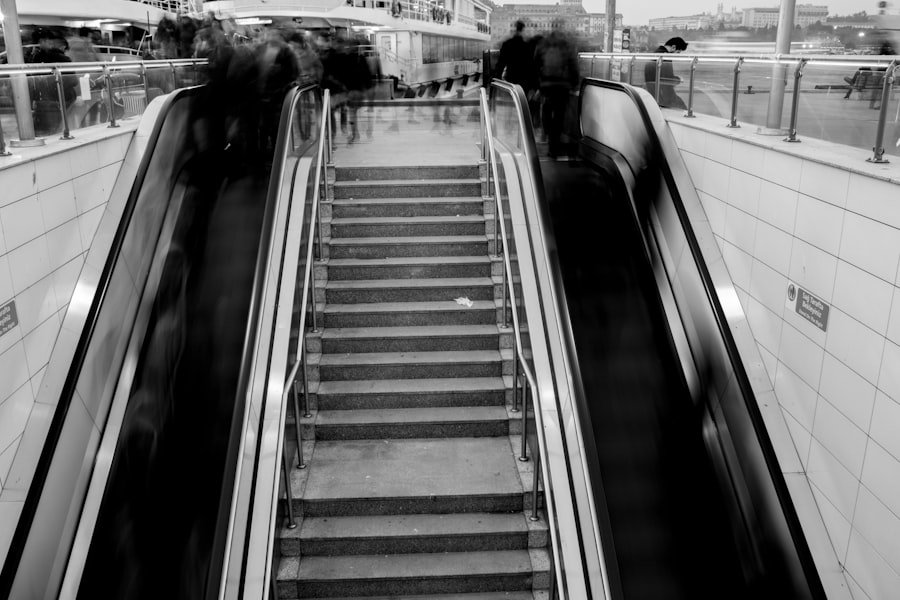
Modern Kadikoy attracts residents, students, artists, families, workers, and travelers. Busy shopping streets sit close to quieter residential lanes, parks, market streets, performance spaces, and the Sea of Marmara waterfront.
Neighborhoods such as Moda, Caferaga, Rasimpasa, Yeldegirmeni, Fenerbahce, and Caddebostan each show a different side of the district. Some are known for historic apartment buildings and older places of worship. Others are associated with cafés, parks, bookstores, restaurants, street art, or coastal walks.
Urban renewal has replaced many older buildings and raised concerns about earthquake safety, rents, density, and the survival of small local businesses. These changes continue the long tension between growth and preservation that has shaped Kadikoy since the 19th century.
Public discussion around parks, shorelines, railway land, historic buildings, pedestrian streets, and cultural venues also shows the strength of local civic life.
Cultural and Architectural Landmarks in Kadikoy
Haydarpasa Train Station
Haydarpasa Train Station is one of the best-known buildings near the Kadikoy waterfront. Built in 1908, it became a major departure and arrival point for railway journeys between Istanbul and Anatolia.
Its waterfront position, monumental facade, and connection to the port made it a symbol of late Ottoman transport development. The Turkish Ministry of Culture and Tourism identifies the station as an important early 20th-century Istanbul landmark.
The Kadikoy Bull
The Bull Statue, commonly called the Kadikoy Bull or Boga Heykeli, stands near Altiyol. It is one of the district’s best-known meeting points and a practical landmark for people entering the Bahariye and market areas.
Its importance now comes as much from daily use as from its artistic history. Friends meet there, directions begin there, and crowds gather around it throughout the day.
Places of Worship
Osman Aga Mosque and other neighborhood mosques reflect Kadikoy’s Ottoman history. Greek Orthodox and Armenian churches, synagogues, Catholic buildings, and religious schools preserve evidence of the district’s diverse communities.
These buildings should be viewed as parts of living communities, not only as tourist sights. Visitors should follow posted access rules and avoid disturbing services.
Süreyya Opera
Süreyya Opera began as a theater, cinema, and social venue commissioned by Süreyya Ilmen Paşa. The building was completed in 1927 and served mainly as a cinema for many years.
After restoration, it reopened as an opera venue and became an important performance center on Istanbul’s Asian side. Its official history is available from Kadikoy Municipality’s Süreyya Opera.
Markets, Books, Music, and Street Art
Kadikoy’s heritage is not limited to monumental buildings. Fishmongers, bakeries, cheese shops, produce sellers, bookstores, passages, theaters, record shops, murals, and music venues all contribute to the district’s identity.
Street art is especially visible around Yeldegirmeni and other central neighborhoods. Modern murals beside late Ottoman and republican buildings show how Kadikoy continues to add new layers to its streets.
Kadikoy’s Role in Contemporary Istanbul
Kadikoy is more than a visitor destination. It is a major local center where people commute, study, shop, attend performances, eat, meet friends, and spend time by the water.
Its ferry connections remain central to the district’s identity. Arriving by water also gives visitors a clear view of how Kadikoy faces the historic peninsula and the wider Sea of Marmara.
The market area continues Kadikoy’s long commercial tradition. Fish, cheese, olives, spices, bread, desserts, flowers, books, clothing, and household goods fill the streets near the waterfront.
The district’s cafés, theaters, bars, restaurants, bookstores, and music spaces support an active day and evening culture. Moda and the waterfront provide a calmer contrast, with parks, walking routes, and views toward the European side.
For a short historical visit, you can arrive by ferry, walk through the market, continue toward Altiyol and Bahariye, view Süreyya Opera, and then walk toward Moda. This route will not reveal ancient ruins at every turn, but it shows how trade, transport, architecture, and public life have shaped Kadikoy over time.
Frequently Asked Questions
What is the history of Kadikoy?
Kadikoy’s history includes prehistoric settlement around Fikirtepe, the Greek city of Chalcedon, Roman and Byzantine rule, gradual Ottoman control, and rapid urban growth during the 19th and 20th centuries.
When was ancient Chalcedon founded?
Traditional chronologies place the Megarian foundation of Chalcedon around 685 BCE. Ancient foundation dates can vary slightly between sources, so the date is best treated as approximate.
Why is Kadikoy called Kadikoy?
The name is commonly translated as “village of the judge.” Local tradition connects it to Hızır Bey, an early Ottoman judge of Istanbul who is said to have received the settlement after the 1453 conquest.
What happened at the Council of Chalcedon?
Church leaders met in Chalcedon in 451 CE to address disputes about Christian doctrine and church authority. The council’s definition became influential in several major Christian traditions, while other churches rejected it.
Can you still see ancient Chalcedon in Kadikoy?
Very little of ancient Chalcedon survives as complete above-ground ruins. The modern district covers much of the ancient site, so evidence usually appears through archaeological excavations, graves, pottery, wall fragments, and construction discoveries.
How did Ottoman rule change Kadikoy?
Ottoman rule tied Kadikoy more closely to the capital’s food supply, recreation areas, administration, and transport. Mosques, fountains, baths, gardens, estates, markets, and mixed residential communities developed over time.
Is Kadikoy worth visiting for its history?
Yes. Although its ancient remains are not as visible as those on Istanbul’s historic peninsula, Kadikoy offers late Ottoman neighborhoods, religious buildings, Haydarpasa Station, Süreyya Opera, historic markets, ferry culture, and republican-era streets.
Conclusion
Kadikoy’s history is not limited to one empire or one community. Prehistoric Fikirtepe, ancient Chalcedon, Byzantine religious history, Ottoman gardens and neighborhoods, railway expansion, republican urban growth, and modern cultural life all form part of the same story.
You understand Kadikoy best by looking for these layers together. Arrive by ferry, explore the market streets, notice the mosques, churches, apartments, theaters, railway buildings, and public squares, then finish by the waterfront. The ancient city may be mostly underground, but its position between land and sea still shapes daily life.
Sources
- Kadikoy Municipality: History of Kadikoy — prehistoric settlement, Ottoman development, municipal history, district status, electricity, and tram milestones
- Kadikoy Archaeology: From Prehistory to the Middle Ages — Fikirtepe culture and the archaeological setting of Chalcedon
- Oxford Classical Dictionary: Chalcedon — Megarian foundation, approximate date, ancient location, and the “city of the blind” tradition
- Council of Chalcedon — date, purpose, participants, and historical significance of the 451 CE council
- Turkish Ministry of Culture and Tourism: Istanbul — Haydarpasa Station and its place in Istanbul’s transport history
- Kadikoy Municipality: Süreyya Opera — history and restoration of the 1927 cultural building