The Blue Mosque, formally the Sultan Ahmed Mosque, is one of Istanbul’s most visited working mosques. These Blue Mosque visiting tips explain when tourists can enter, what to wear, how to behave, what to look for inside, and how to plan the rest of your time in Sultanahmet without disrupting worship.
Quick Answer
Blue Mosque entry is free, but it is an active mosque, so sightseeing pauses around the five daily prayers and for longer on Friday. Dress modestly, women should cover their hair, and everyone removes shoes before stepping onto the carpet. Aim for the early visitor period and allow about 30–45 minutes.
Last checked: October 1, 2026. Dates and figures were verified against official sources.
Key Takeaways
- The Sultan Ahmed Mosque was commissioned by Sultan Ahmed I and built in the early 17th century by architect Sedefkâr Mehmed Ağa.
- Its six minarets and extensive İznik tile decoration are two of its defining architectural features.
- Prayer times change every day, so sightseeing windows also shift rather than following one uninterrupted opening period.
- The T1 Kabataş–Bağcılar tram stops at Sultanahmet, making rail transport one of the simplest ways to reach the mosque.
- The mosque stands within Istanbul’s UNESCO-listed historic areas, close to Hagia Sophia, the Hippodrome, Topkapı Palace, and the Basilica Cistern.
Why the Blue Mosque Is Worth Visiting
The Blue Mosque combines an active religious role with some of Istanbul’s best-known Ottoman architecture. It was commissioned by Sultan Ahmed I and built from 1609 to 1616 under architect Sedefkâr Mehmed Ağa, according to the Türkiye Ministry of Culture and Tourism’s Sultanahmet Mosque record.
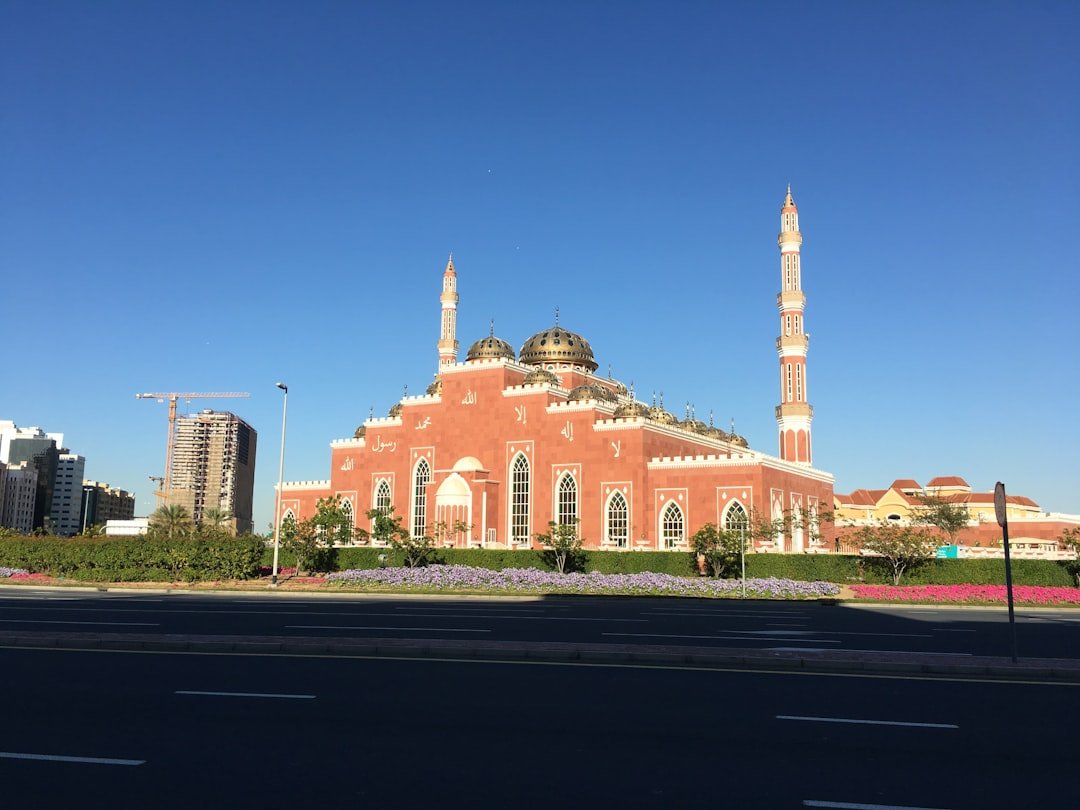
Its popular English name comes from the blue, green, and white tile decoration inside. The mosque also has six minarets and a large central dome that rises about 43 metres, making its silhouette easy to recognize from across Sultanahmet.
The interior contains extensive İznik tilework, floral motifs, calligraphy, stained-glass windows, a marble mihrab, and a broad carpeted prayer hall. Current tourism information from GoTürkiye describes more than 20,000 İznik tiles decorating the mosque.
The building is part of the wider historic landscape protected within the UNESCO Historic Areas of Istanbul, inscribed on the World Heritage List in 1985. A major restoration that began in 2018 was completed, and Türkiye’s Culture Ministry reported in 2026 that the Sultanahmet restoration work had finished.
Blue Mosque Visiting Tips: Dress Code and Etiquette
The most important rule is to remember that the Blue Mosque is still a functioning place of worship. Visitors are welcome, but clothing and behavior should respect people who are there to pray.
What should women wear?
Women should cover their shoulders, knees, and hair before entering the prayer hall. A long skirt, loose trousers, or a long dress with a modest top works well.
Current Sultanahmet visitor information states that scarves are available at the entrance when needed. Bringing your own light scarf can still make entry quicker during busy periods.
What should men wear?
Men should also keep their shoulders and knees covered. Long trousers and a T-shirt or shirt with sleeves are suitable, while very short shorts and sleeveless tops may require additional covering.
Do you remove your shoes?
Yes. Remove your shoes before stepping onto the carpeted prayer area. Follow the entrance signs and staff instructions about where to leave or carry them.
Keep your voice low once inside. Avoid walking directly in front of somebody who is praying, do not enter roped-off worship areas, and silence your phone before entering.
Best Times to Visit
)
For sightseeing, the easiest time is generally early in the morning after visitor access begins and before the busiest middle part of the day. Friday requires extra care because the congregational Jumu’ah prayer creates a longer interruption to tourist access.
Current visitor information lists daytime visiting from 08:30 to 19:00, with tourist access stopping before prayer and resuming afterward. Because Islamic prayer times change daily, use the official Diyanet Istanbul prayer timetable for the date of your visit.
For reference, Diyanet published the following times for Istanbul on October 1, 2026. These are prayer-related times, not guaranteed tourist-entry times.
| Diyanet timetable | October 1, 2026 |
|---|---|
| Imsak | 05:29 |
| Sunrise | 06:53 |
| Dhuhr | 12:59 |
| Asr | 16:16 |
| Maghrib | 18:55 |
| Isha | 20:14 |
Do not plan a sightseeing visit immediately before a prayer. Current visitor guidance says tourist entry can stop about 45 minutes beforehand and resume about 30 minutes afterward. On Fridays, avoid late morning through the congregational prayer period if your goal is sightseeing rather than worship.
Pro Tip: Arriving near the start of the morning visitor period gives you more time before the midday prayer closure and often makes the dress and shoe-entry process easier.
Navigating the Mosque Layout
| Area | What to Look For |
|---|---|
| Main Prayer Hall | Central dome, İznik tilework, calligraphy, carpeted prayer space, and the mihrab |
| Courtyard | Arcaded walkways, the fountain, domes, and views toward the minarets |
| Visitor Area | Marked or separated sightseeing space that keeps visitors away from active prayer areas |
| Exterior | Six minarets and the layered arrangement of the central dome and surrounding semi-domes |
The prayer hall is organized around the qibla wall, which faces the direction of Mecca. The mihrab is the recessed niche marking that direction, while the minbar is the raised pulpit used for sermons.
Look upward as well as across the room. The dome, semi-domes, calligraphy, windows, and tile panels were designed as one visual composition, while the four massive supporting piers carry the main dome above the prayer space.
Outside, the mosque’s six minarets are easier to appreciate from Sultanahmet Square and the former Hippodrome area. The courtyard also gives you a clearer view of the domes without interfering with worshippers inside.
Photography Guidelines
Photography is generally permitted in visitor areas, but it should never interrupt prayer. Keep the flash off, avoid photographing worshippers without permission, and follow any temporary signs or instructions from mosque staff.
The safest subjects are the architecture itself: tile panels, calligraphy, domes, windows, arches, chandeliers, courtyard details, and exterior views. If a prayer begins or staff start clearing the visitor area, put the camera away and follow their directions rather than trying to finish a shot.
A phone is usually easier to use discreetly than bulky equipment. Avoid standing in doorways or blocking the marked visitor route while composing photographs.
Guided Tours and Audio Guides
)
A guide is useful if you want to understand the mosque rather than simply look around it. The most helpful explanations cover Sultan Ahmed I, Sedefkâr Mehmed Ağa, İznik ceramics, the six minarets, the qibla, the mihrab, Ottoman mosque design, and the relationship between the Blue Mosque and nearby Hagia Sophia.
Current visitor information does not describe a regular mosque-operated guided-tour program. Licensed private guides and organized Istanbul tours commonly include Sultanahmet, but sightseeing groups must still work around prayer closures.
The original version of this guide also stated that audio guides were available. I could not confirm a current official mosque audio-guide service from government visitor information, so it is better not to depend on finding one at the entrance.
If you visit without a guide, spend a few minutes in the courtyard before entering. Understanding the exterior arrangement first makes the dome, supporting piers, prayer hall, and decorative program much easier to follow once you are inside.
Nearby Attractions and Amenities
The Blue Mosque sits in one of Istanbul’s densest sightseeing areas, so you can combine it with several major sites on foot. Hagia Sophia stands across Sultanahmet Square, while the ancient Hippodrome monuments are immediately beside the mosque.
Hagia Sophia
Hagia Sophia is directly opposite the Blue Mosque. It is also an active mosque, but tourist circulation differs from the Blue Mosque. Türkiye’s Culture Ministry introduced a separate tourist gallery route at Hagia Sophia in 2024 so visitors could see the building without disrupting worship on the main prayer floor.
Topkapı Palace
Topkapı Palace is another logical stop in the historic peninsula. Current Milli Saraylar visitor information for Topkapı Palace lists the ticket office from 09:00 to 17:00 and Tuesday as its regular closed day.
Hippodrome and Sultanahmet Square
The former Hippodrome is the easiest attraction to combine with the mosque because it is outdoors and immediately adjacent. The Obelisk of Theodosius, Serpent Column, Walled Obelisk, and German Fountain make the square worth exploring even if you have limited time.
Basilica Cistern
The Basilica Cistern is also within the Sultanahmet sightseeing area. Its underground columns, vaulted spaces, and water make it a strong contrast to the open courtyards and bright interiors of the mosque complex.
How to get to the Blue Mosque
The T1 tram is one of the simplest approaches from central Istanbul. The official Metro Istanbul T1 Kabataş–Bağcılar line includes Sultanahmet station, as well as useful stops such as Eminönü, Sirkeci, Gülhane, Beyazıt-Kapalıçarşı, Karaköy, and Kabataş.
From the Sultanahmet tram stop, continue into the pedestrian sightseeing area and follow signs toward Sultanahmet Camii. Traffic in the historic peninsula can be slow, so the tram is often more practical than approaching the square by car.
Cultural Sensitivity and Respect
The simplest approach is to treat the mosque as a place of worship first and an attraction second. Visitors who keep their voices low, follow the dress rules, respect prayer areas, and respond promptly to staff instructions are unlikely to have problems.
Do not walk directly in front of people who are praying. Avoid sitting or standing in spaces reserved for worshippers, and keep children close enough that they do not run through the prayer area.
Ramadan and major religious occasions can make the mosque and Sultanahmet Square much busier, especially around congregational prayers. During these periods, give worshippers priority and expect visitor access to be more restricted than on an ordinary weekday.
The Blue Mosque also underwent a long restoration beginning in 2018. Türkiye’s Ministry of Culture and Tourism reported in 2026 that restoration work at Sultanahmet had been completed, while conservation work continued at neighboring Hagia Sophia.
If you are also browsing Tagline Today’s food content, the existing links from this post include a guide to Asian melon and a homemade cottage cheese recipe.
Frequently Asked Questions
What are the visiting hours for the Blue Mosque?
The Blue Mosque is generally open to sightseers during daytime outside prayer times. Current visitor information lists 08:30–19:00, with tourist access pausing before and after the five daily prayers and a longer Friday Jumu’ah closure. Prayer times change daily, so use Istanbul’s prayer schedule for the date you visit.
Is there an entrance fee to visit the Blue Mosque?
No, ordinary entry to the Blue Mosque is free. It remains an active mosque rather than a conventional ticketed museum, although tourist access is controlled around prayer times and visitors must follow the mosque’s clothing and conduct rules.
What is the dress code for visiting the Blue Mosque?
Visitors should wear modest clothing that covers the shoulders and knees. Women should also cover their hair before entering the prayer hall, and all visitors remove their shoes before stepping onto the carpeted area.
Are there specific rules or etiquette inside the Blue Mosque?
Yes. Keep your voice low, silence your phone, stay within visitor areas, avoid walking directly in front of people who are praying, and follow staff instructions. Photography should also be discreet, without flash or intrusive pictures of worshippers.
Can non-Muslims visit the Blue Mosque during prayer times?
Non-Muslim sightseeing normally pauses during prayer times so worshippers can use the mosque without disruption. Visitors should wait until the tourist area reopens rather than attempting to enter through worshipper access during a prayer.
Is there a specific area for tourists inside the Blue Mosque?
Yes, tourists are normally directed through designated visitor areas rather than being given unrestricted access to the full prayer space. Follow ropes, signs, and staff directions so worship areas remain clear.
How long should you spend at the Blue Mosque?
About 30–45 minutes is enough for most first-time visitors to see the courtyard, enter the visitor section, study the tilework and dome, and take respectful photographs. Allow extra time if there is an entrance queue or a prayer closure begins while you are there.
Is the Blue Mosque accessible to wheelchair users?
Current visitor information states that accessible entry is available for wheelchair users and visitors with limited mobility. Ask mosque staff to direct you to the appropriate entrance because the normal tourist flow and temporary crowd-control barriers may affect the easiest route.
Sources
- Türkiye Ministry of Culture and Tourism: construction dates, architect, minarets, dome, and architectural details.
- GoTürkiye: Blue Mosque architecture, İznik tiles, and active religious use.
- Sultanahmet Mosque Visitor Information: current visitor hours, dress requirements, shoe removal, prayer closures, and accessibility guidance.
- Diyanet İşleri Başkanlığı: official Istanbul prayer timetable for October 2026.
- Metro Istanbul: T1 Kabataş–Bağcılar tram route and Sultanahmet station.
- UNESCO World Heritage Centre: Historic Areas of Istanbul inscription and Sultanahmet context.
- Milli Saraylar: Topkapı Palace visitor hours and Tuesday closure.
- Türkiye Ministry of Culture and Tourism restoration update: completion status of restoration work at Sultanahmet Mosque in 2026.