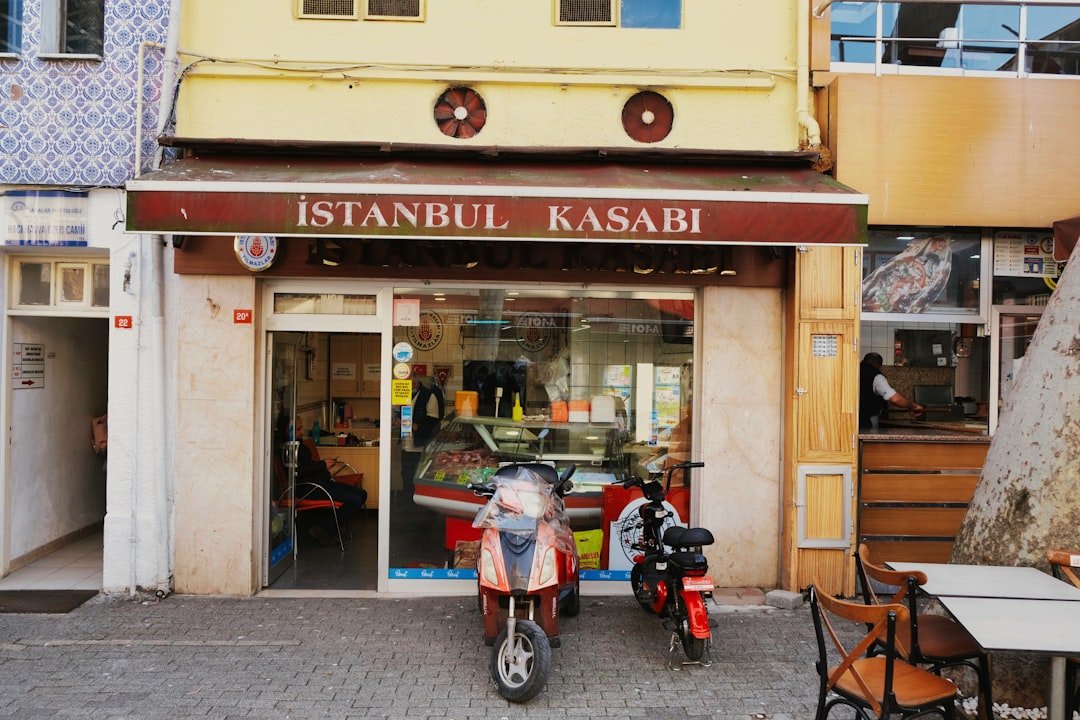
Istanbul halal restaurants range from traditional kebab houses and neighborhood lokantas to modern restaurants and upscale dining rooms. Turkish cuisine offers many dishes that can fit a halal diet, but travelers with strict requirements should still verify meat sourcing, alcohol used in cooking, and current certification rather than assuming every restaurant follows the same standard.
Quick Answer
If you need Istanbul halal restaurants, start with traditional Turkish lokantas, kebab houses, pide shops, bakeries, and seafood restaurants, then verify what “halal” means at each venue. Look for current certification or ask about meat sourcing, alcohol used in cooking, and cross-contact. Fine-dining venues need extra checking because some serve or cook with alcohol.
Key Takeaways
- Traditional Turkish dishes such as kebab, köfte, lentil soup, pide, börek, pilaf, and many vegetable dishes give halal-conscious travelers plenty of choice.
- A restaurant serving Turkish food is not automatically the same as a currently halal-certified restaurant.
- Simit, döner, börek, chestnuts, balık ekmek, and midye dolma are among Istanbul’s best-known street foods, but meat and mixed toppings still deserve checking.
- Modern and fine-dining restaurants may serve wine, cocktails, or dishes prepared with alcohol, so verify individual menu items before ordering.
- For strict observance, ask to see the restaurant’s current halal certificate and check the certifying body as well as the certificate’s scope.
Traditional Turkish Halal Cuisine
Traditional Turkish cooking gives halal-conscious diners a broad starting point. Kebabs, köfte, soups, pilafs, vegetable dishes, breads, and yogurt-based foods are widely available, but the safest approach is to verify meat and preparation whenever your dietary standard requires formal halal compliance.
How to Verify Halal Practices
A halal claim involves more than simply avoiding pork. Depending on your requirements, you may also need to confirm how meat was slaughtered, whether alcohol is used in marinades or sauces, and whether ingredients or preparation areas create concerns for you.
Türkiye’s Halal Accreditation Agency, or HAK, publishes a list of accredited halal conformity assessment bodies. The list includes organizations accredited for food and food-service-related scopes under OIC/SMIIC standards. If a restaurant displays a certificate, check the certifier, validity, business name, and what the certificate actually covers.
An alcohol-free restaurant and a halal-certified restaurant are not automatically the same thing. Likewise, the presence of alcohol on a restaurant’s drinks menu does not by itself tell you how its meat was sourced. If either point matters to you, ask separately.
Iconic Turkish Dishes and Flavors
Turkish cuisine commonly features lamb, beef, chicken, vegetables, legumes, yogurt, olive oil, grains, herbs, and spices. The official GoTürkiye guide to Turkish cuisine highlights kebab, pide, börek, dolma, sarma, meze, baklava, Turkish coffee, ayran, and many other staples.
Döner is prepared on a vertical rotisserie and may be made with lamb, beef, chicken, or a combination. Köfte covers many styles of seasoned meatballs, while pide is a boat-shaped flatbread that can carry meat, cheese, or vegetable toppings.
Meze is a group of small dishes rather than one recipe. Common examples include cacık, fava, haydari, eggplant dishes, stuffed vegetables, and olive-oil preparations. Because meze can also be served alongside rakı in some restaurants, the style of restaurant matters if you prefer an alcohol-free environment.
Communal Dining and Simple, Flavorful Meals
Sharing food is a central part of many Turkish meals. A table may combine bread, soup, salad, meze, grilled meat, rice, and yogurt so everyone can try several flavors without ordering a separate large dish for each person.
Mercimek çorbası, or lentil soup, is a useful meat-free choice. Rice or bulgur pilaf, beans, olive-oil vegetables, salads, and cheese-based dishes can also make a satisfying meal when you want to avoid uncertain meat.
Modern Halal Dining in Istanbul
)
Istanbul’s modern restaurant scene combines Turkish ingredients with contemporary cooking techniques and international influences. This creates exciting choices, but it also makes verification more important because upscale menus may include wine, spirits, alcohol-based sauces, imported ingredients, or mixed beverage programs.
Mikla is a good example of why a famous Turkish restaurant should not automatically be labeled a halal restaurant. Its current official menu includes a wine list, cocktails, red wine and rakı-marinated tenderloin, wine reductions, and other alcohol-related items. Halal-conscious diners should therefore discuss individual dishes and preparation directly with the restaurant before booking.
Nusr-Et is another restaurant frequently mentioned in discussions of Istanbul dining. Its official Grand Bazaar branch page lists steaks and other meat dishes, but the page does not state that the branch is halal-certified. If certification is essential to you, ask the branch for current documentation rather than relying on older travel articles or social-media claims.
360 Istanbul offers dinner, sushi, a beverage menu, and late-night club hours on its official website. That makes it another venue where halal-conscious travelers should confirm both ingredients and the dining environment before deciding whether it fits their requirements.
Pro Tip: Ask three separate questions when necessary: “Is the meat halal?”, “Is alcohol used in this dish?”, and “Do you have a current halal certificate?” These questions address different issues and produce a clearer answer than simply asking whether the restaurant is halal.
Halal Street Food and Snacks
| Food Item | What It Is | Main Halal Check | Good to Know |
|---|---|---|---|
| Simit | Sesame-covered bread ring | Usually straightforward; check additions or fillings if present | Common at bakeries and street carts |
| Döner | Rotisserie lamb, beef, chicken, or mixed meat | Confirm the meat source if certification matters | Served in bread, wraps, or on a plate |
| Börek | Flaky pastry with cheese, spinach, potato, or meat | Check meat-filled versions | Vegetarian fillings are widely available |
| Midye Dolma | Mussels stuffed with seasoned rice | Follow your own dietary interpretation for shellfish | Usually finished with fresh lemon |
Istanbul has a strong street-food culture. The official GoTürkiye street-food guide lists döner, simit, stuffed mussels, roasted chestnuts, kumpir, balık ekmek, börek, and chicken with rice among the city’s familiar foods.
Simit is one of the easiest snacks to recognize: a crisp bread ring coated with sesame seeds. It is sold from bakeries, restaurants, and the familiar street carts seen around busy districts.
Döner is more substantial. Because it contains meat, travelers who require verified halal slaughter should ask about the supplier rather than assuming every döner stand has formal certification.
Börek can be filled with cheese, spinach, potato, or minced meat. Cheese and vegetable versions offer a practical alternative when you do not want to investigate meat sourcing at every snack stop.
Midye dolma combines mussels with seasoned rice, onion, spices, and lemon. Seafood rules differ among Islamic schools and personal practice, so travelers who avoid particular shellfish should apply their own standard.
Other easy street-food choices include roasted chestnuts and balık ekmek, the grilled fish sandwich associated with Istanbul’s waterfront. Kumpir can also work well because you choose the toppings yourself, making it easier to avoid uncertain meat products.
Halal Fine Dining and Gourmet Experiences
Fine dining requires the most careful checking because a sophisticated menu may combine otherwise acceptable meat or seafood with wine reductions, spirits, marinades, or sauces containing alcohol. A restaurant’s reputation, Turkish menu, or luxury setting is not proof of halal certification.
Sunset Grill & Bar, for example, was presented in the original article as a halal fine-dining choice. However, the current MICHELIN Guide listing for Sunset Grill & Bar specifically notes its wine list. Travelers seeking an alcohol-free restaurant should therefore not treat it as a verified option without further checking.
Deraliye in Sultanahmet is known for Ottoman-style dishes, including meze, grilled foods, kebabs, stews, and other recipes inspired by Ottoman cuisine. If you are interested in this type of special-occasion meal, confirm its current meat sourcing and alcohol policy directly before your visit.
Meşhur Sultanahmet Köftecisi offers a simpler traditional alternative in the Old City. Its current official menu centers on köfte, şiş kebab, chicken şiş, soup, rice, piyaz, yogurt, desserts, ayran, soft drinks, and other non-alcoholic drinks. The published menu is useful for screening choices, although diners who need formal halal certification should still ask for current documentation.
What to Ask Before Booking Fine Dining
For strict halal dining, contact the restaurant before paying a deposit or arranging a special occasion. Ask whether all meat is halal, whether the restaurant can show current certification, whether alcohol appears in sauces or marinades, and whether your requested meal can be prepared without it.
If avoiding an alcohol-serving environment is part of your practice, ask that separately. A venue may use halal-sourced meat while still operating a bar or serving wine.
Halal Desserts and Sweets in Istanbul
)
Istanbul’s dessert shops offer a long list of traditional sweets. Baklava, künefe, sütlaç, lokum, helva, and dondurma are among the best-known choices, and many are sold by specialist bakeries and sweet shops rather than full-service restaurants.
Baklava is made from thin layers of pastry with nuts, fat or butter, and syrup. Pistachio and walnut versions are especially common. Because recipes vary, anyone following a strict halal standard can ask about flavorings, additives, and other ingredients rather than assuming every commercial version is identical.
Künefe is served warm and combines shredded pastry with cheese and syrup. Its contrast between crisp pastry and melted cheese makes it one of the most distinctive Turkish desserts.
Dondurma is Turkish-style ice cream, famous for its dense, stretchy texture. Street vendors often turn serving it into a playful performance. If additives or flavorings concern you, ask about the ingredients used by the individual shop.
Exploring Istanbul’s Halal Beverage Options
Non-alcoholic drinks are deeply woven into everyday Turkish food culture. Ayran, Turkish tea, Turkish coffee, water, mineral water, fruit drinks, and seasonal beverages are widely available alongside meals.
Ayran combines yogurt, water, and salt. Its cool, slightly tangy taste pairs especially well with grilled meat, pide, döner, and spicy food.
Turkish tea, or çay, is served in small glasses throughout the day. Turkish coffee is brewed finely ground and served unfiltered in a small cup, often with water and something sweet.
Halal-conscious visitors should still distinguish these traditional non-alcoholic drinks from the wider beverage program of a restaurant. Some restaurants, especially modern and fine-dining venues, also serve wine, beer, cocktails, or rakı.
Halal Culinary Experiences and Tours in Istanbul
A food tour can help you sample several parts of Istanbul’s cuisine in one outing, but the words “Turkish food tour” do not automatically mean every stop meets the same halal standard. Ask the operator about meat sourcing, alcohol, and any tasting stop that matters to your practice before booking.
Useful tour themes include traditional breakfast, market food, kebabs, street food, Ottoman dishes, desserts, and Turkish coffee. Tours through Sultanahmet, Eminönü, Fatih, Beyoğlu, Kadıköy, or Üsküdar may expose you to very different sides of the city’s food culture.
Cooking classes can also be useful if you want more control over ingredients. Before booking, ask for the planned menu and whether meat, gelatin, alcohol, or other ingredients you avoid will be used.
A Simple Halal Restaurant Checklist
- Ask whether all meat served is halal or only selected dishes.
- If certification matters, ask to see the current certificate rather than relying only on a halal sign.
- Check the business name, validity, certifying organization, and certification scope.
- Ask whether wine, spirits, or other alcohol is used in marinades, sauces, desserts, or cooking.
- If you avoid restaurants that serve alcohol, confirm the beverage policy separately.
- For street food, check meat-based fillings and mixed toppings individually.
- Tell staff about any additional dietary restrictions, such as dairy, gluten, nuts, or shellfish.
Istanbul gives halal-conscious travelers an unusually wide range of choices, from simple lentil soup and simit to kebabs, Ottoman-style meals, seafood, desserts, and contemporary dining. The most reliable approach is to enjoy the city’s traditional foods while verifying any point that matters to your own halal standard, especially certification, meat sourcing, and alcohol.
For another food-focused article on this site, see this guide to Asian melon.
Frequently Asked Questions
What are halal restaurants in Istanbul?
Halal restaurants in Istanbul are restaurants whose food and preparation meet the halal standard claimed by that business. For strict verification, check meat sourcing, ingredients, alcohol used in cooking, and any current halal certificate instead of assuming that every restaurant serving Turkish food follows identical practices.
What kind of food do halal restaurants in Istanbul serve?
Halal restaurants in Istanbul can serve Turkish, Ottoman, Middle Eastern, seafood, international, and modern fusion dishes. Common choices include kebab, köfte, pide, soups, pilaf, vegetable dishes, meze, börek, desserts, and non-alcoholic drinks such as ayran, tea, and Turkish coffee.
How can I identify halal restaurants in Istanbul?
The strongest method is to ask for a current halal certificate and confirm what it covers. You can also ask directly about meat suppliers, slaughter standards, alcohol in cooking, and the restaurant’s beverage policy. A halal sign alone gives less information than current certification documentation.
Are there specific areas in Istanbul known for halal restaurants?
Fatih and Sultanahmet have many traditional Turkish restaurants, kebab houses, lokantas, bakeries, and Ottoman-style dining rooms. You will also find suitable options throughout Istanbul, including Üsküdar and other districts. Always verify an individual restaurant rather than treating an entire neighborhood as automatically certified.
Do halal restaurants in Istanbul cater to other dietary restrictions?
Some Istanbul restaurants offer vegetarian, vegan, dairy-free, or gluten-aware dishes, but availability varies by venue. If you have an allergy or medical dietary restriction, explain it clearly to the restaurant because halal status does not automatically address gluten, dairy, nuts, shellfish, or cross-contact.
Are halal restaurants in Istanbul popular with tourists?
Yes. Istanbul’s Turkish food culture attracts international visitors, including Muslim travelers looking for halal-conscious dining. Traditional dishes, street food, Ottoman cuisine, desserts, and Turkish breakfast give visitors many options, although certification and alcohol policies still need individual verification when those details matter.
Is all food in Istanbul halal?
No, you should not assume that every food or restaurant in Istanbul is halal. The city has many traditional choices suitable for halal-conscious diners, but some restaurants serve alcohol or use it in cooking, and formal halal certification is not universal. Verify the points important to you.
Does serving alcohol mean a restaurant’s meat is not halal?
Not necessarily. Meat sourcing and alcohol service are separate questions, although some diners choose to avoid any establishment that serves alcohol. If you need certainty, ask whether the meat is halal, whether alcohol is used in the dish, and whether the restaurant itself is alcohol-free.
Sources
- Halal Accreditation Agency — Accredited HCABs: Supports guidance on accredited halal certification bodies and certification scopes.
- GoTürkiye — Turkish Cuisine: Supports descriptions of Turkish dishes, meze, kebab, pide, börek, desserts, ayran, tea, and coffee.
- GoTürkiye — Istanbul Street Foods: Supports descriptions of döner, simit, midye dolma, chestnuts, kumpir, balık ekmek, and börek.
- Mikla — Official Menu: Supports the discussion of wine, cocktails, alcohol-containing dishes, and the need for individual halal verification.
- MICHELIN Guide — Sunset Grill & Bar: Supports the correction that Sunset Grill & Bar has a wine program.
- 360 Istanbul — Official Website: Supports information about its dinner, beverage, and entertainment offerings.
- Nusr-Et Grand Bazaar — Official Website: Supports the description of the branch and explains why formal halal certification should be verified separately.
- Meşhur Sultanahmet Köftecisi — Official Menu: Supports its current published food and beverage offerings.