Sultanahmet is the historic core of Istanbul’s Old City and one of the easiest places to explore on foot. Within a relatively compact part of the Historic Peninsula, you can move between the Blue Mosque, Hagia Sophia, the Hippodrome, Basilica Cistern and Topkapı Palace before continuing toward the Grand Bazaar. This area forms part of the UNESCO-listed Historic Areas of Istanbul, where Byzantine and Ottoman monuments stand within today’s working city.
A good Sultanahmet walking tour is about more than checking landmarks off a list. Prayer times, security lines, museum queues and the amount of time you spend inside each attraction can change the pace considerably. The guide below combines the area’s history with a practical route so you can decide whether to make it a short highlights walk or a fuller day of sightseeing.
Quick Answer
A practical Sultanahmet walking tour starts around the Hippodrome and Blue Mosque, continues to Hagia Sophia and Basilica Cistern, then reaches Topkapı Palace before finishing toward the Grand Bazaar. Allow about 3–4 hours for selected highlights or roughly 5–7 hours if you plan to enter most major attractions.
Key Takeaways
- Sultanahmet contains some of Istanbul’s best-known Byzantine and Ottoman landmarks within a walkable section of the Historic Peninsula.
- A useful route is Hippodrome → Blue Mosque → Hagia Sophia → Basilica Cistern → Topkapı Palace → Grand Bazaar.
- The Blue Mosque and Hagia Sophia are active places of worship, so access and visitor behavior differ from ordinary museums.
- Three to four hours is enough for a selective highlights walk, but entering most major sights usually requires much longer.
- Check official opening arrangements before your visit because prayer schedules, restoration work, ticketing and visitor-flow rules can change.
How to Plan a Sultanahmet Walking Tour
Most of the historic sights around Sultanahmet Square are close enough to reach without transport. The main challenge is not walking distance but deciding how long to spend inside each site. Topkapı Palace alone can absorb several hours, while mosque visits may be interrupted or restricted around prayer periods.
Walking Tour at a Glance
| Suggested Start | Sultanahmet Square / Hippodrome |
| Suggested Finish | Grand Bazaar |
| Highlights Route | About 3–4 hours when you choose only a few interiors and keep other stops brief |
| Fuller Visit | Roughly 5–7 hours or more when entering most major attractions |
| Walking Conditions | Mostly urban walking with paving stones, slopes, stairs, security queues and periods of standing |
| What to Bring | Comfortable shoes, drinking water, weather protection and clothing suitable for entering active mosques |
A sensible sightseeing order is:
- Hippodrome of Constantinople — begin with the open-air monuments around Sultanahmet Square.
- Blue Mosque — visit when tourist entry is available outside restricted worship periods.
- Hagia Sophia — follow the designated visitor route if entering for cultural sightseeing.
- Basilica Cistern — continue underground to one of the city’s most distinctive Byzantine engineering works.
- Topkapı Palace — allow the largest block of time if you intend to explore the palace and Harem.
- Grand Bazaar — finish farther west on the Historic Peninsula with shopping, browsing or a food break.
Pro Tip: If you have only three or four hours, do not try to study every interior in depth. Choose two or three priority attractions and treat the remaining landmarks as shorter exterior or courtyard stops. A relaxed visit to Topkapı Palace can take a large share of the day by itself.
Visitor Reminder: The Blue Mosque and Hagia Sophia are active places of worship. Dress respectfully, follow staff instructions, keep noise low and expect visitor access to change around prayers or operational needs. Always check current official visitor information shortly before going.
The Blue Mosque: A Symbol of Ottoman Architecture
The Blue Mosque, formally the Sultan Ahmed Mosque, is one of the defining monuments of Sultanahmet. Commissioned by Sultan Ahmed I and completed in the early 17th century, it combines a vast central prayer space with cascading domes and six slender minarets. Its popular English name comes from the extensive İznik-style blue-toned tiles decorating the interior. Türkiye’s official tourism portal describes the mosque as both a major architectural attraction and an active place of worship. GoTürkiye’s Blue Mosque guide provides additional historical context.
Inside, natural light enters through rows of windows and falls across the tile work, calligraphy and carpeted prayer hall. The spacious courtyard also gives visitors one of the clearest views of the mosque’s dome-and-minaret composition. Unlike a conventional monument, however, the Blue Mosque continues to serve its original religious purpose. That means sightseeing must fit around worship rather than the other way around.
Non-Muslim visitors are generally welcome when tourist entry is permitted, but everyone should follow the posted dress and conduct rules. Shoulders and knees should be covered, footwear is removed before entering the prayer area, and women may be asked to cover their hair. Requirements can be adjusted by mosque staff, so follow the instructions in place when you arrive.
Note: Because the Blue Mosque remains an active mosque, do not build a minute-by-minute itinerary around unrestricted access. Give yourself enough flexibility to visit another nearby site if entry is temporarily paused.
Hagia Sophia: A Byzantine Masterpiece and Active Mosque
Hagia Sophia is one of the most important monuments within the UNESCO-listed Historic Areas of Istanbul. The present structure was built between 532 and 537 under Byzantine Emperor Justinian I, with Anthemius of Tralles and Isidore of Miletus associated with its revolutionary design. Its immense central dome, galleries, marble surfaces and surviving mosaics influenced religious architecture far beyond Constantinople.
For centuries Hagia Sophia served as the principal imperial church of Byzantine Constantinople. After the Ottoman conquest in 1453, it became a mosque and gradually gained Ottoman architectural and religious additions, including minarets, a mihrab, a minbar and large calligraphic elements. It operated as a museum from 1935 until 2020, when it returned to use as a mosque.
The original article’s description of Hagia Sophia as a museum is therefore no longer current. Since January 15, 2024, Türkiye has used a separate arrangement for cultural visitors: tourists follow a designated upper-gallery visitor route, while the principal prayer area remains organized for worship. The Ministry of Culture and Tourism explains that the visitor route provides views toward the prayer hall, Ottoman additions and surviving Byzantine mosaics while reducing disruption to worship. See the official Ministry announcement on Hagia Sophia visitor arrangements.
The upper level provides a different perspective from the old museum-era experience, so travelers using guidebooks or articles published before 2024 should not assume the former visitor system still applies. Ticketing, opening arrangements and temporary restrictions can change; confirm the current rules before visiting.
Hagia Sophia is not a standalone UNESCO World Heritage property; it is one of the major monuments within the UNESCO-listed Historic Areas of Istanbul.
Topkapı Palace: The Residence of Ottoman Sultans
| Metric | Details |
| Location | Historic Peninsula, Istanbul, Türkiye |
| Initial Construction | 1460–1478 under Sultan Mehmed II, followed by later additions |
| Historic Greater Grounds | Approximately 700,000 m² |
| Current Palace Grounds | Approximately 350,000 m² excluding Gülhane Park, according to Millî Saraylar |
| Architectural Tradition | Ottoman palace complex built and expanded across multiple periods |
| Historic Role | Imperial residence and a major administrative, educational and ceremonial center for about four centuries |
Topkapı Palace was begun by Sultan Mehmed II after the Ottoman conquest of Constantinople and developed between 1460 and 1478 before later sultans continued adding to the complex. According to the Presidency of the Republic of Türkiye’s National Palaces administration, it remained a center of imperial residence, government, education and art for approximately four hundred years before the dynasty increasingly moved to Dolmabahçe Palace in the 19th century.
The palace is organized around successive courtyards rather than a single monumental building. Visitors move through gates, gardens, council spaces, treasury rooms, pavilions and viewpoints overlooking the Bosphorus, Golden Horn and Sea of Marmara. The Imperial Harem forms another major part of the complex and provides a closer look at the residential world of the dynasty and the people who served within it.
Topkapı’s collection and architecture make it much more than a quick photo stop. The Treasury, sacred-relic collections, tiled chambers, imperial council spaces and garden pavilions can easily turn this into the longest visit on a Sultanahmet itinerary.
The Harem route has also continued to evolve. In May 2026, Millî Saraylar announced the opening of restored areas around the Kadınefendiler and Cariyeler Taşlığı, presenting additional rooms associated with daily life in the Harem and extending the visitor route. Travelers relying on much older guidebooks may therefore find more of the complex open than those books describe.
The Grand Bazaar: A Maze of Turkish Treasures
The Grand Bazaar, or Kapalıçarşı, is one of the world’s best-known historic covered markets and a natural final stop after exploring Sultanahmet. It developed from the 15th century onward and remains a vast commercial district within Istanbul’s Historic Peninsula. Türkiye’s official tourism portal describes a network of roughly 61 covered streets and alleys containing around 4,000 shops. See the official GoTürkiye Grand Bazaar guide.
Unlike the Blue Mosque, Hagia Sophia and Basilica Cistern, the Grand Bazaar is not directly clustered around Sultanahmet Square. You continue west through the Historic Peninsula to reach it, which is why it works well as the final major stop rather than a place to visit between the monuments around the square.
Inside, different lanes specialize in jewelry, carpets, textiles, leather goods, ceramics, antiques, souvenirs and other merchandise. Traditional Turkish carpets and kilims remain among the market’s best-known products, while ceramic ware, lamps and metalwork provide smaller alternatives for travelers.
Bargaining remains common in many independently operated shops, although not every item or seller follows the same pricing style. Ask the price first, compare quality when making an expensive purchase and negotiate politely rather than assuming every listed price must be heavily reduced.
The Grand Bazaar is also worth seeing even if you do not intend to buy anything. Its covered lanes, historic gates and density of small shops preserve an atmosphere very different from Istanbul’s modern shopping centers.
Hippodrome of Constantinople: A Historic Gathering Place
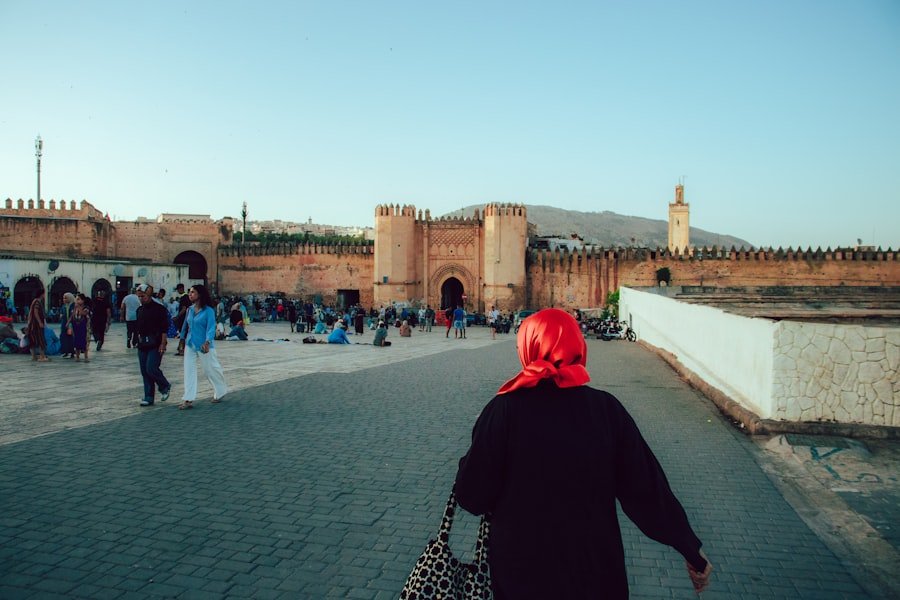
The Hippodrome of Constantinople once formed one of the great public spaces of Byzantine Constantinople. The site developed from an earlier Roman-period arena and was enlarged during Constantine the Great’s transformation of the city. It hosted chariot racing, ceremonies, festivals and political gatherings. Türkiye’s official tourism portal describes it as a major Eastern Roman entertainment and civic venue. GoTürkiye’s Hippodrome guide gives additional background.
Although the enormous seating structure no longer survives above ground, the central area is now part of Sultanahmet’s public square. Several ancient monuments still reveal the importance of the original arena.
The most prominent is the Obelisk of Theodosius, an ancient Egyptian monument brought to Constantinople and erected on the Hippodrome’s spina during the reign of Theodosius I. Nearby, the bronze Serpent Column has roots in ancient Greece and commemorated the Greek victory over the Persian forces at Plataea. The Walled Obelisk provides another surviving reference point for the arena’s former central axis.
Because the Hippodrome is an open-air public space, it is an easy place to begin a walking tour before timed or controlled-entry attractions. It also helps establish the historic relationship between the Blue Mosque and the older Byzantine ceremonial landscape beneath and around present-day Sultanahmet Square.
Basilica Cistern: An Underground Marvel
Beneath the streets close to Hagia Sophia lies the Basilica Cistern, known in Turkish as Yerebatan Sarnıcı. Emperor Justinian I had the enormous underground reservoir constructed in the 6th century to supply water to the Great Palace and surrounding buildings. Istanbul cultural authorities describe it as the city’s largest surviving covered cistern.
The structure extends roughly 140 meters in length and about 65–70 meters in width, depending on the official source and method of rounding. Its vaulted ceiling is supported by 336 marble columns arranged in long rows, while its historic water-storage capacity is commonly given as about 80,000 cubic meters. The Istanbul cultural authority’s Basilica Cistern page documents these main architectural features.
Many of the columns and architectural pieces reflect reuse of materials available in the Byzantine city. The best-known examples are two large carved Medusa heads used as column bases. Their exact original context and the reason for their unusual orientation remain uncertain, which has contributed to their popularity with visitors.
Modern lighting and walkways make the cistern a very different experience from the bright monumental spaces above ground. It also provides a useful indoor break during hot, wet or windy weather, although lines can become substantial during busy visitor periods.
Practical Tips for Walking Around Sultanahmet
Check Current Opening Arrangements
Do not rely entirely on an old printed itinerary for opening hours, admission prices or access routes. Religious services, restoration work, public holidays, special events and visitor-management policies can alter normal arrangements. Check the relevant official website shortly before your visit, especially for Hagia Sophia, Topkapı Palace and Basilica Cistern.
Plan Around Mosque Etiquette
The Blue Mosque and Hagia Sophia are working mosques. Wear clothing that covers shoulders and knees, follow any head-covering requirements communicated at the entrance, remove shoes where instructed and keep voices low. Photography should never interfere with worshippers.
Expect Security and Queues
Walking between the landmarks may take only a modest amount of time, but entering them can be slower. Security screening, ticket queues and controlled visitor flow can add significant waiting time. Build a buffer into your schedule rather than booking every stop back-to-back.
Wear Shoes for Historic Streets
Sultanahmet involves extensive standing and walking on a mixture of pavement, stone surfaces, ramps and stairs. Comfortable shoes are more useful than formal footwear. In summer, carry water and sun protection; in cooler or wet months, bring a light waterproof layer.
Consider Mobility Before Choosing Every Interior
A Sultanahmet walking tour can work for many ages and fitness levels, but it is not accurate to call every route universally accessible. Individual attractions can involve stairs, slopes, long standing periods, historic surfaces and crowded security areas. Travelers with limited mobility should check the current accessibility information for each attraction rather than assuming the entire route has the same access conditions.
Guided or Self-Guided?
A self-guided walk works well if you mainly want to see the monuments at your own pace. A licensed guide can add useful historical context, especially at Topkapı Palace and around the Hippodrome. However, individual attractions may restrict where live guiding is permitted. Hagia Sophia’s current visitor system, for example, was designed with a quiet gallery route and digital interpretation to avoid disturbing worship.
Make Time for Food and Rest
After several hours of monuments and museums, a food break is more useful than rushing to another attraction. Restaurants and cafés around Sultanahmet and the streets leading toward the Grand Bazaar provide plenty of opportunities to stop. Rather than detouring for an unrelated recipe or recommendation, use the break to try local Turkish dishes and reset before continuing the walk.
Sultanahmet’s Timeless Charm
Sultanahmet brings an unusually dense collection of Byzantine and Ottoman history into an area that can still be explored largely on foot. The Blue Mosque represents the monumental mosque architecture of the Ottoman period, while Hagia Sophia preserves layers of Byzantine and Ottoman religious history. Topkapı Palace reveals the administrative and residential world of the Ottoman court, and the Hippodrome recalls the public spectacles and political life of Constantinople.
The Basilica Cistern adds another layer beneath the streets, demonstrating the engineering required to support the ancient imperial city. Farther west, the Grand Bazaar shows how commerce remains part of the Historic Peninsula’s living identity rather than merely its past.
The key to enjoying a Sultanahmet walking tour is not trying to rush every attraction. A shorter visit can focus on the square, mosques and one ticketed interior, while a full day gives you room for Topkapı Palace, the cistern and the Grand Bazaar as well. With realistic timing and up-to-date visitor information, the route becomes much easier to enjoy.
Frequently Asked Questions
What is a walking tour of Sultanahmet?
A Sultanahmet walking tour explores the historic center of Istanbul’s Old City on foot. Typical stops include the Hippodrome, Blue Mosque, Hagia Sophia, Basilica Cistern and Topkapı Palace, with many routes continuing toward the Grand Bazaar.
What can I expect to see on a walking tour of Sultanahmet?
You can see major Ottoman and Byzantine monuments, including the Blue Mosque, Hagia Sophia, surviving monuments of the Hippodrome, the underground Basilica Cistern and the courtyards and collections of Topkapı Palace. A longer route can finish among the covered streets of the Grand Bazaar.
How long does a walking tour of Sultanahmet typically last?
Allow around 3–4 hours for a selective highlights walk with only a few interior visits. If you want to enter most of the major attractions, explore Topkapı Palace properly and continue to the Grand Bazaar, roughly 5–7 hours or more is more realistic. Queues and prayer-related access can extend the day.
What is the best order for a Sultanahmet walking tour?
A practical sequence is the Hippodrome, Blue Mosque, Hagia Sophia, Basilica Cistern and Topkapı Palace, followed by the Grand Bazaar. You may need to change the order around prayer times, ticket availability, queues or temporary closures.
Is a walking tour of Sultanahmet suitable for all ages and fitness levels?
Many visitors can enjoy the route, but individual sites include historic paving, stairs, ramps, security queues and long periods of standing. Travelers with mobility limitations should check current accessibility details for each attraction and shorten the route when necessary.
Can tourists visit the Blue Mosque and Hagia Sophia?
Yes, both receive visitors, but both are active mosques. The Blue Mosque’s tourist access works around worship, while Hagia Sophia uses a designated visitor-gallery arrangement for cultural sightseeing. Follow current dress, security and entry rules and expect access to change when religious or operational needs require it.
Are guided Sultanahmet tours available in multiple languages?
Yes. Istanbul tour operators and licensed guides commonly offer Sultanahmet tours in English, Turkish and other languages. Language options depend on the operator, so confirm the guide’s language and the exact attractions included before booking.
Sources
- UNESCO World Heritage Centre — Historic Areas of Istanbul — UNESCO status, component areas and major Byzantine/Ottoman monuments.
- Republic of Türkiye Ministry of Culture and Tourism — Hagia Sophia Visitor Arrangement — current mosque and cultural visitor-gallery system introduced in 2024.
- Presidency of the Republic of Türkiye, National Palaces — Topkapı Palace — construction dates, historic role and palace-area context.
- GoTürkiye — Grand Bazaar — history, covered streets and approximate shop count.
- GoTürkiye — Hippodrome — chariot racing, public events and surviving monuments.
- Kültür İstanbul — Basilica Cistern — construction, dimensions, water capacity and 336-column structure.