Istanbul spans Europe and Asia and offers busy landmarks, markets, nightlife streets, and an extensive public transport network. Those same crowds can create opportunities for pickpockets. You do not need to explore the city in fear, but you should secure your valuables and know what to do if something disappears.
Quick Answer
Pickpocketing is a recognized risk in Istanbul’s major tourist areas, especially when crowds form. Keep your phone and wallet in a zipped bag worn in front, avoid back pockets, and stay alert during boarding, queues, and distractions. If theft occurs, move somewhere safe, secure your accounts, and report it.
Key Takeaways
- Risk rises when people are packed together at landmarks, markets, station doors, tram stops, events, and nightlife venues.
- Treat Sultanahmet, Taksim, İstiklal Avenue, the bazaars, Kadıköy, and other named areas as crowd examples, not an official ranking of dangerous neighborhoods.
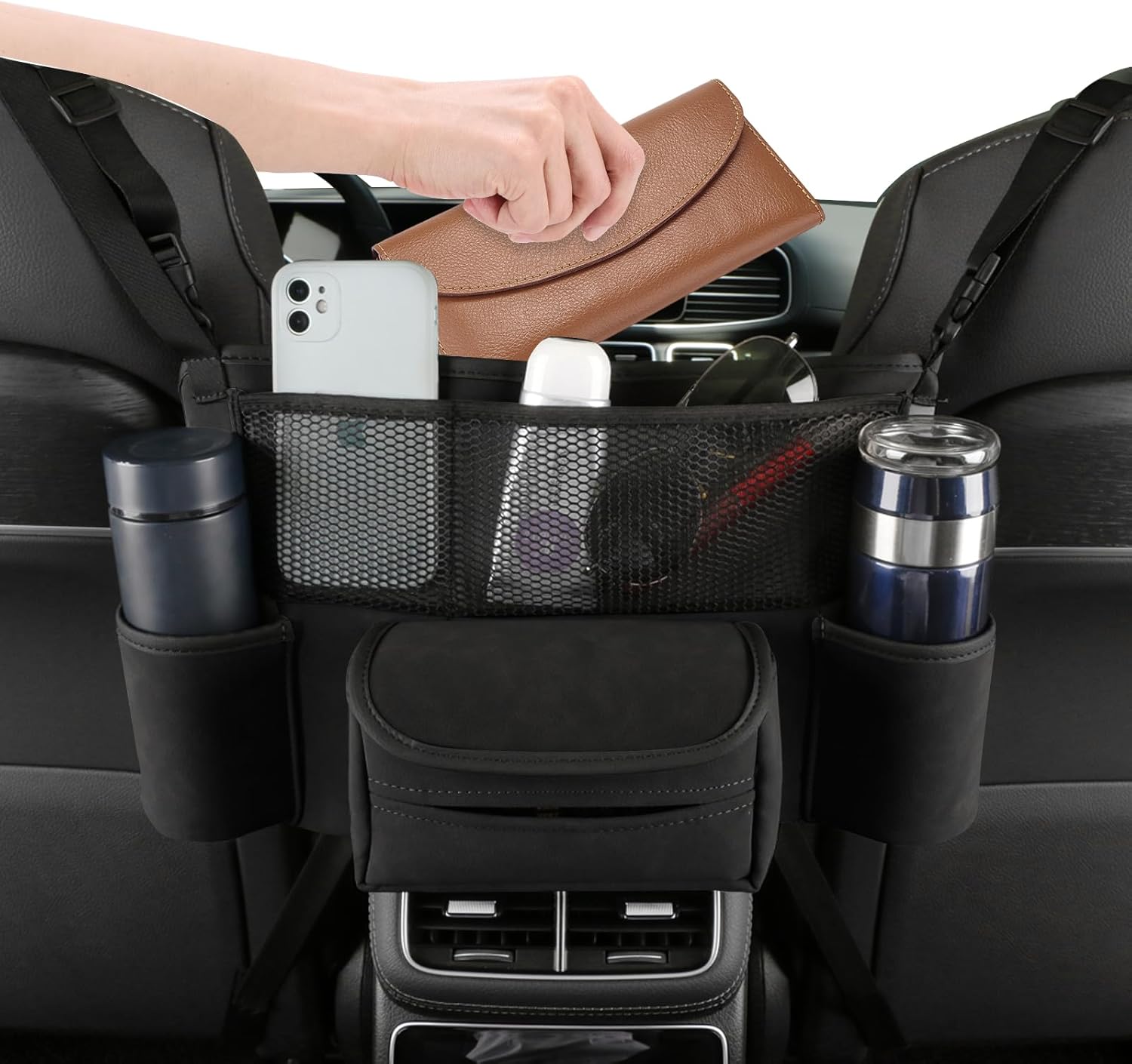
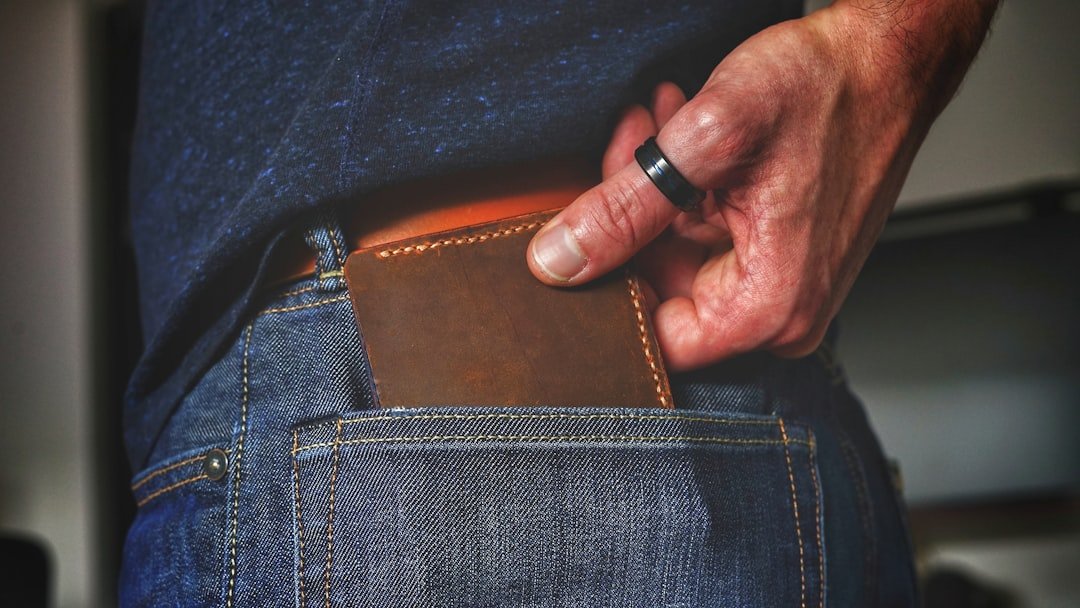
- Keep valuables in a closed bag worn in front. Avoid back pockets, open totes, and phones left on café or bar tables.
- Prepare your phone before traveling by enabling a strong screen lock and Apple Find My or Google Find Hub.
- Use 112 for an active emergency. For a completed, non-urgent theft, visit a police station and request a report or reference number.
Note: This guide focuses on pickpocketing and petty theft. It does not cover every travel risk. Review a current government travel advisory for Türkiye before departure because demonstrations, regional tensions, transport disruption, and other security conditions can change.
Where pickpocketing risk can rise in Istanbul
The UK Foreign, Commonwealth & Development Office states that street robbery and pickpocketing are common in Istanbul’s major tourist areas. However, there is no dependable public ranking that proves one street or district is always more dangerous than another.
Risk usually depends more on the situation than the neighborhood. Be especially careful when people are pressed together, your attention is divided, or someone creates an unexpected distraction.
Major tourist areas and sightseeing queues
Popular sightseeing zones are busy by design. Pay close attention to your bag and phone around:
- Sultanahmet, including queues and gathering points near major landmarks
- Taksim Square and nearby pedestrian streets
- İstiklal Avenue, especially during peak hours, weekends, and public events
Before stopping for a photo or opening a map, move your wallet and phone into a zipped compartment. Avoid placing a phone loosely in a jacket pocket while facing away from the crowd.
Trams, metro cars, buses, and stations
Istanbul’s public transport network is useful and widely used. The practical theft risk rises when vehicles, platforms, escalators, and station entrances become crowded.
Be alert while boarding or leaving buses, metro cars, ferries, and trams. Tourist routes such as the T1 tram can become busy as they pass through central and historic districts, but this does not mean every journey or stop is unsafe.
- Move a backpack to your chest before entering a dense crowd.
- Close every zipper before the vehicle arrives.
- Do not keep a phone or wallet in a back pocket.
- Keep one hand over the opening of your bag near doors and escalators.
- Wait for the next vehicle if a carriage is so crowded that you cannot control your bag.
Markets, bazaars, and shopping streets
Bargaining, narrow walkways, payment activity, and merchandise displays can divide your attention. Take extra care in crowded places such as:
- Grand Bazaar (Kapalıçarşı)
- Spice Bazaar (Mısır Çarşısı)
- Kadıköy Market and other busy local markets
- Nişantaşı and other shopping streets, especially while handling cash or cards
Keep your bag closed while browsing. Do not leave your phone on a shop counter, café table, or payment terminal area. Finish putting away your card and wallet before moving back into the crowd.
Nightlife areas and entertainment venues
Beyoğlu, Kadıköy, concerts, bars, clubs, and street events can become crowded and loud. Low lighting, music, alcohol, and frequent movement can make it harder to notice someone reaching toward a bag or table.
- Wear a zipped crossbody bag in front of your body.
- Carry only the cash and cards you expect to use that evening.
- Leave backup cards secured separately at your accommodation.
- Do not hang a bag over the back of a chair.
- Keep phones and wallets off tables and bar counters.
Pro Tip: Before entering a tram, market, queue, or event, move your phone and wallet into the same zipped inner compartment. Secure them before the crowd forms instead of trying to reorganize your bag while people are pressing around you.
Common pickpocketing techniques
Pickpockets often rely on a few seconds of confusion rather than force. Common methods include:
- Distraction: Someone asks for directions, drops an item, starts an argument, offers unexpected help, or creates a commotion while another person reaches for your belongings.
- The bump: A person deliberately jostles you in a crowd to hide contact with your pocket or bag.
- Blocking: One person stops suddenly at a doorway, escalator, ticket gate, or narrow path while an accomplice approaches from behind.
- Teamwork: One person talks to you or pulls your attention to one side while another opens a bag or removes an item.
- Table or counter grab: A phone placed near the edge of a café table, bar, ticket counter, or shop counter can be taken in seconds.
- Doorway theft: Someone may grab an exposed phone or wallet just before tram, metro, bus, or ferry doors close.
If someone presses unusually close, place your hand over your bag’s opening and move sideways toward a shop, staffed counter, security officer, or more open area.
Warning: Do not chase, grab, or physically confront a suspected thief. A property loss can become a personal-safety emergency. Move to a safe place, alert nearby staff or police, and call 112 if there is an active threat, violence, injury, or robbery involving force.
How to protect your belongings before and during your trip
Products Worth Considering
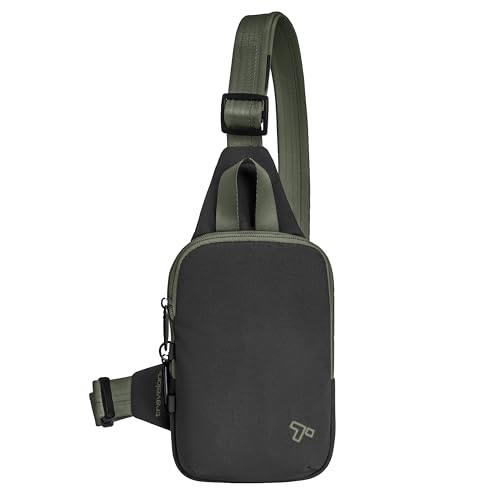
This modern compact sling provides the convenience of hands-free travel that makes bustling markets or an adventure hike worry free. Blending style, durability, safety features on every side, premium organization, slash-resistant and lightweight performance materials (only 0.65lbs)–is a game changing experience.
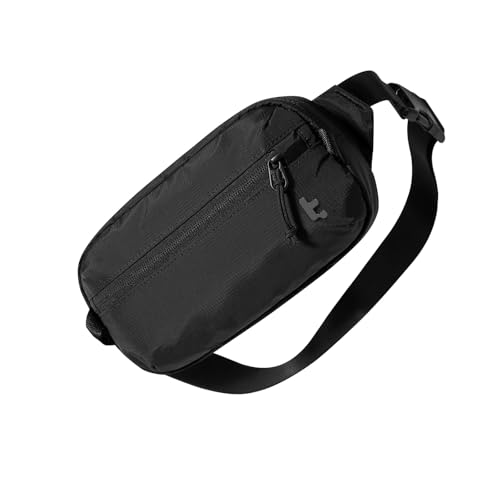
Adjustable Carrying Options: The Aviator-T33 1.5L Chest Bag can seamlessly convert into a versatile Sling Bag, making it an ideal companion for travel, everyday use, or any on-the-go activity. Its adaptability ensures you’re always ready for any situation

This modern compact sling provides the convenience of hands-free travel that makes bustling markets or an adventure hike worry free. Blending style, durability, safety features on every side, premium organization, slash-resistant and lightweight performance materials (only 0.65lbs)–is a game changing experience.
Choose a bag you can control
- Use a crossbody bag with working zippers.
- Wear it across your body and in front when entering crowds.
- Avoid open tote bags for passports, wallets, and phones.
- Do not rely on an unlocked outer backpack pocket.
- Keep the zipper pulls where you can see or cover them.
An “anti-theft” label can be useful, but no bag prevents every theft. How you wear and close the bag matters more than its marketing name.
Split your money and cards
- Carry a small amount of cash and one main payment card.
- Store a backup card separately at your accommodation.
- Do not keep your passport, every card, and all cash in one wallet.
- Enable transaction alerts through your bank before traveling.
- Save your bank’s international lost-card number somewhere outside your wallet.
Prepare your phone before departure
- Use a strong PIN or password and enable fingerprint or face authentication.
- Hide sensitive message and verification-code previews from the lock screen.
- Turn on Apple Find My and Lost Mode for an iPhone or Google Find Hub for an Android device.
- Make sure your Apple or Google recovery information is current.
- Record the phone’s serial number and IMEI in a secure account or document you can reach from another device.
- Know how to contact your mobile carrier to suspend the SIM or eSIM.
Carry identification securely
Current FCDO guidance states that it is illegal not to carry photographic identification in Türkiye and advises visitors to carry their passport or residence permit. Keep the document in a zipped inner pocket or secure compartment that remains under your control.
Store a paper copy and an encrypted digital copy separately. Copies can help with replacement, but they may not satisfy an official request to see the original document.
What to do if you think you were targeted
If someone acted suspiciously or you suddenly cannot find an item, stay calm and use this sequence:
- Move away from the crowd. Go near a staffed shop, hotel desk, ticket office, security point, or well-lit public area.
- Check your essentials. Look for your phone, wallet, passport, cards, and keys without emptying your entire bag in public.
- Secure the remaining items. Close all compartments and move valuables into a controlled inner pocket.
- Note the details. Record the time, exact place, direction of travel, crowd conditions, and description of any suspicious person.
- Ask nearby staff quickly. A shop, station, hotel, or venue may have security staff, lost property, or cameras. Do not assume staff can release recordings directly to you.
- Do not follow a suspect. Give descriptions and location information to police or security personnel.
Products Worth Considering

Anti-Theft Protection - This crossbody bag features a lockable zipper with three locking methods to deter pickpockets.Additionally, it includes a dedicated RFID-blocking pocket that safeguards your credit cards and personal information from scanning.

5-Point Anti-Theft security system features including locking compartments, slash-resistant construction, and slash-resistant strap secures to any stationary object

Built-in 5-Point Anti-Theft security system will protect your valuables from pickpockets and thieves
What to do immediately after something is stolen
Products Worth Considering
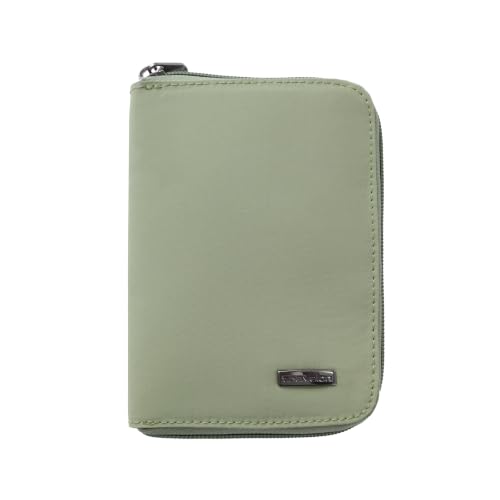
PREMIUM RFID BLOCKING PROTECTION redefines peace-of-mind. When traveling 5 miles from home or around the world, today RFID blocking is key to preventing unauthorized scans or skimming of your personal electronic data and messages. Identity Theft has no boarders, it is everywhere. You need a Travelon wallet, where the whole wallet is shielded from scans and skimming.

Organize currency, passport and cards with 2 RFID shielded pouches.

※【Multi-Purpose】:The passport holder with 2 fuction, vaccine card holder and passport holder, transparent pocket is for the vaccine card, the passport wallet also has specified pace for credit cards and cash which is convenient for travellers.
If your phone is missing
- Mark the device as lost or secure it remotely. Use Apple Find My or Google Find Hub from another phone or computer.
- Do not retrieve it alone. If tracking shows a location, share it with police. Location data can be delayed or inaccurate.
- Call your mobile carrier. Suspend the SIM or eSIM to reduce the risk of calls, text-message interception, and account recovery abuse.
- Freeze connected payment cards. Use your bank’s app, website, or emergency telephone number.
- Protect your main email account. Change its password first if the phone was unlocked or the thief may know your passcode. Your email often controls password resets for other accounts.
- Review Apple, Google, banking, messaging, and social accounts. Remove unknown devices and check for unauthorized activity.
- Consider remote erasure carefully. Erasing protects data but can affect your ability to track or recover the device. Follow the device manufacturer’s current instructions.
If your wallet or payment cards are missing
- Freeze or cancel every missing card immediately.
- Review recent transactions and report unauthorized charges.
- Remove missing cards from mobile payment accounts when applicable.
- Change any PIN that may have been exposed.
- Ask the bank how to obtain emergency cash or replacement cards abroad.
If your passport or residence permit is missing
- Report the loss or theft to local police.
- Request a copy of the police report or a reference number.
- Contact the embassy or consulate for the country that issued your passport.
- Follow the issuing authority’s process for cancelling and replacing the document.
- Contact your airline before traveling if your replacement document or itinerary may affect boarding.
A passport reported lost or stolen may be cancelled and may no longer be valid even if it is found later. Follow the instructions from your own passport authority.
Contact your insurer
Notify your travel insurer as soon as practical. Ask what documents it requires, which may include:
- A police report or crime reference number
- Proof of ownership
- Purchase receipts or device records
- Bank statements showing unauthorized transactions
- Mobile carrier confirmation
- Travel tickets and identification
Keep screenshots, emails, cancellation confirmations, and replacement receipts. Do not delay urgent security actions while waiting to speak with the insurer.
How to report pickpocketing in Istanbul
When to call 112
Dial 112 when the incident is active or urgent, including:
- A robbery involving force or threats
- An injury or medical emergency
- An immediate danger to you or another person
- A suspect who is still present and creating a threat
- A situation requiring urgent police, ambulance, or fire assistance
Türkiye uses 112 as its unified emergency number for police, ambulance, fire, and other urgent services.
How to make a non-urgent theft report
If you are safe and the incident has ended, go to the nearest police station. Your hotel, accommodation host, tour operator, station staff, or venue security may help you locate one.
Provide as much useful information as possible:
- The time and exact location of the theft
- Where you last saw the item
- A description of the missing property
- Serial numbers, IMEI numbers, or identifying marks
- A description of suspicious people or behavior
- Witness details
- Device-location screenshots
- Bank transaction alerts
Ask for a written report, report number, or other proof that the incident was recorded. Your insurer, bank, mobile carrier, or passport authority may request it.
Istanbul Tourism Police
Visit Istanbul currently lists the Tourism Police number as +90 212 527 45 03. This can be an additional contact for visitor assistance, but availability and service arrangements can change.
Use 112, not the Tourism Police number, when there is immediate danger, violence, injury, or another active emergency.
Conclusion
Pickpocketing risk in Istanbul is mainly about opportunity. Crowds, divided attention, open bags, exposed phones, and busy transport doors make theft easier. You can reduce that opportunity by wearing a closed bag in front, splitting your cards and cash, preparing your phone, and securing your identification.
If something is stolen, protect yourself before protecting the property. Move to a safe place, avoid confrontation, lock the device and accounts, suspend the SIM, block cards, and obtain a police report. Use 112 for an immediate emergency and a police station for a completed, non-urgent theft report.
Frequently Asked Questions
Where is pickpocketing most likely in Istanbul?
Risk is higher where crowds form and your attention is divided, including major sights, shopping streets, bazaars, public transport, queues, nightlife venues, and large events. There is no reliable official ranking proving that one named district is always the worst.
Is Istanbul public transport safe to use?
Public transport is widely used, but theft risk can rise in packed vehicles, at station gates, and near opening doors. Keep bags closed and in front, avoid back pockets, and wait for another vehicle if you cannot control your belongings.
Should I carry my passport in Istanbul?
Current FCDO guidance says visitors should carry a passport or residence permit because photographic identification is required in Türkiye. Keep the original in a secure inner compartment and store separate copies for replacement purposes. A copy may not replace the original during an official ID check.
What should I do first if my phone is stolen?
Move to safety, mark the phone as lost or secure it remotely, suspend the SIM or eSIM, freeze connected cards, and protect your main email account. Report the theft to police and do not travel alone to a location shown by a tracking service.
Should I call 112 for a stolen wallet?
Call 112 if the theft is active, involves threats or force, causes an injury, or creates immediate danger. If the theft has ended and you are safe, block your cards and make a non-urgent report at the nearest police station.
What is the Istanbul Tourism Police number?
Visit Istanbul currently publishes the Tourism Police number as +90 212 527 45 03. Use 112 instead when there is immediate danger, violence, injury, or another urgent emergency.
Sources
- FCDO Turkey safety and security advice — supports the Istanbul pickpocketing risk and photographic-ID guidance.
- FCDO emergency-services guidance for Türkiye — confirms 112 for police, ambulance, and fire emergencies.
- Visit Istanbul important phone numbers — publishes the Istanbul Tourism Police contact number.
- U.S. Department of State Türkiye Travel Advisory — provides current broader safety, identification, and emergency guidance.
- Apple Support: If your iPhone or iPad was stolen — explains Lost Mode and account-protection steps.
- Google Android Help: Find, secure, or erase a lost device — explains Google Find Hub recovery and security options.