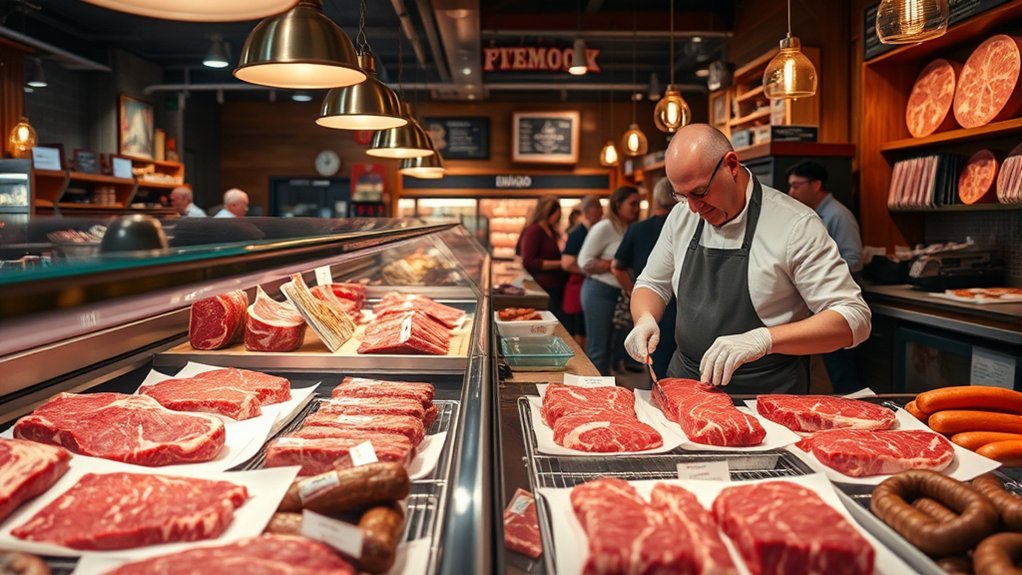
If you’re looking for a fish market in Broken Arrow, White River Fish Market is the main dedicated local option to know. The business began in Tulsa in 1932 and later expanded to Broken Arrow, where its location combines a retail seafood counter with a restaurant. You can shop for fish and shellfish to prepare at home or order seafood cooked on-site.
Quick Answer
White River Fish Market is the clearest dedicated fish-market option in Broken Arrow. The location at 1105 E. Kenosha St. combines a retail seafood counter with a restaurant and offers fish, shellfish, frog legs, alligator and prepared seafood dishes. For the freshest choice, ask what arrived most recently rather than relying on a particular weekday.
Key Takeaways
- White River Fish Market has a Broken Arrow location at 1105 E. Kenosha St. with both a seafood market and restaurant.
- The company’s 1932 history began in Tulsa; the Broken Arrow location came later.
- Current menu listings include seafood such as catfish, shrimp, salmon, scallops and oysters, plus unusual choices such as fried alligator and frog legs.
- Freshness is better judged by appearance, smell, texture and arrival information than by assuming one weekday is always best.
- Keep raw seafood cold on the way home and follow FDA storage and cooking guidance.
Top Fish Market in Broken Arrow: White River Fish Market
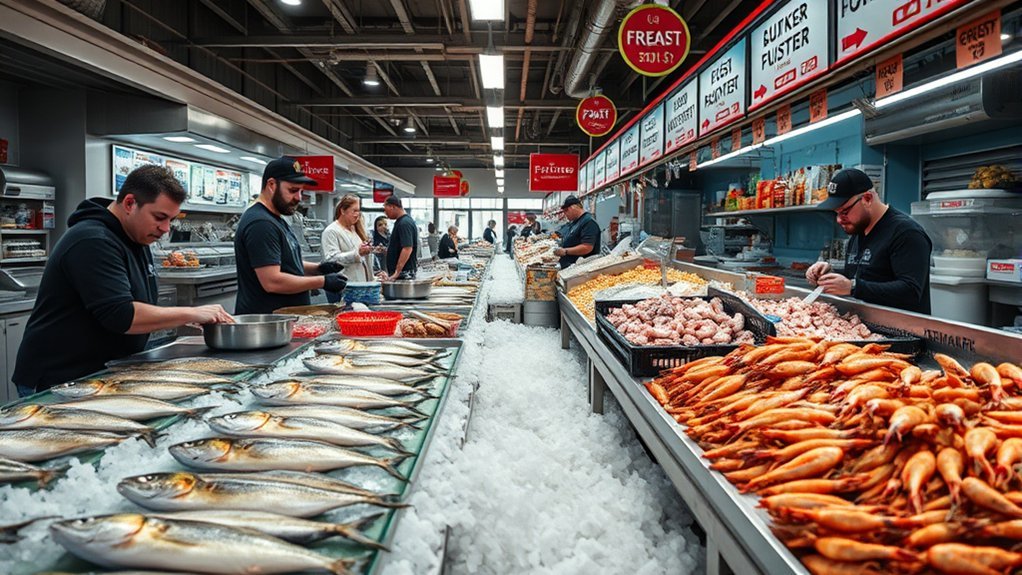
For shoppers specifically looking for a dedicated fresh seafood market in Broken Arrow, White River Fish Market is the strongest local option verified for this guide. You can find the Broken Arrow location at 1105 E. Kenosha St., Broken Arrow, OK 74012, and the official phone number is 918-449-0347.
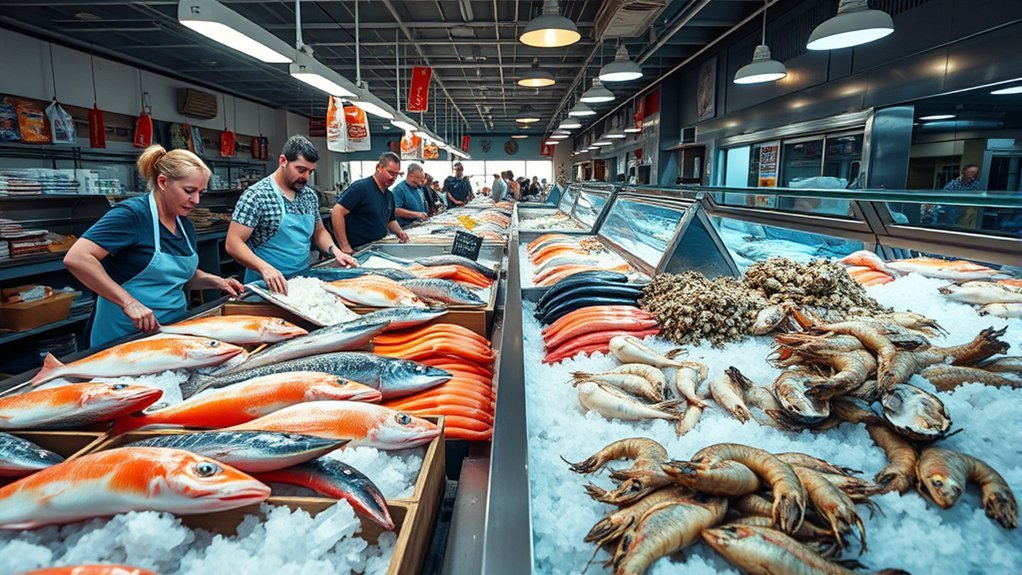
White River is unusual because it operates as both a retail seafood market and a restaurant. The company says its front counter includes a 12-foot display case where customers can inspect seafood and select pieces for preparation. According to White River Fish Market’s official website, the company brings in seafood from suppliers serving coastal areas of North and South America.
Its current online offerings include salmon, halibut, shrimp, scallops, catfish, oysters and other seafood, while availability can change with supply. The market also lists less-common choices such as frog legs and alligator. If you’re shopping for a specific species, calling before making a special trip is sensible.
Note: White River’s official pages currently agree that the Broken Arrow location is closed Sunday and operates Monday through Saturday, but the pages do not all show the same market opening time. Check the official site or call the Broken Arrow location before leaving if timing matters.
Why White River Fish Market Stands Out
White River’s main advantage is the combination of a seafood counter and cooked-to-order restaurant. You can examine seafood for a meal at home or choose from prepared dishes without visiting a separate restaurant.
Fresh Seafood Selection
The market’s current listings cover a broad mix of seafood. Depending on supply, you may find choices such as salmon, halibut, shrimp, sea scallops, crab legs, catfish, oysters, mahi mahi, sea bass and swordfish. The official menu also lists frog legs and alligator.
White River says customers can inspect the seafood in its display case and select particular pieces for preparation. That gives you a useful opportunity to ask the counter staff what arrived recently, whether an item was previously frozen, where it came from and which cooking method suits the cut you are buying.
Market and Restaurant Under One Roof
If you prefer cooked seafood, the restaurant menu includes fried, grilled and broiled preparations alongside appetizers, salads, sandwiches and side dishes. Current listings include catfish, shrimp, salmon, halibut, scallops, fried green tomatoes and other options. The exact selection and prices can change, so check the current White River Fish Market menu rather than relying on an old price list.
Service speed can vary with crowds, especially at popular meal times. If your priority is buying seafood to cook at home, tell the counter staff what you plan to make so they can point you toward suitable cuts and available species.
Signature Dishes and Unusual Seafood Choices
White River’s menu mixes familiar seafood with several less-common options. Current listings include fried shrimp, fried catfish, salmon, scallops and oysters, along with items such as fried alligator and frog legs.
The Salmon Caesar Salad remains listed on the restaurant’s online menu, and fried green tomatoes are also currently offered. Hush puppies accompany a number of the restaurant’s seafood dinners.
If you’re trying White River for the first time, a useful approach is to choose based on preparation style rather than trying to find one universal “best” dish:
- For a classic fried meal: look at catfish, shrimp, oysters or a combination plate.
- For a grilled option: check the current salmon, halibut or other grilled-fish listings.
- For something less common: fried alligator or frog legs may be worth considering when available.
- For seafood to cook at home: ask what arrived most recently and what preparation the staff recommends.
Choosing the Freshest Seafood: Tips for Shoppers
Freshness matters more than an arbitrary “best shopping day.” Delivery schedules vary between markets and species, so use your senses and ask specific questions about the seafood in front of you.
Inspect Freshness Levels
NOAA Fisheries recommends looking for several signs when choosing fresh fish:
- Smell: Fresh fish should have a mild, fresh smell rather than a strong fishy or ammonia odor.
- Flesh: Fish flesh should feel firm and elastic and should spring back when gently pressed.
- Whole-fish appearance: When buying a whole fish, look for clear, bright eyes, shiny skin and gills that are red or pink rather than dull or slimy.
- Shellfish: Live clams and oysters should have shells that are closed or that close when tapped. Avoid shellfish with an unpleasant odor.
Not every freshness test applies to every product. You cannot judge a fillet by its eyes or gills, for example, so combine appearance and smell with information from the seller about handling and arrival.
Pro Tip: Instead of asking, “What day is your fish freshest?” ask, “What arrived most recently today?” That question is more useful because deliveries can vary by species and supplier.
Understand Seasonal and Changing Availability
Seafood does not follow one simple nationwide season chart. Availability can depend on the species, fishery, location, regulations, wild versus farmed production and where the market’s supplier is located. A fish that is seasonal in one region may be supplied from another region or offered frozen at another time of year.
If sustainability matters to you, ask where the seafood originated and whether it is wild-caught or farmed. For U.S. seafood, NOAA Fisheries’ sustainable seafood resources provide species-specific information about fisheries and aquaculture.
| Question to Ask | Why It Helps |
|---|---|
| What arrived most recently? | More useful than assuming one weekday always has the freshest selection. |
| Where did this seafood come from? | Helps you understand origin and investigate the fishery if desired. |
| Is it wild-caught or farmed? | Provides useful context for sourcing, availability and preparation. |
| Has it been previously frozen? | Previously frozen seafood can still be high quality, but the answer helps you decide whether to refreeze it. |
| How should I cook this cut? | Different species and thicknesses work better with different cooking methods. |
Build Relationships With Seafood Vendors
Talking with the staff can make seafood shopping easier, especially if you are unfamiliar with a species. Focus on questions that give you information you can actually use:
- Ask About Sourcing: Find out the species, origin and whether it is wild-caught or farmed.
- Ask What Is New: Daily availability may reveal choices you would miss by shopping from a fixed list.
- Ask for Preparation Advice: Tell the staff whether you plan to grill, bake, fry, broil or make a stew so you can choose an appropriate fish or cut.
Regular visits can also help you learn which products the market commonly carries and which ones appear only when supply allows.
How to Make the Most of Your Takeout Seafood
If you’re ordering cooked seafood, choosing a less-busy period may reduce your wait, but it does not automatically mean the seafood itself will be fresher. For freshness questions, ask the market directly about that day’s supply.
White River currently lists familiar choices such as shrimp and catfish as well as less-common items such as alligator and frog legs. Check the current menu for availability before deciding what to order. If you enjoy sauces, adding a homemade dipping sauce at home can also change the flavor without affecting your main order.
If the restaurant offers an online special or promotion when you order, you can take advantage of it, but do not assume a promotion listed in an older article is still active.
Warning: Seafood is perishable. The FDA advises keeping seafood refrigerated at 40°F or below. Do not leave seafood or other perishable food unrefrigerated for more than two hours, or more than one hour when the temperature is above 90°F. If you have a long drive home with raw seafood, use an insulated cooler with ice or cold packs.
Seafood Storage and Preparation Safety
Safe handling is just as important as choosing seafood that looks fresh. According to the U.S. Food and Drug Administration, seafood that you plan to use within two days should be refrigerated at 40°F or below. Otherwise, wrap it appropriately and freeze it.
Keep raw seafood separate from foods that will be eaten without further cooking, and wash hands, utensils, cutting boards and work surfaces after contact with raw seafood. Most seafood should reach an internal temperature of 145°F when cooked.
People at greater risk from foodborne illness, including pregnant people, young children, older adults and people with weakened immune systems, should be especially cautious with raw or undercooked fish and shellfish. FDA guidance recommends that these higher-risk groups avoid raw or undercooked seafood.
Supporting a Local Fish Market
Shopping at a dedicated local seafood market gives you access to a counter where you can ask specific questions about what you are buying. At White River, you can choose between purchasing seafood for home preparation and ordering a cooked meal from the restaurant.
A useful interaction with the seafood counter can include:
- Choosing the right portion: Ask how much seafood you need for the number of people you are feeding.
- Learning about preparation: Ask whether a particular fish works best grilled, fried, broiled or baked.
- Understanding sourcing: Ask about origin, wild versus farmed production and current availability instead of relying on assumptions.
If environmental sourcing is important to you, compare the staff’s information with NOAA Fisheries resources rather than relying only on marketing terms such as “fresh,” “natural” or “sustainable.”
What to Expect When You Visit
Dining experiences are subjective, so claims such as “best service” or “everyone loves it” are not reliable facts. What can be verified about White River is the format: it combines a seafood display, retail market and restaurant at the same location.
The setup lets you look over seafood choices before deciding whether to take something home or order a cooked dish. The current menu spans fried, grilled and broiled seafood along with salads, appetizers, sandwiches and sides.
During busy periods, allow extra time. If you are visiting primarily to buy raw seafood, have an insulated bag or cooler ready so your purchase can remain cold on the drive home.
Unique Seafood Finds to Explore
If your goal is to try something beyond ordinary supermarket seafood, White River’s current offerings provide several possibilities. Availability can change, but its official menu and market pages list items such as:
- Fried Alligator: A less-common appetizer and dinner option currently listed by White River.
- Frog Legs: Offered among the restaurant’s fried selections and also referenced in its seafood-market selection.
- Sea Scallops: A familiar shellfish choice that can be prepared at the restaurant or purchased when available through the market.
You may also encounter salmon, halibut, crab legs, mahi mahi, swordfish, sea bass, shrimp and other species. Because seafood inventories can change, treat online lists as a guide rather than a guarantee of what will be in the display case during your visit.
Frequently Asked Questions
What Is the Best Day to Buy Fish at a Fish Market?
There is no universal best weekday. Delivery schedules differ by market, supplier and species. Ask what arrived most recently and inspect the seafood itself. White River’s official site currently says lobster is served Tuesday and Wednesday, but that does not mean all seafood is freshest on those days.
Where Is the World’s Biggest Fish Market?
Toyosu Market in Tokyo is widely recognized as one of the world’s largest seafood markets. Tokyo’s former wholesale fish market at Tsukiji moved to Toyosu in October 2018. Tsukiji Outer Market still operates as a busy shopping and food district, but it is separate from the wholesale market that relocated.
What Country Has the Best Fish in the World?
There is no objective winner. Seafood quality depends on the species, harvest or farming method, handling, cold storage, preparation and personal taste. A well-handled fish from one country can be a better purchase than poorly handled seafood from a country famous for its seafood cuisine.
What State in the USA Has the Best Seafood?
There is no objective “best seafood state.” The answer changes depending on whether you value a particular species, regional cooking tradition, local harvest or restaurant style. When shopping for seafood, freshness, handling and reliable sourcing are more useful measures than a state-by-state ranking.
Where Is White River Fish Market in Broken Arrow?
The Broken Arrow location is at 1105 E. Kenosha St., Broken Arrow, OK 74012. The official phone number is 918-449-0347. The official site currently lists Monday-through-Saturday operation and Sunday closure, but its pages show slightly different market opening times, so verify the day’s hours before making a special trip.
How Long Can Fresh Seafood Stay in the Refrigerator?
FDA guidance says seafood that will be used within two days should be stored in a clean refrigerator at 40°F or below. If you will not use it within that period, wrap it appropriately and freeze it. Keep seafood cold during transportation from the market to your home.
Conclusion
If you’re searching for a fish market in Broken Arrow, White River Fish Market offers both a retail seafood counter and a restaurant in one location. Its company history reaches back to Tulsa in 1932, while the Broken Arrow location gives local shoppers access to a broad seafood selection without leaving town.
For the best experience, focus on what is available now rather than relying on fixed weekday or seasonal rules. Inspect the seafood, ask what arrived most recently, confirm its origin when that matters to you, and keep raw seafood properly chilled on the way home. Those practical steps will do more for your meal than any unsupported claim about a universally “best” day, state or country.
Sources
- White River Fish Market — official Broken Arrow location, contact information, seafood-market setup, company history and current operating information.
- White River Fish Market Menu — current seafood dishes and menu categories.
- U.S. Food and Drug Administration: Selecting and Serving Fresh and Frozen Seafood Safely — seafood storage, handling, cooking and food-safety guidance.
- NOAA Fisheries: Seafood Buying Tips — freshness indicators for fish.
- NOAA Fisheries: Sustainable Seafood — sourcing and sustainability information for U.S. seafood.
- GO TOKYO: Tsukiji Outer Market — official explanation of the wholesale fish market’s 2018 move from Tsukiji to Toyosu.