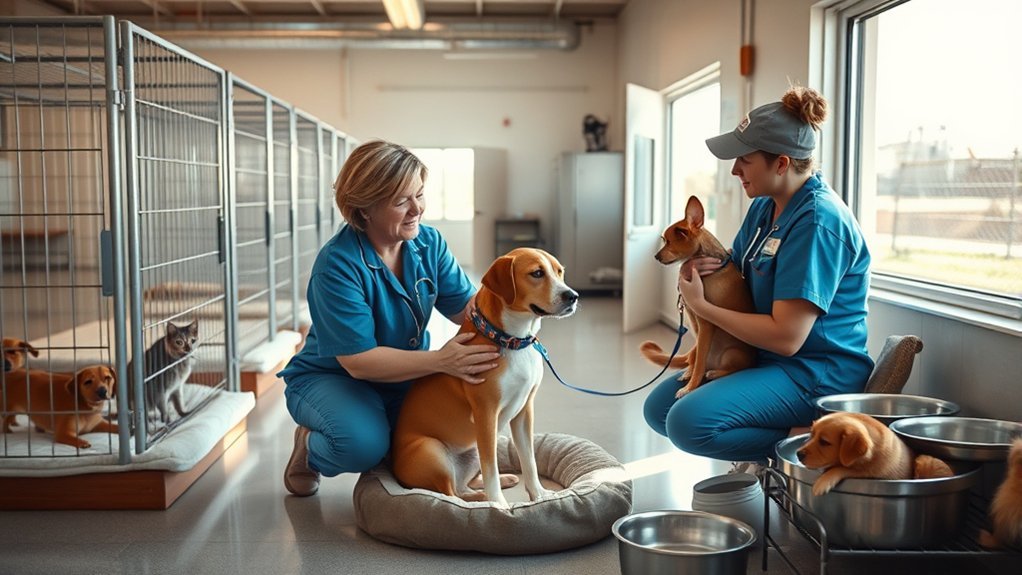
Finding trustworthy animal shelters in Oklahoma City starts with comparing more than available pets. Adoption fees, veterinary care, application rules, location, and post-adoption support can differ significantly between organizations. A little preparation helps you choose a shelter or rescue that fits both your household and the animal you hope to adopt.
Quick Answer
Oklahoma City adopters can start with OKC Animal Welfare, OK Humane, or Oklahoma City-based 405 Animal Rescue. Free to Live is another nearby option in Guthrie. Compare each organization’s fees, application process, included veterinary care, and meeting requirements before choosing a pet, because the process ranges from same-day adoption to application-first placement.
Last checked: September 30, 2026. Dates and figures were verified against official sources.
Key Takeaways
- OKC Animal Welfare lists a standard $60 dog or cat adoption fee, with $30 fees in several qualifying situations.
- OK Humane and 405 Animal Rescue charge different rates for adults and younger animals, while Free to Live uses a flat dog or cat fee.
- Adoption fees commonly include major initial veterinary services such as spay/neuter surgery, vaccinations, and microchipping, although exact benefits vary.
- Rescue organizations may require an application and scheduled meeting rather than allowing a same-day adoption.
How to Navigate the Adoption Process in Oklahoma City?
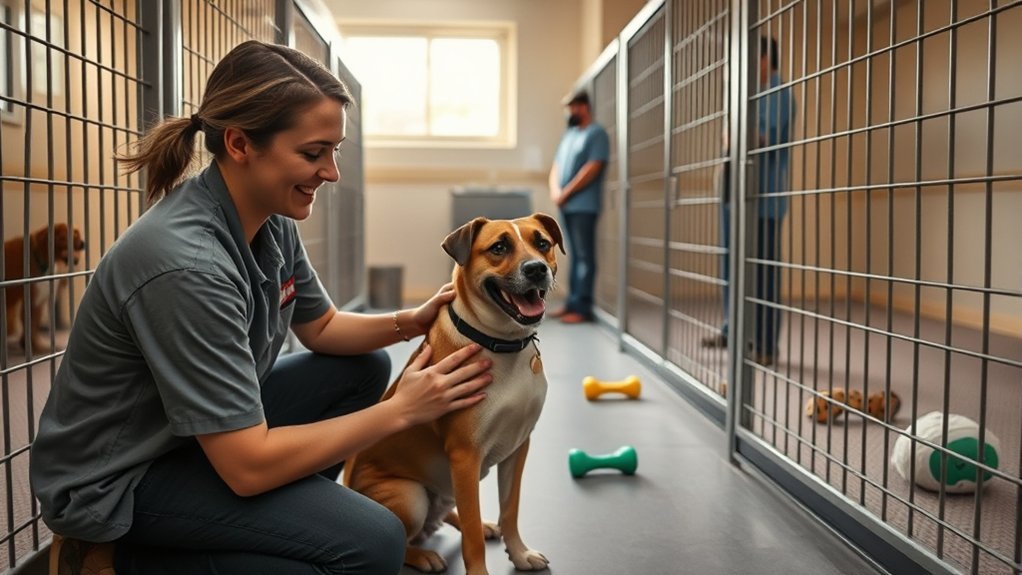
The adoption process depends on whether you choose a municipal shelter, adoption center, or foster-based rescue. Start by reviewing available animals and the organization’s requirements, then make sure everyone in your household is prepared for the time, cost, and responsibility of a new pet.
At OKC Animal Welfare, adopters can review available pets before visiting. The shelter asks people under 18 to bring a parent or guardian and requires photo identification showing the adopter’s current address. Staff and volunteers can help you meet animals and complete the paperwork.
OK Humane follows a different model. Its adoption process includes meeting the animal, speaking with an adoption counselor, and completing paperwork after staff determine that the home and pet are a suitable match. Its Adoption Center is at 7500 N. Western Ave. in Oklahoma City.
Some rescues require approval before you can take an animal home. Free to Live asks adopters to complete an application and says it will respond within three days to arrange a visit. Meanwhile, 405 Animal Rescue uses a multi-step application, approval, meet-and-greet, and scheduled adoption process rather than same-day on-site adoption.
Whichever route you use, ask about the animal’s known medical history, behavior, energy level, experience with children or other pets, and any continuing care needs. After adoption, establish a relationship with a veterinarian and give the animal time to adjust to its new surroundings.
How Adoption Costs Vary Across Shelters
Adoption fees in the Oklahoma City area range considerably because each organization has its own medical, foster, and placement costs. The figures below were verified from the organizations’ current adoption information on September 30, 2026.
| Shelter | Dog Adoption Fees | Cat Adoption Fees |
|---|---|---|
| OKC Animal Welfare | $60 standard; $30 in qualifying situations | $60 standard; $30 in qualifying situations |
| OK Humane | $165 adults; $265 puppies | $85 adults; $150 kittens; $250 for a pair of kittens |
| Free to Live | $125 | $100 |
| 405 Animal Rescue | $200 adults | $80 adults |
| 405 Animal Rescue | $300 puppies under 1 year | $100 kittens under 1 year |
OKC Animal Welfare’s $30 reduced fee can apply in several situations, including animals that have been available for more than two weeks, pets age 4 or older, certain medical cases, and two or more pets adopted together. Temporary adoption promotions can also change what you pay.
OK Humane says its pets are spayed or neutered, microchipped, and given age-appropriate vaccinations before adoption. Its listed services also include deworming, a wellness exam, applicable heartworm testing, and other preparation.
Free to Live lists spay/neuter surgery, required vaccinations, microchipping, and current flea and heartworm medications among its adoption benefits. 405 Animal Rescue similarly lists sterilization, age-appropriate vaccinations, deworming, and microchipping, with additional testing depending on whether the animal is a dog or cat.
Top Animal Shelters in OKC for Adoption
The right organization depends on whether you prefer a traditional shelter visit, an adoption center, or a rescue that places animals through foster homes. These established options use different processes, so consider convenience and matching requirements alongside the adoption fee.
- Oklahoma City Animal Welfare: The municipal shelter at 2811 SE 29th St. handles adoptions, lost and found pets, animal-control services, and community programs. Its current adoption and lost-and-found hours are noon to 5 p.m. Tuesday through Saturday.
- OK Humane: Its Adoption Center is at 7500 N. Western Ave. in Oklahoma City. Current adoption pages list hours of 11 a.m. to 6 p.m. Tuesday through Sunday. Some foster dogs may require an arranged meeting rather than being physically present at the center that day.
- 405 Animal Rescue: This Oklahoma City rescue uses an application-first process. Approved applicants meet the animal before arranging a scheduled adoption day, making it useful for adopters who want information from people familiar with the animal in a home setting.
- Free to Live: Free to Live is not inside Oklahoma City. Its sanctuary is at 9150 S. Western Ave. in Guthrie. Adopters submit an application before a visit, and the organization offers meet-and-greets with resident pets when appropriate.
OKC Animal Welfare reports that it rescues more than 24,000 animals a year. Because availability changes constantly, focus less on finding a specific appearance and more on temperament, activity needs, medical needs, and whether the animal fits your household.
Essential Services Provided by Trusted Animal Shelters
A trustworthy shelter or rescue should clearly explain what care an animal has received and what support is available before and after adoption. Veterinary preparation, honest behavior information, lost-pet resources, and clear placement policies all help adopters make informed decisions.
Quality Veterinary Care Offered
Initial veterinary care is one of the most valuable parts of shelter adoption. The exact package varies, but the organizations covered here list several important preventive services before pets go home.
- OKC Animal Welfare says adoptable pets are spayed or neutered, receive age-appropriate vaccinations, and are treated for worms. Dog and cat adoptions also include a microchip.
- OK Humane lists spay/neuter surgery, age-appropriate vaccinations, microchipping, deworming, preventive care, and additional services according to the animal.
- Free to Live says its dogs and cats are spayed or neutered, vaccinated, microchipped, and current on listed preventive medications before adoption.
- 405 Animal Rescue lists sterilization, vaccinations, deworming, and microchipping for dogs and cats, plus heartworm testing for applicable adult dogs and FIV testing for cats.
These services provide a useful starting point, but they do not replace lifelong veterinary care. Ask for the animal’s records and schedule continuing preventive care with your veterinarian.
Adoption Support Services Available
Good adoption support begins before you sign the paperwork. Shelter staff or foster volunteers should help you understand the pet’s known background, medical needs, behavior, and adjustment needs rather than simply trying to complete an adoption.
| Service Type | Description |
|---|---|
| Health Evaluations | Medical assessment and treatment vary by organization and individual animal |
| Spay and Neuter Services | Adoptable pets at the organizations covered here are sterilized before final placement or through the organization’s adoption process |
| Lost & Found Database | OKC Animal Welfare provides searchable lost-and-found resources and reporting tools |
| Veterinary Care | Adoption packages may include vaccinations, microchipping, testing, deworming, or preventive treatments |
| Community Engagement | Volunteer, foster, donation, and education programs provide additional ways to help local animals |
Community Education Initiatives Engaged
Shelters also support pet owners who are not currently adopting. Programs may include lost-pet assistance, foster opportunities, pet-care education, volunteer training, spay/neuter resources, and help for families trying to keep their pets.
- Learn how identification and current microchip information can improve the chances of reuniting a lost pet with its owner.
- Use shelter education resources to understand vaccinations, sterilization, training, and responsible pet care.
- Consider volunteering or fostering if permanent adoption is not realistic for your household.
Why Spaying and Neutering Matter for Our Pets
Spaying and neutering prevent unwanted litters and can provide important health and behavioral benefits. However, especially for dogs, the best timing is not identical for every animal, so individualized veterinary advice matters.
Oklahoma City Animal Welfare says all of its adoptable pets are sterilized and offers free spay and neuter surgery for Oklahoma City residents. The city also identifies other organizations that may provide free or lower-cost services in the metro area.
Health benefits can include preventing reproductive infections and certain cancers. Sterilization can also reduce some mating-related behaviors such as roaming or marking, but it is not a guaranteed fix for every behavior problem.
Note: The appropriate age for spaying or neutering can depend on an animal’s species, breed, size, sex, health, and lifestyle. AAHA guidance recommends discussing timing with your veterinarian rather than applying one age to every dog or cat.
Ways to Support Local Animal Shelters
You do not need to adopt a pet to help local shelters and rescues. Fostering, volunteering, donating approved supplies, and sharing adoptable animals can all expand the resources available for animals currently in care.
- Volunteer: Shelter and rescue volunteers may help with socialization, adoption events, cleaning, administrative work, photography, enrichment, or other duties.
- Donate: Financial gifts and requested supplies can help cover medical care, food, bedding, enrichment items, and daily operations. Use the organization’s official wish list rather than assuming what it needs.
- Foster: A temporary foster home can give an animal a quieter place to recover, grow, learn routines, or wait for adoption. Rescue groups such as 405 Animal Rescue rely heavily on foster homes.
- Share adoptable pets: Posting an official adoption profile can help an animal reach people who may be a suitable match.
Resources for Lost and Found Pets in Oklahoma City
If your pet is missing in Oklahoma City, begin with the city shelter’s official lost-and-found system and check it frequently. OKC Animal Welfare recommends combining its database and reports with neighborhood searching, social-media posts, and flyers.
The city’s lost and found pet guidance says animals with identification are held for at least five days, while strays without identification are held for at least three days. Its animal database includes animals in shelter care, and the search data are refreshed regularly.
If you lose a pet:
- Search the OKC Animal Welfare lost-pet database and submit a lost-pet report.
- Check the shelter regularly for newly arrived animals.
- Search close to where the pet disappeared, including nearby yards and hiding places where it is safe to do so.
- Share a clear photo, description, last-seen location, and reliable contact information through neighborhood groups and social platforms.
- Post flyers in the surrounding area.
If you find a pet, first look for collar identification. A veterinarian or shelter can scan for a microchip. Oklahoma City also allows found-pet reports with a photo, which can help an owner identify the animal without relying only on social media.
Tips for a Smooth Adoption Experience and Integration
A successful adoption depends on what happens after the paperwork as much as the shelter you choose. Preparing your home, setting realistic expectations, and giving the pet a predictable routine can reduce stress during the first days and weeks.
Preparing Your Home
Prepare a quiet, secure area before your new pet arrives. Having basic supplies ready lets you focus on helping the animal settle rather than making several immediate shopping trips.
- Food and water bowls
- Appropriate food
- Bedding and suitable toys
- A leash, collar, harness, crate, or carrier as appropriate
- A secure place where the pet can rest without being disturbed
Remove hazards such as accessible medications, unsafe foods, toxic plants, exposed cords, and objects a nervous animal could swallow. Keep doors, gates, and windows secure because a newly adopted animal may try to escape before it understands that your home is safe.
Use a calm routine for meals, bathroom breaks, walks, sleep, and introductions. Avoid forcing immediate interaction with visitors or resident pets. Adjustment takes different amounts of time for different animals.
Choosing the Right Pet
The best match is not necessarily the youngest, smallest, or most outgoing animal in the room. Choose based on temperament, energy level, medical needs, household routine, available space, and the time you can realistically devote to care and training.
| Key Considerations | Essential Questions | Adoption Benefits |
|---|---|---|
| Size & Breed | What is known about this pet’s temperament and adult size? | A chance to give a homeless pet a permanent home |
| Activity Level | How much exercise, play, training, or enrichment does this animal need? | Companionship suited to your daily routine |
| Age | What medical, behavioral, and care history is known? | Ability to choose an animal whose life stage suits your household |
If you already have pets, ask whether the shelter or rescue recommends a controlled introduction or meet-and-greet. Free to Live, for example, says it can arrange meetings with existing household animals to help evaluate compatibility.
What to Look for in a Trusted Animal Shelter?
A trusted animal shelter or rescue should be transparent about its adoption requirements, fees, veterinary care, and what it knows about each animal. It should also be willing to discuss whether a pet is suitable for your household rather than treating every adoption as interchangeable.
- Clear adoption process: Requirements, fees, applications, and return policies should be explained before you commit.
- Documented veterinary care: Ask what vaccinations, testing, parasite treatment, sterilization, and microchipping have been completed.
- Honest behavior information: Staff should distinguish observed behavior from information they simply do not know.
- Appropriate matching: A responsible organization may ask about children, other pets, housing, schedule, and activity level to reduce poor matches.
- Post-adoption guidance: Useful organizations explain what to do if medical, behavior, or adjustment problems appear after adoption.
- Community involvement: Foster, volunteer, education, sterilization, or lost-pet programs can indicate broader support for animal welfare.
Online reviews can provide additional context, but policies and veterinary information should come directly from the organization. If anything is unclear, ask for written details before completing the adoption.
Frequently Asked Questions
How to Know if an Animal Shelter Is Good?
A good shelter clearly explains its adoption policies, fees, veterinary care, and what it knows about each animal. Look for clean and appropriate animal housing, transparent medical records, thoughtful matching practices, and staff who answer questions directly. Community programs and post-adoption guidance are also useful signs.
What Is the 3-3-3 Rule for Animals?
The 3-3-3 rule is a general adjustment guideline, not a fixed timetable. It suggests that an adopted pet may need roughly three days to decompress, three weeks to learn the household routine, and three months to feel more settled. Individual animals can adjust much faster or considerably slower.
How Can I Choose the Right Animal Rescue Group?
Choose a rescue that clearly describes its application process, veterinary standards, fees, return policy, and method for matching animals with adopters. Ask how long the rescue has known the animal and what behavior has been observed in a home or shelter setting. Avoid relying on appearance alone when choosing a pet.
Is There a Place Where Shelter Dogs Choose Their Owners?
Some shelters and rescues use open interactions, walks, play sessions, or meet-and-greets to see whether a dog and adopter connect naturally. That is different from a formal system in which the dog alone selects its owner. A good match should consider both the animal’s behavior and the adopter’s household and lifestyle.
Conclusion
Choosing among animal shelters in Oklahoma City is easier once you compare the full adoption process rather than the fee alone. Review the included veterinary care, ask what is known about the animal’s behavior and needs, and choose a pet whose temperament and activity level fit your household. A careful match gives both you and the animal a stronger start.
Sources
- Oklahoma City Animal Welfare — Adoptions: Adoption process, standard fees, reduced-fee situations, and included care.
- Oklahoma City Animal Welfare — Locations and Hours: Shelter address and current adoption and lost-and-found hours.
- Oklahoma Humane Society — Adopt: Adoption process, fees, and veterinary services included with adoption.
- Free to Live — Adoption Info: Guthrie location, fees, application process, veterinary care, and meet-and-greet information.
- 405 Animal Rescue — FAQs: Adoption steps, fees, included veterinary care, fostering information, and adjustment guidance.
- Oklahoma City Animal Welfare — Lost and Found: Lost-pet reporting steps, found-pet guidance, and stray holding periods.
- Oklahoma City Animal Welfare — Spaying and Neutering: Free sterilization services for qualifying Oklahoma City residents and community resources.
- American Animal Hospital Association — Spay or Neuter Guidance: Health considerations and individualized timing recommendations.