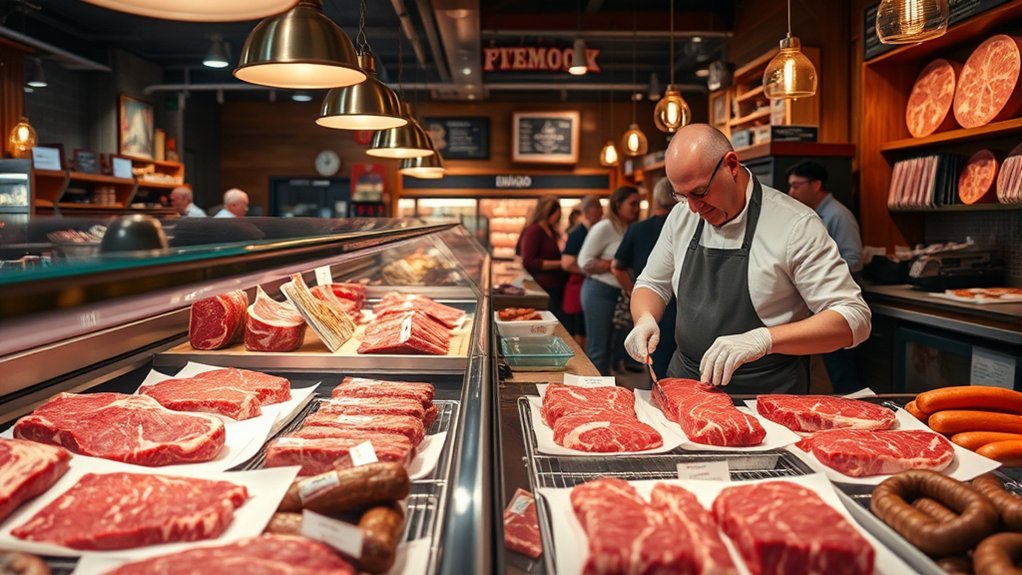
Edmond has several useful places to buy hand-cut steaks, ground beef, pork, poultry, sausages, bulk meat, and ready-to-cook items. The best choice depends on whether you want a broad retail selection, a small family-run shop, custom processing, or help planning a freezer order. This guide compares verified Edmond meat markets and explains how to choose, store, and cook meat safely.
Quick Answer
The best meat markets in Edmond include Southern Steer Butcher for marinated meats, sausages, Wagyu products, and meal add-ons; Butcher House Meats & Market for a family-run selection of beef, chicken, and pork; and Country Home Meats for retail cuts, bulk orders, and custom processing.
Key Takeaways
- Southern Steer is a strong choice for ready-to-cook variety, handmade sausage, marinated meats, Wagyu-labeled products, sides, and seasonings.
- Butcher House is a useful family-run option for straightforward beef, chicken, pork, steaks, and ground beef.
- Country Home Meats stands out for retail cuts, quarter or side orders, custom processing, and state-inspected slaughter services.
- A butcher shop being local does not automatically mean every animal was raised locally. Ask for the farm, processor, grade, inspection mark, and production method.
- Use a food thermometer and follow USDA storage guidance instead of judging safety by color or smell alone.
Business details and published hours were checked on July 23, 2026. Inventory, temporary closures, and holiday schedules can change, so confirm special cuts before making a long trip.
The Best Meat Markets in Edmond: A Quick Overview
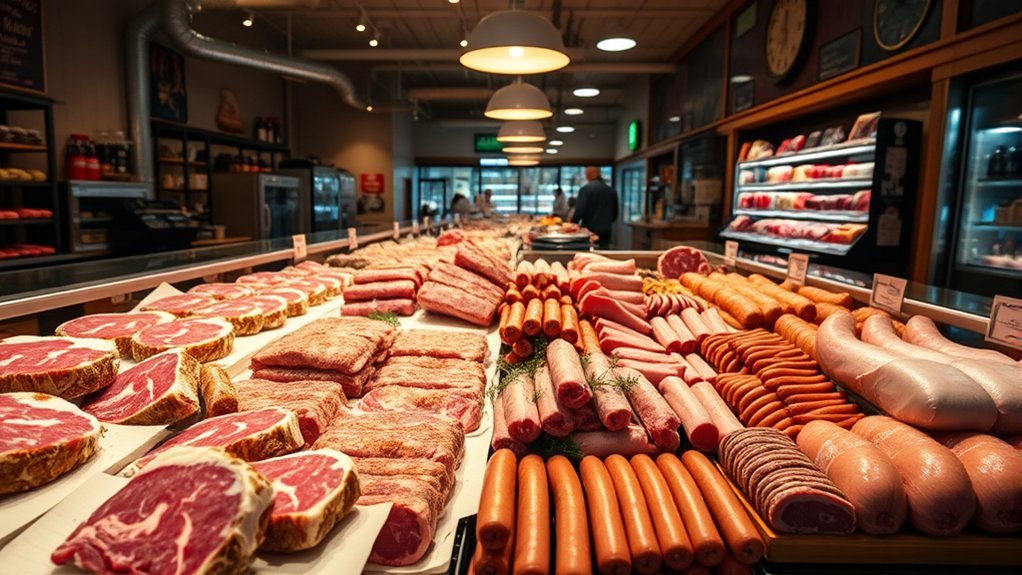
No single shop is best for every buyer. Southern Steer has the broadest ready-to-cook selection and the longest published weekly hours. Butcher House offers a smaller family-run shopping experience. Country Home Meats is better suited to bulk purchases, custom cutting, and animal processing.
Edmond Meat Markets at a Glance
| Market | Best For | Location and Published Hours |
| Southern Steer Butcher | Marinated meats, handmade sausage, Wagyu products, burgers, sides, seasonings, and meal bundles | 1389 E 15th Street. Monday–Saturday, 10 a.m.–7 p.m.; Sunday, 10 a.m.–5 p.m. |
| Butcher House Meats & Market | Family-run service, beef, chicken, pork, steaks, ground beef, sides, and local-market extras | 3620 E I-35 Frontage Road. Tuesday–Friday, 11 a.m.–6 p.m.; Saturday, 10:30 a.m.–5 p.m.; closed Sunday and Monday. |
| Country Home Meats | Retail cuts, bulk beef or pork, quarter and side orders, custom processing, curing, and sausage | 2775 E Waterloo Road. Monday–Friday, 8 a.m.–5 p.m.; closed for lunch from noon–1 p.m. |
Southern Steer Butcher: Best for Ready-to-Cook Variety
Southern Steer Butcher is a good starting point when you want more than plain steaks and ground beef. Its official Edmond page lists marinated chicken, steak tips, pork, handmade sausage, burgers, hot dogs, Wagyu products, take-and-bake sides, seasonings, rubs, marinades, and meal bundles.
The shop is especially practical for weeknight meals, grilling parties, and shoppers who want the butcher counter and side dishes in one stop. It also publishes longer weekly hours than the other verified shops in this guide.
Promotions, limited-edition flavors, Wagyu cuts, dry-aged items, and package contents can change. Call ahead when you need a specific cut, quantity, sausage flavor, or aging style.
Butcher House Meats & Market: Best for Family-Run Service
Butcher House Meats & Market describes itself as a family-run Edmond shop focused on beef, chicken, and pork. Its official website highlights filet mignon, ribeye, and ground beef, while its broader selection may include sides, sweets, seasonings, and other meal add-ons.
This shop is a useful choice when you prefer a smaller market and want to ask directly about the source, cut date, fat ratio, package size, or cooking method. Selection can be narrower than at a large grocery store, so contact the shop before visiting for a large brisket, specialty steak, unusual organ meat, or bulk order.
Country Home Meats: Best for Bulk Meat and Custom Processing
Country Home Meats combines a retail meat counter with custom processing and inspected slaughter services. Its published retail list includes steaks, roasts, brisket, short ribs, ground beef, pork chops, sausage, bacon, chicken, and other freezer-friendly cuts.
This is the strongest verified option in the guide for quarter or side orders, custom processing, curing, sausage preparation, and customers bringing in an animal for processing. The business states that its plant operates under Oklahoma Department of Agriculture regulation.
Bulk orders require more planning than buying a few steaks. Ask about deposit rules, hanging or dressed weight, estimated take-home weight, aging time, cutting instructions, packaging, pickup timing, and the amount of freezer space you will need.
How These Edmond Meat Markets Were Selected
The shops were included because they had a verifiable Edmond address and a current official business page describing their products or services. The comparison also considered butcher service, product range, custom-order options, bulk purchasing, published hours, and suitability for different types of shoppers.
This is a best-by-need comparison, not a claim that one shop has the best-tasting steak for every customer. Meat quality can vary by animal, grade, cut, aging, handling, package date, and cooking method. Inventory also changes throughout the week.
Note: A local storefront does not prove that every product was raised in Oklahoma. Ask the butcher to identify the farm, processor, state of origin, inspection mark, grade, and production claim when local sourcing matters to you.
How to Verify Freshness, Sourcing, and Meat Labels
Start by checking whether the package is cold, intact, and free from tears or leaks. Avoid swollen packages, broken vacuum seals, excessive leakage, or obvious spoilage. However, appearance and smell cannot prove that raw meat is free from harmful bacteria.
Color and smell may reveal spoilage, but they cannot confirm that raw meat is free from harmful bacteria. Safe handling, cold storage, and proper cooking still matter.
When a meat market describes its products as local, natural, grass-fed, grain-finished, prime, choice, dry-aged, or Wagyu, ask what the wording means for that exact product.
- Local: Ask where the animal was raised and where it was processed. A local shop may sell meat from regional or national suppliers.
- USDA Prime, Choice, or Select: These are quality grades. Prime generally has the most marbling, Choice has less, and Select is usually leaner. Not every inspected product is USDA graded because grading is separate from mandatory inspection.
- Natural: USDA labeling rules generally use this term for products that are minimally processed and contain no artificial ingredients. It does not automatically mean organic, grass-fed, locally raised, or antibiotic-free.
- Grass-fed or grain-finished: Ask whether the claim covers the animal’s full feeding period and whether it is supported by a label or certification.
- Wagyu: Ask whether the beef is domestic Wagyu-cross, fullblood, imported, or simply a Wagyu-labeled product. The word alone does not tell you the USDA grade or marbling score.
- Dry-aged: Ask how long the beef was aged, whether it was dry-aged in-house, and whether the displayed price includes trimming loss.
- Ground in-house: Ask when it was ground, which cuts or trimmings were used, and whether the package contains meat from one animal or multiple sources.
Custom cuts are another benefit of a butcher counter. Depending on the shop and available equipment, you may be able to request thicker steaks, trimmed brisket, butterflied chicken breast, stew cubes, kabob meat, thin-sliced beef, split poultry, or a roast sized for your household.
Unique Cuts and Gourmet Products to Try
Edmond meat markets may carry more than the standard supermarket selection. Depending on the shop and day, you may find Wagyu-labeled beef, thick-cut steaks, handmade sausage, marinated chicken, steak tips, stuffed proteins, short ribs, oxtail, beef bacon, smoked sausage, brisket, and freezer bundles.
For steak, choose a cut that matches your budget and cooking method:
- Ribeye: Rich marbling and strong beef flavor; well suited to grilling or pan-searing.
- New York strip: Firm texture with a balance of tenderness and beef flavor.
- Filet mignon: Very tender and leaner than ribeye, but usually more expensive.
- Sirloin: A practical balance of price, flavor, and leanness.
- Flat iron: Tender when trimmed correctly and useful for quick high-heat cooking.
- Flank or skirt steak: Best with fast cooking and thin slicing across the grain.
For slow cooking, smoking, or braising, consider brisket, chuck roast, short ribs, pork shoulder, spare ribs, or beef shank. These cuts contain more connective tissue and become tender when cooked gently for enough time.
Housemade or handmade sausage can be useful for breakfast, pasta, casseroles, grilling, and sheet-pan meals. Ask whether the sausage is fresh, smoked, fully cooked, or raw because storage and cooking requirements differ.
Some markets also sell sauces, marinades, spice rubs, infused oils, bread, desserts, vegetables, and prepared sides. These extras can turn the butcher shop into a one-stop meal stop, but the exact selection may change by season and delivery schedule.
Pro Tip: Ask the butcher which cut offers the best value that day. Staff can often point you toward a less expensive steak, a roast that just arrived, or a cut that fits your cooking time better than your original choice.
Choosing the Best Meat for Your Meal
Choose the cooking method before choosing the meat. Tender steaks work well with fast, high heat. Cuts with more connective tissue usually need slow roasting, smoking, pressure cooking, or braising. Ground meat works well for burgers, meatballs, tacos, chili, and casseroles.
Marbling refers to streaks of fat within the muscle. According to USDA beef guidance, greater marbling is associated with more tenderness, flavor, and juiciness. More marbling may also increase the price, while leaner cuts can still taste excellent when cooked carefully and sliced correctly.
Do not rely on bright red color as the only sign of quality. Beef color can change with oxygen exposure, packaging, and storage. Check the package condition, temperature, label, use-by or sell-by information, cut thickness, fat distribution, and the butcher’s handling advice.
Ask for even thickness when grilling steaks or chops. For brisket, discuss whether you want a whole packer, flat, point, or trimmed brisket. For stew, request cubes large enough to survive slow cooking. For a crowd, tell the butcher whether the meat is boneless or bone-in and what else you are serving.
Best Cuts by Meal Type
| Grilling Steaks | Ribeye, New York strip, sirloin, filet, flat iron |
| Smoking or Slow Cooking | Brisket, chuck roast, pork shoulder, ribs, short ribs |
| Quick Weeknight Meals | Ground beef, chicken thighs, pork chops, sausages, thin-sliced steak |
| Budget-Friendly Cooking | Chuck roast, stew meat, chicken legs, pork shoulder, ground meat |
What to Ask Before You Buy Meat in Edmond
A knowledgeable butcher should be able to explain how a cut is best cooked, how much you need, and whether it can be trimmed or portioned differently. Ask these questions before placing a large or expensive order:
- Where was the animal raised and processed? This distinguishes a local storefront from locally raised meat.
- Is the beef USDA graded? If so, ask whether it is Prime, Choice, Select, or part of another verified program.
- When was this cut or ground? This is especially useful for ground beef and items in a service case.
- Is the meat fresh or previously frozen? Previously frozen meat can still be good quality, but you should know before refreezing it.
- Is this cut better grilled, roasted, smoked, or braised? Matching the cooking method to the cut helps prevent toughness.
- How much should I buy per person? Mention whether the meat is bone-in, boneless, or part of a larger meal.
- Can you cut it thicker, thinner, or trim it? Custom cutting is one of the main advantages of a butcher counter.
- Has it been seasoned, injected, mechanically tenderized, or marinated? Preparation can affect salt levels, cooking time, and safe handling.
- How long can I refrigerate it? Ask whether it should be cooked soon or frozen immediately.
- Can you order this cut for a future date? Large roasts, briskets, specialty steaks, and holiday items may require advance notice.
Questions for a Quarter or Half-Beef Order
Bulk beef can lower the number of shopping trips and give you a range of cuts, but the quoted price may be based on live weight, hanging weight, dressed weight, or packaged take-home weight. These are not the same.
Before paying a deposit, ask for a written explanation of the pricing basis, estimated take-home weight, processing fees, aging period, cutting instructions, ground-beef ratio, packaging, pickup deadline, and cancellation policy. Confirm that your freezer has enough usable space before the order is processed.
Tips for Preparing and Cooking Meat Safely
Good meat still needs safe handling. Keep raw meat separate from bread, salads, cooked food, vegetables, and other ready-to-eat items. Use separate plates and cutting boards, and wash your hands, tools, counters, and thermometer probe after contact with raw meat.
Marinades can add flavor, but they should match the cut. Flank and skirt steak can benefit from a marinade, while a well-marbled ribeye may need only salt and pepper. Always marinate meat in the refrigerator, not on the counter. Do not use raw-meat marinade as a serving sauce unless you boil it safely first.
Use an instant-read or leave-in food thermometer rather than guessing from color. Insert the probe into the thickest part without touching bone, heavy fat, or the cooking surface.
USDA Safe Minimum Internal Temperatures
| Beef, pork, lamb, and veal steaks, chops, and roasts | 145°F, followed by at least a 3-minute rest |
| Ground beef, pork, lamb, and veal | 160°F |
| All poultry, including ground poultry and poultry sausage | 165°F |
| Leftovers and casseroles | 165°F |
After cooking, let steaks, chops, roasts, and poultry rest as appropriate before slicing. Resting improves juice retention, and the required three-minute rest for whole beef, pork, lamb, and veal cuts is part of USDA’s minimum-temperature guidance.
Warning: Do not rely on meat color, clear juices, firmness, or smell to confirm safe doneness. Keep raw meat separate from ready-to-eat food and verify the center temperature with a clean food thermometer.
Pair the meat with vegetables, potatoes, corn, beans, salads, bread, or sauces that suit the season and cooking method. A butcher may also be able to recommend a rub, marinade, side, or less expensive cut that works with the same meal.
How to Store Meat After Shopping
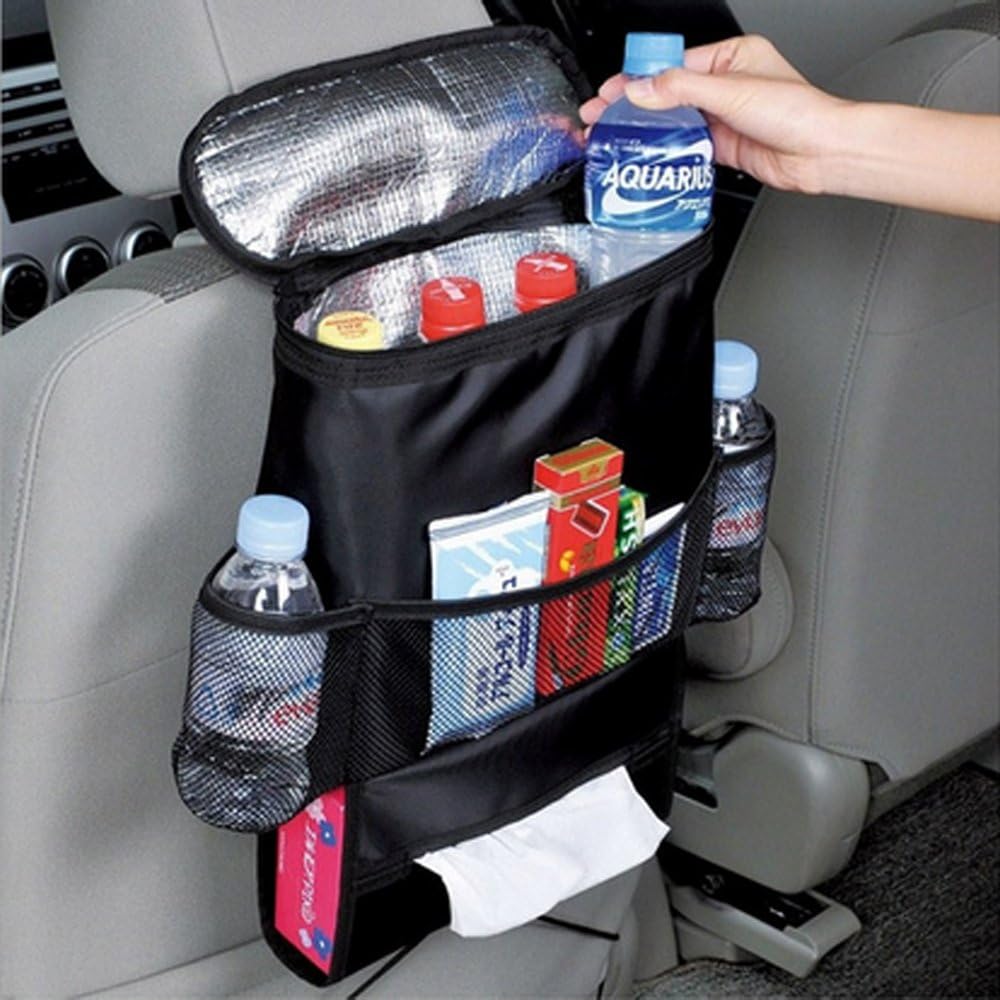
Choose refrigerated and frozen meat near the end of your shopping trip. Bring an insulated cooler or cooler bag when you have a long drive or more errands, especially during hot Oklahoma weather.
Refrigerate perishable meat promptly. USDA guidance recommends refrigeration within two hours, or within one hour when the surrounding temperature is above 90°F. Keep the refrigerator at 40°F or below and the freezer at 0°F or below.
Store raw meat in a sealed container or secure wrapping on a low refrigerator shelf so juices cannot drip onto produce or ready-to-eat food.
General Refrigerator Storage Times
| Ground beef, ground pork, ground lamb, ground poultry, and raw sausage | 1–2 days |
| Fresh chicken or turkey, whole or in pieces | 1–2 days |
| Fresh beef, pork, lamb, or veal steaks, chops, and roasts | 3–5 days |
| Cooked meat or poultry leftovers | 3–4 days |
If you will not use the meat within its recommended refrigerator window, freeze it in airtight wrapping or freezer-safe packaging. Label each package with the cut, weight, and freezing date. Vacuum packaging can reduce freezer burn, but it does not make unsafe handling safe.
Thaw meat in the refrigerator whenever possible. You may also thaw it in a sealed package under cold water, changing the water regularly, or use the microwave. Meat thawed with cold water or a microwave should be cooked promptly.
Meat thawed safely in the refrigerator may generally be refrozen, although quality can decline. If it was thawed using another method, cook it before refreezing.
Frequently Asked Questions
Which grocery store has the highest quality meat?
No single grocery store has the highest-quality meat in every location or category. Compare USDA grade, marbling, package condition, turnover, storage temperature, source information, and staff knowledge. A butcher shop may be better when you need custom thickness, special trimming, bulk quantities, or detailed cooking advice.
What is known as the poor man’s meat?
The phrase has been used for different affordable proteins, including beans, lentils, chuck roast, pork shoulder, stew meat, and chicken legs. For meat shoppers, chuck and pork shoulder offer strong value because slow cooking can turn these less-tender cuts into flavorful meals.
What supermarket has the best quality meat?
The answer varies by location, supplier, cut, delivery date, grade, and turnover. Look for intact cold packaging, clear labels, appropriate USDA grades, good marbling for the cut, and staff who can answer sourcing and handling questions. A dedicated butcher often provides more control over thickness, trimming, and special orders.
Is Aldi’s meat quality meat?
Aldi can provide practical budget-friendly meat, but quality varies by product, supplier, location, and package date. Evaluate the specific cut, USDA grade when shown, marbling, packaging, temperature, and intended cooking method. Choose a local butcher when you need custom cuts, specialty sausage, bulk orders, or more detailed sourcing information.
What should I buy first from a local meat market?
Start with something familiar and easy to compare, such as ground beef, ribeye, sirloin, pork chops, chicken thighs, or sausage. Compare flavor, freshness, package quality, price, and the usefulness of the butcher’s advice before placing a large brisket, roast, quarter-beef, or freezer order.
Are custom cuts worth it?
Custom cuts are useful when thickness, trimming, weight, or preparation affects the recipe. They can help steaks cook evenly, reduce brisket trimming work, provide correctly sized stew cubes, or create a roast that fits your household. Ask whether custom cutting changes the price or requires advance notice.
Which Edmond meat market is best for a quarter or half beef?
Country Home Meats is the clearest verified option in this guide for quarter or side orders and custom processing. Ask how the price is calculated, what processing costs are separate, how much packaged meat to expect, which cuts you can choose, and how much freezer space you will need.
How can I tell whether meat is truly local?
Ask for the farm or ranch name, where the animal was raised, where it was slaughtered and processed, and whether the claim appears on the package. A butcher shop being located in Edmond does not automatically mean every product was raised or processed in Oklahoma.
Conclusion
The best meat market in Edmond depends on what you are buying. Southern Steer Butcher offers a broad ready-to-cook selection, marinated meats, handmade sausage, Wagyu products, sides, and seasonings. Butcher House Meats & Market provides a smaller family-run option for beef, chicken, pork, steaks, and ground beef. Country Home Meats is better suited to bulk orders, custom processing, and freezer planning.
Before buying, consider your cooking method, budget, serving size, storage space, and the amount of butcher guidance you need. Ask where the meat was raised and processed, whether it is graded, when it was cut or ground, and how it should be stored and cooked. Then use a thermometer and USDA storage guidance to protect both flavor and food safety.
Sources
- Southern Steer Butcher: Edmond Location — current address, published hours, products, bundles, sausage, Wagyu offerings, and meal add-ons
- Butcher House Meats & Market — official product focus, address, contact information, and published hours
- Country Home Meats — retail selection, bulk meat, custom processing, inspection information, address, and published hours
- USDA Food Safety and Inspection Service: Safe Minimum Internal Temperatures — cooking temperatures and rest times
- FoodSafety.gov: Cold Food Storage Chart — refrigerator and freezer storage guidance
- USDA Meat and Poultry Labeling Terms — natural, certified, and other meat-label definitions