
Healthy eating does not require a perfect diet, expensive specialty foods, or one exact macronutrient ratio. A more useful approach is to choose mostly nutrient-dense foods, build balanced meals from foods you enjoy, compare packaged products with the Nutrition Facts label, and keep highly processed foods from crowding out vegetables, fruits, protein foods, whole grains, and other nourishing choices.
Quick Answer
Healthy food choices are built around nutrient-dense, mostly whole or minimally processed foods such as vegetables, fruits, protein foods, whole grains, and sources of healthy fats. Instead of chasing one perfect macro ratio, choose a balanced pattern that fits your energy needs, use food labels to compare products, and adjust your eating plan for your health needs.
Key Takeaways
- Focus on overall eating patterns rather than judging a diet by one nutrient, ingredient, or meal.
- There is no universal 40/30/30 macronutrient ratio that everyone needs to follow.
- Choose a variety of vegetables, fruits, protein foods, whole grains, and foods that provide healthy fats.
- Use serving size, added sugars, sodium, saturated fat, fiber, and % Daily Value to compare packaged foods.
- Limit highly processed foods without assuming that every processed food or individual food additive is automatically unhealthy.
Why Nutrient Density Matters in Your Diet
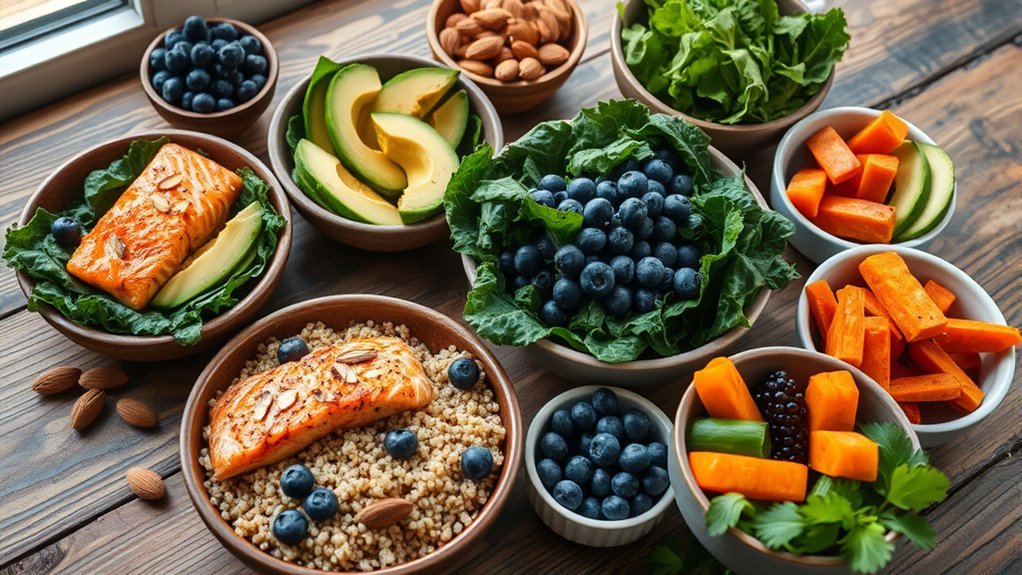
Nutrient density describes how much useful nutrition a food provides relative to its calories. Nutrient-dense foods can supply protein, fiber, vitamins, minerals, essential fatty acids, and other beneficial components without relying heavily on added sugars, refined starches, or excess sodium.
That does not mean the healthiest food is always the lowest-calorie food. Nuts, seeds, avocados, eggs, dairy products, and oily fish can be calorie-dense while also supplying valuable nutrients. The goal is to look at the food as a whole.
The current Dietary Guidelines for Americans, 2025–2030 emphasize whole, nutrient-dense foods. For a 2,000-calorie dietary pattern, the guidelines give example goals of three servings of vegetables and two servings of fruit per day, along with two to four servings of whole grains, adjusted as needed for individual calorie requirements.
A varied diet also makes it easier to obtain different nutrients. Rotate vegetables, fruits, grains, legumes, seafood, eggs, meats, dairy foods, nuts, seeds, and other foods that fit your preferences rather than relying on a short list of foods labeled as “superfoods.”
Note: Frozen and canned foods can still be nutritious choices. Frozen vegetables, canned beans, canned fish, plain yogurt, and similar foods are processed, but processing alone does not make a food unhealthy.
Macronutrient Ratios for Balanced Meals
Carbohydrates, fats, and proteins all have important roles, but there is no single macronutrient ratio that is ideal for every healthy adult. The National Academies’ Acceptable Macronutrient Distribution Ranges for adults are 45% to 65% of energy from carbohydrates, 20% to 35% from fat, and 10% to 35% from protein. These are broad population ranges, not a personal meal prescription.
Your ideal intake can vary with your age, body size, activity level, total calorie needs, food preferences, athletic goals, pregnancy status, and medical conditions. That is why a rigid 40% carbohydrate, 30% fat, and 30% protein target should not be treated as a universal rule.
Instead of calculating percentages at every meal, build meals from several food groups:
- Protein: fish, eggs, poultry, lean meat, beans, lentils, tofu, tempeh, yogurt, cottage cheese, nuts, or seeds.
- Fiber-rich carbohydrates: oats, brown rice, quinoa, barley, whole-grain bread, beans, potatoes, fruit, and other minimally processed carbohydrate foods.
- Vegetables and fruits: choose several colors and rotate varieties throughout the week.
- Sources of fat: nuts, seeds, olives, avocado, seafood, olive oil, avocado oil, dairy foods, eggs, and other foods that fit your overall eating pattern.
How to Build a Balanced Meal in 5 Steps
- Start with vegetables or fruit. Add one or more produce choices that you enjoy. Fresh, frozen, dried, and canned options can all work when they fit your nutritional needs.
- Add a protein food. Choose eggs, seafood, poultry, meat, beans, lentils, soy foods, dairy, nuts, seeds, or another protein source.
- Choose a fiber-rich carbohydrate when appropriate. Whole grains, legumes, potatoes, fruit, and other minimally processed carbohydrate foods can provide energy, fiber, vitamins, and minerals.
- Include a source of fat. This may already come from foods such as salmon, eggs, nuts, seeds, dairy, avocado, or the oil used in cooking.
- Choose your drink deliberately. Water and unsweetened beverages are simple everyday options. Sugar-sweetened drinks can add substantial added sugar without making a meal more filling.
Pro Tip: You do not need every meal to be nutritionally perfect. Look at the pattern across the day and week. A simple meal can still be balanced, such as beans with brown rice and vegetables, eggs with whole-grain toast and fruit, or salmon with potatoes and a salad.
How to Pick Healthy Fats and Proteins
Quality matters, but avoid assuming that one production label automatically makes a food more nutritious. Use a combination of the Nutrition Facts label, ingredient list, preparation method, price, and your overall dietary pattern.
- Cooking fats: Olive oil is one option specifically highlighted in current federal guidance. Avocado oil can also be useful for cooking. Butter can fit in a balanced diet, but it is a concentrated source of saturated fat, so portion size and the rest of your diet still matter.
- Eggs: Eggs provide protein and several micronutrients. Pasture-raised eggs may appeal to you for production-method reasons, but “pasture-raised” does not guarantee a particular omega-3 content. If omega-3 content matters to you, look for a substantiated omega-3 claim or nutrition information.
- Fish: Salmon is a useful source of protein and omega-3 fatty acids. Both wild-caught and farmed seafood can contribute valuable nutrients. The FDA’s fish advice lists salmon among lower-mercury choices, so you do not need to assume that only wild Alaskan salmon is suitable.
- Plant proteins: Beans, peas, lentils, soy foods, nuts, and seeds can add protein, fiber, minerals, and variety.
- Meat and poultry: Choose portions and preparation methods that fit your needs. Baking, roasting, grilling, broiling, and stir-frying can reduce reliance on deep frying.
- Whole-grain bread: For the carbohydrate part of your meal, look for products that list a whole grain such as whole wheat or whole oats prominently in the ingredient list and compare fiber, sodium, and added sugars between products.
Avoid reducing fat quality to claims that one oil is “inflammatory” and another is automatically healthy. The type of food, cooking method, amount used, total saturated-fat intake, and overall dietary pattern provide more useful context.
The Dangers of Highly Processed Foods
Processing exists on a spectrum. Washing, freezing, fermenting, canning, cooking, and pasteurizing are all forms of processing, and many processed foods can be part of a nutritious diet. The bigger concern is an eating pattern dominated by highly processed foods that are rich in added sugars, refined carbohydrates, sodium, or calories while providing relatively little fiber and other nutrients.
In a small randomized inpatient study conducted by the National Institutes of Health, adults consumed more calories and gained weight while eating an ultra-processed diet compared with an unprocessed diet, even though the diets offered to participants were designed to be similar in several nutritional characteristics. You can read the NIH study summary.
Current federal dietary guidance also recommends limiting highly processed packaged and ready-to-eat foods that are especially high in added sugars and sodium. Examples can include candy, cookies, chips, sugary drinks, and similar foods when they make up a large share of the diet.
At the same time, do not judge a food only because its ingredient list contains a term such as monoglycerides, DATEM, or an artificial flavor. One ingredient does not reveal the food’s entire nutritional quality. Look at the overall pattern: serving size, calories if relevant to your goals, fiber, protein, saturated fat, sodium, added sugars, and how often you eat the product.
Warning: Do not make major dietary restrictions solely because an ingredient name sounds unfamiliar. If you have a diagnosed allergy, intolerance, metabolic condition, kidney disease, diabetes, or another condition requiring dietary restrictions, follow guidance from your health care professional.
How to Read Food Labels Like a Pro
The FDA Nutrition Facts label gives you a consistent way to compare packaged foods. Start with the serving size, then look at nutrients that matter for your goals.
FDA’s general guide to % Daily Value is simple: 5% DV or less per serving is considered low, while 20% DV or more is considered high.
- Check serving size first. Nutrition numbers usually apply to one labeled serving. FDA serving sizes reflect amounts people typically consume; they are not recommendations for how much you personally should eat.
- Compare added sugars. Added sugars are listed separately from total sugars. Compare similar products and choose the option that fits your overall eating pattern.
- Look at dietary fiber. The FDA Daily Value for fiber is 28 grams. Rather than treating 3 grams per serving as a universal cutoff, use %DV and compare similar foods.
- Check sodium. This is especially useful when comparing breads, soups, sauces, frozen meals, snacks, and deli meats.
- Review saturated fat. Consider how the food fits with the rest of your daily intake rather than judging it in isolation.
- Read the ingredient list. Ingredients are listed from greatest to least predominance by weight. For grain foods, ingredients such as whole wheat, whole oats, brown rice, or another whole grain near the beginning can help identify whole-grain options.
- Do not rely on package-front marketing. Words such as “natural,” “multigrain,” or “made with whole grains” do not tell you the complete nutrition profile.
For deli meats, compare the Nutrition Facts panel and ingredient list instead of assuming a brand such as Applegate is automatically the healthiest option. Sodium, saturated fat, serving size, ingredients, price, and how often you eat the product are all relevant.
Easy Ways to Add Whole Foods to Your Meals
Adding more whole and minimally processed foods does not have to mean rebuilding your entire diet overnight. Small substitutions can make meals more nutrient-dense while keeping them familiar.
Cooking more of these meals at home is easier when your pans and basic tools are up to the job, and Casabux covers that side of the kitchen in detail.
- Add fruit to oatmeal, yogurt, or breakfast instead of trying to create an entirely new meal.
- Add a frozen vegetable to pasta, rice, soup, or a stir-fry.
- Keep canned beans or lentils available for quick salads, soups, bowls, and tacos.
- Try whole grains such as quinoa, brown rice, oats, barley, or whole-wheat bread.
- Add nuts or seeds to oatmeal, yogurt, salads, or snacks when they suit your calorie and allergy needs.
- Use herbs, spices, citrus, yogurt, tahini, or simple homemade dressings to add flavor.
- Choose frozen or canned produce when fresh produce is expensive or likely to spoil before you use it.
For a 2,000-calorie pattern, current federal guidance gives an example target of three vegetable servings and two fruit servings per day, but individual needs vary with calorie requirements. You do not have to reach that target in one meal.
When choosing a snack, consider what the rest of your day needs. For example, pairing a carbohydrate-heavy snack with yogurt, nuts, cheese, eggs, or another source of protein may make it more substantial. If you eat snacks such as PopCorners, you can also review this guide to protein-rich foods and think about how the entire snack fits your dietary needs.
How to Make Healthy Food Choices on a Budget
Nutrient-dense eating does not require premium labels or specialty products. Some of the most useful staples are inexpensive and store well.
- Buy dried or canned beans and lentils.
- Use oats, brown rice, potatoes, or other affordable staple carbohydrates.
- Choose frozen vegetables and fruits when fresh options are costly.
- Compare unit prices instead of package prices alone.
- Buy store brands when the nutrition profile is similar.
- Plan several meals around the same perishable ingredients so less food goes to waste.
- Keep inexpensive proteins such as eggs, beans, canned fish, yogurt, or tofu available when they fit your preferences.
The most expensive version of a food is not automatically the most nutritious. Organic, grass-fed, pasture-raised, wild-caught, non-GMO, and similar labels can reflect production preferences, but they should not replace basic nutrition comparisons.
How to Develop a Healthy Relationship With Food
A healthy relationship with food includes nutrition, but it also leaves room for enjoyment, culture, convenience, budget, celebrations, and personal preference. You do not have to label every food as “good” or “bad.”
- Enjoy a variety of foods without treating one meal as a success or failure.
- Make gradual changes rather than repeatedly starting restrictive diets.
- Cook at home more often when it is practical, but do not assume homemade food is automatically nutritionally balanced.
- Experiment with new recipes, vegetables, grains, proteins, and seasonings.
- Pay attention to hunger, fullness, energy, digestion, and satisfaction.
- Return to your normal eating pattern after holidays or restaurant meals instead of trying to compensate with extreme restriction.
- Consult a registered dietitian when you need individualized nutrition guidance.
Phrases such as “getting back on track” can make eating feel like a pass-or-fail test. A more sustainable approach is to think in terms of your overall pattern and the next practical choice you can make.
When Your Diet Needs Personalization
General healthy-eating advice is not a substitute for individualized medical nutrition care. Your needs may differ substantially if you are pregnant, breastfeeding, an older adult, a competitive athlete, following a vegetarian or vegan diet, managing food allergies, or living with diabetes, kidney disease, gastrointestinal disease, cardiovascular disease, or another chronic condition.
You should also seek professional support if food rules, guilt, binge eating, restrictive eating, or fear of specific foods are interfering with your health or daily life. A registered dietitian and appropriate health care professional can help tailor nutrition advice to your situation.
Frequently Asked Questions
How Do Emotional Factors Influence Our Food Choices?
Stress, mood, habit, social situations, memories, convenience, and learned associations can all affect what and how much you eat. Eating for comfort sometimes is normal. If emotional eating frequently causes distress or feels difficult to control, a registered dietitian or mental health professional can help you identify useful strategies.
What Role Does Food Sustainability Play in Health?
Sustainability and nutrition overlap, but they are not the same question. Choosing seasonal foods, reducing food waste, using more plant proteins, and selecting foods that fit your local food system can support environmental goals. A sustainable food choice should still meet your nutritional, cultural, financial, and practical needs.
Can Cooking Methods Affect Nutrient Retention?
Yes. Heat, water, cooking time, and food preparation can change nutrient levels. Long boiling can reduce some water-soluble vitamins, especially when the cooking water is discarded, while cooking can also improve digestibility and the availability of certain compounds. Using a mix of raw, steamed, roasted, sautéed, microwaved, and other appropriate preparations provides variety.
How Does Food Variety Impact Gut Health?
A varied diet can provide different types of fiber and other substrates used by gut microorganisms. Vegetables, fruits, legumes, whole grains, nuts, seeds, and fermented foods can all contribute. You do not need to chase a particular microbiome score; focus on dietary variety and foods that you tolerate well.
What Are the Benefits of Mindful Eating Practices?
Mindful eating encourages you to notice hunger, fullness, taste, texture, satisfaction, and the circumstances around eating. It can help you slow down and make eating more intentional, but it is a tool rather than a strict diet rule.
Is a 40/30/30 Macronutrient Ratio the Healthiest Choice?
Not for everyone. A 40% carbohydrate, 30% fat, and 30% protein pattern can fit some people’s preferences, but it is not a universal recommendation. Adult macronutrient needs fall within broad ranges, and your ideal intake depends on factors such as total energy needs, activity, health status, and personal preferences.
Are All Processed Foods Unhealthy?
No. Processing includes freezing, cooking, fermenting, pasteurizing, and canning. Foods such as frozen vegetables, canned beans, plain yogurt, canned fish, and whole-grain bread can be useful parts of a nutritious diet. Focus more on the food’s overall nutrient profile and how often you eat it than on whether it has been processed at all.
Conclusion
Healthy food choices are easier to sustain when you stop looking for one perfect food, ingredient, or macronutrient ratio. Build most meals around nutrient-dense foods, include a variety of vegetables and fruits, choose protein foods and fiber-rich carbohydrates that fit your needs, use fats thoughtfully, and compare packaged foods with the Nutrition Facts label. Highly processed foods can still fit occasionally, but they should not crowd out foods that provide the nutrients your body needs. Consistency across weeks and months matters more than making every meal perfect.
Sources
- Dietary Guidelines for Americans, 2025–2030 — current federal guidance on nutrient-dense foods, vegetables, fruits, whole grains, fats, highly processed foods, and individualized needs.
- National Academies: Acceptable Macronutrient Distribution Ranges — adult carbohydrate, fat, and protein intake ranges.
- U.S. Food and Drug Administration: How to Understand and Use the Nutrition Facts Label — serving size, % Daily Value, fiber, added sugars, and label interpretation.
- National Institutes of Health: Ultra-Processed Food Controlled Feeding Study — randomized inpatient evidence on calorie intake and body weight.
- U.S. Food and Drug Administration: Advice About Eating Fish — guidance on lower-mercury seafood choices, including salmon.