What is health? Health is more than simply being free from illness. It includes your physical, mental, and social well-being, along with your ability to function, cope with challenges, and take part in everyday life. Healthy habits can support that well-being, but genetics, environment, income, relationships, and access to healthcare also matter.
Quick Answer
Health is your overall physical, mental, and social well-being, not simply the absence of disease. Good health is supported by nutritious food, regular activity, enough sleep, supportive relationships, avoiding tobacco, limiting alcohol, managing stress, and appropriate preventive care. Your genes, environment, circumstances, and healthcare access also affect your health.
What Is Health and What Does It Mean to Be Healthy?
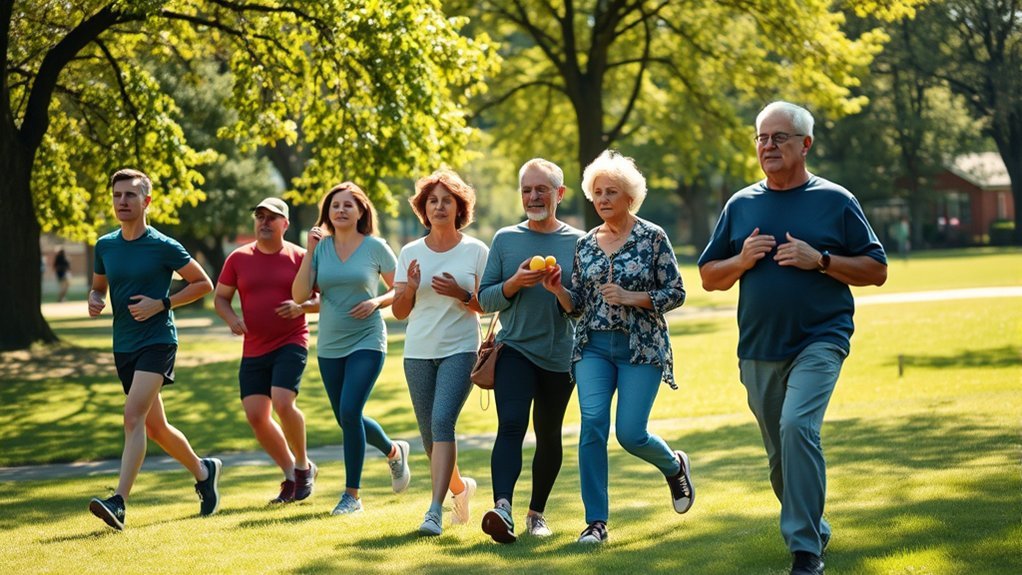
Being healthy means supporting several parts of your well-being at the same time. The World Health Organization describes health as physical, mental, and social well-being rather than merely the absence of disease or infirmity.
That definition matters because health is not a simple pass-or-fail condition. A person can live with a chronic illness or disability while still having strong relationships, good mental well-being, useful coping skills, and a meaningful daily life.
Your daily choices can influence many health risks. Eating a balanced diet, moving regularly, getting enough sleep, avoiding tobacco, limiting alcohol, and receiving appropriate preventive care can all support long-term health. However, these habits do not guarantee that illness will never occur.
Understanding the Factors That Influence Your Health
Your health develops through a combination of biology, behavior, environment, and life circumstances. Some factors are within your control, while others are not.
Genes and family history may affect your likelihood of developing certain conditions. At the same time, the places where you live and work can influence your exposure to pollution, safe housing, healthy foods, transportation, healthcare, and opportunities for physical activity.
The CDC calls these nonmedical influences social determinants of health. They include economic stability, education, healthcare access and quality, neighborhood conditions, and social and community circumstances.
- Genetics and family history: Inherited traits can raise or lower susceptibility to some conditions.
- Environment: Air quality, housing, workplace conditions, transportation, and access to healthy food can affect health.
- Social and economic conditions: Income, education, employment, discrimination, and social support can influence both risks and access to care.
- Daily behavior: Food choices, physical activity, sleep, smoking, alcohol use, and stress-management habits can affect health over time.
Understanding these influences helps you focus on realistic changes rather than treating health as a matter of willpower alone.
How Mental and Physical Health Work Together
Mental and physical health are closely connected. Changes in one can affect the other, which is why overall well-being should include both rather than treating them as separate concerns.
The National Institute of Mental Health describes mental health as emotional, psychological, and social well-being. It also recommends self-care practices such as regular exercise, healthy meals, adequate sleep, relaxation, social connection, and setting realistic priorities.
Mental and physical health affect each other, so supporting one part of your well-being can also help the other.
Physical activity, for example, can support mood as well as cardiovascular and metabolic health. Poor sleep can affect attention, mood, energy, and physical health. Long-term illness can also create emotional stress, while mental health problems may make it harder to maintain daily routines.
Good health therefore does not mean feeling positive all the time. It includes being able to recognize problems, use healthy coping strategies, seek support, and obtain professional care when symptoms interfere with daily life.
Practical Strategies for Improving Your Health
You do not need to change every habit at once. A few consistent behaviors usually provide a more realistic foundation than an extreme diet, exercise program, or short-term wellness challenge.
| Health area | Practical guidance |
|---|---|
| Physical activity | Adults should aim for at least 150 minutes of moderate aerobic activity or 75 minutes of vigorous activity per week, plus muscle-strengthening activity on at least 2 days. |
| Sleep | CDC guidance lists 7 or more hours for adults ages 18–60, 7–9 hours for ages 61–64, and 7–8 hours for adults 65 and older. |
| Nutrition | Choose a varied eating pattern built around vegetables, fruits, whole grains, protein foods, and other nutrient-rich choices rather than relying on one fixed food target for everyone. |
| Preventive care | Screening needs depend on age, sex, medical history, family history, pregnancy status, previous results, and other risk factors. |
The CDC adult physical activity recommendations also emphasize that some activity is better than none. You can spread activity across the week instead of completing it in one long session.
For sleep, the CDC sleep recommendations vary by age. Sleep quality matters too; regularly waking during the night or remaining tired despite enough time in bed may deserve medical attention.
Nutrition does not have one universal daily number that suits every adult. Energy and food-group needs vary with age, sex, body size, activity, pregnancy, breastfeeding, medical conditions, and other factors.
The CDC’s chronic disease prevention guidance recommends a balanced eating pattern, regular physical activity, adequate sleep, avoiding smoking, limiting excessive alcohol use, knowing your family history, and using preventive services.
Stress management is another part of health. Techniques such as slow breathing, relaxation, regular activity, social connection, and setting manageable priorities may help you cope with everyday stress.
Note: General health targets do not replace individualized medical advice. If you have a chronic condition, significant symptoms, pregnancy, a disability, or concerns about starting vigorous exercise or changing your diet, discuss the plan with a qualified healthcare professional.
Why Do Regular Health Checks Matter?
Preventive care can identify certain health problems before they cause noticeable symptoms. However, the right tests and intervals depend on your personal risk rather than one universal schedule for everyone.
Blood pressure is one example. The U.S. Preventive Services Task Force recommends hypertension screening for adults age 18 and older who do not already have diagnosed hypertension, with measurements outside the clinic used to confirm a diagnosis before treatment.
Other preventive services may include appropriate cholesterol testing, diabetes screening, vaccinations, cancer screening, dental care, and discussions about tobacco, alcohol, mental health, reproductive health, or other risks. Which services apply to you depends on factors such as age, family history, past test results, medications, and existing medical conditions.
- Know your family history. Conditions that appear repeatedly or at unusually young ages in close relatives may affect your screening needs.
- Keep useful records. Bring medication lists, previous test results, vaccination history, and important family-history details to appointments.
- Ask what each test is for. A screening test should have a clear purpose based on your age or risk factors.
- Follow up on abnormal results. Screening is useful only when abnormal findings receive appropriate confirmation and care.
Frequently Asked Questions
What Is the 3-3-3 Rule for Health?
There is no single evidence-based “3-3-3 rule for health” recognized as a general medical guideline. The phrase is used online for several unrelated routines, so a claim such as taking a three-minute break every three hours should not be treated as a universal health standard. Follow established guidance for the specific issue you are addressing.
What Are the 7 Essential Health Skills?
In school health education, seven commonly identified skills are analyzing influences, accessing valid information and resources, interpersonal communication, decision-making, goal-setting, practicing health-enhancing behaviors, and advocacy. These appear in the skill standards described by the CDC Health Education Curriculum Analysis Tool.
What Are the 5 C’s in Health Care?
There is no single universal set of “5 C’s” used throughout healthcare. Different nursing, communication, telemedicine, marketing, and patient-care frameworks use different words. If a course, employer, or healthcare organization asks about the 5 C’s, use the specific framework that organization identifies rather than assuming one list applies everywhere.
What Are the 7 Pillars of Health?
There is no universally accepted medical list called the seven pillars of health. Different wellness programs create their own versions. A practical evidence-based approach is to consider nutrition, physical activity, sleep, mental well-being, social connection, avoidance of harmful substances, and preventive healthcare as important parts of overall health.
Conclusion
Good health comes from the interaction of your body, mind, relationships, environment, and access to care. Focus on sustainable habits you can maintain, know your personal and family risk factors, and use preventive care based on your individual needs rather than trying to meet a single definition of “perfect” health.
Sources
- World Health Organization Constitution: Definition of health and its physical, mental, and social dimensions.
- CDC — Social Determinants of Health: Nonmedical factors that influence health outcomes.
- National Institute of Mental Health — Caring for Your Mental Health: Mental well-being and practical self-care guidance.
- CDC — Adult Physical Activity Guidelines: Weekly aerobic and muscle-strengthening recommendations.
- CDC — About Sleep: Recommended sleep duration by age and healthy sleep guidance.
- CDC — Preventing Chronic Diseases: Nutrition, activity, smoking, alcohol, sleep, preventive care, and family-history guidance.
- U.S. Preventive Services Task Force — Hypertension Screening: Blood-pressure screening recommendation for adults.
- CDC — Health Education Curriculum Analysis Tool: Health education skill standards.