Full face mountain bike helmets for [2026] are pushing safety, fit, and airflow in new directions. Models such as the Mongoose Title, Demon United FR Link, and several ILM and OutdoorMaster options show how much variety riders now have. Some focus on lighter shells, while others emphasize ventilation or broader certification. The differences are not always obvious at first glance, and that is where the real decision begins.
Key Takeaways
- Look for helmets meeting current safety standards like CPSC, ASTM F1952, CE EN1078, or DOT/FMVS S 218 certification.
- Prioritize fit and comfort features such as adjustable straps, removable padding, and multiple cheek pad sizes for a secure ride.
- Choose lightweight models with strong ventilation, especially if you ride enduro, BMX, or long downhill trails.
- Ensure goggle compatibility, effective visor design, and airflow channels to reduce fogging and improve visibility.
- Consider versatile options like removable chin guards, plus durable shells such as polycarbonate, ABS, or EPS foam.
Mongoose Title Full Face Helmet
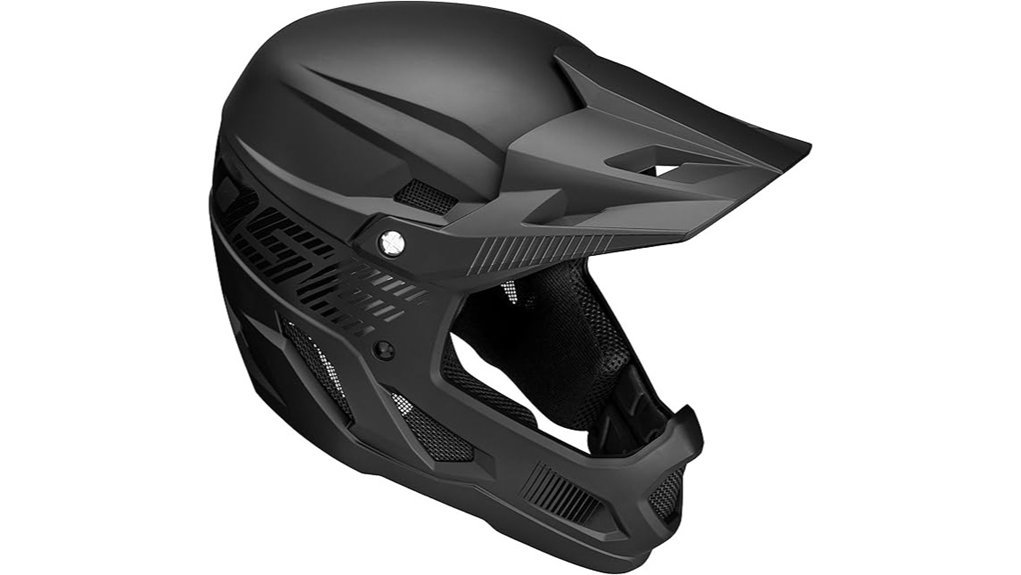
The Mongoose Title Full Face Helmet is a strong choice for riders seeking an affordable full-face option with solid protection and reliable comfort. Designed for downhill and BMX use, it fits head circumferences of 59 to 60 cm and suits beginners through advanced riders. Its ABS hardshell and EPS foam core help balance durability with impact resistance, while CPSC and ASTM F1952 compliance adds reassurance. Ten vents improve airflow, and the removable padding supports easy cleaning. A pivoting visor and goggle channel enhance ride practicality. Mongoose’s long BMX heritage further strengthens its appeal.
Best For: Beginner to advanced downhill and BMX riders with head circumferences of 59–60 cm who want an affordable full-face helmet with solid protection and comfort.
Pros:
- Meets CPSC and ASTM F1952 downhill safety standards for added peace of mind.
- ABS hardshell and EPS foam core provide a durable, protective build.
- Ten vents, removable padding, pivoting visor, and goggle channel improve comfort and usability.
Cons:
- Limited to a specific head size range of 59–60 cm.
- Full-face design may feel heavier or less breathable than half-shell helmets.
- Best suited for cycling/BMX/downhill use rather than everyday casual riding.
Demon United FR Link Fullface Mountain Bike Helmet
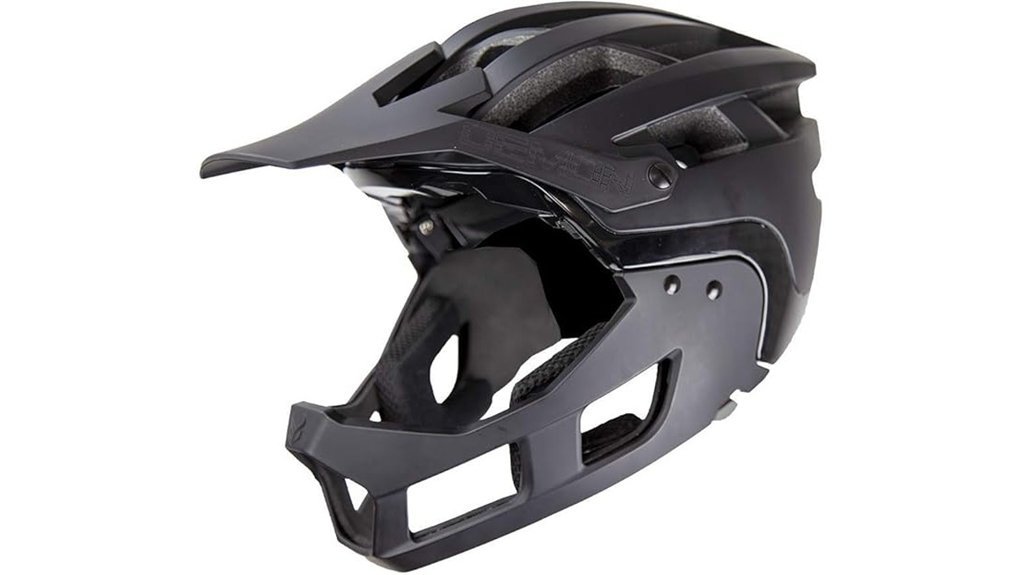
With its removable chin guard, the Demon United FR Link suits riders who want full-face protection and versatility. The Demon United FR Link System Mountain Bike Helmet uses a FR LINK Freeride design with a polycarbonate outer shell and foam interior. At 1.8 pounds, it remains relatively light for an adult full-face model. A head cinch adjuster and adjustable strap help secure the one-size fit for 58 cm to 61 cm heads. Two cheek pad sizes improve comfort, while ventilation supports airflow. It is aimed at XC and Freeride cycling, balancing safety, function, and style.
Best For: Adult XC and freeride mountain bikers who want a lightweight full-face helmet with removable chin guard protection and a secure, comfortable fit.
Pros:
- Removable chin guard adds versatility for different riding styles and conditions.
- Lightweight full-face design at 1.8 lbs helps reduce fatigue.
- Adjustable strap, head cinch, and multiple cheek pad sizes improve fit and comfort.
Cons:
- One-size fit may not work well for riders outside the 58 cm–61 cm range.
- Full-face design may feel bulky compared with half-shell helmets.
- Limited sizing options could make fine-tuning fit more difficult for some users.
OutdoorMaster Full Face Mountain Bike Helmet
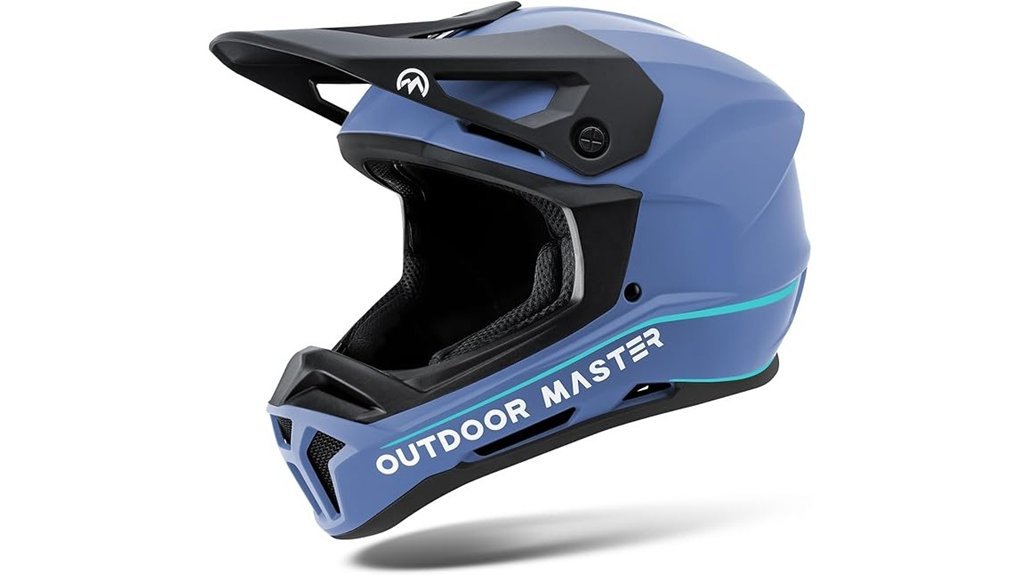
OutdoorMaster’s full face helmet suits riders wanting broad protection for BMX, mountain biking, skateboarding, and downhill cycling. Model OM-HJSJ501 uses a tough ABS outer shell and high-density EPS foam to help absorb impacts during demanding rides. Designed for men and women ages 5 and older, it combines adjustable chin straps with removable padding for a more personalized fit. Multiple vents and moisture-wicking padding support airflow and comfort on longer sessions. A goggle-strap channel keeps eyewear secure, while the pivoting visor helps shield from sun, wind, and rain, making it a practical cycling option.
Best For: Riders ages 5 and up who want a full-face helmet for BMX, mountain biking, skateboarding, or downhill cycling with extra protection and a customizable fit.
Pros:
- Tough ABS shell and high-density EPS foam provide strong impact protection.
- Adjustable chin straps and removable padding help create a more comfortable, personalized fit.
- Multiple vents, moisture-wicking padding, goggle-strap channel, and pivoting visor improve comfort and usability.
Cons:
- Full-face design may feel bulkier and warmer than an open-face helmet.
- Best suited for cycling and action sports, so it may be less versatile for casual everyday use.
- Adjustable fit and padding may still require trial and adjustment to get the right fit.
ILM Full Face Mountain Bike Helmet (ZL-B068)
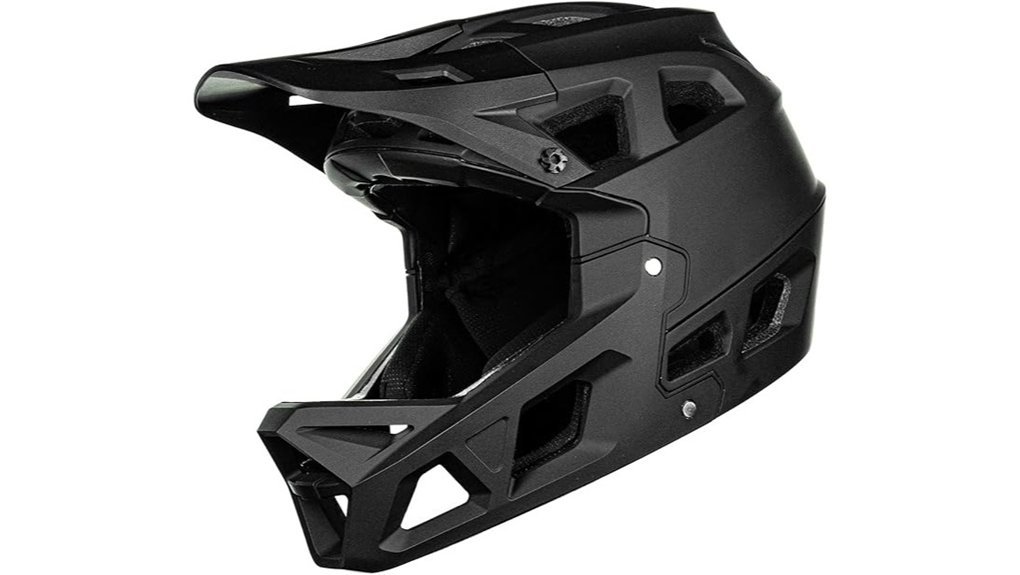
Built for riders who prioritize certified protection, the ILM Full Face Mountain Bike Helmet (ZL-B068) balances safety and comfort. It meets ASTM-F1447, CPSC 16 CFR Part 1203, and CE EN1078 standards, using a PC shell with EPS foam and an ABS chin bar with EPP foam for reinforced impact absorption. At about 700 grams, it helps limit strain on the neck and shoulders. Multiple vents promote airflow, while the wide visor adds sun coverage. A removable, washable liner simplifies upkeep, and the helmet works with goggles for adaptable trail use.
Best For: Riders who want a lightweight, certified full-face mountain bike helmet with strong protection, good ventilation, and goggle compatibility for trail riding.
Pros:
- Meets ASTM-F1447, CPSC 16 CFR Part 1203, and CE EN1078 safety standards for dependable protection.
- Lightweight at about 700 grams, helping reduce neck and shoulder strain.
- Multiple vents, a wide visor, and a removable washable liner improve comfort and convenience.
Cons:
- Goggles are not included, so you’ll need to buy them separately if desired.
- Full-face design may feel bulkier than standard bike helmets for some riders.
- Best suited for mountain biking, so it may be less versatile for casual everyday cycling.
ILM Full Face Mountain Bike Helmet HT58
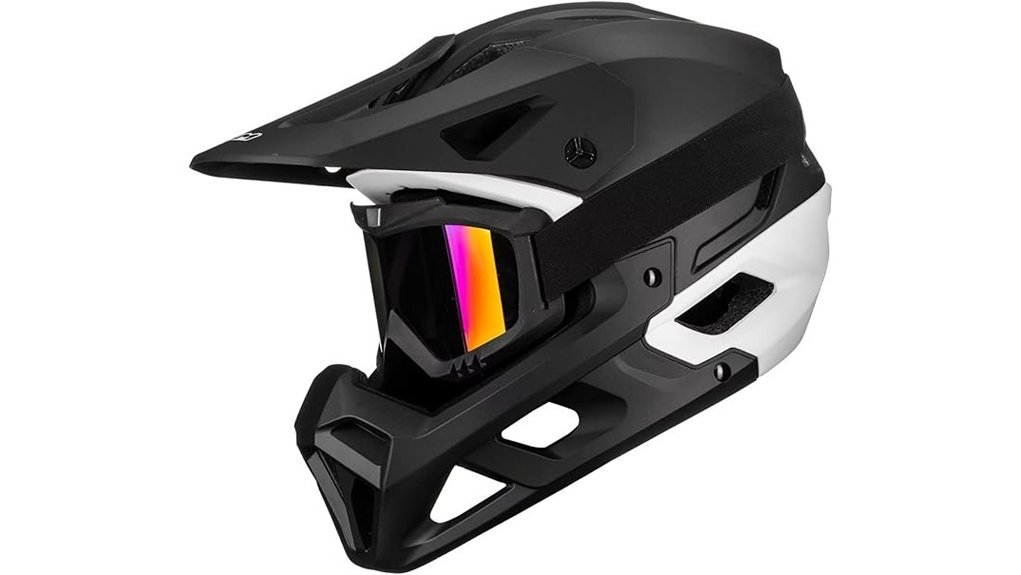
The ILM HT58 suits riders seeking affordable full-face protection with added comfort. Built for unisex adults, it uses a polycarbonate outer shell and expanded polypropylene inner layer, with an EPP-reinforced chin bar for stronger impact absorption. It is tested to ASTM F1447 and CPSC standards and provides extended facial coverage for mountain biking and BMX. A removable, washable liner and adjustable buckle system help refine fit and freshness. The included goggles add foam-padded comfort, while multiple vents improve airflow on climbs and descents. An adjustable visor supports changing trail light.
Best For: Riders who want an affordable full-face mountain bike or BMX helmet with solid protection, comfort features, and good ventilation.
Pros:
- ASTM F1447 and CPSC tested for trusted safety coverage
- Removable, washable liner plus adjustable fit system for convenience
- Included goggles, multiple vents, and adjustable visor improve comfort and usability
Cons:
- At 2.5 pounds, it may feel a bit heavy for some riders
- Full-face design can be warmer than open-face helmets in very hot conditions
- Best suited for MTB and BMX, so it may be less versatile for other cycling styles
Bell Servo Adult BMX Helmet, Matte Black
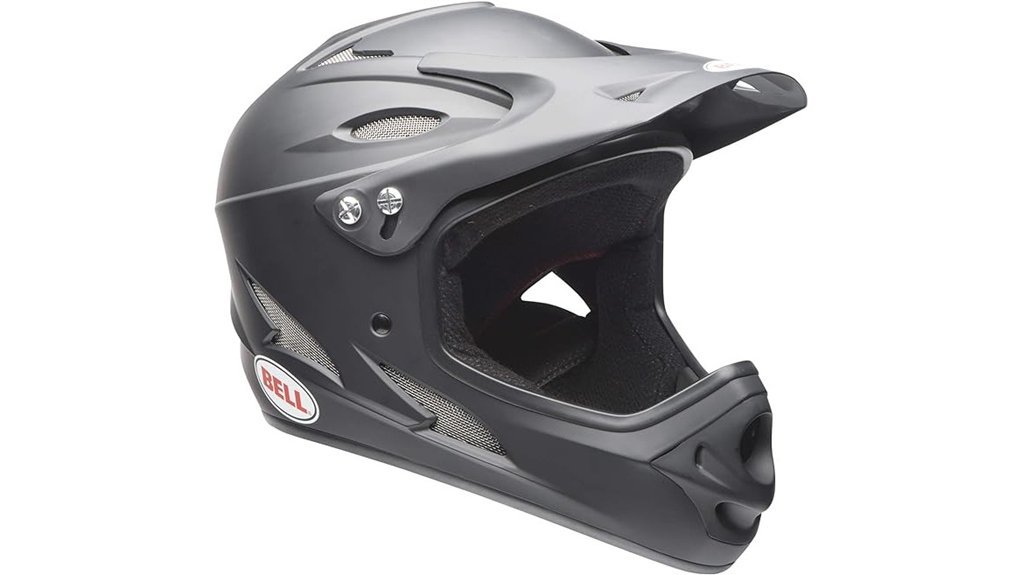
Bell Servo Adult BMX Helmet suits adult riders needing full-face coverage for BMX and trail use. Bell Sports designs this matte black model for ages 14 and older, with a fit that suits most 58-61 cm heads. The helmet uses polycarbonate outer construction and foam padding, with plush full coverage, removable washable cheek pads, and a comfort-focused neck roll. Integrated ventilation helps limit overheating. It covers the head, chin, and jaw, and complies with U.S. CPSC bicycle helmet standards. It is intended for cycling and BMX competition, not motorized bikes.
Best For: Adult BMX and trail riders ages 14+ who want a full-face helmet with plush padding, good ventilation, and chin/jaw coverage for cycling.
Pros:
- Full-face design provides coverage for the head, chin, and jaw.
- Plush interior with removable, washable cheek pads for comfort and easy cleaning.
- Integrated ventilation helps reduce overheating during rides.
Cons:
- Not approved for use with motorized bikes.
- Fit is limited to most heads measuring 58-61 cm.
- Heavier and bulkier than standard bike helmets at 2.9 pounds.
1Storm Adult Motocross Helmet JH601 Matt Black
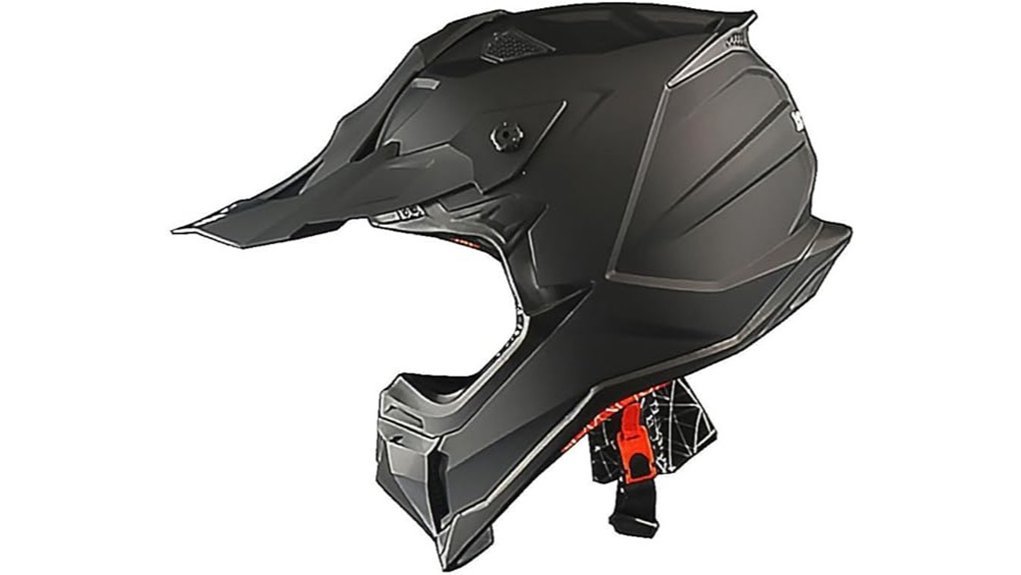
1Storm’s JH601 suits riders seeking a DOT-approved full face helmet with motocross-ready protection. Built for ATV, dirt bike, BMX, MX, and downhill use, it meets FMVSS 218 requirements and carries a hard, aerodynamic shell. The lightweight thermoplastic alloy construction helps reduce fatigue, while the heavily cushioned interior adds comfort on longer rides. A glossy UV-protective coating supports durability and appearance. The matte black finish keeps the look understated. Removable, washable padding simplifies maintenance. Weighing 1.91 kg, it includes a one-year warranty and Amazon’s 30-day voluntary return guarantee for added buyer confidence.
Best For: Riders who want a DOT-approved, full-face motocross helmet for ATV, dirt bike, BMX, MX, or downhill use with lightweight comfort and easy-to-clean padding.
Pros:
- DOT approved and meets FMVSS 218 safety standards
- Lightweight thermoplastic alloy shell with heavily cushioned interior for comfort
- Removable, washable padding and a one-year manufacturer warranty
Cons:
- At 1.91 kg, it may feel heavy for some riders
- Matte black style is understated and offers limited color variety
- Designed for motocross use, so it may not suit riders wanting a more versatile street helmet
Demon United Podium X MIPS Full Face Helmet
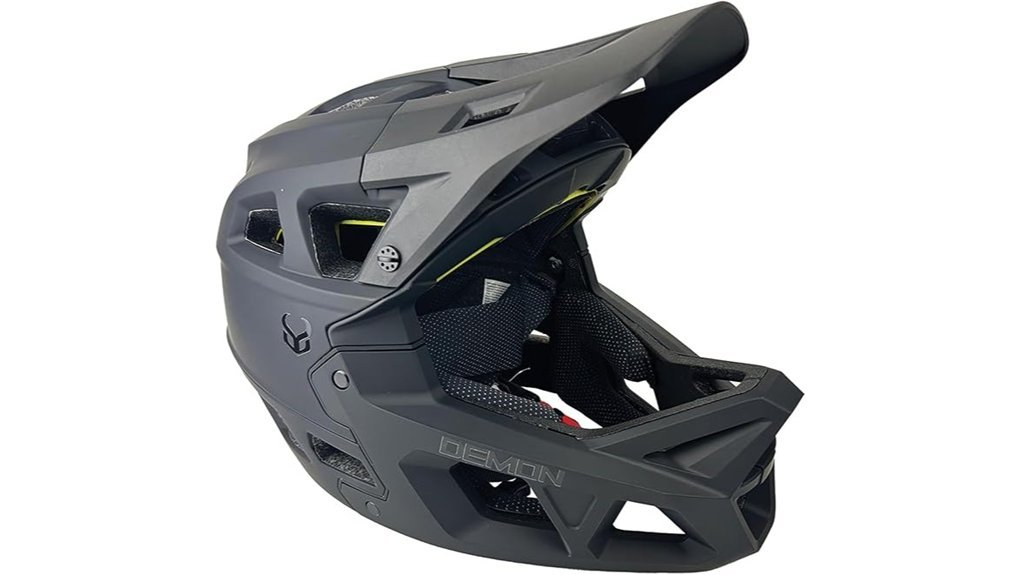
Built for riders who prioritize adaptable protection, the Demon United Podium X MIPS suits aggressive downhill and BMX use. This full face helmet uses MIPS technology to help reduce rotational forces in oblique impacts, while its downhill rating reflects broad safety compliance. The customizable fit system includes multiple removable pads in varying thicknesses, allowing a secure, personalized setup. With 20-plus vents, airflow stays strong during hard efforts. At 710 grams, it balances durability with reduced neck strain. A removable visor and washable padding add practical value.
Best For: Riders who want a lightweight, downhill-rated full face helmet with MIPS protection, strong ventilation, and a customizable fit for aggressive mountain biking or BMX.
Pros:
- MIPS technology helps reduce rotational forces from oblique impacts.
- 20+ vents improve airflow and temperature regulation during intense rides.
- Multiple removable padding options and a washable liner provide a more personalized, comfortable fit.
Cons:
- Full face design may feel bulky for riders used to open-face helmets.
- At 710 grams, it is lightweight for a full face helmet but still heavier than half-shell options.
- Best suited for downhill and BMX-style riding, so it may be less versatile for casual trail use.
Bell Full 9 Fusion MIPS
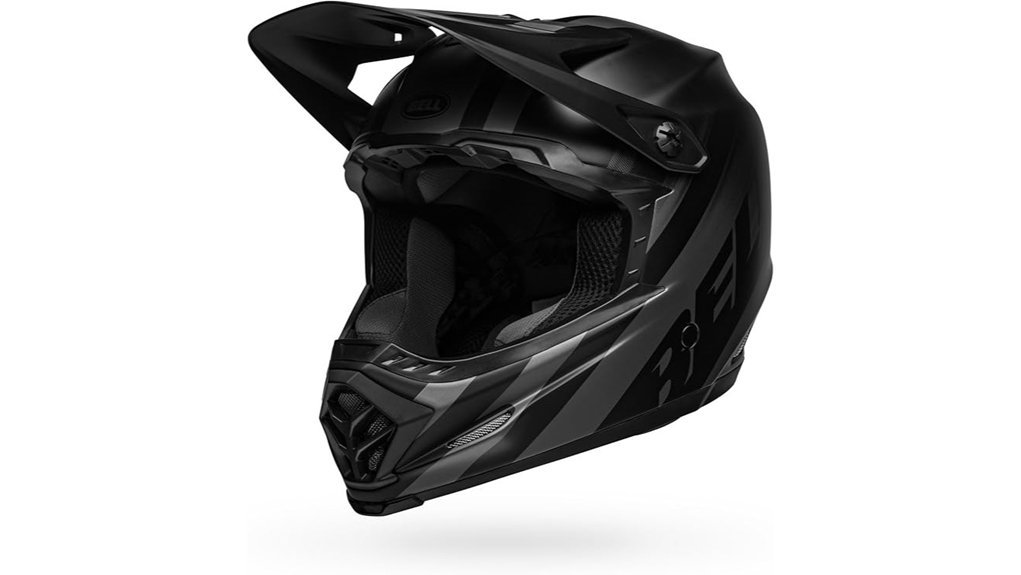
With a fiberglass shell and MIPS protection, it suits riders prioritizing impact defense and rotational-force reduction. The Bell Full 9 Fusion MIPS combines a durable outer shell with overbrow ventilation, using 10 vents and 3 brow ports to move air through its channel matrix. X-Static and XT2 padding adds quick-drying comfort and helps control odor with real silver fibers. An integrated breakaway camera mount is designed to detach in a crash. Sizes range from X-Small to XX-Large, and accurate measurement remains essential for safe fit and consistent performance.
Best For: Riders looking for a full-face helmet with strong impact protection, rotational-force reduction, good airflow, and comfort-focused padding for downhill or aggressive riding.
Pros:
- Fiberglass shell and MIPS offer solid protection and help reduce rotational impact forces.
- Overbrow ventilation with 10 vents and 3 brow ports improves airflow and cooling.
- X-Static and XT2 padding adds quick-drying comfort and odor control.
Cons:
- Full-face design may feel bulky or less versatile than lighter half-shell helmets.
- Proper fit is critical, so sizing must be measured carefully.
- Integrated camera mount may be unnecessary for riders who do not use action cameras.
CARTMAN Full Face Dirt Bike Helmet, DOT Approved
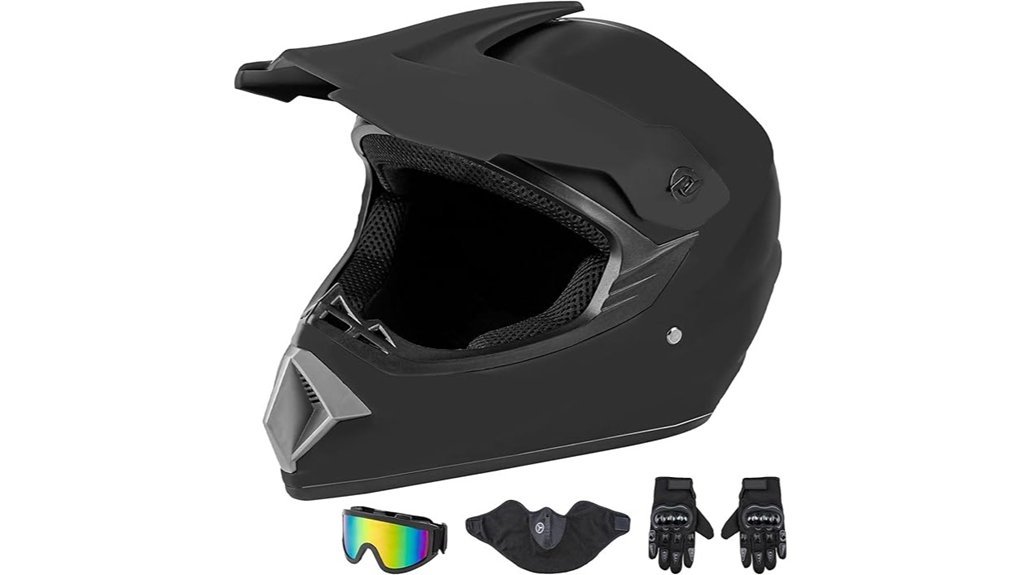
The CARTMAN Full Face Dirt Bike Helmet suits riders seeking DOT-certified protection with a secure, adjustable fit. FMVSS-218 and DOT certification reflect rigorous quality control across every batch. Available in S, M, L, and XL, it accommodates head circumferences from 21.3 to 24 inches, helping deliver comfort for adults and teens. A reinforced ABS shell, adjustable chin strap, and removable liner support durability and easy cleaning. Its aerodynamic profile helps reduce wind drag and noise, while the adjustable sun visor improves visibility and sun protection. It suits motorcycle riding, biking, ATV, karting, skiing, and more.
Best For: Adults and teens who want a DOT-certified full face dirt bike helmet with adjustable fit and versatile use for riding, biking, ATV, karting, skiing, and more.
Pros:
- FMVSS-218 and DOT certified for trusted safety and quality control
- Available in S, M, L, and XL with a secure, adjustable fit
- Reinforced ABS shell, removable liner, and adjustable sun visor add durability and convenience
Cons:
- May not fit head sizes outside the 21.3 to 24 inch range
- Full-face design may feel less breathable than open-face helmets in hot weather
- Sun visor and fit adjustments may take some tuning to get just right
OutdoorMaster Full Face Mountain Bike Helmet (Grizzly)
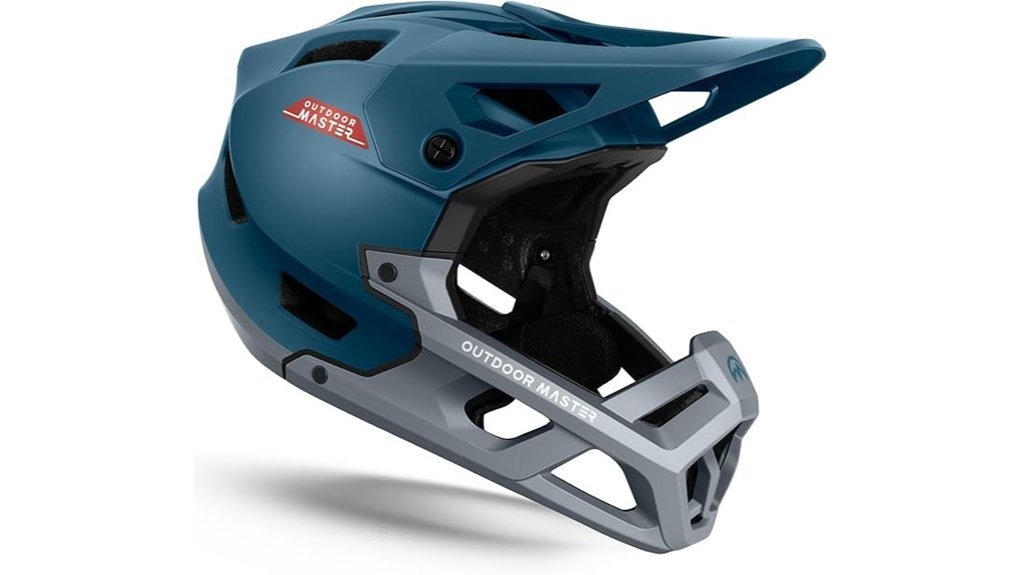
Suited for riders needing broad protection, the OutdoorMaster Grizzly balances safety, ventilation, and fit. It suits head circumferences from 57 to 62 cm, and includes two sets of D-rings for finer adjustment. An EPP collarbone impact system and chinbar shock pads add protection, while the lightweight shell, at under 750g, helps reduce fatigue. Twenty-seven high-flow ventilation channels improve airflow on demanding climbs. The removable, washable liner simplifies upkeep. A goggle-strap channel keeps eyewear stable, and the pivoting visor helps shield against sun, wind, and rain on varied trails.
Best For: Riders who want a lightweight full-face mountain bike helmet with strong protection, good ventilation, and an adjustable fit for trail use.
Pros:
- EPP collarbone impact system and chinbar shock pads provide added protection.
- Under 750g with 27 ventilation channels for better comfort and airflow.
- Removable, washable liner plus goggle-strap channel and pivoting visor add convenience.
Cons:
- Fit range is limited to head circumferences of 57–62 cm.
- Full-face design may feel warm or bulky compared with half-shell helmets.
- Adjustment relies on D-rings rather than a more advanced fit system.
Full Face Mountain Bike Helmet for Adults
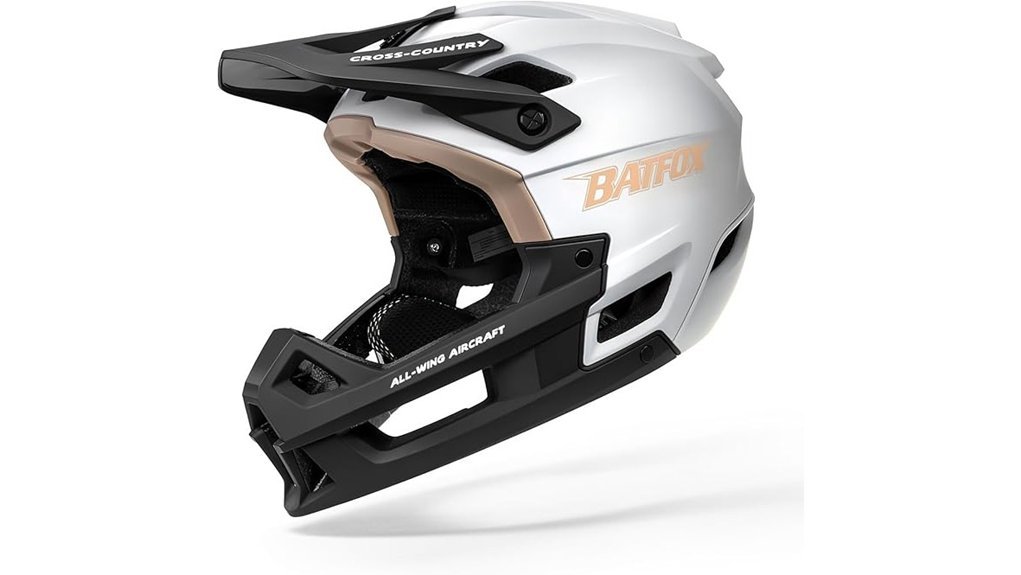
BATFOX’s full face helmet suits adult riders who want certified downhill protection and all-day comfort. The MA026 is built for downhill, DH, BMX, and MTB use, and it serves men, women, and riders aged 13 and up. It meets ASTM F1952, CPSC 16 CFR Part 1203, and EN1078 standards, while an EPP collarbone impact buffer system adds protection. A plush chin bar pad improves comfort during long rides. M and L sizes support a secure fit. The adjustable visor reduces glare, and the helmet works with riding goggles.
Best For: Adult downhill, DH, BMX, and MTB riders ages 13+ who want a certified full face helmet with strong protection, adjustable fit, and goggle compatibility.
Pros:
- Meets ASTM F1952, CPSC 16 CFR Part 1203, and EN1078 safety standards.
- EPP collarbone impact buffer system adds extra protection.
- Adjustable visor and goggle-friendly design improve visibility and ride comfort.
Cons:
- Only available in two sizes, which may limit fit options.
- Full face design may feel hot or bulky for casual riding.
- Weight listed as 3.2 ounces may be inaccurate or unclear for a full face helmet.
OutdoorMaster Full Face Mountain Bike Helmet for Men/Women
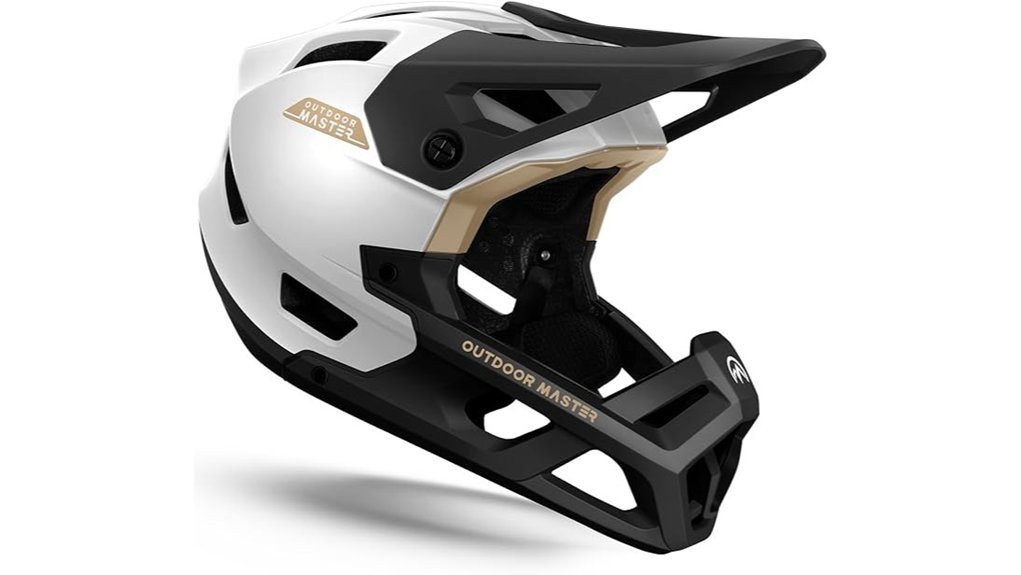
OutdoorMaster’s Rhino suits riders wanting lightweight full-face protection without sacrificing ventilation. Weighing under 750g, it fits head circumferences from 57 to 62cm and suits both men and women. The helmet pairs an ABS shell with an EPP inner layer, adding an EPP collarbone impact system and chinbar shock pads for improved safety. Twenty-seven cooling vents support airflow, while the removable liner simplifies cleaning. A goggle-strap channel secures eyewear, and the pivoting visor helps block sun, wind, and rain. OutdoorMaster backs it with a one-year manufacturer warranty for added peace of mind.
Best For: Riders looking for a lightweight full-face mountain bike helmet with strong ventilation, solid safety features, and a comfortable fit for head sizes 57–62cm.
Pros:
- Under 750g, making it lightweight for a full-face helmet
- 27 ventilation channels help keep airflow strong and comfort high
- Includes useful features like a removable washable liner, goggle-strap channel, and pivoting visor
Cons:
- Limited to head circumferences between 57 and 62cm
- Full-face design may feel too bulky for riders who prefer minimal protection
- Best suited for mountain biking, so it may not be ideal for casual or road use
ILM Adult Full Face Dirt Bike Helmet (128S)
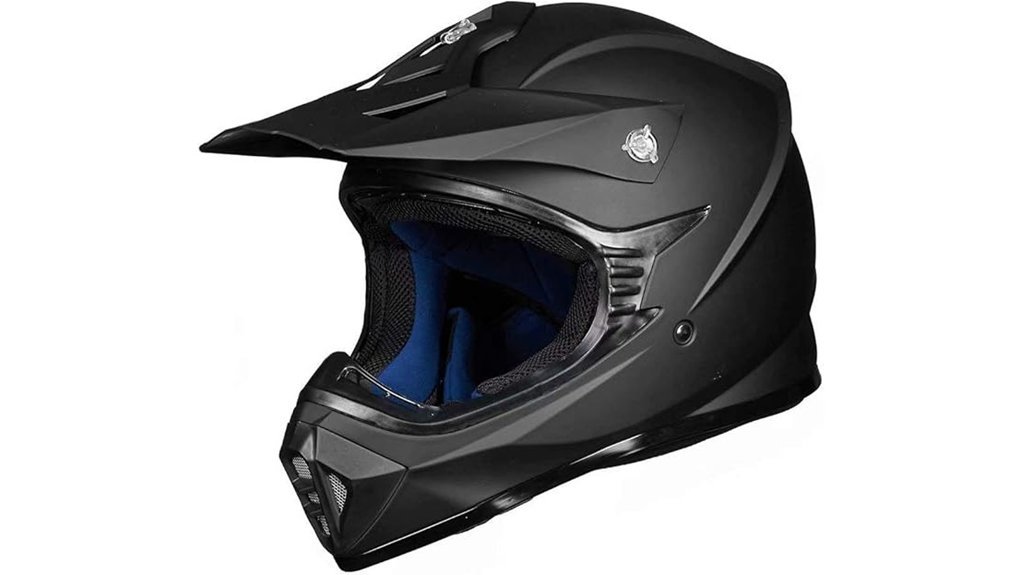
The ILM Adult Full Face Dirt Bike Helmet (128S) suits riders wanting DOT-certified full-face protection with strong airflow. Its upgraded lightweight ABS shell and thick, high-density EPS liner meet or exceed FMVSS-218 and DOT standards. Front and rear vents support cooling on demanding off-road rides, while the sleek aerodynamic shape helps reduce drag. The detachable visor adds sun protection, and the washable inner pads simplify upkeep. At 4.5 pounds, it remains substantial but manageable. A secure buckle closure and Adult-L fit make it a practical matte black option for motocross, ATV, BMX, and dirt bike use.
Best For: Riders who want a DOT-certified full-face dirt bike helmet with strong airflow, a detachable visor, and easy-to-clean comfort for motocross, ATV, BMX, and off-road use.
Pros:
- DOT certified and meets or exceeds FMVSS-218 safety standards
- Lightweight ABS shell with high-density EPS liner and good ventilation
- Detachable, washable inner pads and adjustable sun-shielding visor
Cons:
- At 4.5 pounds, it may feel a bit heavy for some riders
- Full-face off-road design may be less versatile for casual street riding
- Adult-L sizing limits fit options for riders needing other sizes
Fly Racing Rayce Full-Face Mountain Bike/BMX Helmet
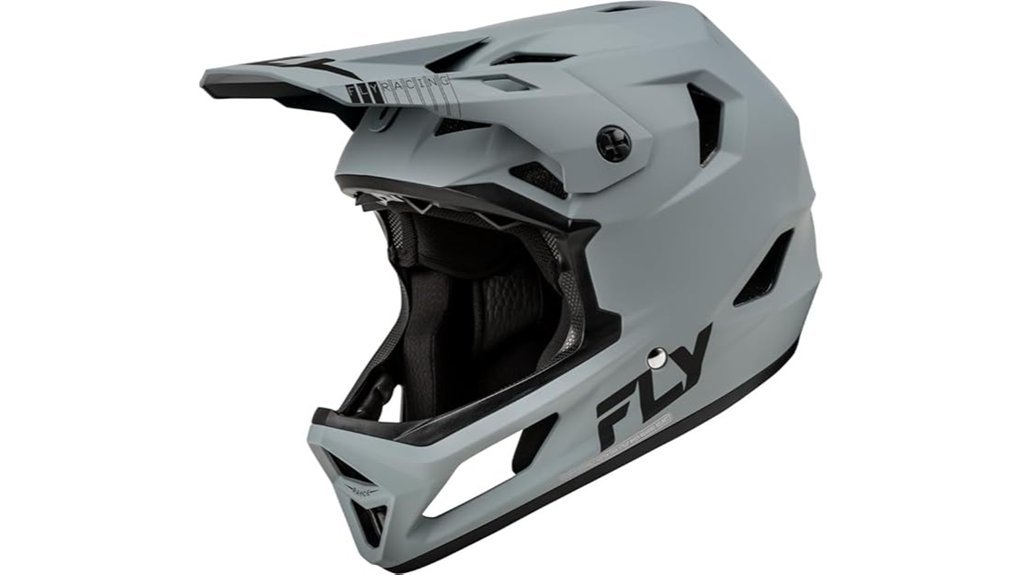
Built for downhill and BMX riders, the Fly Racing Rayce delivers certified full-face protection without excess weight. Its poly-alloy shell and EPS liner meet ASTM F1952-15, CPSC 1203, and CE EN1078 standards, supporting both gravity and cycling use. At about 930 g in size M, it stays manageable on longer runs. The TFV airflow system uses intake and exhaust ports to help regulate heat. A D-ring strap provides a secure fit, while the removable liner and cheek pads simplify cleaning. An aluminum-hardware visor adjusts quickly for changing terrain and riding position.
Best For: Downhill and BMX riders who want a certified full-face helmet with solid protection, manageable weight, and adjustable ventilation.
Pros:
- Meets ASTM F1952-15, CPSC 1203, and CE EN1078 safety standards for cycling and gravity riding.
- Lightweight for a full-face helmet at about 930 g in size M, helping reduce fatigue.
- TFV airflow system, removable liner, cheek pads, and adjustable visor improve comfort and usability.
Cons:
- Full-face design may feel bulky or hot compared with open-face helmets.
- D-ring strap is secure but less quick to adjust than some modern buckle systems.
- Limited to riders who need full-face protection; not ideal for casual trail or commute use.
Factors to Consider When Choosing a Full Face Mountain Bike Helmet
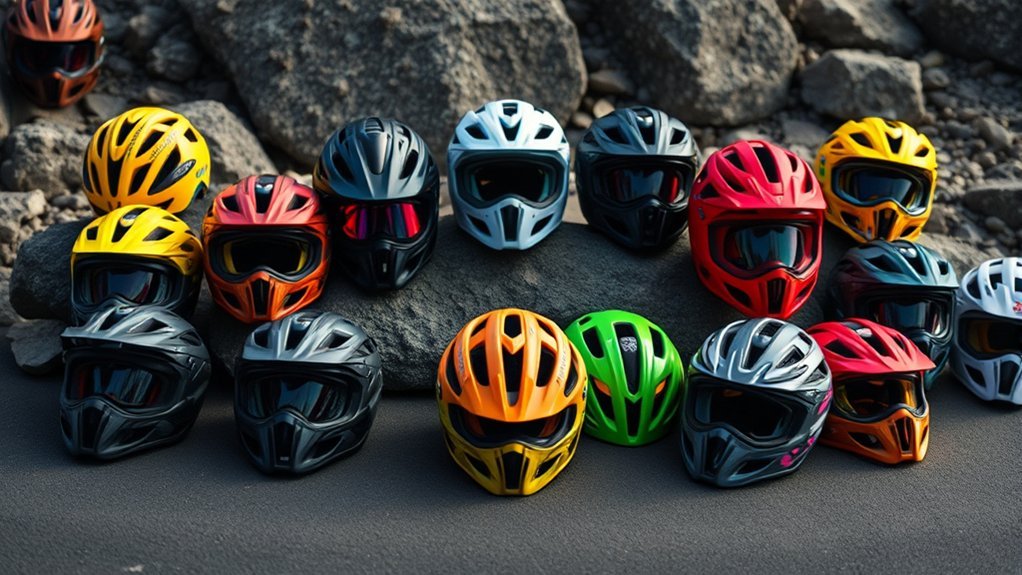
Choosing a full face mountain bike helmet involves more than style, with safety certifications, fit, and sizing serving as the first priorities. Ventilation, weight, and overall comfort also influence how well a helmet performs on longer rides. The visor and goggle compatibility should be checked to guarantee a secure, practical setup on the trail.
Safety Certifications
Safety certifications are a key factor when selecting a full face mountain bike helmet, since standards such as ASTM F1952, CPSC, and CE EN1078 indicate that a helmet has passed recognized tests for impact resistance, penetration, and retention performance. ASTM F1952 is especially relevant for downhill riding, while CPSC and CE EN1078 cover broader bicycle use in different markets. Helmets that meet these standards have been evaluated for crash protection and strap security, which can matter in falls or collisions. Some models also include MIPS technology, designed to reduce rotational forces during angled impacts. For riders who use a helmet across multiple disciplines, multiple certifications can provide wider coverage. DOT compliance is important only for motorized use, where separate safety requirements apply.
Fit And Sizing
Beyond certification, fit and sizing determine how well a full face mountain bike helmet performs on the trail. A proper helmet should sit snugly without creating pressure points and remain stable when the wearer shakes the head. Coverage matters too; it should protect the forehead, temples, and back of the head for maximum impact protection. Measuring head circumference with a flexible tape, placed just above the eyebrows and around the back of the skull, helps identify the correct size. Because sizing varies by brand, the manufacturer’s chart should always be checked before purchase. Adjustable chin straps and internal pads can refine the fit, improving comfort and security during aggressive riding. A well-sized helmet supports confidence, control, and consistent protection on varied terrain.
Ventilation System
A well-designed ventilation system in a full face mountain bike helmet uses multiple vents to promote airflow and keep the rider cool during intense rides. Vent placement matters, since front intake ports draw in cooler air while rear exhaust ports help expel heat and moisture. Some helmets add high-flow cooling channels that guide air through the shell more efficiently, improving temperature control on demanding climbs and technical descents. This steady circulation can also reduce fatigue by limiting heat buildup during long sessions. Good airflow management serves another practical purpose: it helps minimize goggle fogging, supporting clear visibility when weather changes or effort increases. In this category, effective ventilation is less about excess openings and more about balanced design that maintains comfort, performance, and protection.
Weight And Comfort
Ventilation also ties directly into how a full face mountain bike helmet feels over time, since airflow works alongside weight and fit to shape rider comfort. Weight remains a major factor, because a lighter helmet, typically between 700g and 1.2kg, can reduce fatigue during long descents and repeated laps. Comfort improves further when the helmet includes removable, washable liners, adjustable chin straps, and customizable padding, all of which help fine-tune the fit. A plush chin bar pad can ease pressure on the face, especially during rough terrain. Multiple air vents support cooling when effort rises, while an adjustable fit system keeps the helmet secure without feeling tight. Together, these features create a helmet that stays stable, manageable, and more comfortable throughout demanding rides.
Visor And Goggles
How does a full face mountain bike helmet protect the eyes as conditions change? A well-shaped visor helps shield the rider from sun glare, wind, and rain, preserving clear sight on variable trails. Many models include a pivoting visor, so the angle can be adjusted for better coverage in bright descents or wet weather. Ventilation channels integrated into the visor support airflow, reducing heat buildup during hard climbs and sustained downhill runs. Goggle compatibility is equally important. A goggle-strap channel keeps the strap seated securely, limiting movement when the terrain becomes rough. Together, the visor and goggles create a reliable barrier against debris and weather, while improving comfort and visibility. This combination is especially valuable in downhill and extreme riding, where eye protection cannot be compromised.
Frequently Asked Questions
How Do I Know if a Full Face Helmet Fits My Head Shape?
A full face helmet fits well when it sits level, feels snug all around, and does not create pressure points on the forehead, temples, or jaw. The wearer should be able to shake the head gently without the helmet shifting. Cheek pads should touch firmly, and the chin bar should remain comfortably clear. Trying several shell shapes is best, since head shapes vary and one model may suit better than another.
Can I Replace Helmet Pads to Improve Long-Term Comfort?
Yes, helmet pads can often be replaced to improve long-term comfort, provided the manufacturer offers compatible liners or cheek pads. Over time, padding compresses, absorbs sweat, and loses support, so fresh pads can restore fit and feel. Some riders also use different thicknesses to fine-tune pressure points. It is wise to confirm model-specific compatibility and guarantee the helmet still fits securely after any pad change.
How Often Should I Replace a Full Face Mountain Bike Helmet?
Like a shield weathering storms, a full face mountain bike helmet should usually be replaced every 3 to 5 years, even if it appears intact. It should be replaced immediately after any crash, visible crack, or significant foam compression. Sun, sweat, and repeated use slowly erode protection, so quiet aging matters. If the fit loosens or the helmet has endured a hard impact, retirement is the safer choice.
Are Full Face Helmets Suitable for Hot Weather Riding?
Yes, full face helmets can be suitable for hot weather riding, but they are generally warmer than open-face models. Their enclosed design reduces airflow, so riders may feel more heat buildup on climbs or in humid conditions. Lightweight construction, larger vents, and moisture-wicking pads can improve comfort. For very hot climates, careful fit, hydration, and frequent breaks help. Some riders prefer models with enhanced ventilation for better thermal management.
Do Full Face Helmets Affect Hearing and Trail Awareness?
Yes, full face helmets can slightly reduce hearing and trail awareness because the chin bar and padding muffle some ambient sound. They may also narrow peripheral awareness a bit, though vision remains largely unchanged. Many riders adapt quickly and rely more on sight and anticipation. Lightweight, well-ventilated models with open ear areas tend to preserve awareness better than bulkier designs, especially on technical trails where situational attention matters most.