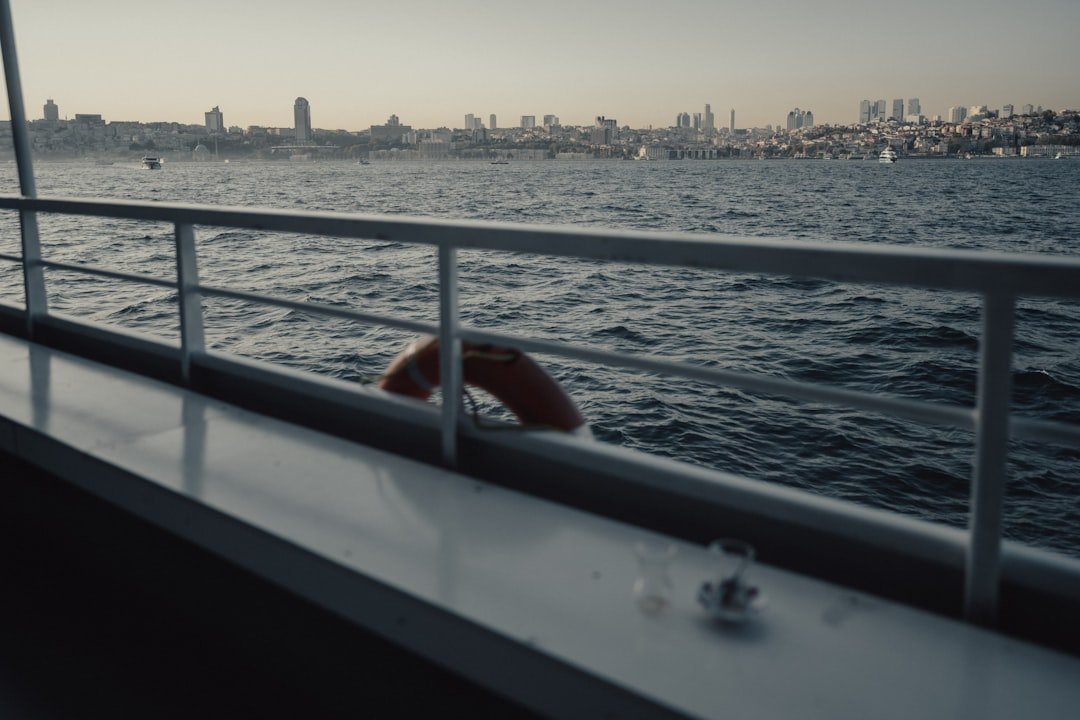
Burgazada (Burgaz Adası) is one of Istanbul’s Princes’ Islands (Adalar) in the Sea of Marmara. It is the third-largest of the nine islands. It lies about 20 km from central Istanbul. The ferry ride from Istanbul is short, and the island feels far calmer than the city. Burgazada is known for its pine-covered hill, quiet coves, and old wooden houses.
Burgazada has a small year-round population. The latest official neighbourhood figure that is widely cited in public sources lists 1,655 residents (2022). In summer, the number of people on the island rises as day-trippers and seasonal residents arrive.
Key takeaways
- Burgazada’s older Greek name is Antigoni, linked to a tower/fort (pyrgos).
- In Byzantine times, the Princes’ Islands were used for exile and monastic life.
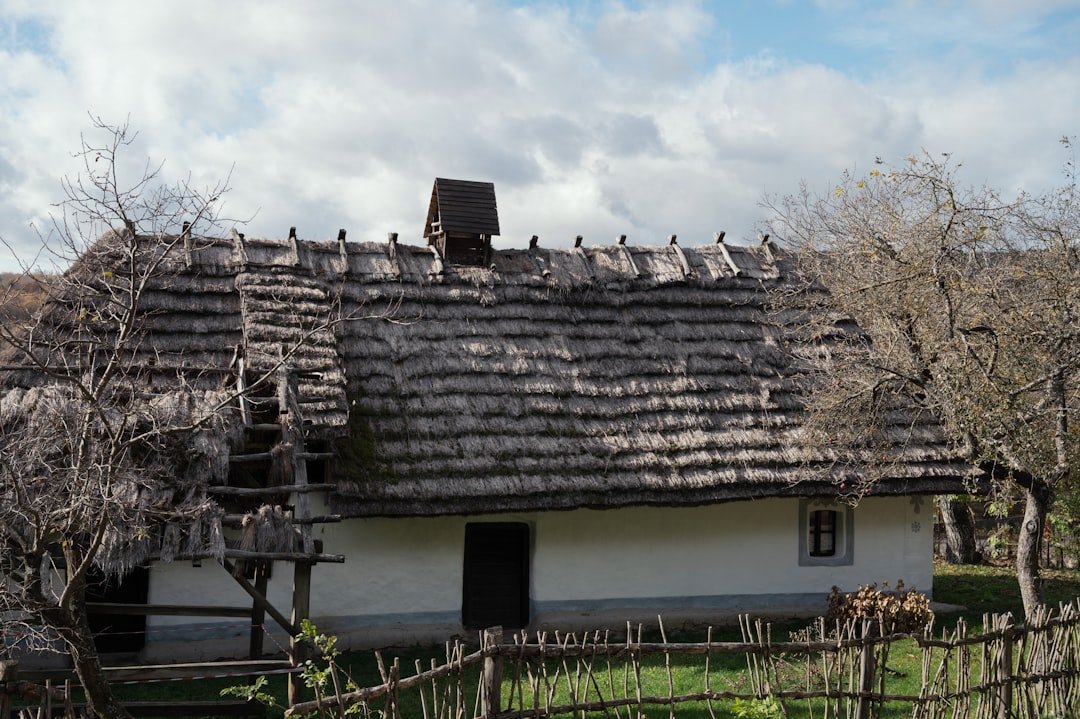
- In the 1800s the islands became popular summer resorts, leaving many wooden mansions.
- Today, key sights include Aya Yani (St John) Church, Hristos Monastery, the Sait Faik Museum, and Kalpazankaya views.
Early settlement and the Byzantine era
In Greek, Burgazada is known as Antigoni. Many accounts link the name to a tower or fort from the Hellenistic period. The Greek word pyrgos means “tower,” and it is often cited as part of the island’s name story.
During the Byzantine Empire, the Princes’ Islands were used to send people into exile. Burgazada is tied to the story of St Methodius the Confessor, who was exiled here during the iconoclasm period. The main Greek Orthodox parish church on the island—Aya Yani (Iohannes Prodromos / John the Baptist)—was rebuilt in 1899 on a site linked to earlier worship.
Ottoman rule and the rise of a summer resort
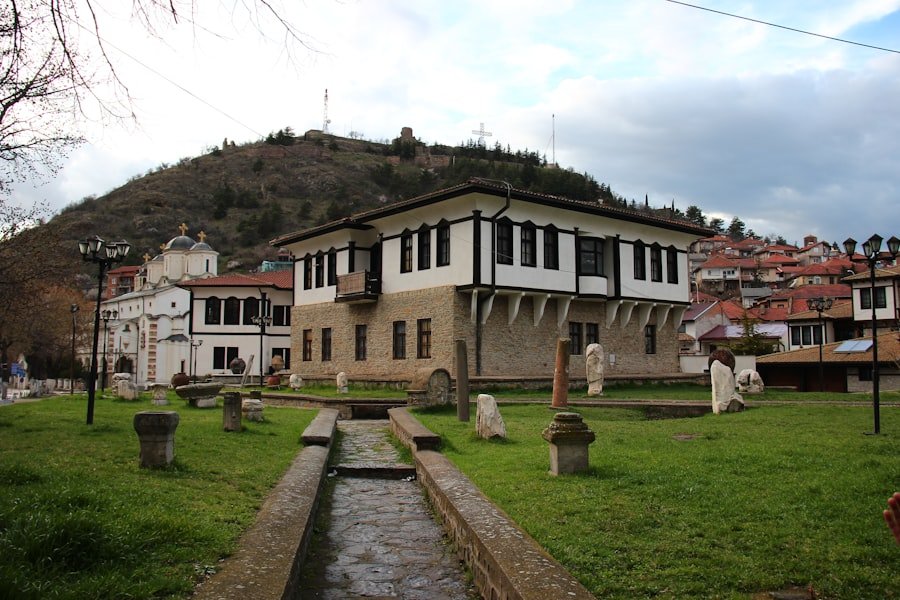
The islands came under Ottoman rule in 1453. By the 19th century, regular ferry services made day trips and summer stays easy. Wealthy families—especially from Istanbul’s Greek, Armenian, and Jewish communities—built summer houses and wooden mansions (köşks). Many of the island’s best-known houses date from this period.
20th-century demographic change
In 1923, Greece and Turkey agreed to a forced population exchange. It moved about 1.6 million people in total. Istanbul’s Greek Orthodox community was not included in the exchange, so the Princes’ Islands kept a Greek presence. Even so, Burgazada’s mix of communities changed over the 1900s, along with the wider story of minorities in Istanbul.
| Aspect | Details |
|---|---|
| Agreement signed | 30 January 1923 |
| Countries involved | Greece and Turkey |
| Scale (often-cited) | About 1.6 million displaced overall |
| Key exemption | Greek Orthodox residents of Istanbul and Muslims of Western Thrace |
Cultural and architectural heritage
Burgazada’s landmarks show its layered past. Aya Yani Church stands near the centre of town. Above the settlement, Bayraktepe (also called Hristos Tepesi) is the island’s main hill. At the top is the Monastery/Church of the Transfiguration (often called the Hristos or Metamorphosis complex). Another important site is the Monastery of Hagios Georgios Garipi.
The island also has one mosque: Burgazada Camii. It was built in 1953–1954.
Natural beauty and tourism
Most visitors come for simple outdoor time: walking the coastal roads, swimming in season, and watching the sunset from Kalpazankaya. Burgazada also lived through a major forest fire in 2003. That event is one reason locals and visitors take wildfire risk seriously on the pine-covered islands.
Burgazada in literature and arts
Burgazada is closely linked to short-story writer Sait Faik Abasıyanık (1906–1954). His former home on the island operates as a museum. Many readers visit Burgazada to see the places that shaped his stories.
Future challenges and preservation efforts
Burgazada faces the same pressures as many near-city islands: heavy summer crowds, limited space, wildfire risk, and the need to protect wooden houses and coastal nature. Local groups and authorities continue to debate how to keep the island liveable while welcoming visitors.
FAQs
What was Burgazada called in antiquity?
In Greek sources the island is known as Antigoni. Some traditions also use the name Panormos. The name Antigoni is commonly linked to a tower/fort built in the Hellenistic period.
How many people live on Burgazada?
The latest official neighbourhood count that is widely cited in public sources lists 1,655 residents (2022). The number rises in summer with seasonal visitors.
What are the main landmarks on Burgazada?
Highlights include Aya Yani (Iohannes Prodromos / St John) Church, Hristos (Transfiguration) Monastery on Bayraktepe, Hagios Georgios Garipi Monastery, Burgazada Mosque, and the Sait Faik Abasıyanık Museum.
How do you get to Burgazada from Istanbul?
You reach Burgazada by passenger ferry from Istanbul. Some services call at the four main inhabited islands in order: Kınalıada, Burgazada, Heybeliada, and Büyükada.
Why is Burgazada important in Turkish literature?
Sait Faik Abasıyanık lived on Burgazada and set many stories on the island. His museum-house helps keep that literary link alive.