As outdoor enthusiasts prepare for 2026 adventures, selecting the right kayak becomes essential. The best 14-foot recreational kayaks offer a blend of stability, comfort, and ample storage for gear. Models like the Perception Rambler and Wilderness Systems Tsunami 140 stand out in this category. Each provides unique features that cater to various paddling needs. Understanding these options can help potential buyers make informed choices for their next water excursion. What factors should be considered in this selection?
Key Takeaways
- RC 14′ Pro Tandem Pedal Fishing Kayak offers enhanced speed and storage, perfect for fishing trips in various water conditions.
- Wilderness Systems Tsunami 140 provides exceptional stability and comfort, ideal for long paddling sessions on lakes or rivers.
- Old Town Twin Heron features a versatile design and removable front seat, accommodating both solo paddlers and extra gear.
- Perception Rambler Sit on Top Tandem Kayak is user-friendly for families, with comfort and large storage for recreational outings.
- Weight and Portability are crucial; aim for models around 60-70 lbs for easier transport without sacrificing performance.
Perception Rambler Sit on Top Tandem Kayak

The Perception Rambler Sit on Top Tandem Kayak stands out as an ideal choice for families or friends seeking a versatile recreational experience on the water. This 13′ 6″ kayak accommodates two users and is suitable for various skill levels, making it perfect for lakes, ocean bays, light surf, and slow-moving rivers. Its design features roomy molded-in seats for easy access, along with a removable padded seat and adjustable backrest for enhanced comfort. With a maximum capacity of 550 lbs and ample rear storage for gear, the Rambler combines functionality and comfort, ensuring memorable outings for all adventurers.
Best For: Families and friends looking for a versatile and comfortable tandem kayak experience on lakes and calm waters.
Pros:
- Comfortable, adjustable seating for all users, including space for children or pets.
- Large rear storage area for coolers and gear, enhancing day trips.
- Suitable for various skill levels, making it accessible for beginners and experienced paddlers alike.
Cons:
- At 78 lbs, it may be cumbersome for some users to transport.
- Limited performance in rough waters due to its design focused on recreational use.
- The weight capacity of 550 lbs may be restrictive for larger groups or additional gear.
RC 14′ Pro Tandem Pedal Fishing Kayak
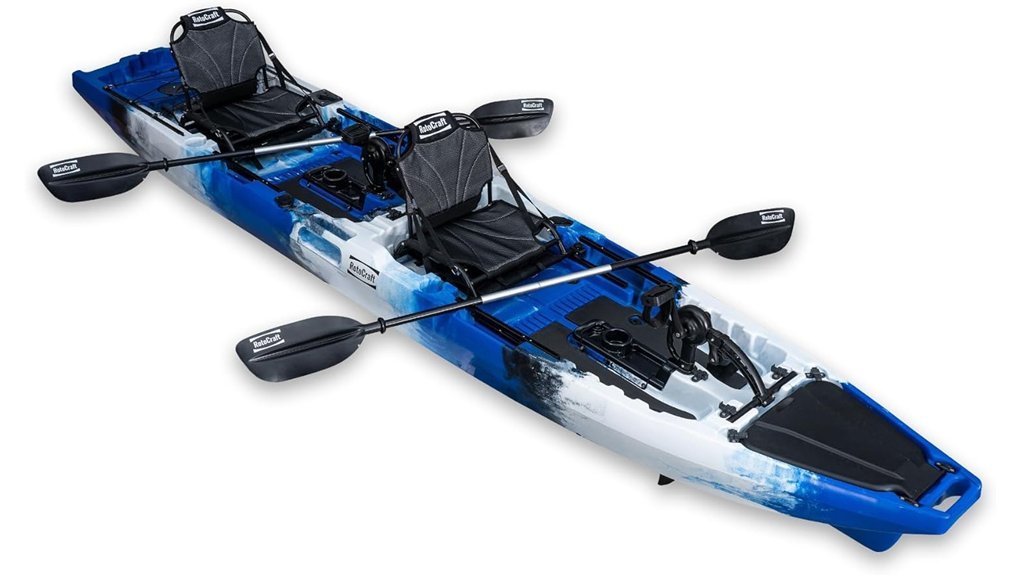
Designed for avid anglers and recreational paddlers, the RC 14′ Pro Tandem Pedal Fishing Kayak excels in versatility. With a length of 14 feet 10 inches and a weight of 122 lbs, it accommodates a capacity of 662 lbs. Constructed from high-grade polyethylene using rotomolding technology, its durability is matched by comfort, featuring two aluminum frame seats on sliding rails. The dual propeller pedal drive system enhances speed, while the precision rudder system offers superior control. Ample storage options, including built-in rod holders and a large covered hatch, make it an ideal choice for fishing enthusiasts and casual kayakers alike.
Best For: Avid anglers and recreational paddlers seeking a versatile and durable tandem kayak for fishing and leisure.
Pros:
- Spacious capacity of 662 lbs, accommodating two individuals and gear comfortably.
- Dual propeller pedal drive system offers enhanced speed and smooth paddling experience.
- Ample storage with built-in rod holders and large hatches for convenience during outings.
Cons:
- At 122 lbs, it may be challenging for some users to transport and maneuver on land.
- The aluminum frame seats, while durable, may not provide as much cushioning as some competitors’ options.
- Limited color options may not appeal to all aesthetic preferences.
Old Town Twin Heron
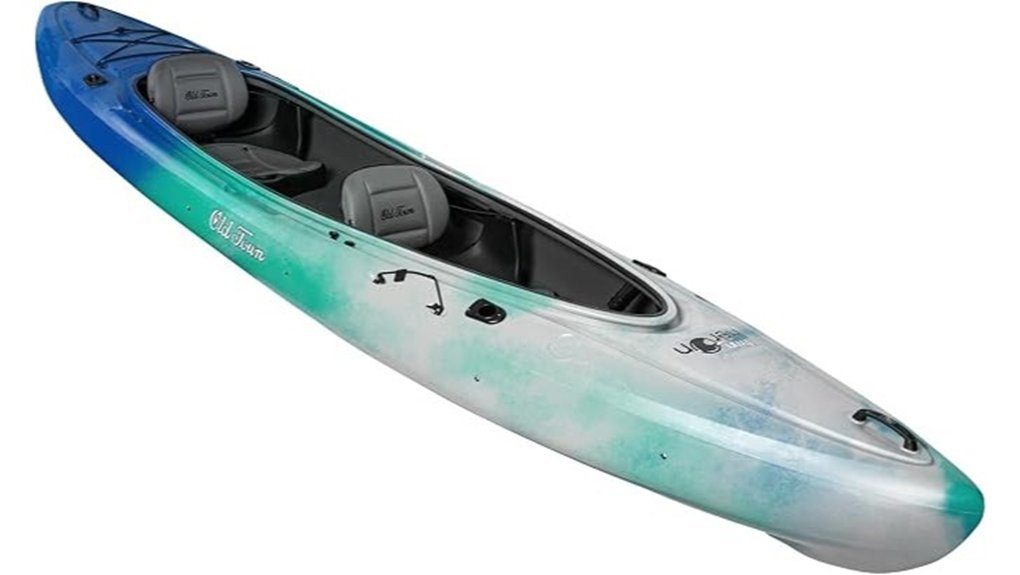
Perfect for solo paddlers, the Old Town Twin Heron features an innovative auto trim hull that enhances stability, preventing the bow from rising when seated in the stern. The kayak boasts an adjustable Comfort Flex seat, designed for all-day comfort with supportive back and extra padding. Its versatility is highlighted by a removable front seat, allowing for additional storage of gear or pets. Maneuverability is enhanced with a Glide Track foot brace system, ensuring stability in rough waters, along with built-in rod holders for fishing convenience. With a capacity of 500 pounds, it measures 13 feet 6 inches and weighs 60 pounds.
Best For: Solo paddlers seeking a stable and comfortable kayak for recreational outings or fishing adventures.
Pros:
- Innovative auto trim hull prevents bow rise for enhanced stability when paddling solo.
- Comfort Flex seat offers excellent support and padding for all-day use.
- Removable front seat allows for versatile storage options, accommodating gear or pets.
Cons:
- Limited capacity for multiple passengers, making it less suitable for group outings.
- Weighing 60 pounds, it may be cumbersome for some users to transport.
- The kayak’s length may limit maneuverability in extremely narrow waters.
Wilderness Systems Tsunami 140 Sit Inside Kayak

Wilderness Systems Tsunami 140 Sit Inside Kayak excels for paddlers seeking speed and stability. Measuring 14 feet and weighing 56 pounds, this touring kayak accommodates a maximum capacity of 300 pounds, catering to all skill levels. It features the Phase 3 AirPro Tour Seat, designed for enhanced comfort with adjustable back straps and padded thigh braces. Storage is ample, with a large rear oval hatch and a smaller front hatch, both equipped with sealed bulkheads for water resistance. Additionally, the Keepers XL foot rests offer adjustability, ensuring a personalized fit for a comfortable paddling experience.
Best For: Paddlers of all skill levels seeking a fast, stable, and comfortable touring kayak for various conditions.
Pros:
- Exceptional speed and stability in diverse water conditions.
- Comfortable seating with adjustable features for personalized fit.
- Ample storage options including water-resistant hatches and gear pockets.
Cons:
- Heavier weight may be challenging for solo transport.
- Limited maneuverability compared to shorter kayaks.
- Price point may be higher than entry-level options.
Perception Hi Life Sit on Top Kayak
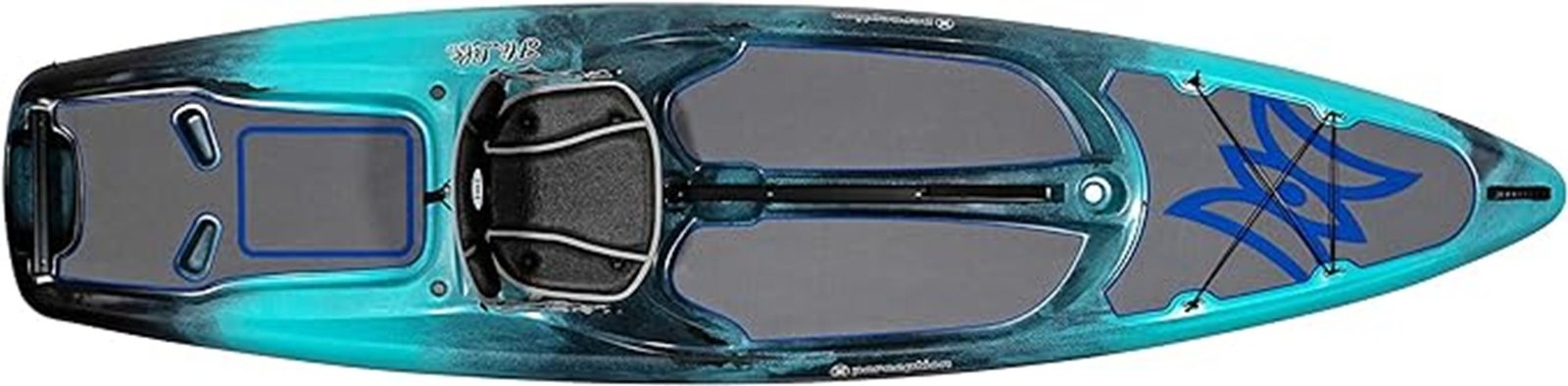
The Perception Hi Life Sit on Top Kayak stands out for families seeking a versatile watercraft. This hybrid kayak, measuring 11 feet in length and 34 inches in width, combines the fun of kayaking with stand-up paddleboarding. Weighing 55 pounds, it supports a maximum capacity of 280 pounds. Notable features include an adjustable backrest, front and rear swim decks, and a built-in cooler for snacks. Designed for calm waters, it’s user-friendly for both kids and pets. Awarded a Bronze medal in the 2018 International Design Excellence Awards, the Hi Life emphasizes comfort, accessibility, and a delightful outdoor experience.
Best For: Families and casual water enthusiasts looking for a versatile and user-friendly kayak that accommodates kids and pets.
Pros:
- Versatile Design: Combines the benefits of both kayaking and stand-up paddleboarding.
- Comfortable Features: Adjustable backrest and built-in cooler enhance the overall experience.
- User-Friendly: Ideal for calm waters, making it accessible for all skill levels.
Cons:
- Limited Capacity: Maximum weight limit of 280 lbs may restrict usage for larger families.
- Weight: At 55 lbs, it may be challenging for some users to transport.
- Water Type Restrictions: Best suited for flat, slow-moving waters, limiting its versatility in rough conditions.
Factors to Consider When Choosing a 14 Foot Recreational Kayak

When selecting a 14-foot recreational kayak, several critical factors come into play. Buyers should consider key features such as weight and portability, as well as storage capacity options to enhance their experience. Additionally, material durability and comfort in seating design are essential for long-term satisfaction on the water.
Key Features Overview
Choosing a 14-foot recreational kayak requires careful consideration of several key features that impact performance and comfort on the water. These kayaks are designed for stability and speed, making them suitable for various conditions, including lakes and slow-moving rivers. A typical kayak’s weight capacity ranges from 300 to over 660 pounds, allowing for multiple users or ample gear. Many models offer adjustable seating systems, featuring supportive backrests and padded seats for extended comfort. Additionally, effective storage solutions, such as sealed hatches and built-in rod holders, enhance convenience during outings. The hull material, often high-density polyethylene, guarantees durability and resistance to impacts, greatly contributing to the kayak’s overall performance and longevity.
Weight and Portability
Weight and portability are essential factors in selecting a 14-foot recreational kayak, as these elements directly influence user experience on and off the water. Typically weighing between 56 lbs and 122 lbs, the kayak’s weight can considerably affect transport ease. A maximum weight capacity of 300 lbs to 662 lbs impacts both stability and gear-carrying potential. The 14-foot length provides a balance between speed and maneuverability, yet may require more effort to lift and carry. Features such as carry handles and lightweight materials enhance portability, facilitating movement to and from water. Additionally, the kayak’s design and weight distribution play critical roles in its manageability during transportation or when loading onto a vehicle.
Storage Capacity Options
Selecting a 14-foot recreational kayak involves careful consideration of storage capacity, a factor that greatly influences the kayaking experience. The maximum storage capacity varies notably among models, ranging from 300 lbs to over 660 lbs. Kayaks featuring dedicated storage options, such as hatches, compartments, and built-in rod holders, enhance gear organization and accessibility. Evaluating the front and rear storage space is essential, as larger open areas accommodate coolers and additional equipment for extended trips. Additionally, some designs allow for removable seats, providing extra space for pets or larger gear. Analyzing the ease of access to storage, with strategically placed hatches and bungee tie-down systems, further improves convenience while on the water.
Material Durability Factors
Durability stands as a pivotal factor in the selection of a 14-foot recreational kayak, influencing both performance and longevity. High-density polyethylene (HDPE) is often favored due to its resistance to impacts and UV degradation, ensuring resilience in diverse water conditions. The use of rotomolding technology enhances the durability of polyethylene kayaks by creating a seamless structure that withstands wear and tear effectively. Additionally, the weight of the kayak plays a role; heavier models typically utilize thicker materials, providing better protection against punctures and abrasions. Exposure to harsh elements, such as sun and saltwater, necessitates UV-resistant coatings to maintain integrity. Regular maintenance, including cleaning and proper storage, is essential for prolonging the lifespan of kayak materials.
Comfort and Seating Design
When evaluating a 14-foot recreational kayak, comfort and seating design greatly influence the paddling experience. Adjustable seats with supportive backrests and padded surfaces enhance long-term use, minimizing discomfort. Many models include built-in foot braces or adjustable footrests, accommodating paddlers of various sizes, which improves stability and control. Molded-in seats facilitate easy entry and exit, while removable and padded seats offer customizable comfort levels. Additionally, some kayaks feature extra seating options, such as center seats for children or pets, increasing versatility. A well-designed seating arrangement is essential, as it promotes proper posture and reduces fatigue during extended trips, ultimately enriching the overall kayaking experience.
Frequently Asked Questions
What Is the Average Weight Capacity of a 14-Foot Kayak?
The average weight capacity of a 14-foot kayak typically ranges from 300 to 500 pounds. This capacity is influenced by the kayak’s design, materials, and intended use. Most recreational kayaks in this size cater to individuals or small groups, accommodating gear and personal items. Kayakers should always verify manufacturer specifications to confirm safe loading and peak performance on the water, considering both the weight of the paddler and any additional equipment.
Can I Use a 14-Foot Kayak for Ocean Paddling?
A 14-foot kayak can indeed be used for ocean paddling, although some theories suggest shorter kayaks are better for rough waters. The length provides stability and speed, making it suitable for ocean conditions. However, factors such as hull design, storage capacity, and paddler experience are vital. It’s important to take into account weather conditions and safety gear when venturing into the ocean. Ultimately, a 14-foot kayak can be a versatile choice for marine adventures.
How Do I Transport a 14-Foot Kayak?
Transporting a 14-foot kayak can be efficiently accomplished using a few methods. A roof rack designed for kayaks provides a secure way to carry it on a vehicle. Alternatively, a trailer specifically made for kayaks can facilitate easier transport, especially for longer distances. Straps and foam blocks can help protect the kayak and prevent damage during transit. Additionally, utilizing a kayak cart allows for easy movement from storage to launch sites.
Are 14-Foot Kayaks Suitable for Beginners?
Yes, 14-foot kayaks can be suitable for beginners, depending on their design and stability. These kayaks often offer a good balance between speed and maneuverability, making them easier to handle on calm waters. However, beginners should consider factors like weight capacity, stability, and whether the kayak is designed for recreational use. Proper guidance and practice can help new paddlers gain confidence and enjoy their experience on the water while using a 14-foot kayak.
What Maintenance Is Required for a 14-Foot Kayak?
Routine maintenance for a 14-foot kayak includes regular cleaning to remove dirt and saltwater, inspecting for cracks or wear, and confirming the hardware is secure. It is advisable to store the kayak out of direct sunlight and to use a cover to protect it from the elements. Additionally, checking the integrity of seals and applying a UV protectant can prolong its lifespan. Proper maintenance enhances performance and guarantees safety during outings.
Conclusion
As the sun sets over tranquil waters, the choice of a 14-foot recreational kayak becomes a vessel not just for adventure, but for memories yet to be made. Each kayak symbolizes a path carved through nature, inviting paddlers to explore the hidden coves and serene lakes that beckon with promise. With the right kayak, every stroke becomes a brushstroke on the canvas of a perfect day, crafting stories that will echo long after the water’s surface settles.