Sarıyer is one of Istanbul’s best districts for travelers who want Bosphorus scenery, Ottoman landmarks, wooded escapes, seafood, and quieter coastal neighborhoods in the same trip. It stretches across the northern European side of the city, from famous stops such as Rumeli Fortress and Emirgan to less-visited villages near the Black Sea.
Quick Answer
The best hidden gems in Sarıyer are the village streets of Rumeli Feneri and Garipçe, Rumeli Kavağı’s waterfront, Tarabya and Büyükdere backstreets, Belgrad Forest recreation areas, and local bakeries serving Sarıyer böreği. Pair these quieter places with Rumeli Fortress, Emirgan Grove, or the Sakıp Sabancı Museum.
Key Takeaways
- Rumeli Fortress and Emirgan Grove are famous rather than hidden, but they are useful anchors for a first visit.
- For a quieter local feel, explore Rumeli Feneri, Rumeli Kavağı, Garipçe, Büyükdere, Tarabya, and Sarıyer center.
- Do not try to combine the Bosphorus waterfront, Belgrad Forest, and Kilyos in one rushed day; choose one geographic cluster.
- Use the M2 metro to Hacıosman, connecting buses, and selected ferry services; check live schedules before leaving.
- At Black Sea beaches, swim only in supervised areas and follow lifeguard and flag instructions.
Why Sarıyer Is Worth Visiting
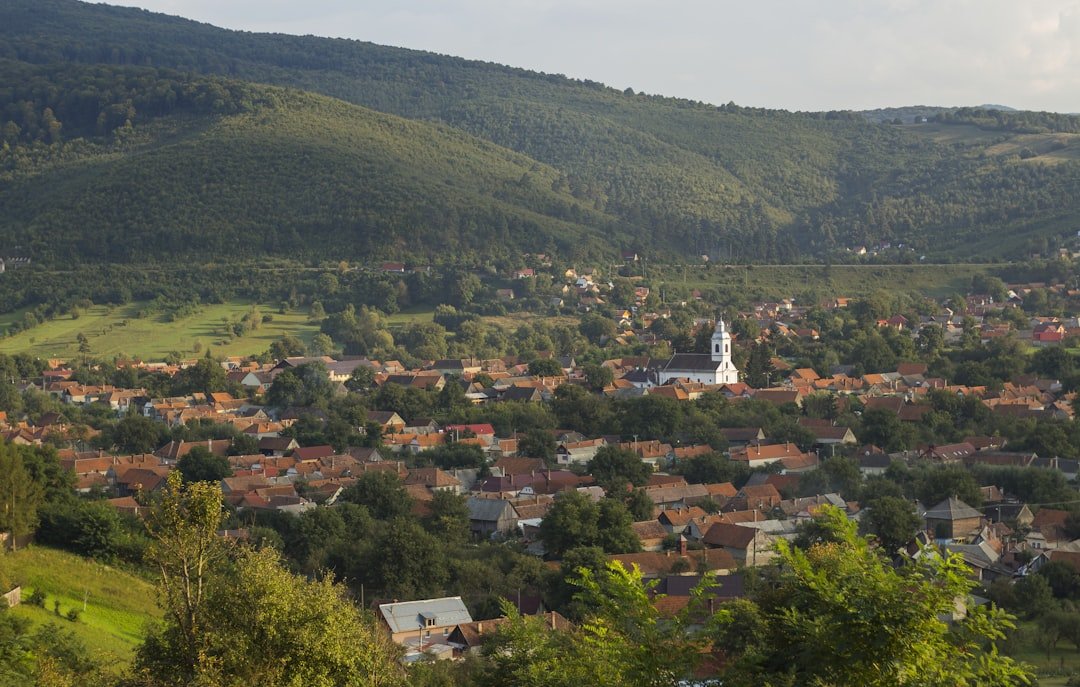
Sarıyer feels different from central Istanbul. Its Bosphorus neighborhoods have fishing boats, marinas, waterside tea gardens, wooded hills, historic mansions, and residential streets where daily life is more visible than in the main sightseeing districts.
The district also covers a large area. Southern attractions such as Rumeli Fortress and Emirgan sit much closer to central Istanbul than northern places such as Belgrad Forest, Kilyos, Garipçe, and Rumeli Feneri. Planning by area is the key to an enjoyable visit.
Some places promoted as “hidden gems” are among Istanbul’s best-known attractions. A more honest approach is to use the famous sights as starting points, then spend time in nearby streets, village centers, markets, parks, and waterfront areas that many short-stay visitors miss.
Note: Sarıyer is too large to explore well in a few hours. For one day, choose either the Bosphorus route, the forest route, or the Black Sea villages and beach route.
Historical Landmarks and Architecture
Rumeli Fortress
Rumeli Fortress, also called Rumeli Hisarı, was built by Sultan Mehmed II in 1452 to control shipping through the Bosphorus before the conquest of Constantinople. The official museum description says construction began in March and finished in August of that year.
The fortress is now a museum with towers, walls, Ottoman artillery, stone artifacts, garden areas, and Bosphorus viewpoints. Expect slopes, steps, and uneven historic surfaces. The official page lists current opening hours, closure days, ticket information, and temporary notices, so check it on the day of your visit.
Rumeli Feneri Castle and Lighthouse
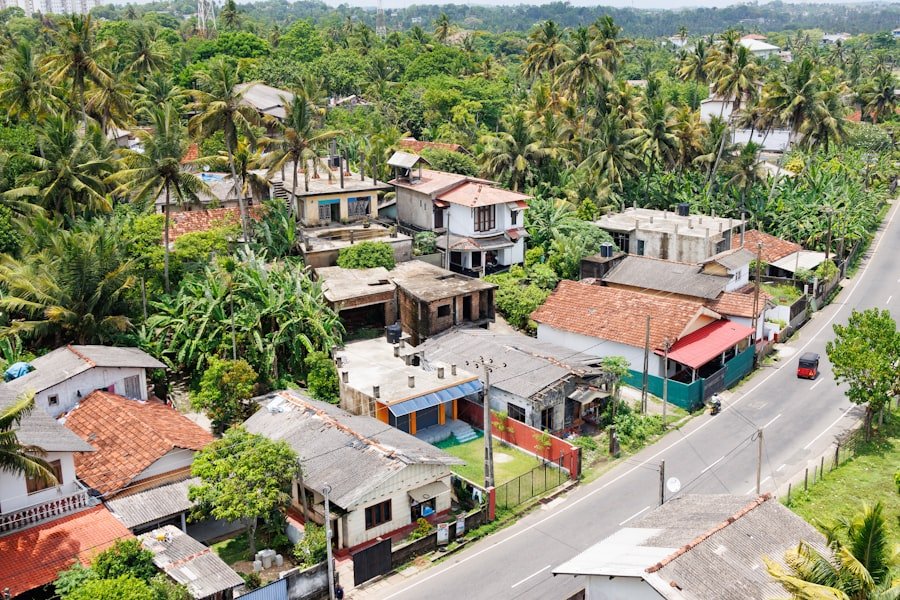
Rumeli Feneri Castle, also known as Topçu Castle, is a different site from Rumeli Fortress. It stands near the Black Sea entrance of the Bosphorus in Rumeli Feneri village. The Sarıyer district governor’s history page says the surviving historical record is incomplete and identifies the earliest known archival record as dating from 1769.
The nearby Türkeli (Rumeli) Lighthouse was established in 1856 to guide ships entering the Bosphorus from the Black Sea. The lighthouse remains an operating maritime structure, so public access to operational areas may be limited. Enjoy the village, harbor, viewpoints, and exterior unless an official visit is available.
Historic Mosques, Mansions, and Waterfront Buildings
Sarıyer contains many Ottoman-period mosques, fountains, hamams, piers, and Bosphorus mansions. Rather than treating an unverified building as a major attraction, focus on documented heritage such as Emirgan Mosque, Rumeli Kavağı Yusufağa Mosque, Şerifler Yalısı, historic Sarıyer Pier, and the surviving waterfront architecture of Yeniköy, Tarabya, and Büyükdere.
Tarabya is especially pleasant for an unhurried walk. Its marina, waterside restaurants, side streets, and remaining historic buildings offer a calmer experience than the busiest central Bosphorus neighborhoods. Büyükdere also rewards slow exploration, particularly around the shoreline and older residential streets.
Note: Rumeli Fortress is the 1452 museum beside the Bosphorus. Rumeli Feneri Castle is the more remote northern fortification near the Black Sea. They are not the same place.
Natural Beauty and Outdoor Activities
Sarıyer’s parks, forests, and coast are major reasons to visit, but each area offers a different experience. Use this comparison to choose the right stop for your day.
| Place | Best For | Typical Time | Planning Note |
|---|---|---|---|
| Emirgan Grove | Gardens, family walks, tulips, Bosphorus views | 1–2 hours | Hilly paths; busiest during spring tulip season and weekends |
| Belgrad Forest recreation areas | Walking, running, picnics, forest scenery | 2–4 hours | Use designated parks and check seasonal access and fire rules |
| Atatürk Arboretum | Tree collections, ponds, quiet photography | 2–3 hours | Separate rules apply; check current hours and prohibited items |
| Kilyos | Black Sea beaches and summer day trips | Half or full day | Choose a supervised beach and obey swimming flags |
| Rumeli Feneri and Garipçe | Village scenery, harbors, fort ruins, sea views | 3–5 hours | Infrequent transport and exposed coastal weather can slow the trip |
Emirgan Grove
Emirgan Grove has winding paths, mature trees, ponds, playgrounds, Bosphorus viewpoints, and three historic pavilions known by their colors. Spring is the most famous season because of the tulip displays, but summer shade and autumn color also make it worthwhile.
The grove is hilly, so comfortable shoes help. Arrive early during tulip season or on weekends if you want quieter paths and easier transport.
Belgrad Forest
Belgrad Forest covers protected woodland managed across the Sarıyer and Eyüpsultan area. The Bahçeköy Forest Management Directorate describes the forest as including oak, beech, hornbeam, and chestnut habitats, along with historic water structures.
Visitors should use designated recreation and nature-park areas rather than wandering into restricted forest zones. Rules can change during periods of high fire risk. In 2026, Istanbul imposed seasonal restrictions on general forest entry while exempting named parks and recreation areas, so check the latest Istanbul Governor’s notice before traveling.
Atatürk Arboretum
Atatürk Arboretum is a living tree collection beside Belgrad Forest. It suits visitors who prefer a quieter botanical setting to a picnic area. Rules are stricter than in a normal park; food, bicycles, games, and some photography equipment may be restricted. Check the current official visitor information before leaving.
Kilyos and the Black Sea Coast
Kilyos is a Black Sea beach area in northern Sarıyer. It can be a refreshing summer escape, but it is not a quick extension of a Bosphorus sightseeing day. Allow enough time for transport, entrance procedures at private or municipal beaches, changing weather, and traffic.
Warning: Black Sea waves, wind, and currents can become dangerous. Swim only in an open, supervised area, stay inside marked zones, and leave the water immediately when lifeguards or warning flags require it.
Pro Tip: For a nature-focused day, choose either Belgrad Forest and Atatürk Arboretum or Kilyos and the northern villages. Combining all of them usually creates more driving than exploring.
Local Cuisine and Dining Experiences
Sarıyer’s food identity is closely tied to the water. Fish restaurants, meze, mussels, tea gardens, bakeries, and pastry shops appear throughout the Bosphorus neighborhoods and northern fishing villages.
Seafood and Meze
For seafood, look at the day’s fish and ask how it will be priced before ordering. A typical meal may include grilled or fried fish, seasonal salad, hot and cold meze, bread, and tea. Hamsi, or anchovy, is most associated with the cooler-season catch rather than every month of the year.
Waterfront restaurants can charge more for location and view. Check the menu, service charge, and portion size before ordering, especially in heavily visited areas.
Sarıyer Böreği and Local Sweets
Sarıyer böreği is the district’s signature pastry. Traditional versions may contain minced meat, onion, currants, and black pepper, although bakeries also sell cheese and other fillings. It works well for breakfast or as a portable snack.
Other easy stops include muhallebi, baklava, künefe, Turkish coffee, and tea. For a more local experience, step away from the main waterfront and compare a few neighborhood bakeries rather than choosing only the busiest restaurant strip.
Art and Culture Scene
Sarıyer’s cultural attractions range from Ottoman collections and historic mansions to contemporary exhibitions. Museum programs, closure days, and ticket prices change, so use official websites rather than old travel listings.
Sakıp Sabancı Museum
The Sakıp Sabancı Museum in Emirgan presents calligraphy, paintings, decorative arts, temporary exhibitions, events, and a Bosphorus-facing garden. Its official visitor page also provides current hours, tickets, transport options, parking limits, and accessibility information.
The museum pairs naturally with Emirgan Grove because the two are close. Allow at least two hours if a major temporary exhibition is running.
Smaller Cultural Stops
Depending on your route and opening days, other options include Sadberk Hanım Museum in Büyükdere, Borusan Contemporary in Perili Köşk, local galleries in Yeniköy, and seasonal concerts or exhibitions. Check each venue directly because private museums may close on different days or operate limited schedules.
Off-the-Beaten-Path Attractions
Rumeli Kavağı
Rumeli Kavağı has a small harbor, fish and mussel restaurants, waterfront views, and a village atmosphere. It is a practical stop between Sarıyer center and Rumeli Feneri when transport timing works.
Garipçe
Garipçe is a compact northern village near the Bosphorus entrance and the Yavuz Sultan Selim Bridge. Come for the coastal setting, village lanes, seafood, and the exterior of Garipçe Castle. The fort is weathered and may not have formal visitor facilities, so treat it as a viewpoint and heritage ruin rather than a fully managed museum.
Tarabya and Büyükdere Backstreets
Tarabya’s marina is well known, but the quieter streets behind the coast reveal residential Istanbul, neighborhood cafes, old buildings, and small local businesses. Büyükdere offers a similar change of pace, with a long waterfront, historic houses, and access to cultural stops.
Atatürk Urban Forest
Travelers who want an easier green escape near metro connections can consider Atatürk Urban Forest near Hacıosman and Darüşşafaka. It has marked walking routes, ponds, seating, and several entrances, making it more practical than Belgrad Forest for a shorter visit.
Shopping and Markets
Sarıyer’s most useful shopping experiences are food-focused. Fish sellers, produce stalls, bakeries, spice shops, and neighborhood markets show what local residents buy. Market locations and days can change, so confirm the current schedule locally or through municipal notices.
For souvenirs, look for ceramics, textiles, small design goods, food products, or museum-shop items with a clear connection to Istanbul. Avoid blocking narrow pavements while browsing, and carry a small amount of cash because not every stall accepts international cards.
How to Get to and Around Sarıyer
The M2 metro to Hacıosman is the most useful rail connection for central and northern Sarıyer. From Hacıosman, buses connect with Sarıyer center, Bahçeköy, Kilyos, Rumeli Feneri, and nearby neighborhoods. Routes and departure times change, so check the official IETT journey information before travel.
Bosphorus buses from Kabataş, Beşiktaş, and Taksim also serve parts of the coast, but road traffic can make travel slow. Ferries can be a more scenic option when the timetable fits. Check the official Şehir Hatları schedule for Sarıyer, Rumeli Kavağı, Anadolu Kavağı, and other seasonal or regular routes.
- For Rumeli Fortress and Emirgan: Use coastal buses or a metro-and-bus combination.
- For Sarıyer center and Büyükdere: Take the M2 to Hacıosman, then a local bus or taxi.
- For Belgrad Forest: Travel through Bahçeköy and confirm which recreation-area entrance you need.
- For Kilyos or Rumeli Feneri: Start early and check the return schedule before you arrive.
- For a ferry day: Build the itinerary around the published sailing times, not around a fixed restaurant booking.
Note: Istanbul traffic can turn a short map distance into a long trip. Keep one flexible hour in your plan, especially on sunny weekends and during the evening return toward central Istanbul.
Best Time to Visit Sarıyer
- Spring: Best for Emirgan’s tulips, mild walks, and fresh greenery; expect major weekend crowds.
- Summer: Best for Kilyos and long waterfront evenings; heat, beach traffic, and forest-fire restrictions require extra planning.
- Autumn: Often the best balance for forest walks, comfortable temperatures, and fewer beach crowds.
- Winter: Good for quiet museums, seafood, and atmospheric Bosphorus views, but northern villages can be cold, wet, and windy.
Weekday mornings are usually the easiest time for parks, museums, and waterfront walks. Check the forecast before any Black Sea or forest trip because conditions can differ from central Istanbul.
Best Things to Do in Sarıyer for First-Time Visitors
A first visit works best when history, scenery, food, and one neighborhood are grouped along the same route.
- Visit Rumeli Fortress: See the 1452 fortification and Bosphorus viewpoints.
- Walk through Emirgan Grove: Explore gardens, ponds, pavilions, and seasonal color.
- Add the Sakıp Sabancı Museum: Choose this on a museum day or during poor weather.
- Eat Sarıyer böreği: Try the district’s signature pastry at a neighborhood bakery.
- Walk a waterfront neighborhood: Pick Tarabya, Büyükdere, Sarıyer center, or Rumeli Kavağı.
- Choose one northern escape: Belgrad Forest, Kilyos, or Rumeli Feneri and Garipçe.
Warning: Weekend traffic and crowds can be heavy around the Bosphorus coast, Emirgan, forest recreation areas, and Kilyos. Start early and verify the final return bus or ferry before heading to a northern village.
Suggested One-Day Sarıyer Itinerary
The most practical first-day route stays near the Bosphorus. Save Belgrad Forest, Kilyos, and Rumeli Feneri for a separate day unless you have a private vehicle and deliberately skip several waterfront stops.
At a Glance
| Best For | History, gardens, art, food, and Bosphorus views |
| Ideal Visit Length | 8–10 hours |
| Main Stops | Rumeli Fortress, Emirgan Grove, Sakıp Sabancı Museum or Tarabya, Sarıyer waterfront |
| Transport | Public transport plus walking; taxi only when it saves a difficult transfer |
| Main Travel Tip | Check Monday closures and live transport before leaving |
Morning: Rumeli Fortress
Arrive near opening time. Allow about 90 minutes to explore the museum and viewpoints without rushing. Wear shoes with good grip and carry water in warm weather.
Late Morning: Emirgan Grove
Continue north to Emirgan Grove for a walk among the trees, ponds, and pavilions. During tulip season, allow extra time for crowds and photography.
Lunch: Emirgan, İstinye, or Yeniköy
Choose a bakery, casual cafe, or seafood restaurant based on your budget. This is a good time to try Sarıyer böreği if you did not have it for breakfast.
Afternoon: Museum or Neighborhood Walk
Visit the Sakıp Sabancı Museum when its exhibitions interest you. Otherwise, continue to Tarabya or Büyükdere for a waterside walk and local streets.
Evening: Sarıyer Center
Finish near Sarıyer center with tea, dessert, or an early seafood dinner. Confirm your return bus or ferry before sitting down, especially outside the busiest season.
Nature-Day Alternative
For a second day, choose Belgrad Forest and Atatürk Arboretum, or travel to Rumeli Feneri and Garipçe. In summer, substitute Kilyos for the village route if beach time is your priority.
Accessibility and Practical Planning
- Rumeli Fortress: Historic slopes, steps, and uneven surfaces can limit access. Contact the museum before visiting if step-free access is essential.
- Emirgan Grove: The site is hilly. Choose shorter routes and allow rest stops if mobility is limited.
- Sakıp Sabancı Museum: The official accessibility page describes wheelchair routes, elevators, accessible toilets, and free admission for disabled visitors with one companion.
- Belgrad Forest: Surface quality varies by recreation area and weather. Mud is common after rain.
- Northern villages: Pavements may be narrow or uneven, and bus frequency can be limited.
- Families: Bring sun protection, water, and a compact stroller that can handle uneven pavement.
Public toilets, parking, and card acceptance vary by location. Museums and managed parks usually have clearer facilities than village ruins, informal viewpoints, and remote beach areas.
Insider Tips for Exploring Sarıyer
Go on a weekday when possible. Early mornings are calmer, restaurant tables are easier to find, and buses are less affected by leisure traffic.
Save live transport information before entering forested or coastal areas with weak mobile coverage. For northern routes, note the final practical return option rather than assuming frequent late service.
Ask restaurants what fish is in season and how it is priced. At markets, ask before photographing sellers or close-up displays.
Do not skip the side streets, but stay respectful around homes, schools, mosques, and working fishing areas. Sarıyer’s value comes from being a lived-in district, not an outdoor museum.
Exploring local food can be as rewarding as visiting landmarks. Instead of following the unrelated food link previously placed here, use the district’s bakeries, fish sellers, produce stalls, and traditional dessert shops to connect the sightseeing route with Sarıyer’s everyday culture.
Sarıyer is worth visiting because it shows several versions of Istanbul in one district: fortified Bosphorus history, wooded northern landscapes, working waterfronts, museums, residential neighborhoods, and Black Sea villages. The best trip is not the one with the most stops; it is the one that leaves enough time to walk, eat, and watch the water.
Sources
- Republic of Türkiye Museums: Rumeli Fortress — history, museum status, hours, and visitor information.
- Visit Istanbul: Emirgan Grove — paths, seasonal appeal, pavilions, and location.
- General Directorate of Forestry: Bahçeköy Forest Management — Belgrad Forest geography, habitats, and historic water structures.
- Sakıp Sabancı Museum: Plan Your Visit — collections, hours, transport, tickets, and accessibility.
- Sarıyer District Governor: Rumeli Feneri (Topçu) Castle — location and cautious historical record.
- Directorate General of Coastal Safety: Türkeli Lighthouse — establishment, maritime function, and protected status.
Frequently Asked Questions
What are the best hidden gems in Sarıyer?
Good quieter choices include Rumeli Feneri, Garipçe, Rumeli Kavağı, Büyükdere’s side streets, Tarabya beyond the marina, Atatürk Urban Forest, neighborhood bakeries, and local waterfront markets. Rumeli Fortress and Emirgan Grove are famous, but they pair well with these less-visited places.
Is Sarıyer worth visiting in Istanbul?
Yes. Sarıyer is especially rewarding for Bosphorus views, historic fortifications, parks, forests, seafood, museums, and quieter neighborhoods. It is a strong choice after you have seen Istanbul’s main historic-center attractions.
How much time do you need in Sarıyer?
Allow one full day for Rumeli Fortress, Emirgan, a museum or neighborhood walk, and Sarıyer’s waterfront. Add a second day for Belgrad Forest, Kilyos, or the northern villages of Garipçe and Rumeli Feneri.
Are Rumeli Fortress and Rumeli Feneri Castle the same?
No. Rumeli Fortress is the large 1452 museum beside the Bosphorus. Rumeli Feneri Castle, also called Topçu Castle, is a more remote fortification near Rumeli Feneri village and the Black Sea entrance.
How do you get to Sarıyer without a car?
Take the M2 metro to Hacıosman, then use local buses for Sarıyer center, Bahçeköy, Kilyos, or Rumeli Feneri. Coastal buses and selected Şehir Hatları ferries are also useful. Check live IETT and ferry schedules because routes and times change.
What is the best time to visit Sarıyer?
Spring is best for tulips and gardens, summer for Kilyos, autumn for forest walks, and winter for quiet museums and seafood. Weekday mornings generally offer the easiest traffic and smallest crowds.
Is Kilyos safe for swimming?
Conditions can change quickly on the Black Sea. Use an officially open, supervised beach, remain inside marked swimming zones, and obey lifeguards and warning flags. Do not enter rough water or swim at an unsupervised shore.
What food is Sarıyer known for?
Sarıyer is known for Sarıyer böreği, fish, meze, mussels in Rumeli Kavağı, muhallebi, Turkish tea, coffee, and bakery snacks. Ask seafood restaurants what is in season and how dishes are priced before ordering.
Is Sarıyer accessible for travelers with limited mobility?
Accessibility varies. The Sakıp Sabancı Museum provides accessible routes and facilities, while Rumeli Fortress, hilly parks, village streets, and forest paths can include steps or uneven surfaces. Contact individual attractions before traveling when step-free access is essential.