The [2026] DTC mountain bike lineup is starting to show a clear split between traction, durability, and speed. The Kenda Juggernaut Pro, Nevegal 2 EMC, and Small Block 8 Pro each serve a different rider and terrain. Yet the real question is which one offers the best balance when conditions change. That comparison is where the details begin to matter.
Key Takeaways
- Kenda Juggernaut Pro DTC is ideal for snow and sand, with 26×4.8 knobby tread, tubeless-ready construction, and strong flotation.
- Kenda Nevegal 2 EMC suits aggressive trail and enduro riding, offering 29×2.40 size, puncture resistance, and e-bike certification.
- Kenda Small Block 8 Pro is best for XC speed on hardpack, featuring 27.5×2.1 tubeless-ready design and low rolling resistance.
- Choose tire size carefully for frame compatibility, with common DTC mountain bike sizes ranging from 26 to 29 inches.
- Tubeless-ready DTC tires improve traction, reduce flats, and allow lower pressures for better comfort and control.
Kenda Juggernaut Pro DTC Fat Bicycle Tire
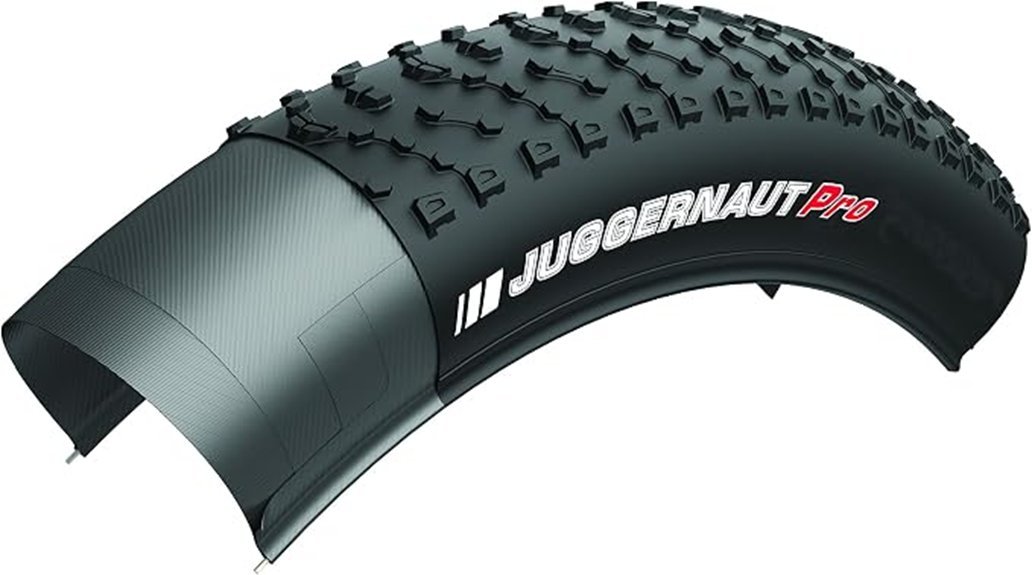
The Kenda Juggernaut Pro DTC Fat Bicycle Tire is a strong fit for riders who want maximum traction and flotation on a mountain bike, especially in snow, sand, or other loose terrain. This 26×4.8 clincher uses a knobby tread and large casing to improve grip and surface contact. Its dual tread compound and 60 TPI construction support demanding conditions while keeping weight low for a fat tire. Tubeless-ready design helps reduce flats and improve rolling efficiency. Built from synthetic rubber, it suits 26-inch wheels and comes with a limited warranty from Kenda.
Best For: Mountain bikers who need maximum traction, flotation, and flat-resistant performance in snow, sand, and other loose terrain.
Pros:
- Knobby 26×4.8 tread delivers strong grip and control on loose surfaces
- Tubeless-ready design helps reduce flats and improve rolling efficiency
- Large casing and dual tread compound support flotation and durability in challenging conditions
Cons:
- Fat tire size may feel heavy or slow on smoother terrain
- Only fits bikes and rims compatible with 26-inch, 4.8-width fat tires
- May not be ideal for riders prioritizing lightweight speed over traction
Kenda Nevegal 2 EMC Mountain Bike Tire
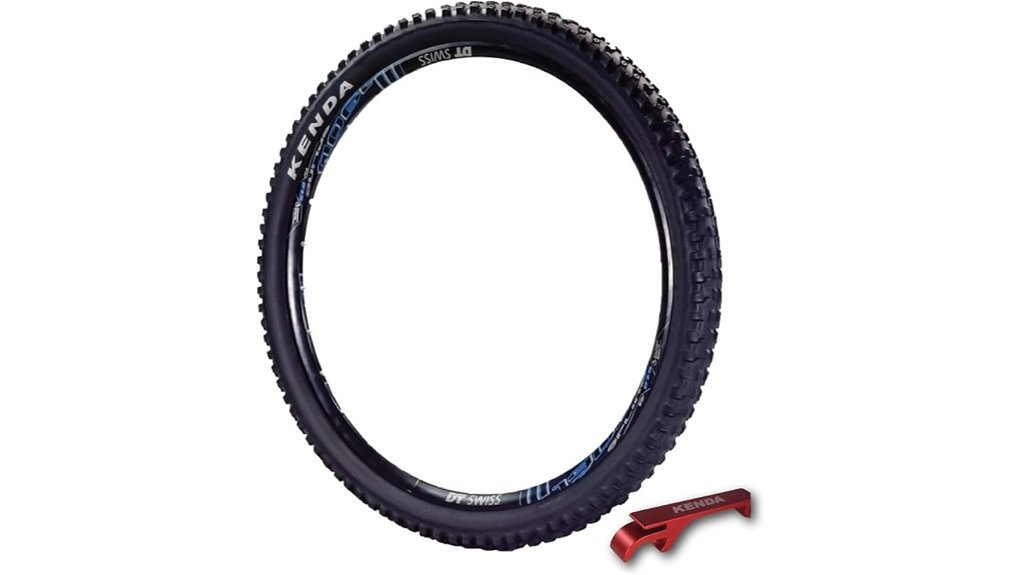
Built for aggressive riders, the Kenda Nevegal 2 EMC adds flat protection and fast e-MTB readiness. This 29×2.40 clincher uses K-Armor ATC casing for 174% greater puncture resistance, helping reduce flats on rough trails. Its EN-DTC dual-compound tread balances grip and durability, improving traction and braking control. A redesigned pattern cuts rolling resistance by 50%, supporting efficient speed on longer rides. ECE-R75 certification makes it suitable for e-bikes up to 50 km/h. The directional tread and rubber construction suit enduro, aggressive trail, and high-speed electric mountain bike use.
Best For: Enduro, aggressive trail, and e-MTB riders who want strong flat protection, reliable grip, and efficient performance on high-speed rides.
Pros:
- K-Armor ATC casing offers 174% greater puncture resistance for added flat protection.
- EN-DTC dual-compound tread balances traction, braking control, and durability.
- ECE-R75 certification and reduced rolling resistance make it well-suited for fast e-MTB use.
Cons:
- 29×2.40 size may not fit riders looking for a narrower or lighter tire setup.
- Aggressive tread and casing can feel less nimble than a race-focused XC tire.
- Designed for rough terrain and high-speed use, so it may be more tire than casual riders need.
Kenda Small Block 8 Pro Bike Tire
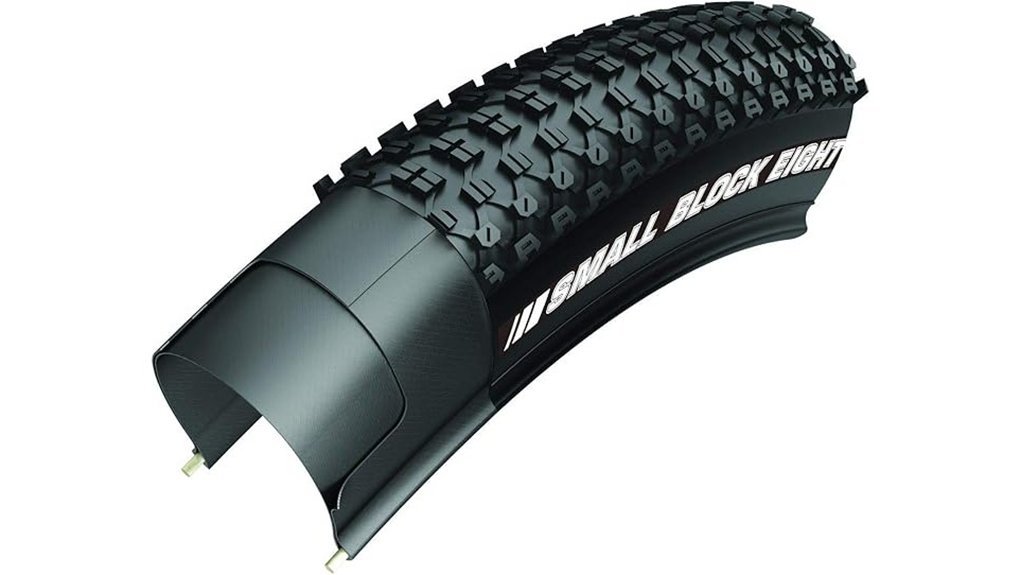
Racers chasing speed on hardpack will appreciate the Kenda Small Block 8 Pro Tire. This 27.5 x 2.1 tubeless-ready mountain bike tire is built for XC racing, emphasizing rapid rolling and efficient power transfer. Its smaller Nevegal-shaped knobs reduce resistance, while the DTC dual compound uses L3R PRO center rubber for longer tread life and Stick-e shoulder rubber for confident cornering. A 120 TPI casing adds durability, and SCT sidewall technology improves air retention and sealant compatibility. The bold folding bead keeps weight low and installation straightforward for racers and trail riders alike.
Best For: XC racers and trail riders who want a fast-rolling, tubeless-ready 27.5″ hardpack tire with strong cornering grip and durable construction.
Pros:
- Excellent rolling speed and efficiency on hardpack and XC courses
- Tubeless-ready with SCT sidewall technology for better air retention and sealant compatibility
- Durable 120 TPI casing and dual-compound tread for grip, control, and tread life
Cons:
- Best suited to hardpack/XC use rather than loose or muddy terrain
- 2.1″ width may feel narrow for riders wanting more cushion or aggressive trail traction
- Speed-focused tread may offer less all-around versatility than more aggressive mountain bike tires
Factors to Consider When Choosing Dtc Mountain Bikes
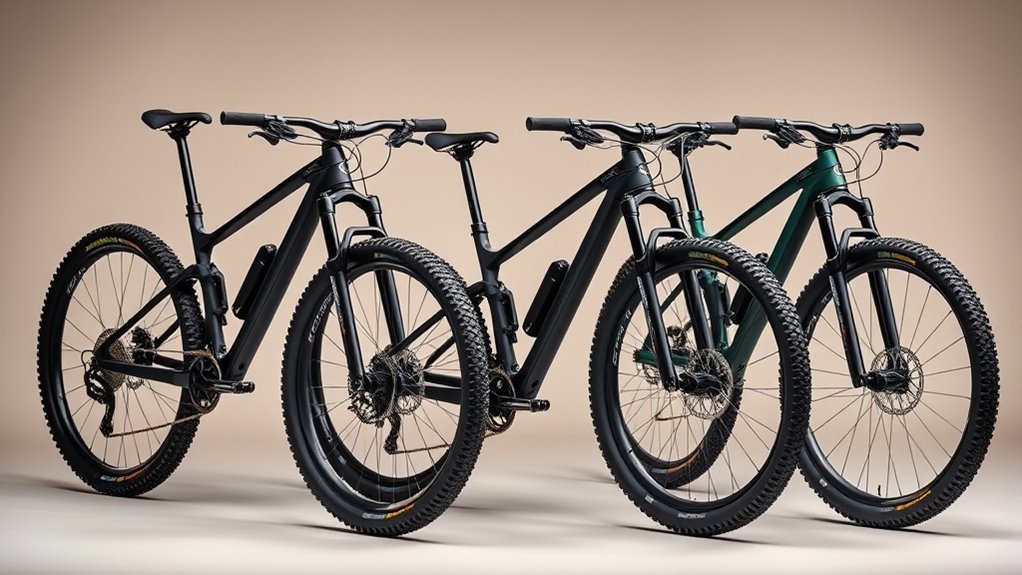
Choosing DTC mountain bikes begins with matching tire size compatibility to the frame and intended terrain. Tread pattern choice, rolling resistance, and puncture protection all shape how the bike handles speed, grip, and durability. A tubeless ready design can further improve performance by reducing flats and allowing lower tire pressures.
Tire Size Compatibility
Tire compatibility is a key detail when evaluating DTC mountain bikes, since wheel size and tire width must match the frame and fork to avoid clearance problems. Mountain bike tires commonly range from 26 to 29 inches in diameter, while widths can span roughly 2.1 to 4.8 inches. These dimensions affect traction, rolling resistance, handling, and rider comfort. A frame or fork that is not designed for a particular tire size can create rubbing, reduce stability, or prevent safe installation. Internal rim width also matters because it determines which tires can be mounted and inflated correctly without harming performance. Matching tire size to terrain and riding style helps guarantee the bike delivers the intended balance of grip, speed, and comfort on varied surfaces.
Tread Pattern Choice
Beyond size and fit, tread pattern is a major factor in how a DTC mountain bike performs on the trail. Knobby designs generally supply stronger traction and control on loose, uneven ground, while smoother patterns suit hard-packed terrain with better handling. Dual-compound treads can improve performance by pairing softer side knobs for cornering grip with a firmer center for added durability. Directional tread layouts also matter, since they help move water away and support steadier handling in wet conditions. In muddy terrain, wider knob spacing usually sheds debris more effectively, reducing buildup that can compromise grip. Tread depth also influences behavior, with deeper patterns favoring loose surfaces and shallower ones working better on firmer trails.
Rolling Resistance
Rolling resistance plays a major role in how efficiently a DTC mountain bike moves, influencing both speed and energy use on the trail. Lower-resistance tires help riders accelerate more quickly and hold pace over longer distances, making them attractive for efficient trail riding. Tire design strongly affects this trait: slick or minimal tread patterns generally roll faster than aggressive knobby options, while rubber compounds also shape how much effort is needed to keep moving. Tire weight matters as well, since lighter constructions usually demand less energy. A well-engineered casing can further balance low rolling resistance with enough traction and durability for mixed terrain. For buyers comparing models, this factor can meaningfully affect overall ride feel, especially on routes where sustained speed is important and tire efficiency becomes noticeable.
Puncture Protection
Puncture protection is a vital consideration for DTC mountain bikes, especially on rugged trails where sharp rocks, roots, and debris can quickly lead to flats. Tires built with advanced puncture-resistant casings, such as K-Armor ATC, help reduce the chance of damage and improve long-term durability. A higher TPI rating, such as 120 TPI, often signals a more supple yet tougher tire, which can enhance both puncture resistance and ride feel. Dual tread compounds also add value by balancing grip, stability, and defense against trail hazards. In rough conditions, these features can make a noticeable difference in reliability, helping riders stay focused on the trail instead of tire failures.
Tubeless Ready Design
Tubeless ready design builds on puncture protection by reducing the chances of flats while improving overall trail performance. It allows tires to run without inner tubes, so riders can use lower air pressure for improved traction and comfort over rough ground. The lighter setup also trims rotational weight, helping the bike feel more responsive and easier to maneuver. By reducing pinch flats, tubeless systems offer a more dependable ride in demanding conditions. Sealant compatibility adds another layer of value, quickly closing small punctures before they become delays. A bead design made for tubeless use also supports easier installation and a secure rim fit, simplifying setup. For buyers comparing DTC mountain bikes, this feature signals efficiency, reliability, and practical performance.
Terrain Suitability
Terrain suitability is one of the most important factors when choosing a DTC mountain bike, because tire design should match the ground it is meant to handle. Knobby tread patterns provide dependable traction on loose dirt, mud, and rocky paths, while smoother profiles roll faster on hard-packed trails. Tire width also influences performance: wider options improve flotation in snow and sand, whereas narrower models favor climbing efficiency and speed on firm surfaces. For demanding routes with sharp debris, puncture-resistant construction is valuable for reducing flats. Some riders also need tires that can adapt across changing conditions, and tubeless-ready setups help by allowing lower pressure for added grip on rough terrain without sacrificing reliability. These traits determine how well a bike matches its intended riding environment.
Compound And Casing
Compound and casing play a major role in how a DTC mountain bike tire performs on the trail. The tread compound affects both grip and durability, and dual-compound layouts often strike a practical balance between traction and wear resistance across changing conditions. Casing choice also matters: higher TPI usually gives a lighter, more supple tire that improves compliance on rough terrain. For riders facing sharp rocks or repeated impacts, reinforced materials such as K-Armor ATC can improve puncture protection. Tubeless-ready construction adds further benefits by permitting lower pressures, which boosts traction and helps prevent pinch flats during aggressive riding. A well-optimized tread pattern can also cut rolling resistance, improving speed and energy efficiency for competitive riders.
Frequently Asked Questions
Which DTC Mountain Bike Brands Offer the Best Warranties?
Warranty, where confidence meets caution, often separates the strongest DTC mountain bike brands. Canyon, YT, and Commencal are frequently praised for solid coverage and responsive support, while Santa Cruz and Trek, though not strictly DTC in all cases, set high standards for lifetime frame protection. The best warranty depends on frame material, region, and claim process. A careful buyer weighs duration, exclusions, and service speed before trusting any brand with rough-trail ambitions.
Are DTC Mountain Bikes Pre-Assembled Before Shipping?
DTC mountain bikes are usually shipped partially assembled, not fully built. Most brands complete the major factory setup, then remove or loosen components like the handlebars, front wheel, pedals, and derailleur hanger for safer shipping. Final assembly is typically done by the buyer or a local shop. Some premium models may arrive more prepared, but packaging and shipping costs generally make full pre-assembly uncommon across direct-to-consumer brands.
How Often Should DTC Mountain Bike Suspension Be Serviced?
DTC mountain bike suspension should be serviced like a clock’s hidden gears: lower-leg fork service every 50 to 100 riding hours, and a full damper or shock service about every 200 hours or annually. Wet, muddy, or hard-ridden bikes may need attention sooner. Regular cleaning and seal inspection help preserve sensitivity, prevent wear, and keep the ride responsive, much as oil keeps a machine moving smoothly.
Can DTC Mountain Bikes Be Upgraded With Electronic Shifting?
Yes, many DTC mountain bikes can be upgraded with electronic shifting, provided the frame, rear derailleur hanger, battery mounting, and drivetrain compatibility support it. Some models accept wireless systems easily, while others may need new wheels, cassettes, or cranksets. Cable-routing limitations are usually less important with wireless setups. A mechanic should verify clearance, battery placement, and dropout standards before purchase, because not every frame is suitable for a clean, reliable conversion.
Do DTC Mountain Bikes Include Crash Replacement Programs?
Like a safety net under a tightrope, some DTC mountain bikes include crash replacement programs, but not all of them. Many brands offer discounted frame or component replacements after an accident, though terms vary widely by company, region, and warranty registration. A few provide generous support; others leave riders with standard warranty coverage only. The details usually rest in the fine print, so checking each brand’s policy remains essential.