Freestyle riding in [2026] is shaping up to reward bikes that balance durability, control, and simple maintenance. The Freestyle 20 Inch Single Speed BMX Bike, the 26″ 7-Speed Mountain Bike, Blackburn BMX Bike Tires, and the WEIZE Dual Full Suspension model each bring a different advantage to the table. Some suit younger riders, others favor heavier use or rougher terrain. The real question is which one fits the rider’s needs best.
Key Takeaways
- Freestyle 20-inch single-speed BMX bikes suit younger riders, with a durable steel frame and rear caliper brake.
- A 26-inch 7-speed mountain bike offers front suspension, high-carbon steel construction, and support for riders 52 to 62 inches tall.
- WEIZE dual full-suspension bikes provide smoother control, 18 gears, and reliable linear pull brakes for mixed terrain.
- Blackburn BMX tires improve puncture resistance and grip on 20-inch freestyle wheels, ideal for skate parks and urban riding.
- For freestyle riding, prioritize lightweight durability, strong brakes, and suspension or gearing matched to rider size and terrain.
Freestyle 20 Inch Single Speed BMX Bike
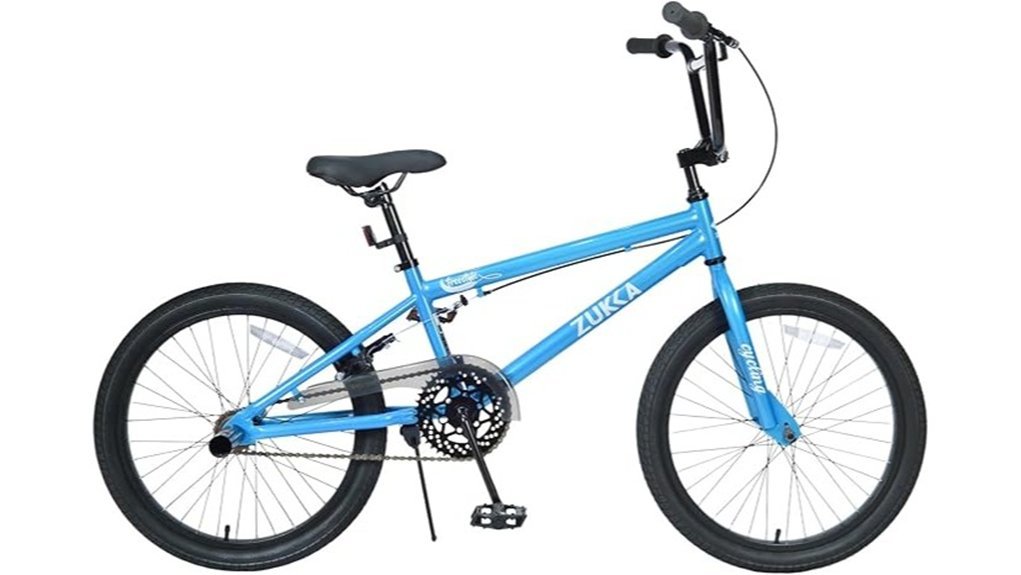
The Freestyle 20 Inch Single Speed BMX Bike is a strong choice for riders ages 7 and up who want a durable, easy-to-handle bike for street, park, or trail use. Its steel frame and lightweight aluminum rims support stability, while 20 x 2.125 tires add shock absorption. The single-speed setup keeps operation simple, and the rear caliper brake provides dependable stopping power. An adjustable seat suits different heights, with a minimum rider height of 48 inches. Arriving 85% pre-assembled with tools and pedals included, it offers a practical setup.
Best For: Kids ages 7+ who want a durable, easy-to-ride BMX bike for street, park, or trail use.
Pros:
- Durable steel frame with lightweight aluminum rims for stability and control
- Single-speed design makes it simple and easy to use
- 85% pre-assembled and includes tools and pedals for quicker setup
Cons:
- Maximum weight limit of 120 pounds may not suit larger riders
- Rear caliper brake may offer less stopping power than more advanced brake systems
- Single-speed setup limits gear options for hills and varied terrain
26″ 7-Speed Mountain Bike with Front Suspension
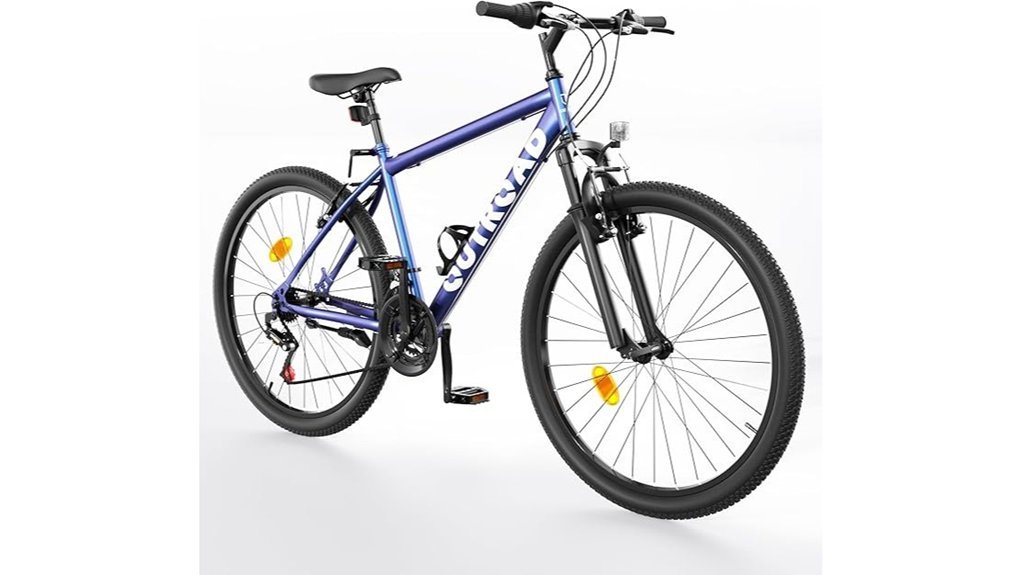
Built for riders between 52 and 62 inches tall, this 26-inch 7-speed mountain bike suits growing teens and smaller adults. Its aviation-grade high-carbon steel frame uses reinforced welding for durability while keeping weight manageable, and it supports up to 330 pounds. A waterproof paint finish helps preserve appearance. The 7-speed drivetrain adapts to varied terrain, while V-brakes add dependable control. A suspension fork softens impacts, and ergonomic handlebars improve riding posture. The quick-release seat adjusts easily. With 90% pre-assembly, setup takes about 20 minutes, aided by included tools, video guides, and 24/7 support. Multiple color options broaden appeal.
Best For: Riders between 52 and 62 inches tall, including growing teens and smaller adults, who want a durable, easy-to-assemble 26-inch mountain bike for everyday riding and varied terrain.
Pros:
- Durable aviation-grade high-carbon steel frame with reinforced welding
- 7-speed drivetrain and V-brakes offer versatile, dependable performance
- 90% pre-assembled with included tools, video guides, and 24/7 support
Cons:
- Best suited for shorter riders, so it may not fit taller adults comfortably
- Not as lightweight as bikes made from aluminum or carbon fiber
- Front suspension and entry-level components may be less ideal for serious off-road use
Blackburn BMX Bike Tires
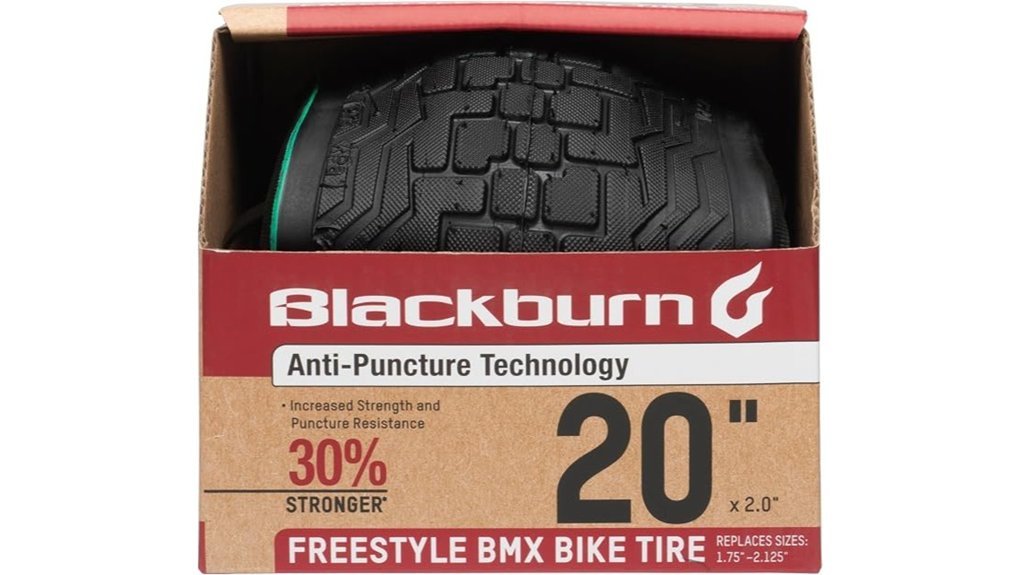
Blackburn BMX Bike Tires suit riders who need durable, smooth-rolling rubber for park and street sessions. Designed for freestyle use, they fit 20 x 1.75 to 2.25 wheels and come in black. The tread favors efficient rolling in skate parks and urban environments, while a protective layer under the tread adds 30% more strength and puncture resistance. A Carbon Steel bead supports folding and unfolding without damage. Rated for a maximum 35 PSI, these tires balance toughness and performance for BMX riders seeking reliable everyday control.
Best For: BMX riders who want durable, smooth-rolling tires for freestyle, park, and street riding.
Pros:
- Protective tread layer adds 30% more strength and puncture resistance.
- Smooth-rolling tread is ideal for skate parks and urban street use.
- Carbon Steel bead allows folding and unfolding without damage.
Cons:
- Max 35 PSI may be limiting for riders who prefer higher tire pressure.
- Designed specifically for BMX/freestyle use, so not ideal for other cycling styles.
- Tire size range is narrow, fitting only 20 x 1.75 to 2.25 wheels.
WEIZE Mountain Bike with Dual Full Suspension
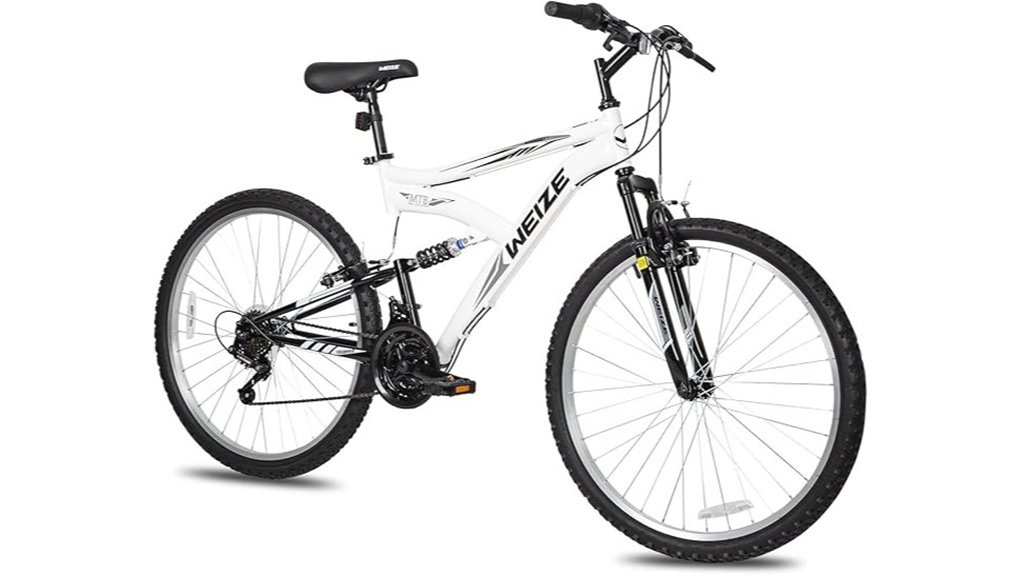
WEIZE’s dual full suspension suits riders who want a smoother, more forgiving freestyle ride. Its high-carbon steel frame, front fork, and rear coil shock help absorb roughness on mixed terrain. Eighteen-speed twist shifters, paired with front and rear derailleurs, make gear changes straightforward, while linear pull brakes add dependable stopping power. The 26-inch all-terrain tires support versatile use, and the bike fits men and women ages 13 and up, especially riders 52 to 62 inches tall. It arrives partially assembled, includes tools, and can be ready in about 20 minutes.
Best For: Men and women ages 13+ who want a budget-friendly mountain bike with dual suspension, easy gearing, and a smoother ride on mixed terrain.
Pros:
- Dual full suspension with a front fork and rear coil shock helps absorb bumps for a more comfortable ride.
- 18-speed twist shifters and derailleurs make shifting simple and versatile.
- Arrives partially assembled with tools included and can be ready in about 20 minutes.
Cons:
- High-carbon steel frame may be heavier than comparable aluminum bikes.
- Linear pull brakes are effective, but not as powerful as some higher-end brake systems.
- Best fit is limited to riders about 52 to 62 inches tall.
Factors to Consider When Choosing a Freestyle Mountain Bike
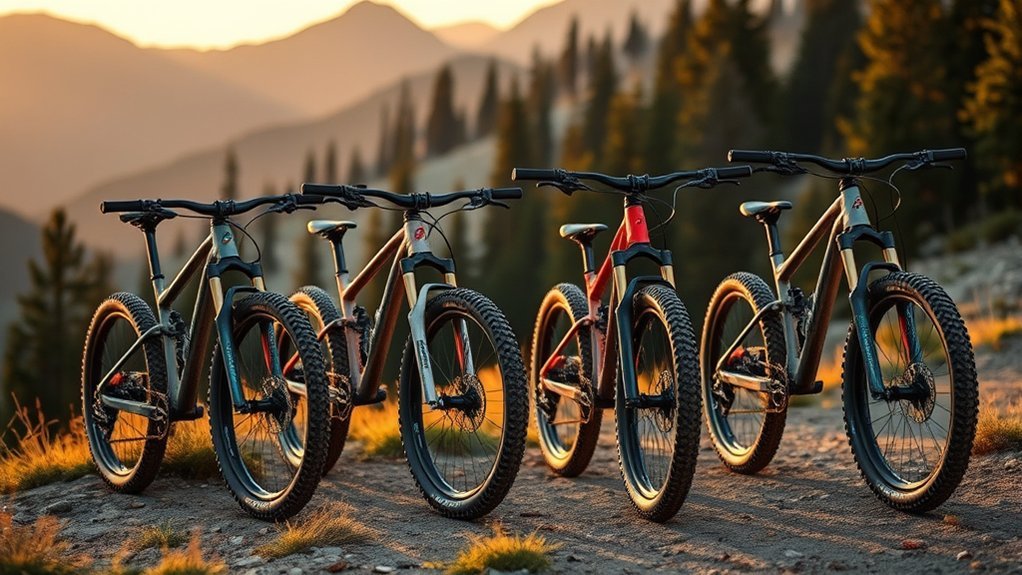
Frame durability, tire size, suspension system, gear options, and brake performance all shape how well a freestyle mountain bike handles demanding terrain. A sturdy frame and appropriate suspension can improve control and impact absorption, while tire choice affects grip and stability. Reliable gearing and strong brakes also play a key role in safety and overall ride performance.
Frame Durability
A freestyle mountain bike’s frame must absorb repeated shocks from jumps, drops, and tricks without failing, making durability a top priority for both performance and rider safety. A strong frame helps guarantee long-term reliability, especially when the bike is used for demanding freestyle riding. High-carbon steel is often favored because it resists bending and breaking under repeated stress, giving riders confidence during aggressive maneuvers. Reinforced welding also matters, since it strengthens critical joints where forces concentrate. Frame weight should not be ignored, however, because excess mass can reduce maneuverability and make the bike harder to handle. The best designs strike a balance between toughness and manageable weight. A protective paint finish adds another layer of defense by limiting rust, wear, and damage from environmental exposure.
Tire Size
Tire size plays a major role in how a freestyle mountain bike handles, especially during jumps, tricks, and fast direction changes. A smaller diameter, such as 20 inches, supports quicker acceleration and sharper maneuverability, which suits freestyle riding and dense urban settings. Wider tires, including 20 x 2.125 options, add shock absorption and stability, helping the bike stay composed during landings and aggressive movements. Increased width also expands surface contact, improving grip and traction across varied terrain. PSI settings matter as well; around 35 PSI is common for BMX tires and influences comfort and responsiveness when absorbing impacts. The best tire size balances speed with stability, giving riders the precision and control needed for consistent trick execution and confident handling.
Suspension System
Although freestyle mountain bikes are often judged by frame and tire setup, the suspension system is just as important for control and comfort. A dual suspension design uses front and rear shock absorbers to soften rough landings and uneven terrain, improving stability on demanding trails. Front forks help absorb impact during descents, while rear suspension preserves traction and control over broken surfaces. This cushioning also reduces rider fatigue, making longer rides more manageable and less punishing. Suspension quality and design influence responsiveness, so the system should match the rider’s terrain and style. Adjustable settings add further value by accommodating different rider weights and preferences, allowing the bike to perform well under varied conditions without sacrificing handling or comfort.
Gear Options
Suspension helps a freestyle mountain bike stay controlled on rough ground, but gear options also shape how well it performs across changing terrain. A 7-speed drivetrain offers enough range for casual paths and tougher trails, giving riders flexibility without unnecessary complexity. Twist shifters can make changes feel smooth and intuitive, which helps maintain rhythm on mixed terrain. Bikes with multiple gears are better suited to steep climbs and quick descents, since they let the rider match effort to conditions. A lower gear range may suit beginners or riders facing demanding routes, as it reduces strain during difficult sections. Gear setup should also fit the rider’s height and strength, because proper matching supports comfort, control, and efficiency throughout the ride.
Brake Performance
Brake performance is a key factor in freestyle mountain biking because reliable stopping power directly affects safety and control at higher speeds and on varied terrain. A strong brake system helps riders manage sudden changes in pace, landings, and technical lines with greater confidence. V-brakes offer dependable stopping power and versatility, making them effective across different riding conditions. Rear caliper brake systems can improve control during smoother, more precise stops, which supports freestyle maneuvers and stunt execution. Responsiveness remains essential, since quick engagement allows rapid corrections during tricks. Bike weight also matters; lighter frames often support faster, more agile braking reactions. In freestyle use, brake choice should balance power, precision, and responsiveness to match the demands of aggressive riding.
Frequently Asked Questions
Which Freestyle Bike Suits Advanced Riders Best?
Advanced riders are best suited by a high-end freestyle bike with a lightweight chromoly or aluminum frame, responsive geometry, and strong hydraulic brakes. It should handle jumps, spins, and technical landings with ease, like a dancer on a tightrope. Durable wheels, sealed bearings, and a short rear end improve control. A model with adjustable components and a stiff build gives experienced riders the precision and confidence needed for aggressive riding.
Are Freestyle Bikes Good for Street Tricks?
Yes, freestyle bikes are generally well suited for street tricks because they usually have strong frames, responsive handling, and geometry that supports quick manuals, hops, and spins. Their tougher construction can handle impacts from curbs, ledges, and rails better than many other bikes. However, tire choice, brake setup, and rider skill still affect performance. A properly tuned bike makes street trick riding much easier and more controllable.
How Often Should Freestyle Bike Tires Be Replaced?
Freestyle bike tires should typically be replaced every 1,000 to 3,000 miles, though aggressive riding can shorten that to just months. A worn tire contributes to about 30% more puncture risk, which can leave riders stranded and frustrated. Replacement becomes necessary when tread is smooth, sidewalls crack, or cuts appear. Regular inspection after hard sessions helps preserve grip, control, and confidence on street or park terrain.
Can Freestyle Bikes Handle Dirt Jumps Safely?
Yes, freestyle bikes can handle dirt jumps safely, but only when they are built for impact and kept in good condition. Their stronger frames, robust wheels, and short geometry suit controlled jumps and tricks. However, safety depends on proper tire pressure, regular inspections, and rider skill. A bike with worn parts, weak brakes, or improper setup may fail on rough landings, making caution essential for reliable use.
What Protective Gear Is Essential for Freestyle Riding?
Essential protective gear for freestyle riding includes a certified helmet, gloves, knee pads, elbow pads, and sturdy shoes with good grip. A full-face helmet is often preferred for harder tricks and jumps. Some riders also use a back protector, shin guards, and padded shorts for extra safety. Proper gear reduces injury risk during falls, impacts, and awkward landings, making controlled practice and progression much safer and more confident overall.