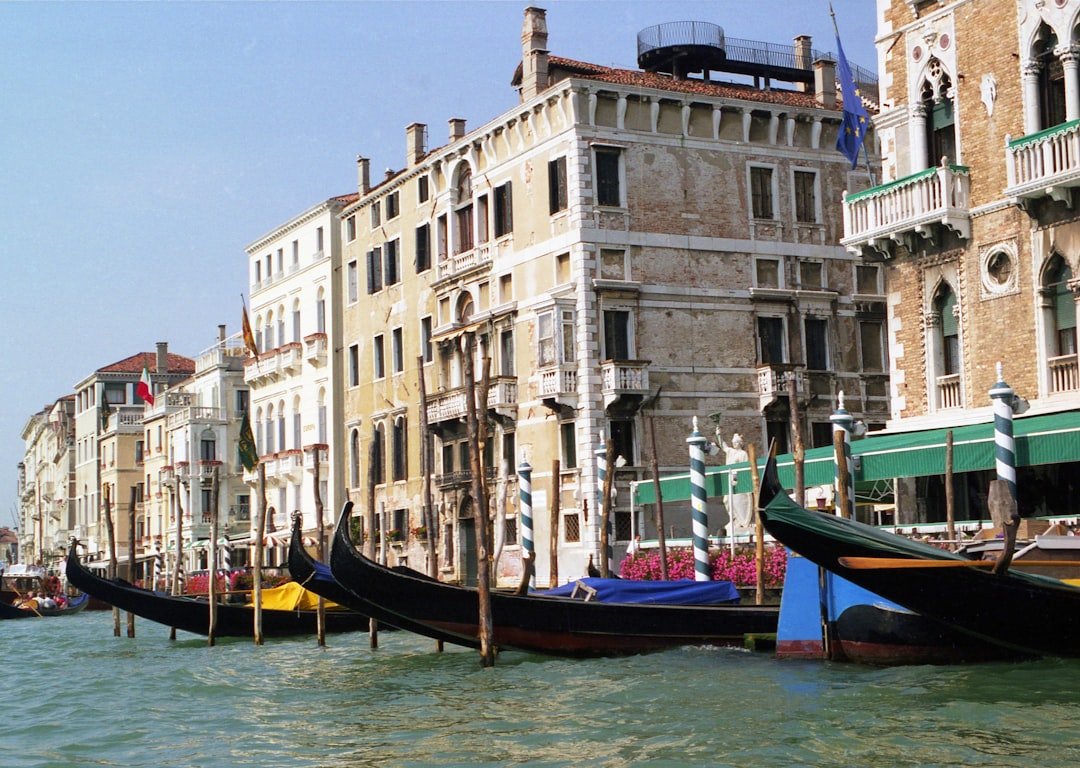
Choosing the best area to stay in Venice for families is mostly about balancing quiet streets, easy vaporetto access, green space, and the number of bridges you will cross with children or luggage. Dorsoduro is a strong all-around choice, while Cannaregio, Castello, and Santa Croce can be better for families with different priorities. Venice is compact, but your neighborhood can make a noticeable difference to everyday comfort.
Quick Answer
Dorsoduro is one of the best all-around areas for families because it combines cultural attractions, waterfront walks, squares, and good vaporetto access. Choose Cannaregio for a quieter local feel, Castello near the Giardini for green space, or Santa Croce if minimizing luggage-hauling from Piazzale Roma is your priority.
Last checked: October 1, 2026. Dates and figures were verified against official sources.
Key Takeaways
- Dorsoduro offers a useful balance of sightseeing, residential streets, waterfront space, and family-friendly places to stop.
- Cannaregio suits families who want local shops, easier access to Santa Lucia station, and less dependence on San Marco.
- Castello is worth considering if parks and quieter eastern neighborhoods matter more than being beside Rialto.
- Santa Croce can simplify arrival and departure because Piazzale Roma is Venice’s main road-transport gateway.
- With a stroller, luggage, or very young children, count bridges between your accommodation and the nearest vaporetto stop before booking.
Best Area to Stay in Venice for Families: Neighborhood Comparison
There is no single neighborhood that suits every family, but Dorsoduro is a dependable all-around base. Families who value quieter residential streets may prefer Cannaregio or eastern Castello, while Santa Croce is especially practical when easy arrival matters.
| Area | Best for | Family advantage | Main trade-off |
|---|---|---|---|
| Dorsoduro | Best all-around balance | Museums, squares, Zattere waterfront and good water-bus connections | Some major sights require additional walking or a vaporetto ride |
| Cannaregio | Local atmosphere | Residential sections, shops and convenient access to Santa Lucia station | Farther from some San Marco attractions |
| Castello | Green space and quieter stays | Access to Giardini, Sant’Elena and less congested eastern streets | Eastern accommodation can mean longer journeys to the station |
| Santa Croce | Easy arrival and departure | Close to Piazzale Roma and the Santa Lucia station area | Less convenient for families focused mainly on San Marco |
| San Marco | Maximum sightseeing convenience | St. Mark’s Square and major landmarks are close | Busy pedestrian routes and fewer quiet residential spaces |
San Polo is another central option, particularly if the Rialto area is high on your sightseeing list. However, families with babies or toddlers may find that bridge count, accommodation stairs, and access to open space matter more than being a few minutes closer to a famous landmark.
Safety and Crime Risks in Venice
For visiting families, the most practical crime concern is theft and pickpocketing in busy tourist and transport areas. Recent Venice police operations have specifically targeted pickpocketing around crowded locations, so it is more useful to plan for that risk than to rely on broad claims that the city has a particular crime rate.
Where Families Should Be More Alert
Keep bags closed and valuables difficult to reach when you are around major transport stops, ticket machines, congested streets, San Marco, and Rialto. In September 2026, Venice authorities reported anti-pickpocket operations at the Santa Lucia vaporetto area and around San Marco.
The Venice State Police also reported continued operations against pickpocketing in late September 2026. Crowds and distractions are common opportunities for theft, especially when travelers are handling tickets, maps, luggage, or children at the same time.
Safety Around Canals and Bridges
Venice’s car-free historic center removes normal road-traffic concerns, but canals create a different hazard. Many canal edges have no protective barrier, and bridges frequently have steps.
Warning: Keep young children close beside canals, on bridges, and at vaporetto boarding points. A quiet street beside water can still have an unprotected edge.
Families using strollers should also expect repeated lifting over bridge steps. Before booking accommodation, look at the walking route from the nearest vaporetto stop rather than judging a property only by its straight-line distance from attractions.
School Districts and Education Opportunities
)
If you are considering a move rather than a short holiday, Venice has municipal, state, private, and bilingual education options. The system does not work exactly like a U.S.-style school-district model, so families should compare individual schools, admission rules, location, and transport.
The City of Venice educational-services system includes nurseries and preschools for young children. Municipal information describes nursery services for children from three months to three years and preschool services for ages three to six.
The wider municipality also has primary and secondary schools. For families wanting bilingual education, the International School of Venice in Mestre offers Italian-English programs for Early Years, Primary, and Middle School children. Because Mestre is on the mainland, commute time should be considered before choosing a home in the historic center.
For higher education, Ca’ Foscari University is based in Dorsoduro and offers programs across economics, languages, humanities, science, and other fields. Families relocating permanently should confirm current admissions, catchment or preference rules, language support, and available places directly with each school before choosing housing.
Parks and Recreational Facilities
| Facility Name | Location | Facility Type | Best For |
|---|---|---|---|
| Parco Savorgnan | Cannaregio | Equipped green area | A play and rest break in Cannaregio |
| Giardino Papadopoli | Santa Croce | Public garden | A break near the Piazzale Roma side of Venice |
| Giardini di Sant’Elena | Castello | Green area | Longer outdoor breaks away from the busiest center |
Venice has less conventional park space than many cities, but several useful green areas can give children a break from sightseeing. The City of Venice map of equipped green areas lists Parco Savorgnan in Cannaregio, Giardino Papadopoli in Santa Croce, and several green spaces in Castello, including Sant’Elena.
This makes Castello particularly attractive for families who expect to spend several days in Venice and want somewhere children can have more room. Cannaregio’s Parco Savorgnan is useful for families staying near the railway-station side of the city.
The lagoon also supports water-based recreation, but kayaking and similar activities require more planning than an ordinary park visit. Families should choose organized activities suited to their children’s age and ability rather than treating Venice’s working canals as open recreational waterways.
Family-Friendly Activities and Entertainment
Venice works surprisingly well with children when sightseeing is broken into short activities. Boat rides, open squares, museums, workshops, parks, islands, and simply watching water traffic can provide variety without filling every hour with formal attractions.
The official Venezia Unica guide to Venice with children highlights workshops, family activities, playgrounds, and practical facilities. It also lists public restrooms with nursery or changing facilities at locations including Piazzale Roma, Accademia, San Marco, Castello, Murano, Burano, and Torcello.
Dorsoduro is especially convenient for cultural days because it contains the Peggy Guggenheim Collection and the Gallerie dell’Accademia, while Campo Santa Margherita provides a large open square for a less structured break. In Castello, the Giardini and Arsenale areas combine cultural attractions with more open space than the busiest parts of San Marco.
Pro Tip: Plan one major indoor attraction between outdoor stops instead of stacking several museums together. Children often cope better with Venice when boat rides, squares, parks, snacks, and sightseeing are alternated.
Local Amenities and Services
)
Families can find supermarkets, bakeries, pharmacies, local markets, restaurants, and medical services throughout Venice, but convenience varies block by block. A beautiful apartment is less practical if every grocery run or vaporetto journey requires several bridges with a stroller.
Convenient Shopping Options
Small grocery stores and neighborhood shops are spread across the historic center. The Rialto Market remains one of the best-known places for fresh food, while Cannaregio, Dorsoduro, Castello, and Santa Croce also have everyday shops serving residents.
If you are booking an apartment, look for a supermarket or food shop within a comfortable walking distance. A kitchen and washing machine can be more valuable to a family on a longer stay than being directly beside the busiest attractions.
Healthcare Services
Venice has hospital and emergency-care services within the historic city. ULSS 3 Serenissima lists the Ospedale SS. Giovanni e Paolo at Castello 6777 as a Venice emergency-department location.
The ULSS 3 Venice emergency-services information provides the hospital’s address and emergency-department details. For a life-threatening emergency in Italy, call 118.
Community and Family Services
Long-term residents can also access municipal childcare and educational services. Parents considering a permanent move should compare services in the historic center with those in Mestre and other mainland areas because housing, schooling, transport, and everyday shopping can feel very different.
Community Events and Festivals
Venice’s major events can be exciting for families, but they also change crowd levels dramatically. Carnival is the clearest example: staying close to San Marco can be convenient for events while also placing your family in some of the city’s busiest pedestrian traffic.
The next Venice Carnival is scheduled for January 23 to February 9, 2027, according to the official Venice Carnival website. Families visiting during those dates should expect a very different atmosphere from an ordinary winter stay, with costumes, performances, and much heavier activity around central event areas.
Another important Venetian tradition is the Festa della Madonna della Salute, observed each year on November 21. It centers on the Basilica di Santa Maria della Salute and includes a temporary votive bridge across the Grand Canal area. Families staying in Dorsoduro during the celebration are particularly close to the activity.
La Biennale di Venezia also runs exhibitions and festivals that can create extra interest around Castello, the Giardini, Arsenale, and Lido. If a major event overlaps your visit, neighborhood choice becomes more important because vaporetto loads and pedestrian traffic can increase.
Family Accommodation Options and Affordability
Family accommodation in Venice ranges from hotel rooms and guesthouses to apartments with kitchens and multiple bedrooms. Instead of choosing only by nightly price, compare the total effort required to reach the property with children, luggage, and a stroller.
The historic center contains many old buildings where stairs, small lifts, narrow entrances, and bridge-heavy routes can affect accessibility. Before booking, check the property’s floor, elevator availability, room layout, air conditioning when relevant, and walking route from the nearest vaporetto stop.
Dorsoduro, Cannaregio, Castello, and Santa Croce can all provide alternatives to the busiest part of San Marco. Families staying longer may also consider the Lido or mainland Mestre, but these change the experience: the Lido requires boat transport to the historic center, while Mestre requires a train, bus, or tram connection.
For relocation, affordability should be assessed together with school location, work commute, grocery access, medical care, and transport. A lower housing cost outside the historic center may be offset by the time and cost of daily travel.
Transportation and Commute Times
Venice’s historic center is primarily a walking-and-water-transit environment. For families, the two biggest practical issues are the cost of repeated vaporetto rides and the physical effort of crossing stepped bridges.
ACTV’s current visitor fare is €9.50 for a standard 75-minute urban-network ticket. Current time-based options include €25 for 24 hours, €35 for 48 hours, €45 for 72 hours, and €65 for seven days, according to the official ACTV Venice urban fare information. Airport services are subject to separate rules and exclusions.
Children under six travel free on urban services within the Municipality of Venice under ACTV’s current fare rules. For a family planning several boat rides, comparing multi-day passes with individual tickets before the first journey can materially change the transport budget.
Walking is often the fastest way to cover short distances, but Venice’s bridges make a simple map distance misleading. Families with strollers should check how many bridges sit between their accommodation, nearest vaporetto stop, and the attractions they expect to visit most.
Can You Cycle in Central Venice?
No. The earlier idea of exploring central Venice by bicycle along designated paths is incorrect. The historic center is pedestrian territory, and bicycles generally may not be ridden or even led by hand, apart from a limited permitted connection around Piazzale Roma and Santa Lucia station.
The City of Venice bicycle guidance explains the restriction and identifies bicycle-parking options. Cycling is more practical on places such as the Lido and on the mainland than in Venice’s historic center.
What About the Venice Access Fee?
As of October 1, 2026, the 2026 Venice Access Fee trial has ended. The official FAQ states that the 2026 application period ended on July 26 and that, until new provisions take effect, visitors do not need to make a payment or obtain proof of exemption.
The official Venice Access Fee FAQ is the appropriate source for future changes. This matters mainly to day visitors; accommodation and exemption rules can differ when the scheme is active.
Local Dining and Shopping Options
Venice has everything from neighborhood bakeries and casual restaurants to traditional trattorias and formal dining. Families often benefit from staying near everyday food shops so breakfast, snacks, and simple meals do not require a trip through the busiest tourist streets.
Traditional Venetian cooking includes seafood, risotto, polenta, and cicchetti, although menus vary widely. Families with allergies or dietary restrictions should communicate them clearly rather than assuming every preparation follows the same recipe.
Shopping also ranges from daily necessities to products associated with the lagoon, including Murano glass and Burano lace. If you want handmade products, ask where an item was produced instead of assuming that every souvenir sold in central Venice was made locally.
If your family chooses an apartment with a kitchen, this existing simple cottage cheese recipe is one meal idea for a self-catering stay.
Frequently Asked Questions
What is the best area to stay in Venice for families?
Dorsoduro is one of the best all-around areas to stay in Venice for families. It combines museums, waterfront walks, open squares, restaurants, and useful vaporetto connections while generally feeling less dominated by the busiest San Marco sightseeing routes.
What makes Dorsoduro a good area for families?
Dorsoduro gives families a useful mix of culture and breathing room. The area includes the Zattere waterfront, Campo Santa Margherita, the Peggy Guggenheim Collection, the Gallerie dell’Accademia, restaurants, shops, and several vaporetto stops.
What family-friendly attractions are there in Dorsoduro?
Dorsoduro offers the Peggy Guggenheim Collection, the Gallerie dell’Accademia, the Zattere waterfront, Campo Santa Margherita, and easy access to the Basilica di Santa Maria della Salute. These give families a mix of museums, open space, walking, and waterfront scenery.
Are there family-friendly accommodations in Dorsoduro?
Yes. Dorsoduro has hotels, guesthouses, and apartments that can work for families. Before booking, check the room layout, floor, elevator access, kitchen facilities if needed, and the number of bridges between the property and the nearest vaporetto stop.
Is Dorsoduro easily accessible to other parts of Venice?
Yes. Dorsoduro is connected to other parts of Venice by walking routes, bridges, and vaporetto services. Its exact convenience depends on where you stay, so compare your accommodation with the nearest water-bus stop and the attractions your family plans to visit most.
Which Venice area is easiest with a stroller?
No Venice neighborhood is completely step-free, because bridges are part of everyday travel. Families with strollers should prioritize accommodation close to a vaporetto stop and count the bridges on their regular routes; parts of Castello, Dorsoduro, Cannaregio, and Santa Croce can work well.
How much does the Venice vaporetto cost?
The standard ACTV 75-minute urban-network ticket costs €9.50 as checked on October 1, 2026. Current visitor passes cost €25 for 24 hours, €35 for 48 hours, €45 for 72 hours, and €65 for seven days, with exclusions for certain services.
Conclusion and Final Recommendations
For most family trips, Dorsoduro offers one of the strongest balances of location, culture, open space, and transport. Cannaregio is a good alternative for a more residential atmosphere, Castello stands out for access to larger green spaces, and Santa Croce can make arrival with children and luggage easier.
Whichever area you choose, check three details before booking: the number of bridges from the nearest vaporetto stop, the accommodation’s stairs or elevator situation, and the distance to everyday food and transport. In Venice, those practical details can matter more to a family than being a few minutes closer to a landmark.
Sources
- Questura di Venezia: current anti-pickpocketing activity in Venice.
- Comune di Venezia — Educational Services: municipal nursery and preschool structure.
- Comune di Venezia — Equipped Green Areas: Venice parks and green spaces used in the facilities table.
- Venezia Unica — The City of Children: family activities, playgrounds, and child-friendly public facilities.
- ULSS 3 Serenissima: Ospedale SS. Giovanni e Paolo emergency-service information.
- ACTV — Venice Urban Services: current 75-minute ticket and time-based public-transport fares.
- Comune di Venezia — Venice by Bicycle: bicycle restrictions in the historic center.
- Venice Access Fee FAQ: end of the 2026 Access Fee application period and current status.
- Official Venice Carnival: January 23 to February 9, 2027 Carnival dates.