Lucca is one of Tuscany’s easiest historic cities to explore at a relaxed pace. Its walkable center, Renaissance walls, medieval towers, churches, local food, and nearby villas give you plenty to see without constantly changing hotels. Archaeological evidence suggests Etruscan roots, while Lucca’s clearly documented Roman history includes its establishment as a Latin colony in 180 BC.
Quick Answer
For a first visit to Lucca, spend Day 1 exploring the historic center, Day 2 cycling the 4.2-kilometer city walls and visiting nearby villas, and Day 3 taking a train to Pisa. Stay near the walls, walk or cycle whenever possible, and reserve popular tower visits in advance during busy periods.
Key Takeaways
- Day 1 focuses on Lucca’s historic center, including Piazza dell’Anfiteatro, San Martino Cathedral, Via Fillungo, and Guinigi Tower.
- Day 2 combines a walk or bike ride around Lucca’s Renaissance walls with Villa Reale di Marlia or Villa Grabau.
- Day 3 is an easy Pisa day trip, with regional trains providing a practical alternative to driving.
- Lucca is best explored on foot or by bicycle because much of the historic center is pedestrianized or restricted to authorized traffic.
- Try Lucchese specialties such as meat-filled tordelli, garmugia, buccellato, and frantoiana soup.
At a Glance
| Trip Length | 3 days |
| Best Base | Inside or immediately outside Lucca’s historic walls |
| Getting Around | Walking and cycling in Lucca; regional train for Pisa; taxi, car, or bicycle for some villas |
| Advance Booking | Recommended for Guinigi Tower and important for timed Leaning Tower visits |
Day 1: Exploring Lucca’s Historic Center
Start at Piazza dell’Anfiteatro
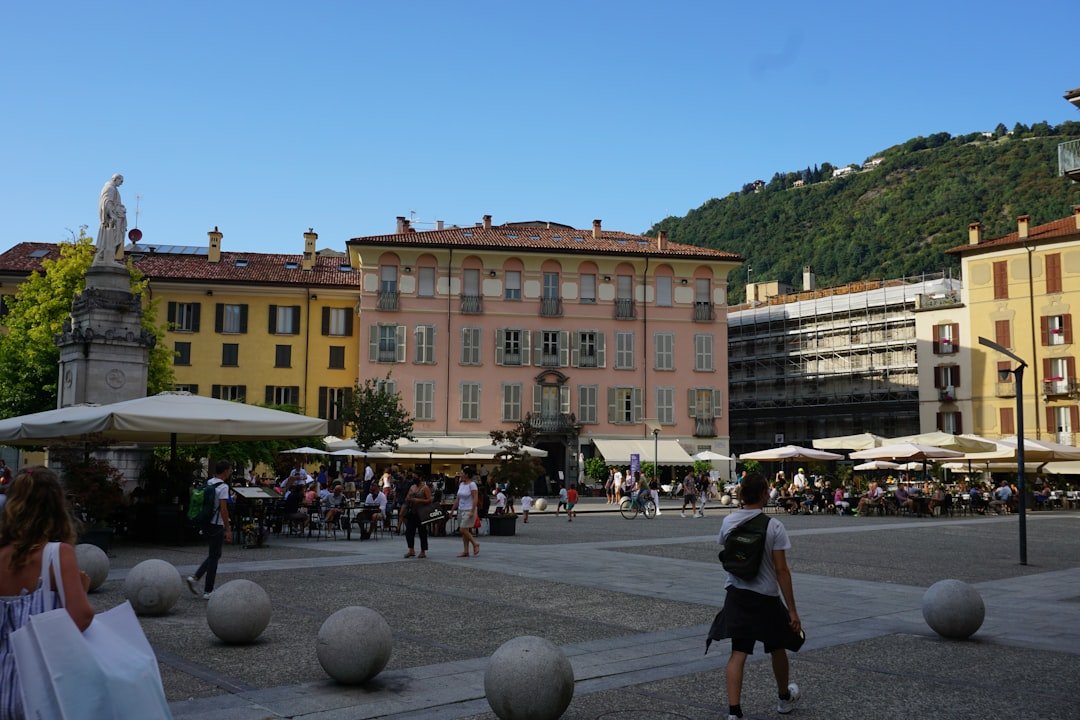
Begin your first morning at Piazza dell’Anfiteatro, one of Lucca’s most recognizable public spaces. The elliptical square follows the footprint of the Roman amphitheater that once stood here. Today, curved buildings surround the piazza, where cafes and shops create a lively but easygoing place to start the day.
Lucca’s ancient origins are more complex than a simple founding story. The city’s official tourism history notes that archaeological discoveries suggest Etruscan origins, while the Roman imprint is much clearer. Lucca became a Latin colony in 180 BC, and parts of the Roman street plan remain recognizable in today’s historic center.
Visit Lucca Cathedral
From Piazza dell’Anfiteatro, walk through the narrow center toward the Cathedral of San Martino. Its asymmetrical Romanesque façade is covered with arches, columns, carvings, and decorative details that reward a slow look.
Inside is the Volto Santo, or Holy Face, a wooden crucifix surrounded by centuries of religious tradition and legend. The cathedral complex also preserves the funerary monument of Ilaria del Carretto by Jacopo della Quercia.
If the bell tower is open during your visit, it provides another elevated view over Lucca. Always check the current opening schedule before building a tower climb into a tightly timed itinerary.
Walk Via Fillungo and Climb Guinigi Tower
Continue along Via Fillungo, Lucca’s best-known shopping street. Historic façades sit alongside boutiques, cafes, specialty food shops, and local businesses, making it a useful route between several central attractions.
Next, head to Guinigi Tower. The tower rises about 45 meters and is famous for the holm oaks growing in its rooftop garden. Reaching the terrace requires climbing 230 steps over 25 flights of stairs, and there is no lift.
Pro Tip: Reservations for Guinigi Tower are recommended on weekdays and may be required on weekends and holidays. Check the official ticket page before your visit, especially during spring, summer, and major event weekends.
Finish at Palazzo Pfanner
After the tower, visit Palazzo Pfanner if its opening schedule fits your day. The palace dates to the 17th century and is particularly known for its formal garden, monumental staircase, statues, citrus trees, and long connection with the Pfanner family.
The garden is a good final stop after a day of stone streets and tower climbs. From here, you can return to the center for an aperitivo or an early dinner without needing transportation.
Day 2: Biking the Lucca City Walls and Visiting Nearby Villas
Start Day 2 on Lucca’s Renaissance walls. The current fortifications were built between the mid-16th and mid-17th centuries and form a complete 4.2-kilometer ring around the historic center.
The broad, tree-lined top of the walls now functions as an elevated urban park rather than a defensive structure. Locals use it for walking, jogging, cycling, sitting, and meeting friends, while visitors get repeated views of Lucca’s towers, rooftops, churches, gardens, and surrounding hills.
A continuous bike ride can be completed fairly quickly, but allowing 45 to 90 minutes is more enjoyable because you will probably stop for photographs and viewpoints. Bike rentals are available around central Lucca, although prices and opening hours vary by operator.
Lucca’s walls form a complete 4.2-kilometer green ring around the historic center, making them both a major monument and one of the city’s most useful public spaces.
Visit Villa Reale di Marlia
After the walls, leave the historic center for Villa Reale di Marlia in Capannori. The estate includes approximately 16 hectares of parkland, formal gardens, historic buildings, water features, and landscaped areas shaped by different periods of Tuscan history.
The villa is outside central Lucca, so plan the transportation portion of the day before setting out. A car or taxi is the simplest option for many visitors, while experienced cyclists may prefer to combine the villa with a longer countryside ride.
Consider Villa Grabau
Villa Grabau is another historic villa near Lucca. Its history reaches much farther back than the 18th century: an earlier building is documented in 1412, and the property was associated with the Diodati family from the early 16th century. Later owners reshaped it, leaving a mixture of Renaissance and Neoclassical character.
The villa and gardens can be visited, but opening days are seasonal. Check the official Villa Grabau website before making it a fixed part of your day.
Note: Trying to visit both Villa Reale and Villa Grabau after a long morning in Lucca can make the day feel rushed. If you prefer slower travel, choose one villa and spend more time in its gardens.
Return to Lucca in the late afternoon or early evening and have dinner in the historic center.
Day 3: Day Trip to Pisa and the Leaning Tower
Pisa Day Trip at a Glance
| Recommended Transport | Regional train from Lucca toward Pisa |
| Rail Journey | Many direct regional services take roughly half an hour; check the live schedule for your travel date |
| Main Sights | Leaning Tower, Cathedral, Baptistery, Camposanto, and Piazza del Duomo |
| Time to Allow | About 5–7 hours for a comfortable visit, depending on tickets and additional stops |
| Cost | Varies by train fare and monument tickets; confirm current prices before travel |
Pisa works well as a third-day excursion because Lucca railway station is close to the historic center and regional trains connect Lucca with Pisa. Check the current timetable and fare on Trenitalia before leaving. Depending on the service, Pisa San Rossore can also be convenient for Piazza del Duomo, while Pisa Centrale is the city’s main station.
Once in Pisa, head to Piazza del Duomo, widely known as Piazza dei Miracoli. The monumental complex includes the Cathedral of Santa Maria Assunta, Baptistery, Leaning Tower, and Camposanto. The site has been on UNESCO’s World Heritage List since 1987.
The Leaning Tower is the cathedral’s bell tower and stands 58.36 meters high according to the official monument authority. If you want to climb it, treat the visit as a timed attraction rather than something to decide at the last minute.
Warning: The official Pisa monument authority states that children who will not turn 8 during the current calendar year cannot enter the Leaning Tower. The climb is on foot, the stairs can be uneven and slippery, and the visit is discouraged for people with certain cardiovascular or mobility conditions. Bags must also be left at the designated cloakroom before the climb.
Arrive before the time printed on your Tower ticket. The official guidance recommends being there about 15 minutes early, because late arrival can mean losing the visit. The Tower portion itself lasts about 30 minutes.
After the Tower, give the Cathedral and Baptistery enough time rather than treating them as background scenery. The Cathedral is a major work of Pisan Romanesque architecture, while the Baptistery combines Romanesque and Gothic elements and is especially known for its interior acoustics.
For lunch, move away from the busiest edge of the square and explore Pisa’s streets before returning to Lucca. If you see torta co’ bischeri on a local menu or bakery counter, it is a traditional Pisan sweet worth trying.
Lucca’s Culinary Delights: Where to Eat and Drink
Lucca’s cuisine reflects the agriculture of the surrounding plain, hills, and mountains. One of the most important corrections to make when planning what to eat is the name of the city’s signature pasta: in Lucca, tortelli are traditionally called tordelli, with a “d.”
Traditional Lucchese tordelli are generally filled with meat and served with a meat ragù. Other local foods highlighted by Lucca’s official tourism resources include garmugia, a spring soup; buccellato, a local sweet bread; frantoiana soup; necci made with chestnut flour; and torta coi becchi.
Panzanella is also common in Tuscany and can be a refreshing warm-weather choice, although it is a broader Tuscan dish rather than something unique to Lucca.
For restaurants, Trattoria Da Leo remains a well-known option in the center for Tuscan cooking. Osteria Baralla near Piazza dell’Anfiteatro is another long-running choice serving traditional Lucchese and Tuscan food. Because restaurant schedules can change by season and day of the week, check current hours before walking across town specifically for one place.
For dessert, Gelateria Veneta is a long-established Lucca gelateria whose history dates to 1927. Its central location makes it an easy stop while walking between major sights.
Lucca’s Top Attractions: What Not to Miss
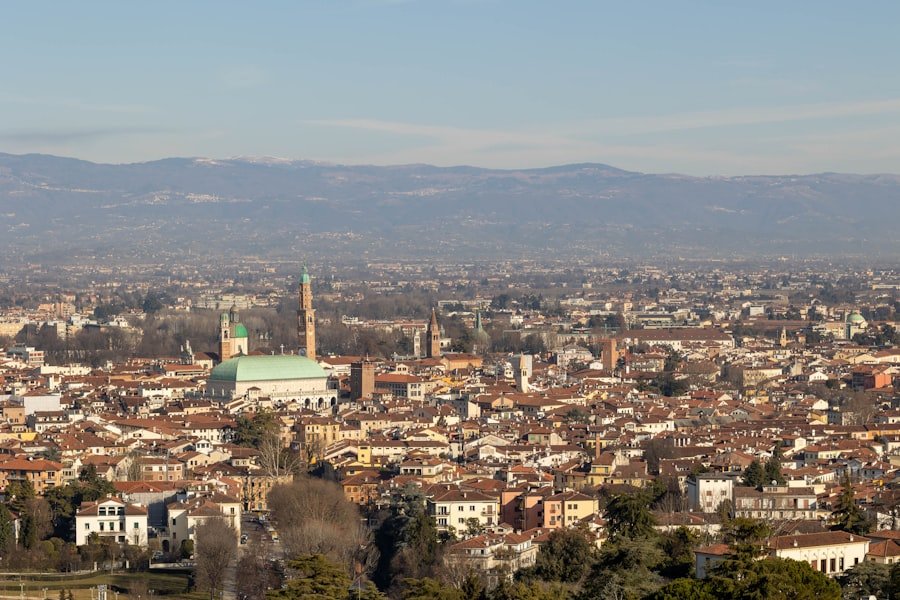
Beyond the day-by-day itinerary, several attractions are worth adding if you have extra time or want to swap one stop for another.
San Michele in Foro
San Michele in Foro stands on the site of Lucca’s ancient Roman forum. Its highly decorated façade, rows of columns, arches, and sculpture make it one of the most recognizable churches in the historic center.
Palazzo Ducale
Palazzo Ducale faces Piazza Napoleone and has long been connected with Lucca’s public and political life. The palace was especially reshaped during the Napoleonic period, when Elisa Bonaparte Baciocchi’s plans transformed the surrounding square and emphasized the palace as a seat of government.
National Museum of Palazzo Mansi
The National Museum of Palazzo Mansi is particularly useful if you want to understand the domestic world of Lucca’s mercantile aristocracy. Its interiors preserve Baroque furnishings and tapestries, while the art gallery contains Italian and non-Italian paintings from the 16th through 18th centuries.
Lucca Botanical Garden
The Botanical Garden gives you a quieter alternative to churches and palaces. Its collections include plants connected with the Lucca plain, wetlands, Monte Pisano, and the Apuan Alps, along with greenhouses, an arboretum, and herbarium collections.
Where to Stay in Lucca: Accommodation Options
For a three-day first visit, staying inside the walls or immediately outside them usually saves the most time. You can reach most central sights on foot and return to your room easily during the hottest part of the afternoon.
Hotel Ilaria is a popular central option on Via del Fosso and places you within easy walking distance of the historic center. Palazzo Alexander is another established hotel inside Lucca’s walls, close to Porta San Donato, with rooms in a historic building.
If you prefer an agriturismo, remember that rural properties may require a car or taxi. Agriturismo La Torre, for example, is in the Bagni di Lucca area rather than immediately outside Lucca’s historic walls, so it works better as a countryside base than as the most convenient choice for walking this itinerary.
When comparing accommodations, pay attention to the exact location rather than relying only on the word “Lucca” in the property description. A hotel inside the walls and a rural stay elsewhere in the province can produce very different daily travel times.
Practical Tips for Visiting Lucca
Walk or Cycle the Historic Center
Much of Lucca’s historic center is pedestrian-friendly, and a large portion is covered by a ZTL, or limited-traffic zone. Walking and cycling are therefore usually easier than driving between attractions.
If you arrive by train, Lucca railway station sits close to the southern side of the walls. The official tourism information places the station roughly 200 meters from the walls and about 350 meters from Porta San Pietro.
Understand the ZTL Before Driving
If you have a rental car, do not assume you can drive directly to every hotel or attraction in the historic center. Most of the center is within the ZTL, where access requires appropriate authorization.
Lucca Tourism recommends parking outside the center and exploring on foot or by bicycle. Blue-striped spaces in the historic center are generally paid, while yellow spaces are reserved for residents. Check current parking information before arrival because regulations and availability can change.
Check Whether the Lucca Visit Card Saves You Money
The Lucca Visit Card is a cumulative admission product for participating museums and attractions. As of 2026, the official tourism site lists the three-day Incanto option at €29 and the ten-day option at €48 for eligible visitors.
The card should not be confused with a city public-transport pass. Before buying it, compare the participating attractions with the places you actually plan to enter.
Pro Tip: Do not buy a sightseeing pass automatically. List the paid attractions you genuinely plan to visit, compare their current individual prices with the card, and then choose the cheaper option.
Check Opening Hours Before Each Day
Opening days and admission procedures can change by season, especially at villas, towers, museums, and churches. Check official attraction pages the evening before each day of your itinerary rather than depending on an old screenshot or travel-blog timetable.
Choose the Season That Fits Your Travel Style
Spring from April through June and early autumn from September into October are popular periods for Lucca because they often combine comfortable sightseeing conditions with outdoor dining and cycling. July and August can be hotter and busier, while winter is quieter but may bring shorter attraction hours.
Major festivals and events can significantly change accommodation prices, restaurant availability, and crowd levels, so check Lucca’s event calendar before confirming your dates.
This three-day itinerary gives first-time visitors a balanced introduction to Lucca’s Roman and medieval history, Renaissance walls, towers, food, villas, and surrounding Tuscany while keeping the pace manageable. Before departure, confirm current opening hours, tower reservations, villa schedules, train times, and any temporary access restrictions on the official websites listed below.
Sources
- Lucca Tourism — official city tourism information, attractions, transport, events, and trip planning.
- The Walls of Lucca — Lucca Tourism — wall length, history, and current use as an urban promenade.
- Guinigi Tower — Lucca Tourism — tower height, stairs, accessibility, reservations, and visitor information.
- Piazza del Duomo — Comune di Pisa Tourism — official background on Pisa’s cathedral complex.
- Opera della Primaziale Pisana — Leaning Tower tickets, age restrictions, timing, luggage rules, and safety guidance.
- Trenitalia — current regional train schedules and fares between Lucca and Pisa.
Frequently Asked Questions
What is Lucca?
Lucca is a historic city in Tuscany, Italy. It is especially known for its complete Renaissance walls, walkable old center, Roman street plan, medieval towers, churches, gardens, and Lucchese cuisine.
What are the must-see attractions in Lucca?
For a first visit, prioritize the city walls, Piazza dell’Anfiteatro, Guinigi Tower, the Cathedral of San Martino, Via Fillungo, San Michele in Foro, and at least one museum, palace, or garden that matches your interests.
How many days should a first-timer spend in Lucca?
Three days works well if you want two days focused on Lucca and a third day for Pisa. If you want to explore more villas, wineries, villages, or the wider Tuscan countryside, add one or two extra days.
What should I do during a 3-day Lucca itinerary?
Spend Day 1 exploring the historic center, Day 2 cycling or walking the walls and visiting a nearby villa, and Day 3 taking a train to Pisa for Piazza del Duomo and the Leaning Tower.
What is the best time of year to visit Lucca?
April through June and September through October are attractive periods for walking and cycling. Summer is warmer and often busier, while winter tends to be quieter but can come with shorter seasonal opening hours.
Is Pisa an easy day trip from Lucca?
Yes. Regional trains connect Lucca and Pisa, and many direct services take roughly half an hour. Check the live timetable for your exact travel date because schedules can change.
Do I need a car in Lucca?
You do not need a car for the historic center. Walking and cycling are usually easier because much of central Lucca is pedestrianized or within a ZTL. A car or taxi becomes more useful if you want to visit rural villas, wineries, or countryside accommodations.