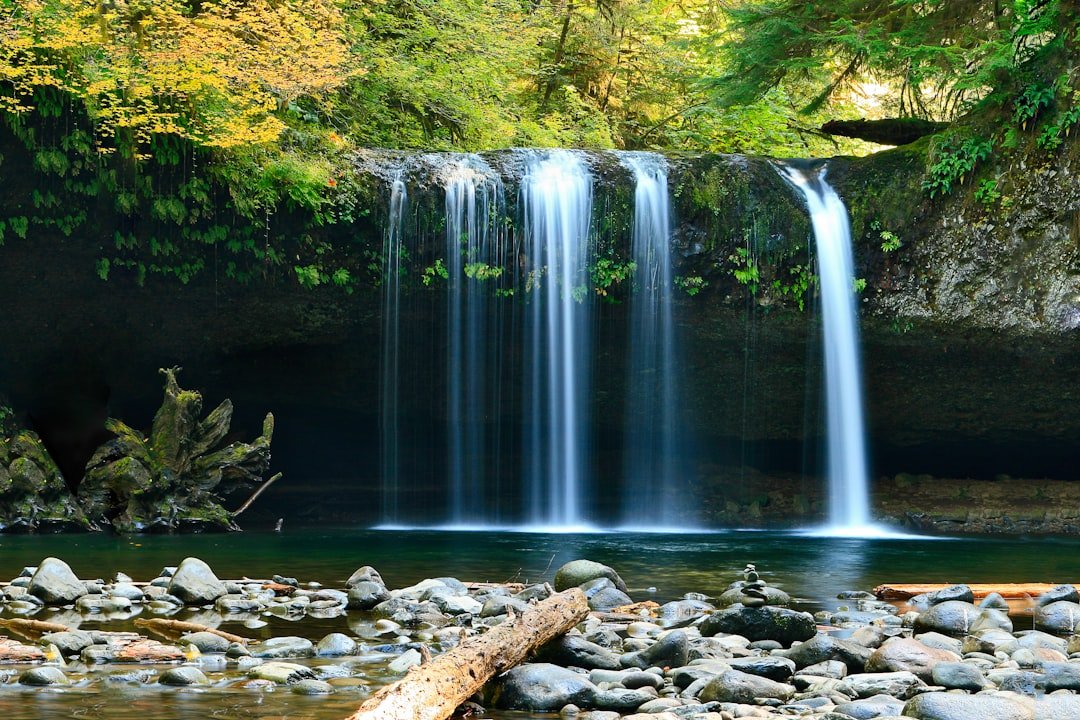
Switzerland, a country renowned for its breathtaking landscapes, is home to an impressive array of waterfalls that cascade down its rugged mountains and lush valleys. These natural wonders not only enhance the scenic beauty of the Swiss landscape but also play a vital role in the local ecosystem and culture. The waterfalls of Switzerland vary in size, shape, and accessibility, making them a popular destination for both tourists and locals alike.
From the thunderous roar of the larger falls to the serene trickle of smaller streams, each waterfall offers a unique experience that reflects the diverse geography of this Alpine nation. The significance of these waterfalls extends beyond their aesthetic appeal. They are often intertwined with local folklore and history, serving as symbols of natural power and beauty.
Many of these cascades have become integral to the identity of their respective regions, attracting visitors who seek adventure, tranquility, or simply a moment of reflection in nature. As we delve deeper into the world of Switzerland’s waterfalls, we will explore some of the most iconic falls, hidden gems, and the ecological importance they hold within the Swiss landscape.
Key Takeaways
- Switzerland is home to some of the most stunning and iconic waterfalls in the world, making it a popular destination for nature lovers and adventure seekers.
- The most iconic waterfalls in Switzerland include the famous Rhine Falls, Staubbach Falls, and the impressive Giessbach Falls, each offering unique and breathtaking views.
- In addition to the well-known waterfalls, Switzerland also boasts hidden gems such as the Seerenbach Falls and the tranquil Engstligen Falls, perfect for those seeking a quieter and more secluded experience.
- The best time to visit Switzerland’s waterfalls is during the spring and early summer months when the snowmelt and rainfall create powerful and cascading displays of water.
- When exploring Switzerland’s waterfalls, it’s important to prioritize safety by staying on designated paths, wearing appropriate footwear, and being mindful of slippery and uneven terrain.
The Most Iconic Waterfalls in Switzerland
Among the most celebrated waterfalls in Switzerland is the Rhine Falls, located near the town of Schaffhausen. As the largest waterfall in Europe, it boasts a width of 150 meters and a height of 23 meters, creating a spectacular display of water that draws millions of visitors each year. The sheer volume of water that cascades over the falls is awe-inspiring, especially during the spring melt when the flow reaches its peak.
Visitors can experience the falls up close by taking boat trips that navigate through the turbulent waters, providing a thrilling perspective of this natural wonder. Another iconic waterfall is the Staubbach Falls in Lauterbrunnen Valley, which plunges nearly 300 meters from a hanging valley above. This waterfall is particularly enchanting during the spring months when melting snow feeds its flow, creating a delicate veil of water that glistens in the sunlight.
The Staubbach Falls has inspired countless artists and poets over the years, including Johann Wolfgang von Goethe, who famously wrote about its beauty. The surrounding valley is equally stunning, with towering cliffs and lush meadows that make it a prime destination for hiking and photography.
Lesser-Known Hidden Gems

While many travelers flock to Switzerland’s most famous waterfalls, there are numerous lesser-known cascades that offer equally captivating experiences without the crowds. One such hidden gem is the Trümmelbach Falls, located within the Lauterbrunnen Valley. This series of impressive waterfalls is unique because they are located inside a mountain and are accessible via a network of tunnels and walkways.
The falls are fed by the melting glaciers of the Eiger, Mönch, and Jungfrau mountains, creating a powerful spectacle as water rushes through narrow gorges. The sound of thundering water reverberates through the caverns, providing an exhilarating experience for visitors. Another lesser-known waterfall worth exploring is the Giessbach Falls near Lake Brienz.
This stunning cascade features a series of 14 waterfalls that tumble down a steep cliff into the lake below. The Giessbach Falls are particularly picturesque due to their proximity to the historic Giessbach Hotel, which dates back to the 19th century. Visitors can take a scenic boat ride across Lake Brienz to reach the falls or hike along well-marked trails that offer breathtaking views of both the waterfalls and the surrounding landscape.
The combination of natural beauty and historical charm makes Giessbach Falls a hidden treasure for those willing to venture off the beaten path.
The Best Time to Visit Switzerland’s Waterfalls
| Waterfall Name | Best Time to Visit | Height | Accessibility |
|---|---|---|---|
| Rheinfall | Spring or Summer | 23 meters | Accessible by boat or on foot |
| Trümmelbach Falls | May to September | 200 meters | Accessible by foot |
| Staubbach Falls | Spring or Summer | 297 meters | Accessible by foot |
The timing of your visit can significantly impact your experience at Switzerland’s waterfalls. Generally, late spring to early summer is considered the best time to witness these natural wonders in their full glory. During this period, melting snow from the Alps feeds many waterfalls, resulting in increased water flow and dramatic displays.
The months of May and June are particularly ideal for visiting iconic sites like Rhine Falls and Staubbach Falls, where visitors can witness torrents of water cascading down with incredible force. Autumn also offers a unique perspective on Switzerland’s waterfalls as foliage transforms into vibrant hues of red, orange, and yellow. The contrast between the colorful leaves and rushing water creates stunning photographic opportunities.
However, it’s essential to note that some waterfalls may experience reduced flow during late summer months due to decreased snowmelt. Therefore, planning your visit around seasonal changes can enhance your experience and ensure you witness these natural spectacles at their most impressive.
Tips for Exploring Waterfalls Safely
While exploring Switzerland’s waterfalls can be an exhilarating experience, safety should always be a priority. Many waterfalls are located in remote areas with rugged terrain, so it’s crucial to wear appropriate footwear and clothing for hiking. Sturdy hiking boots with good grip are essential for navigating slippery paths or rocky surfaces near waterfall viewpoints.
Additionally, carrying water and snacks can help maintain energy levels during hikes. When visiting popular waterfalls like Rhine Falls or Staubbach Falls, be mindful of safety barriers and designated viewing areas. These measures are in place to protect visitors from potential hazards such as falling rocks or sudden surges in water flow.
If you plan to take photographs near the edge of a waterfall, exercise caution and ensure you have a secure footing before leaning over for that perfect shot. Lastly, always check weather conditions before embarking on your adventure; heavy rain can lead to increased water flow and potentially dangerous conditions near waterfalls.
The Importance of Waterfalls in Switzerland’s Ecosystem
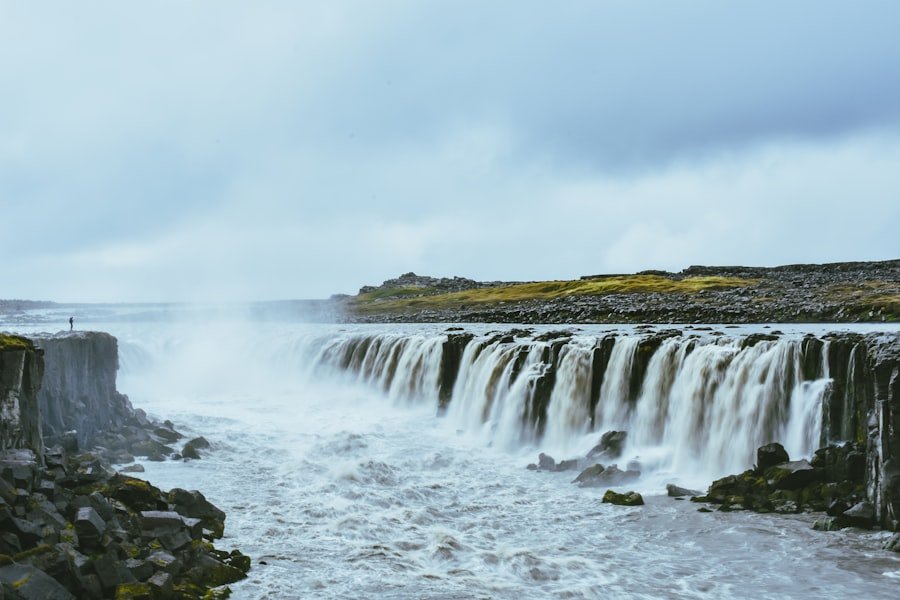
Regulating Water Flow and Supporting Aquatic Life
They contribute to local hydrology by regulating water flow in rivers and streams, which supports various plant and animal species in surrounding ecosystems. The constant movement of water helps aerate it, promoting healthy aquatic life by increasing oxygen levels for fish and other organisms.
Fostering Biodiversity through Unique Microclimates
Moreover, waterfalls create unique microclimates that foster biodiversity. The mist generated by cascading water can support lush vegetation in otherwise arid areas, allowing various plant species to thrive. This phenomenon is particularly evident around waterfalls like Trümmelbach Falls, where moisture-loving plants flourish in the humid environment created by rushing water.
Providing Habitats for Diverse Species
Additionally, these ecosystems provide habitats for numerous species, including birds, insects, and small mammals that rely on clean water sources for survival.
The Most Photogenic Waterfalls in Switzerland
For photography enthusiasts, Switzerland’s waterfalls offer some of the most picturesque settings imaginable. One standout location is the Aare Gorge near Meiringen, where the Aare River has carved dramatic cliffs over millennia. The gorge features several small waterfalls that cascade down steep rock faces surrounded by lush greenery.
Photographers can capture stunning images from various vantage points along well-maintained trails that wind through this natural wonder. Another highly photogenic waterfall is the Reichenbach Falls, famously associated with Sir Arthur Conan Doyle’s Sherlock Holmes stories. This dramatic waterfall plunges 250 meters into a rocky gorge and is accessible via a funicular railway that provides breathtaking views during the ascent.
The combination of cascading water and rugged cliffs creates an ideal backdrop for capturing memorable photographs. Additionally, visiting during sunrise or sunset can yield magical lighting conditions that enhance the beauty of these natural wonders.
Activities to Enjoy at Switzerland’s Waterfalls
Switzerland’s waterfalls offer more than just stunning views; they also provide opportunities for various outdoor activities that cater to adventure seekers and nature lovers alike. Hiking is one of the most popular activities around many waterfalls, with well-marked trails leading to scenic viewpoints or through lush forests. For instance, trails around Lauterbrunnen Valley offer access to multiple waterfalls while providing breathtaking views of alpine meadows and towering peaks.
For those seeking a more adrenaline-fueled experience, some waterfalls are ideal for canyoning or kayaking. The clear waters flowing from these cascades create perfect conditions for thrilling adventures downriver. Canyoning tours often include rappelling down cliffs or jumping into natural pools formed by cascading water—an exhilarating way to connect with nature while enjoying an adrenaline rush.
How to Access Switzerland’s Waterfalls
Accessing Switzerland’s waterfalls can vary significantly depending on their location and prominence within the region. Major attractions like Rhine Falls are easily reachable by public transportation; trains from Zurich or Schaffhausen provide convenient access to this iconic site. Once there, visitors can explore well-maintained paths leading to various viewpoints that showcase different perspectives of the falls.
For more remote or lesser-known waterfalls like Giessbach Falls or Trümmelbach Falls, public transport options may be limited but still accessible via regional trains or buses followed by short hikes. Many popular hiking trails also connect multiple waterfalls within specific areas—such as Lauterbrunnen Valley—allowing visitors to experience several cascades in one outing while enjoying stunning alpine scenery along the way.
The History and Legends Behind Switzerland’s Waterfalls
Switzerland’s waterfalls are steeped in history and folklore that add depth to their natural beauty. For example, Staubbach Falls has long been associated with local legends about spirits inhabiting its waters; tales tell of fairies dancing in its mist during moonlit nights. Such stories have captivated generations and contributed to the cultural significance of these natural wonders within Swiss heritage.
Similarly, Reichenbach Falls holds historical importance due to its connection with Sherlock Holmes’ fictional demise at the hands of Professor Moriarty—a plot twist that has drawn countless fans to visit this site since Doyle’s stories gained popularity in the early 20th century. These narratives not only enhance visitors’ experiences but also serve as reminders of how nature intertwines with human imagination throughout history.
Sustainable Tourism and Waterfall Conservation in Switzerland
As tourism continues to grow around Switzerland’s stunning waterfalls, sustainable practices become increasingly important to preserve these natural treasures for future generations. Many local organizations are actively engaged in conservation efforts aimed at protecting fragile ecosystems surrounding popular sites while promoting responsible tourism practices among visitors. Sustainable tourism initiatives often include educational programs that inform travelers about local flora and fauna while encouraging them to respect nature by staying on designated paths and minimizing waste during their visits.
Additionally, some regions have implemented measures such as limiting visitor numbers during peak seasons or establishing guidelines for responsible photography practices near sensitive areas—ensuring that both tourists and locals can continue enjoying these magnificent landscapes without compromising their integrity. In conclusion, Switzerland’s waterfalls represent not only breathtaking natural beauty but also vital components of local ecosystems and cultural heritage. By exploring these magnificent sites responsibly and sustainably, visitors can appreciate their splendor while contributing positively to their preservation for generations to come.
If you are a fan of exploring natural wonders, you may want to check out this article on the best waterfalls in Switzerland here. Switzerland is known for its stunning landscapes and these waterfalls are definitely worth a visit. Whether you are a nature lover or just looking for a new adventure, these waterfalls will not disappoint.
FAQs
What are the best waterfalls in Switzerland?
Some of the best waterfalls in Switzerland include the Rhine Falls, Staubbach Falls, Giessbach Falls, and Trümmelbach Falls.
Where is the Rhine Falls located?
The Rhine Falls is located near the town of Schaffhausen in northern Switzerland, close to the German border.
How tall is the Staubbach Falls?
The Staubbach Falls is one of the highest waterfalls in Switzerland, with a total height of 297 meters (974 feet).
What is unique about the Giessbach Falls?
The Giessbach Falls are unique because they cascade down a series of 14 steps, creating a stunning and picturesque waterfall.
How can visitors access the Trümmelbach Falls?
Visitors can access the Trümmelbach Falls by taking a funicular railway and then walking through a series of tunnels and pathways to reach the waterfall.