Tipping in Italy is usually a small “thank you,” not a requirement. Staff are paid wages, so tips are optional and often modest.
Key takeaways
- Tipping isn’t expected in most places; it’s for great service.
- Check the bill for coperto (cover charge) and servizio (service charge).
- In restaurants, rounding up or leaving a few euros is common. About 10% is generous when no service charge is added.
- In cafés/bars, tips are usually just small coins, mainly for table service.
- For porters, drivers, and guides, small cash tips are welcome when they help.
Service charge and cover charge in Italian restaurants
Service charge (servizio)
Some restaurants add a service charge. On the bill it may say servizio or servizio incluso. If you see it, you can pay the total as-is. Leave a little extra only if the service was outstanding.
Cover charge (coperto)
The coperto is a per-person fee for things like table settings and often bread. It can change by venue and location. Coperto is not a tip and does not go straight to the server.
How to read the bill
Look for coperto, pane e coperto, or servizio. If a service charge is included, tipping is optional. If there’s no service charge and you want to tip, round up or leave a few euros in cash.
What restaurant staff expect
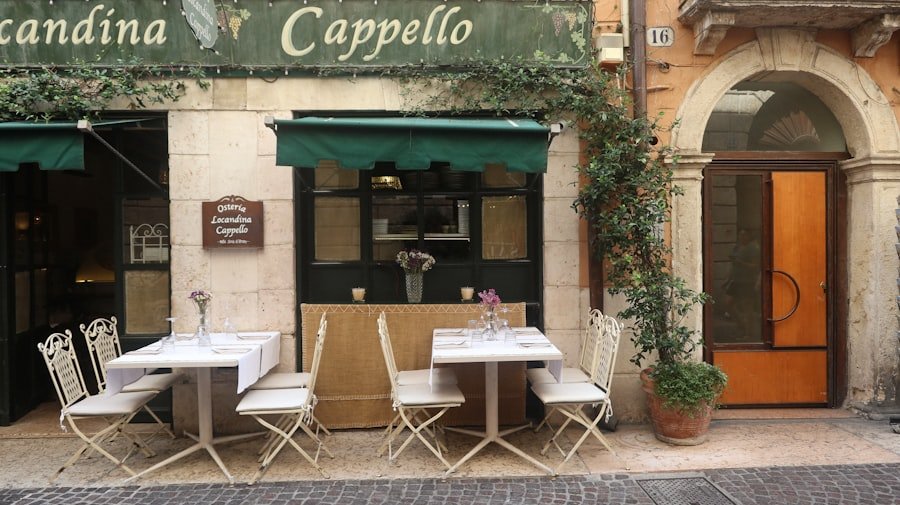
In Italy, good service is expected even without a big tip. Still, a small cash “grazie” is appreciated, especially if staff went out of their way for you.
Simple restaurant tipping guide
| What to do | When it fits |
|---|---|
| No extra tip | Service was basic, or a service charge is already on the bill. |
| Round up / a few euros | Most common for good service at casual places. |
| Up to about 10% (generous) | When there’s no service charge and the service was excellent. |
Many card machines don’t offer a simple “add tip” step. If you want to tip, small cash is easiest.
Cafés, bars, and quick bites
For counter service, no tip is needed. If you sit and someone serves you at a table, leaving small change is polite.
Hotels, taxis, and tours
For taxis, rounding up is a normal way to say thanks. In hotels, a few euros for porters or housekeeping is common in full-service properties. For guided tours or private drivers, tips are more common, especially after a great tour.
Tourist areas vs. local places
In busy tourist spots, you may see more “international” tipping habits. In local places, tipping stays low-key. When in doubt: check the bill, then keep any tip small.
FAQs
What is the tipping culture in Italy?
Tipping is not required. If you tip, it’s usually small and meant for great service.
Is service charge included in the bill at restaurants in Italy?
Sometimes. Look for servizio or servizio incluso. Many places also add coperto, which is separate from tipping.
How much should I tip at a restaurant in Italy?
Rounding up or leaving a few euros is common. If there’s no service charge and the service was excellent, up to about 10% is considered generous.
Are there situations where tipping is expected in Italy?
It’s rarely “expected,” but small tips are common for porters, private drivers, and guides when they’ve been especially helpful.