Switzerland boasts one of the most efficient and comprehensive public transport systems in the world, characterized by its punctuality, cleanliness, and extensive coverage. The Swiss public transport network is a well-coordinated combination of trains, trams, buses, and boats that connect urban centers with rural areas, making it easy for residents and tourists alike to traverse the country. The Swiss Federal Railways (SBB) operates the majority of train services, while regional transport companies manage local bus and tram networks.
This integration ensures that travelers can seamlessly transition from one mode of transport to another, often with minimal waiting times. The system is not only functional but also user-friendly: information is available in multiple languages, and stations are equipped with modern amenities to assist passengers.
Quick Answer
Switzerland’s public transport system combines trains (mainly SBB), trams, buses, postbuses, and boats into one integrated network with unified timetables. Tickets can be bought at stations, online, or via the SBB Mobile app, and passes like the Swiss Travel Pass or Half Fare Card offer major savings for visitors covering multiple regions.
Timetables are meticulously adhered to, with trains and buses often arriving and departing on the dot. This reliability is a hallmark of Swiss culture, where timekeeping is taken seriously. The system is designed to cater to both daily commuters and tourists, providing a convenient means of exploring the picturesque landscapes and vibrant cities that Switzerland has to offer.
Key Takeaways
- Switzerland’s public transport system is known for its efficiency, punctuality, and extensive coverage, making it one of the best in the world.
- Types of public transport available include trains, trams, buses, postbuses, boats, and mountain cable cars, providing comprehensive connectivity across the country.
- Using the system is easy and convenient, with integrated timetables, frequent services, and clear signage at stations and stops.
- Tickets and passes can be purchased at stations, online, or via mobile apps, with options ranging from single tickets to multi-day travel passes.
- Navigating the network is easier with a few practical habits: checking timetables in advance, using travel passes for cost savings, and avoiding peak commuter hours where possible.
Types of Public Transport Available in Switzerland
Railway Network
The backbone of this system is the extensive railway network, which connects major cities such as Zurich, Geneva, Bern, and Basel. Trains range from high-speed intercity services to scenic regional trains that traverse the breathtaking Swiss Alps.
Urban Transport
In addition to trains, trams are a vital component of urban transport in cities like Zurich and Basel. These electric trams provide an efficient means of navigating city streets, with frequent stops that allow easy access to various neighborhoods and attractions. Buses complement the tram services, extending coverage to areas not served by rail. Many major cities, including Zurich, also sell day passes that cover unlimited travel on local trams and buses within city zones — worth checking if you’re staying put for a full day of sightseeing.
Rural and Water Transport
In rural regions, postbuses play a crucial role in connecting remote villages to larger towns and cities, ensuring that even the most secluded areas are accessible. Boats also operate on many of Switzerland’s lakes and rivers, providing a scenic alternative for travel while enhancing the overall public transport experience. Panoramic trains, such as the Glacier Express and Bernina Express, offer travelers a unique opportunity to experience the country’s natural beauty in comfort — though these typically require a separate seat reservation on top of a standard ticket or pass.
How to Use Switzerland’s Public Transport System
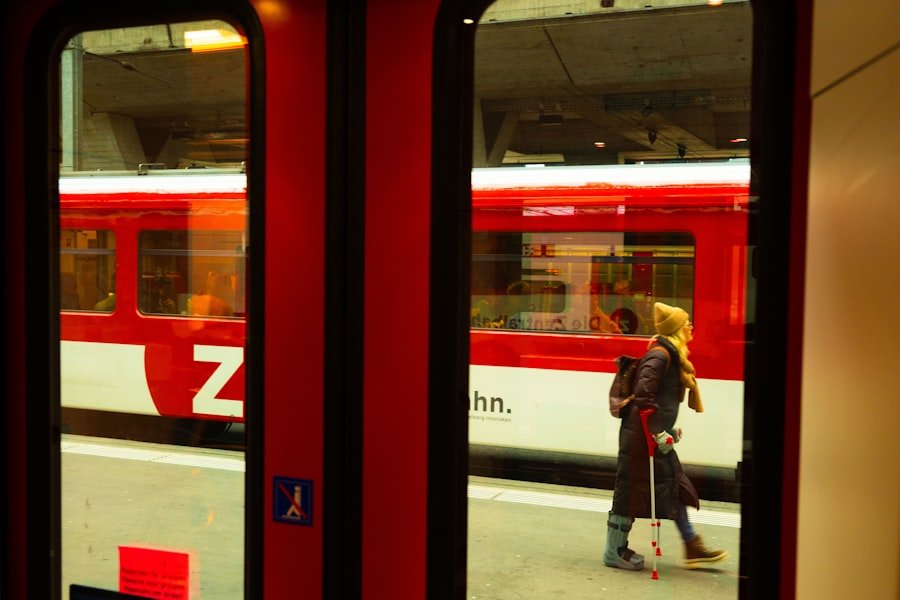
Using Switzerland’s public transport system is straightforward, thanks to its user-friendly infrastructure and clear signage. Travelers can begin their journey at any train station or tram stop, where they will find information boards displaying real-time schedules and platform information. Most stations are equipped with ticket machines that accept cash and credit cards, allowing passengers to purchase tickets easily. Staff members are often available to assist with inquiries or provide directions.
To navigate the system effectively, it helps to understand the Swiss Travel System — the coordinated network of trains, buses, trams, and boats that lets you travel across the country with a single ticket or pass. For visitors covering a lot of ground, the Swiss Travel Pass grants unlimited travel on trains, buses, and boats for a set number of days, plus free entry to over 500 museums. It’s available for 3, 4, 6, 8, or 15 consecutive days, or as a “Flex” pass letting you choose non-consecutive travel days within a one-month window.
For residents or longer stays, the GA Travelcard offers unlimited nationwide travel for a full year, while occasional travelers may prefer the Half Fare Card, which simply halves the price of individual tickets. The SBB Mobile app provides real-time updates on schedules and platform changes and also supports EasyRide, a check-in/check-out feature that automatically calculates your cheapest fare for the trips you take that day.
Pro Tip: If you’re not sure how many days you’ll actually be traveling versus resting in one place, compare the cost of a Swiss Travel Pass against buying point-to-point tickets for your specific itinerary before committing — the pass isn’t always cheaper for shorter or slower-paced trips.
Ticketing and Fares for Switzerland’s Public Transport
The ticketing system in Switzerland is designed to be flexible and transparent. Fares are generally determined by distance traveled and the type of transport used. Train tickets vary based on the class of service — first or second class — and whether the journey is direct or involves transfers. Tickets can be bought at station ticket machines, online through SBB.ch, via the SBB Mobile app, or at staffed counters in larger stations.
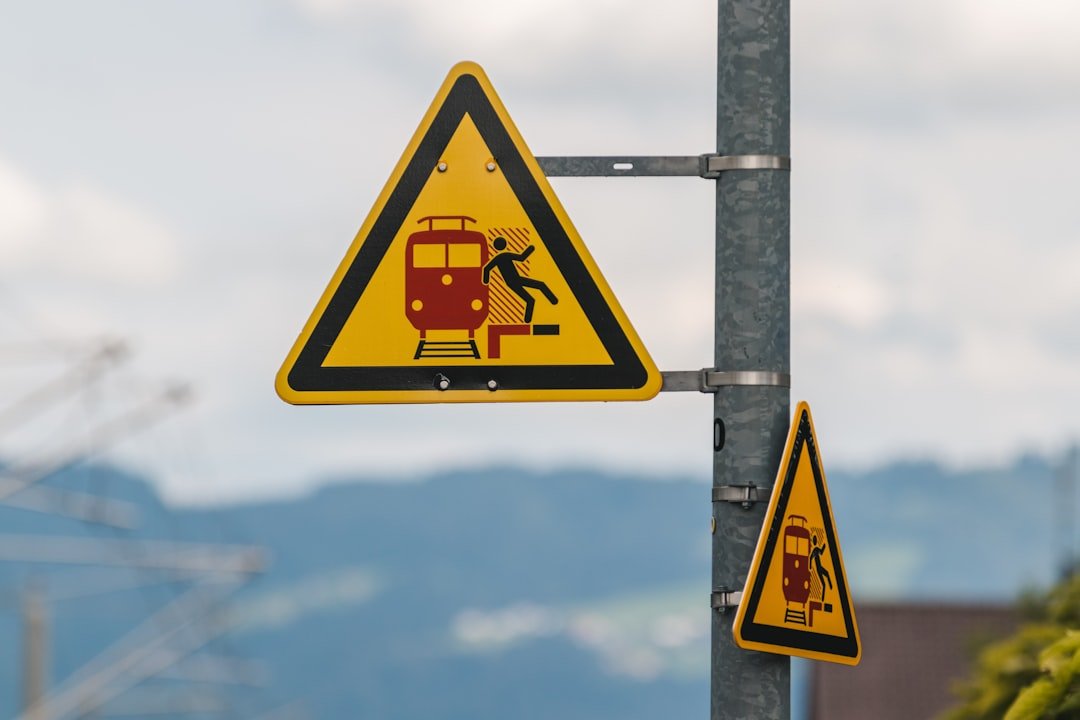
Warning: Purchasing a valid ticket before boarding is mandatory on almost all Swiss trains, trams, and buses. Inspectors carry out regular checks, and failing to show a valid ticket can result in a fine well above the price of the fare itself.
Various discount options exist for frequent travelers or specific groups. The Swiss Half Fare Card allows holders to buy tickets for trains, buses, and boats at roughly half price for one month, making it an attractive option for anyone planning several journeys during a visit. Children under 6 travel free at all times, while those aged 6 to 15 travel free with a Swiss Family Card when accompanied by a parent holding a valid pass or Half Fare Card. Many regional transport companies also offer day passes for unlimited travel within specific zones at a fixed price, and larger stations offer luggage-forwarding services so bags can be sent ahead to a hotel while you travel light.
Tips for Navigating Switzerland’s Public Transport
Navigating Switzerland’s public transport system is easier with a few practical habits. Plan your journey in advance using the SBB Mobile app or SBB.ch, which show real-time schedules and connections. Familiarizing yourself with the layout of major train stations also saves time, since most have clear signage indicating platforms and services.
Be mindful of peak travel times, when trains and trams can be crowded. Early mornings and late afternoons on weekdays typically see the highest passenger volumes due to commuting patterns, so traveling during off-peak hours generally means a more comfortable ride. In regions with automated ticket-checking systems, remember to validate your ticket before boarding if required.
Note: In an emergency anywhere in Switzerland, dial 112 (general emergency), 117 (police), 118 (fire), or 144 (ambulance). Trains and larger stations also have clearly marked emergency phones and staff available to assist.
Accessibility and Special Services for Switzerland’s Public Transport
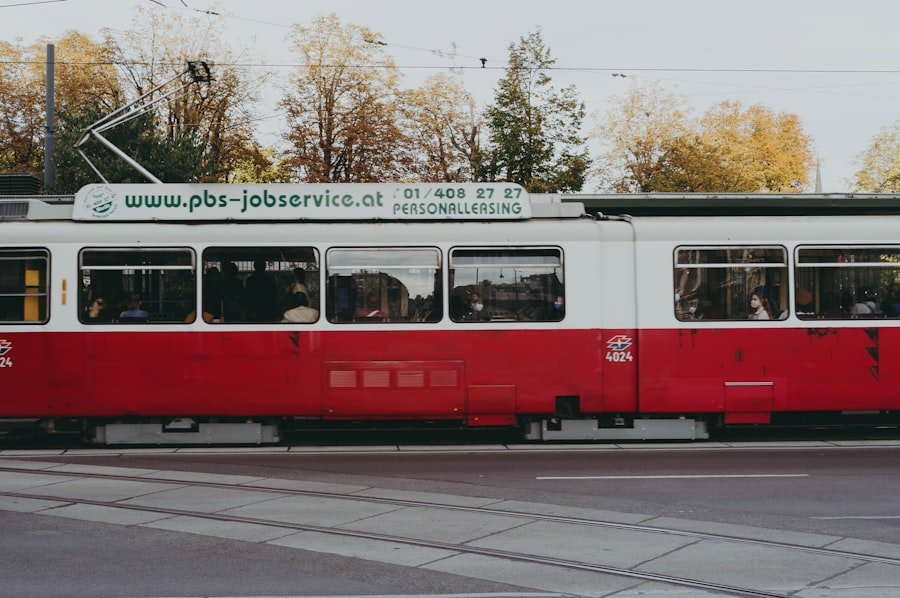
Switzerland places a strong emphasis on accessibility within its public transport system. Most train stations are equipped with ramps and elevators to assist passengers with reduced mobility, and many trains feature designated spaces for wheelchairs and prams.
Special services are also available for those who require additional assistance. SBB offers a travel-assistance service that can be arranged in advance for passengers needing help boarding or disembarking from trains — particularly useful for elderly travelers or those with disabilities who may need extra support during their journey. Many tram and bus operators have also implemented low-floor vehicles that make boarding easier for all passengers.
Safety and Security on Switzerland’s Public Transport
Safety is a paramount concern within Switzerland’s public transport system, which is known for its low crime rates and high levels of security. Train stations are typically monitored by surveillance cameras, and staff members are present to assist passengers and help ensure their safety.
Passengers are still encouraged to remain vigilant while traveling, particularly in crowded areas where pickpocketing can occur. Keeping personal belongings secure and staying aware of your surroundings helps mitigate risk. Switzerland’s public transport system also adheres to strict safety regulations regarding vehicle maintenance and operation, contributing to its reputation as one of the safest modes of travel in the world.
Best Apps and Resources for Planning Switzerland’s Public Transport Journeys
Several apps and online resources can significantly enhance the experience of using Switzerland’s public transport system. The SBB Mobile app is the essential tool for travelers: it provides real-time information on train schedules, platform changes, and ticket purchasing, and lets users set up alerts for specific routes to stay informed about disruptions or delays.
The Swiss Travel System’s own resources offer comprehensive information about the various travel passes available to tourists, including pricing and coverage areas. Google Maps is also useful for navigating public transport routes in urban areas, providing step-by-step directions that include walking distances between stops or stations. Together, these tools help travelers plan efficiently while maximizing time spent exploring Switzerland.
Popular Destinations and Routes for Switzerland’s Public Transport
Switzerland’s public transport system opens up a world of exploration across its stunning landscapes and vibrant cities. One of the most popular routes is the scenic journey from Lucerne to Interlaken on the Luzern–Interlaken Express, part of the wider GoldenPass network. Over roughly two hours, the train climbs the Brünig Pass and passes five crystal-clear lakes — including Lake Lucerne and Lake Brienz — along with waterfalls and charming villages, making the journey itself as memorable as the destination.
The Luzern–Interlaken Express passes five mountain lakes and crosses the Brünig Pass in about two hours, making it one of Switzerland’s most rewarding regular train rides.
Another must-visit destination accessible by public transport is Zermatt, home to the iconic Matterhorn. Travelers can take a train from major cities like Zurich or Geneva directly to Zermatt’s car-free village, where they can enjoy skiing in winter or hiking in summer. As trains wind through picturesque valleys and past charming Swiss chalets, passengers are treated to views that are nothing short of postcard-perfect.
Sustainability and Environmental Initiatives in Switzerland’s Public Transport
Switzerland has long been at the forefront of sustainability initiatives within its public transport sector. Since January 2025, all SBB train traction power has been certified as 100% renewable energy, with Swiss hydropower continuing to supply the largest share of that mix, supplemented by solar and wind. This makes rail travel one of the most environmentally friendly ways to get around the country.
Initiatives such as promoting car-free zones in urban centers also encourage residents and tourists alike to use public transport instead of personal vehicles. The Swiss government actively supports policies aimed at reducing traffic congestion while improving air quality through better public transport services. By prioritizing sustainability in its transport planning, Switzerland sets an example for other nations striving to balance mobility needs with environmental responsibility.
Future Developments and Upgrades in Switzerland’s Public Transport System
Looking ahead, Switzerland’s public transport system is poised for continued growth and modernization. Plans are underway to expand existing rail networks further into remote areas while enhancing connectivity between urban centers through high-speed rail projects. These developments aim not only to improve travel times but also to accommodate increasing passenger demand as more people opt for sustainable modes of transportation.
Technological advancements will also play a significant role in shaping the future of public transport in Switzerland, including expanded automated ticketing and contactless payment options designed to streamline the passenger experience further. Ongoing investments in infrastructure upgrades will help ensure that Switzerland remains a leader in efficient public transportation well into the future.
In summary, Switzerland’s public transport system exemplifies efficiency, accessibility, and sustainability while offering travelers an unparalleled means of exploring this beautiful country. With its extensive network of trains, trams, buses, and boats combined with user-friendly resources and a genuine commitment to environmental responsibility, it stands as a model for public transportation worldwide.
Frequently Asked Questions
What is the public transport system like in Switzerland?
Switzerland has an extensive and highly integrated public transport system that includes trains, trams, buses, postbuses, and boats. The network covers the entire country, urban and rural alike, and is internationally known for its punctuality and reliability.
What are the main modes of public transport in Switzerland?
The main modes are trains, trams, buses, postbuses, and boats. SBB operates the majority of train services, while trams and buses are run by various regional and local companies, all coordinated under a common timetable and ticketing system.
How do I pay for public transport in Switzerland?
You can buy tickets at station ticket machines, online through SBB.ch, via the SBB Mobile app (including the EasyRide check-in/check-out option), or at staffed counters. Many cities also offer flat-rate day passes for unlimited travel on local trams and buses within a specified zone.
Are there any special passes or cards for tourists to use public transport in Switzerland?
Yes. The Swiss Travel Pass offers unlimited travel on trains, buses, and boats for 3, 4, 6, 8, or 15 days (consecutive or Flex), plus free museum entry. The Swiss Half Fare Card instead halves the price of individual tickets for a month, which suits travelers who won’t be moving every single day.
Is public transport in Switzerland accessible for people with disabilities?
Switzerland has made significant efforts to make its public transport system accessible. Many train stations and vehicles have ramps, elevators, and designated wheelchair spaces, and SBB offers a travel-assistance service that can be booked in advance for passengers who need extra help boarding or disembarking.
Sources
- SBB (Swiss Federal Railways) — official information on train services, tickets, and the SBB Mobile app
- Swiss Travel System — Swiss Travel Pass — pass durations, pricing structure, and coverage
- Swiss Half Fare Card — half-price ticket program details and child/family policies
- SBB Sustainability — 100% Renewable Energy — traction power source data
- Switzerland Tourism — Luzern–Interlaken Express — route details for the Lucerne–Interlaken scenic journey