Bern, the federal capital of Switzerland, is one of Europe’s best-preserved medieval architectural treasures. Founded in 1191 along the horseshoe loop of the turquoise Aare River, this compact city blends sandstone facades, 6 kilometers of sheltered shopping arcades, and a relaxed urban cadence. Spending 48 hours in Bern provides ample time to experience its UNESCO-listed Old Town, explore world-class cultural institutions, take in sweeping alpine views, and savor authentic Bernese culinary traditions without feeling rushed.
Quick Answer
A classic 2-day Bern itinerary balances medieval urban heritage with alpine lookouts: dedicate Day 1 to the UNESCO Old Town, witnessing the Zytglogge mechanical clock show, touring the Berner Münster and Federal Palace, and dining on Swiss fondue. Dedicate Day 2 to panoramic views from Rosengarten and Mount Gurten, visiting the Zentrum Paul Klee or Bear Park, and walking along the Aare River.
Key Takeaways
- Day 1 Focus: Historical exploration through the UNESCO Old Town, the mechanical astronomical display at the Zytglogge, the Federal Palace (Bundeshaus), and the Einstein Museum.
- Day 2 Focus: Sweeping vistas from Rosengarten and Mount Gurten, modern masterworks at the Zentrum Paul Klee, brown bears at BärenPark, and riverside recreation along the Aare.
- Free Transit Benefit: Overnight guests in commercial accommodations receive the complimentary Bern Ticket, granting unlimited travel on local buses, trams, the Marzilibahn, and the Gurten funicular (Zones 100/101).
- Mechanical Clock Timing: Arrive at the foot of the Zytglogge at least four minutes before the hour (xx:56) to see the full mechanical puppet sequence.
- Fresh Fountain Water: Bring a reusable water bottle; all of Bern’s 100+ historic ornamental street fountains supply clean, certified Alpine drinking water.
At a Glance
| Time Required | 2 Days (48 Hours) |
| Difficulty | Easy (Walkable cobblestone center; gentle hills and accessible public transit) |
| Tools Needed | Sturdy walking shoes, digital/paper Bern Ticket, refillable water bottle, SBB Mobile app |
| Cost | Moderate to High (CHF 120–250 per person daily, excluding lodging) |
Day 1: UNESCO Old Town Heritage, Museums, and Classic Swiss Fare
Morning: Medieval Arcades, Zytglogge, and Berner Münster
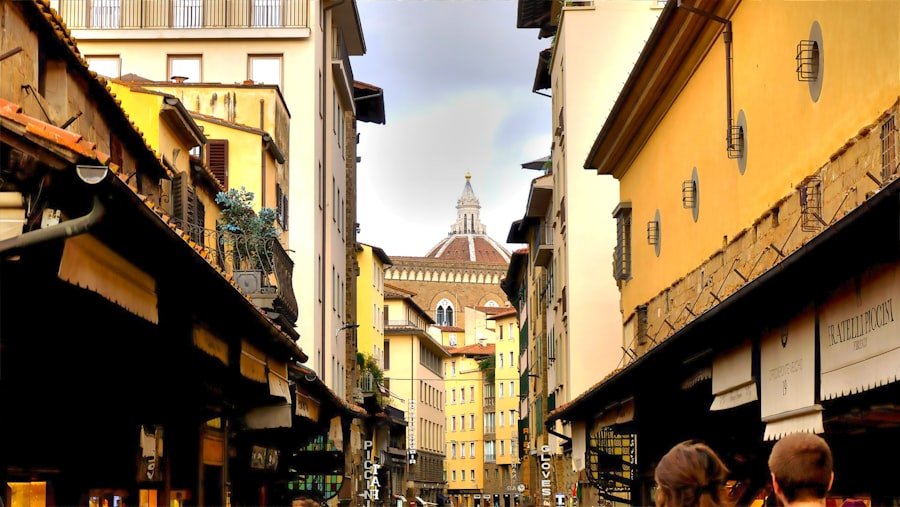
Begin your first morning in the core of the Old City of Bern, officially designated as a UNESCO World Heritage site. Reconstructed out of green-tinted molasse sandstone after a major fire in 1405, the district showcases preserved late-Gothic facades, 16th-century Renaissance public fountains, and 6 kilometers of covered shopping arcades known locally as Lauben.
Make your first stop at the Zytglogge (Clock Tower). Built between 1191 and 1256 as Bern’s western boundary gate, this monument houses an intricate astronomical clock and a mechanical movement engineered by Kaspar Brunner in 1530. The clock tracks time, days of the week, lunar phases, and astrological signs.
Pro Tip: Position yourself directly below the eastern face of the Zytglogge at precisely four minutes before the hour (xx:56). That is when the automated mechanical figurines—including the dancing bears, Father Time with his hourglass, a crowing rooster, and a jester—perform their cycle before the large bell tolls.
Stroll eastward down Kramgasse, pausing to admire historic street fountains like the Samson Fountain and the Zähringer Fountain. Continue toward the Berner Münster (Cathedral of St. Vincent), Switzerland’s largest ecclesiastical building. The portal showcases a detailed stone depiction of the Last Judgment, featuring 294 individual figures. Climb the 312 spiral stone steps up the 100.6-meter church spire to the observation gallery for sweeping vistas over the slate roofs of the Old Town and the distant Bernese Alps.
Afternoon: BärenPark, Helvetiaplatz Museums, and the Einstein Heritage
Descend from the cathedral terrace and cross the historic Nydegg Bridge to visit the BärenPark (Bear Park). The brown bear has served as the official heraldic emblem of Bern since 1513. Upgraded in 2009 to replace the historic concrete pits, this 6,000-square-meter naturalized hillside enclosure slopes down directly to the Aare River, offering the resident bears space to forage, climb, swim, and hibernate.
From the Bear Park, walk south or take bus line 19 across the Kirchenfeld Bridge to the museum quarter on Helvetiaplatz. The centerpiece here is the Bernisches Historisches Museum, which preserves over 500,000 artifacts documenting Swiss cultural history from the Stone Age to modern statehood.
Integrated within the building is the dedicated Einstein Museum. Albert Einstein lived in Bern between 1902 and 1909 while employed at the Federal Patent Office. During his 1905 Annus Mirabilis (Miracle Year), he penned four groundbreaking physics papers, introducing the Special Theory of Relativity and the mass-energy equivalence equation ($E = mc^2$). The exhibition combines original working documents, historical footage, and interactive physics displays.
Note: The Einstein Museum at Helvetiaplatz is distinct from the Einsteinhaus. The Einsteinhaus is the modest second-floor flat at Kramgasse 49 where Albert and Mileva Einstein lived between 1903 and 1905. It features restored period furniture and can be toured in 30 minutes on your stroll down Kramgasse.
Finish your afternoon loop at the Federal Palace (Bundeshaus) on Bundesplatz, the center of the Swiss government. The building features an expansive 64-meter-tall central dome adorned with stained glass representing the cantons. On days when parliament is not in session, free guided tours provide access inside the National Council and Council of States chambers.
Evening: Traditional Swiss Fondue and Historic Cellar Dining
Evenings in Bern center around hearty regional cooking and local wines. An authentic dinner choice is Swiss fondue, traditionally prepared *moitié-moitié* (half Gruyère AOP and half Vacherin Fribourgeois AOP) melted with dry white wine, garlic, and a touch of cherry kirsch. It arrives bubbling in a heavy ceramic *caquelon* pot over an adjustable tabletop flame, served alongside cubed crusty bread and boiled new potatoes.
Another classic dish is Rösti, grated potatoes pan-fried in clarified butter until crisp and golden-brown. In Bern, rösti is often topped with melted raclette cheese and a fried egg, or served alongside the hearty Berner Platte, an abundant platter of smoked pork, ham, bacon, beef tongue, and sausages served over sauerkraut and juniper berries.
For dinner, book a table in the Old Town at long-running establishments such as Restaurant Harmonie (serving fondue since 1915) or Lötschberg. Conclude your evening with artisanal Swiss chocolates from historic Old Town confectioners like Confiserie Beeler or Casa Nobile.
Day 2: Panoramic Lookouts, Cultural Centers, and Riverfront Leisure
Morning: Sunrise at Rosengarten and the Zentrum Paul Klee
Start your second day with an early-morning walk up to the Rosengarten (Rose Garden). Formerly a municipal cemetery, this park now features over 220 varieties of roses, 200 iris species, and landscaped walking paths. Its elevated eastern terrace provides the premier vantage point over Bern, taking in the full horseshoe bend of the Aare framing the medieval rooftops.
| Park / Garden | Location | Size | Primary Highlights |
|---|---|---|---|
| Rosengarten | Alter Aargauerstalden 31, 3006 Bern | ~4.2 acres (1.7 ha) | Over 220 rose varieties, reading pavilion, sweeping Old Town panorama |
| BärenPark | Grosser Muristalden 6, 3006 Bern | ~1.5 acres (0.6 ha) | Resident brown bears, riverbank shoreline, forested slopes |
| Botanical Garden (BOGA) | Altenbergrain 21, 3013 Bern | ~6.0 acres (2.5 ha) | Over 5,500 plant species, alpine rock garden, tropical greenhouses |
| Dählhölzli Forest & Zoo | Tierparkweg 1, 3005 Bern | ~37 acres (15 ha) | Riverside woodland paths, European wildlife enclosures, vivarium |
From Rosengarten, board bus line 12 heading east to the Zentrum Paul Klee. Designed by Renzo Piano, this striking structure features three curved steel-and-glass arches integrated into the rolling meadow landscape. The center houses approximately 4,000 drawings, prints, and paintings by artist Paul Klee, presented in rotating exhibitions alongside modern art installations.
Afternoon: Mount Gurten Views, Arcade Shopping, and Aare River Walks
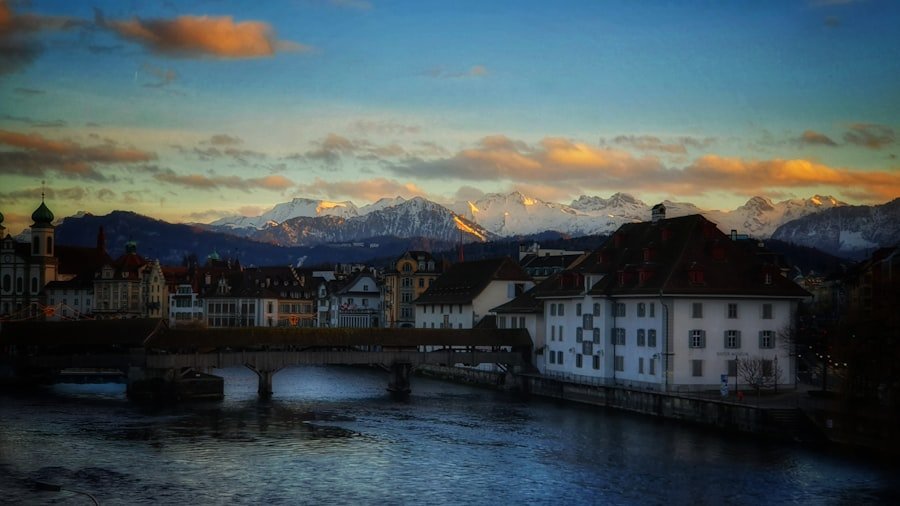
From the summit observation deck of Mount Gurten, the green sandstone towers of Bern appear nestled within the green river basin, framed against the distant white ridges of the Eiger, Mönch, and Jungfrau.
Head southwest to visit Mount Gurten, Bern’s local peak at 858 meters above sea level. Ride tram line 9 from the city center to Wabern station, where you can transfer to the historic Gurten funicular railway (Gurtenbahn). The ride up takes roughly five minutes and is fully covered by the Bern Ticket. At the summit, you will find walking paths, panoramic dining terraces, and an observation tower delivering 360-degree views of the Swiss Plateau and the Bernese Alps.
Return to the Old Town to browse the independent shops lining Kramgasse, Gerechtigkeitsgasse, and Spitalgasse. An architectural highlight of Bernese commerce is the network of repurposed underground vaulted cellars (Gewölbekeller). Walk down stone steps directly off the sidewalks to explore modern fashion ateliers, subterranean art galleries, and antique bookshops.
During warm summer months, take a walk down to the riverbank. Floating down the clean, glacier-fed waters of the Aare River is a beloved warm-weather custom for locals, who pack their belongings into waterproof dry bags (called an *Aarebag*), walk upriver to Schönausteg, and float down to the open-air Marzili public baths.
Warning: Swimming in the Aare River is recommended only for confident, experienced swimmers. The glacial current is swift, water temperatures rarely exceed 20°C (68°F), and there are no lifeguards along the open river stretches. Always enter and exit at designated access steps.
Evening: Underground Vaults, Jazz, and Waterfront Nightlife
As evening falls, Bern’s social scene gravitates toward its historical cellars and riverfront gathering spots.
Reserve an evening table or drink at the grand Kornhauskeller. Constructed between 1711 and 1718 as a municipal grain storehouse, this grand hall was transformed into a subterranean restaurant. Guests dine beneath dramatic frescoed cross-vaults, towering stone pillars, and grand classical staircases.
For live entertainment, head to Marians Jazzroom inside the Hotel Innere Enge, renowned across Europe for its intimate acoustics and classic jazz, blues, and gospel performances. Alternatively, spend your final evening at the Dampfzentrale, a former industrial power station situated directly on the Aare riverfront that now hosts contemporary dance, indie music, and open-air riverside drinks.
Practical Travel Logistics: Getting to and Navigating Bern
Bern’s location makes it one of the most accessible cities in Central Europe via Switzerland’s public transit network (SBB/CFF/FFS):
- Arriving by Train: Direct intercity trains run every 30 minutes from Zurich Airport (ZRH, 75 minutes), Zurich Main Station (56 minutes), Geneva Airport (GVA, 1 hour 50 minutes), and Basel SBB (55 minutes).
- The Bern Ticket: If you book an overnight stay in an official hotel, hostel, or campsite within the city, you will receive a complimentary Bern Ticket at check-in (accessible digitally via the Bern Welcome App). This pass covers all bus and tram lines across zones 100 and 101, including the Marzilibahn funicular and the Gurten funicular.
- Currency & Payments: Switzerland uses the Swiss Franc (CHF). Contactless cards, Apple Pay, and Google Pay are accepted virtually everywhere, making large amounts of paper cash unnecessary.
- Public Drinking Water: Bern’s 100+ public fountains are safe for drinking. Unless marked with a non-potable notice (*Eau non potable*), you can refill water bottles freely throughout the day.
Day 2 Excursions: Easy Day Trips from Bern
Thanks to Bern’s central rail hub, travelers can easily use the afternoon of Day 2 to venture into nearby alpine and lakeside towns:
- Thun & Lake Thun: Located 20 minutes south by direct train, Thun features a 12th-century castle overlooking the snowcapped Alps, covered wooden river sluices, and scheduled passenger ferry cruises across the deep blue waters of Lake Thun (Thunersee).
- Gruyères: Roughly 75 minutes southwest by train, this car-free hilltop medieval village features the 13th-century Gruyères Castle, the H.R. Giger Museum, and cheese demonstrations at the La Maison du Gruyère dairy.
Frequently Asked Questions
What are the must-see attractions in Bern for a 2-day itinerary?
The top sights include the Zytglogge clock tower, the 6 km of medieval shopping arcades, the Cathedral of Bern (Berner Münster), the BärenPark (Bear Park), the Federal Palace (Bundeshaus), the Rosengarten lookout terrace, and the Einstein Museum housed inside the Bernisches Historisches Museum.
What are some recommended activities to do in Bern for a 2-day visit?
Recommended activities include watching the mechanical figurine display at the Zytglogge (arriving at xx:56), climbing the 312 steps of the cathedral tower, enjoying Swiss fondue in a vaulted cellar tavern, riding the funicular to Mount Gurten, browsing the subterranean cellar shops, and strolling the Aare River bank.
Are there any day trips from Bern that can be included in a 2-day itinerary?
Yes. The most straightforward excursion is to the lakeside town of Thun, 20 minutes south by direct train. Another rewarding option is the cheese-making medieval village of Gruyères, reachable in about 75 minutes. Schedule day trips for the afternoon of Day 2 so you have plenty of time for Bern’s historic center.
What is the best way to get around Bern for a 2-day itinerary?
Walking is the ideal way to explore the historic Old Town. For longer distances—such as visiting Mount Gurten or the Zentrum Paul Klee—use the municipal tram and bus network operated by Bernmobil. Guests staying overnight at registered accommodations receive the free digital Bern Ticket for unlimited rides across transit zones 100 and 101.
What are some recommended dining options in Bern for a 2-day visit?
For traditional Swiss fondue and golden rösti, reserve a table at historic spots like Restaurant Harmonie or Lötschberg. For an atmospheric dinner in an ornate former granary, visit the vaulted Kornhauskeller. For casual dining, the vegetarian and vegan buffet at Tibits near the main railway station is a popular local favorite.
Sources
- UNESCO World Heritage Centre — Official architectural heritage documentation and listing criteria for the Old City of Bern
- Bern Welcome — Official city tourism guidelines regarding the Bern Ticket transit zones, Zytglogge timings, and seasonal events
- Swiss Federal Railways (SBB/CFF/FFS) — Intercity timetable routing, regional airport rail connections, and Swiss transit passes
- Bernisches Historisches Museum — Historical archives and permanent collections at the integrated Einstein Museum
- Zentrum Paul Klee — Architectural design records by Renzo Piano and Paul Klee collection catalogs