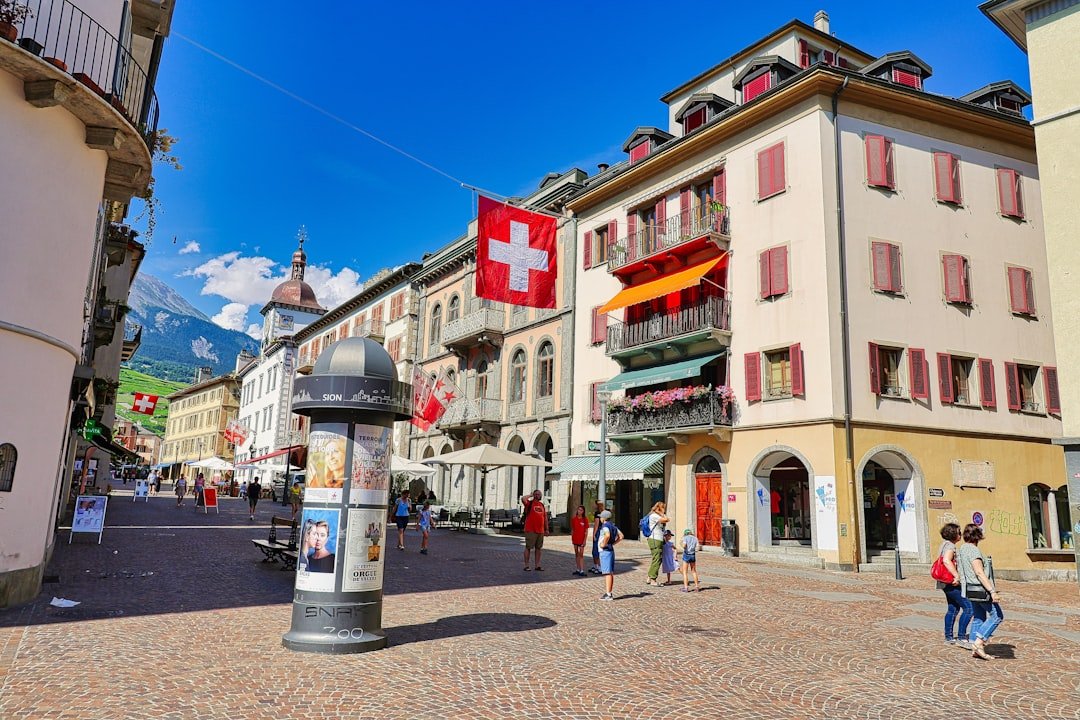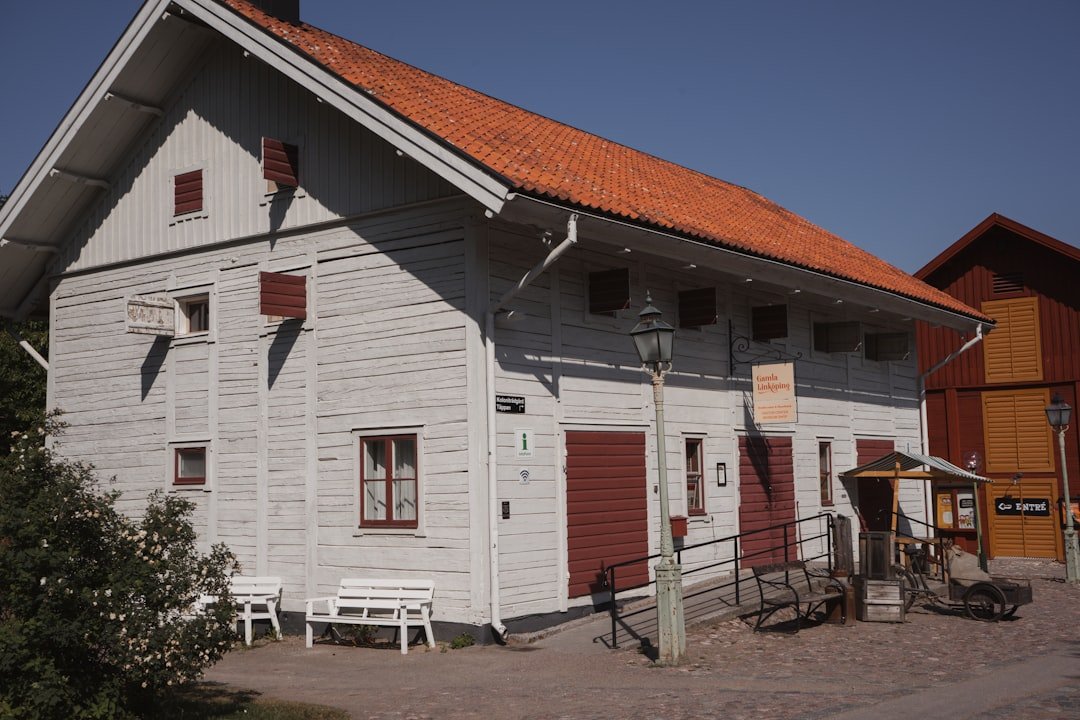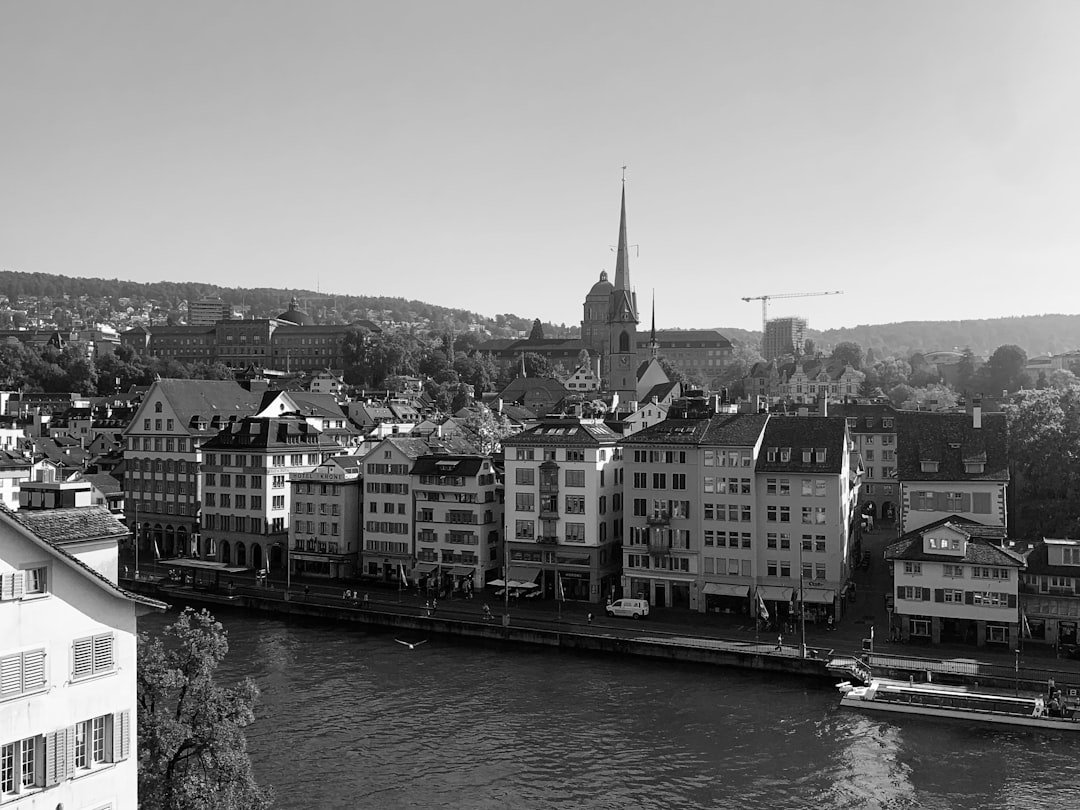
Basel enjoys one of the most enviable geographic locations in Europe. Positioned directly at the Dreiländereck—the tri-national border where Switzerland, Germany, and France converge on the Rhine River—this cultural capital serves as a seamless launchpad for international travel. Within 30 to 90 minutes by rail or car, you can sip crisp Riesling in medieval Alsatian hamlets, hike through the dense spruce canopies of Germany’s Black Forest, or stand before roaring alpine cascades in northern Switzerland.
Quick Answer
The best day trips from Basel are Colmar and the Alsace Wine Route (44 minutes by direct TER train), Freiburg and the Black Forest (35–45 minutes by ICE/RE train), and Lucerne (1 hour by direct InterCity train). For dramatic natural scenery, Rhine Falls and the Creux du Van in the Swiss Jura offer world-class outdoor excursions under two hours away.
Key Takeaways
- Three countries at your fingertips: France (Alsace), Germany (Baden-Württemberg), and Switzerland are all reachable within an hour’s journey.
- Two distinct hub stations: Trains to France and central Switzerland depart from Basel SBB; trains to Germany depart primarily from Basel Badischer Bahnhof (Bad Bf).
- Effortless transit passes: The Swiss Travel Pass covers Swiss routes, while regional passes like Germany’s Baden-Württemberg-Ticket and France’s Alsa+ dramatically reduce regional cross-border costs.
- Currency & border essentials: Switzerland uses the Swiss Franc (CHF), while France and Germany use the Euro (€). Always carry your physical passport when crossing international borders.
Warning: Although Switzerland, France, and Germany are all within the Schengen Area, customs checkpoints remain active at Basel rail stations and highway crossings. Spot identity checks are frequent; always carry your physical passport (and visa if required), not just a digital photo or driver’s license.
Essential Transit Logistics: Basel SBB vs. Basel Badischer Bahnhof
Navigating day trips from Basel requires understanding the city’s unique dual-railway station infrastructure:
- Basel SBB (Central Station): Located south of the city center, this is the main hub operated by Swiss Federal Railways (SBB). It handles all domestic Swiss trains (to Lucerne, Zurich, Bern, and Interlaken) as well as direct French regional trains (SNCF TER Fluo to Saint-Louis, Mulhouse, Colmar, and Strasbourg) departing from the dedicated French section (Platforms 30–35, historically known as Bâle SNCF).
- Basel Badischer Bahnhof (Bad Bf): Located on the northern side of the Rhine, this station is operated by Deutsche Bahn (DB) and functions as German extraterritorial railway territory. Most direct ICE, IC, and regional trains heading into Germany’s Black Forest depart directly from here.
Pro Tip: If you stay in commercial accommodation in Basel (hotel, hostel, or registered apartment), you receive a complimentary BaselCard at check-in. This grants free public transit within Basel (zones 10, 11, 13, 14, 15, including EuroAirport and transfers between Basel SBB and Badischer Bahnhof) and 50% discounts on local museum admissions.
Discovering the Alsace Wine Route & Colmar (France)
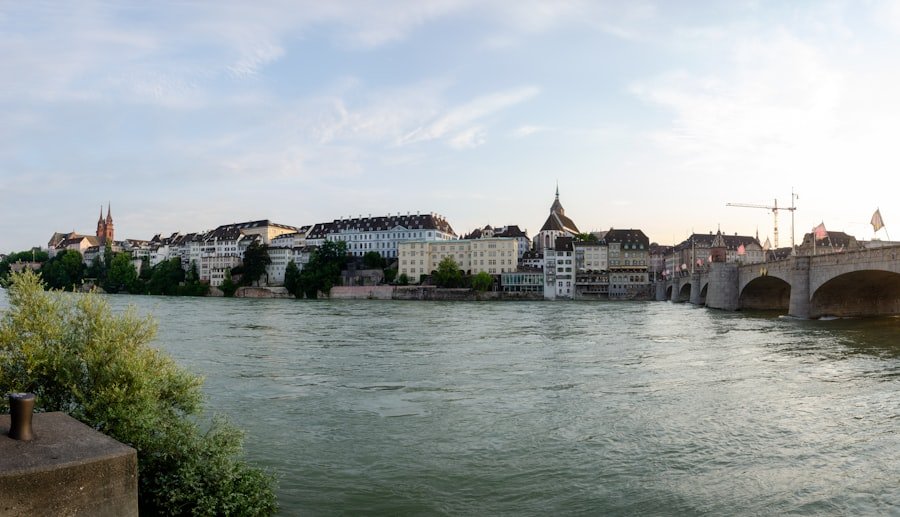
Stretching 170 kilometers from Marlenheim south to Thann along the eastern slopes of the Vosges Mountains, the Alsace Wine Route (Route des Vins d’Alsace) is among Europe’s most celebrated viticultural corridors. Sheltered from Atlantic rains by the Vosges peaks, this sun-drenched microclimate yields world-renowned aromatic white wines, including Riesling, Gewürztraminer, Pinot Gris, and sparkling Crémant d’Alsace.
Colmar: The Fairytale Gateway
Just 44 minutes north of Basel SBB by direct TER train, Colmar makes an ideal starting point. The city’s historic core survived both World Wars intact, leaving a pristine architectural continuum spanning Gothic basilicas, Renaissance mansions, and 16th-century half-timbered merchant homes. Key highlights include:
- La Petite Venise (Little Venice): A scenic district of half-timbered homes lining the Lauch River, best viewed from the Rue Turenne bridge or via a flat-bottomed boat tour.
- Unterlinden Museum: Housed in a 13th-century Dominican convent, displaying Matthias Grünewald’s world-famous Isenheim Altarpiece alongside works by Martin Schongauer.
- Maison des Têtes & Pfister House: Architectural masterpieces showcasing Renaissance sculptural embellishments and wooden galleries.
Medieval Wine Villages: Eguisheim, Riquewihr, and Kaysersberg
Beyond Colmar lie storybook hamlets surrounded by grand cru vineyards. Eguisheim, located just 7 km southwest of Colmar (accessible via local bus or rental bike), features concentric cobblestone lanes wrapped around an ancient castle square. Further north along the vineyard foothills, Riquewihr and Kaysersberg offer fortified stone gates, historic wine cellars, and traditional winstubs serving authentic regional specialties like choucroute garnie, baeckeoffe, and fresh tarte flambée (flammekueche).
“Alsace seamlessly marries French culinary sophistication with Germanic architectural precision, creating an intoxicating cross-border experience within 45 minutes of Basel.”
Note on Alsace Transit: TER Fluo Grand Est trains run hourly between Basel SBB and Strasbourg, stopping at Colmar. For local vineyard hops, the Kutsuh tourist bus runs seasonally between Colmar, Riquewihr, and Kaysersberg, or you can pick up an Alsa+ 24-Hour Ticket for unlimited regional train and bus travel across the Haut-Rhin department.
Exploring the Black Forest (Schwarzwald, Germany)
Directly across the Rhine to the northeast lies Germany’s Black Forest (Schwarzwald), a dramatic highland region of dense evergreen woodlands, glacial cirques, and deep river gorges. The southern Black Forest is readily accessible from Basel Badischer Bahnhof, offering both vibrant university culture and tranquil wilderness trails.
Freiburg im Breisgau
Reachable in just 35 minutes via direct Deutsche Bahn Intercity-Express (ICE) or 45 minutes via regional express (RE7), Freiburg is the sun-soaked capital of the Black Forest. Highlights include the Gothic Freiburger Münster with its 116-meter filigreed spire, the bustling daily open-air farmers market at Münsterplatz, and the historic Bächle—small, clear-water runnels that crisscross the cobblestone pedestrian streets.
Hiking the High Forest & Southern Ridges
For outdoor adventurers, the Black Forest features some of Germany’s most celebrated hiking routes:
- The Westweg: Germany’s premier long-distance trail stretches 285 kilometers from Pforzheim to its southern terminus right at Basel Badischer Bahnhof. The final stages around Kandern and the Hochblauen peak offer panoramic views of the Rhine Valley and the Swiss Alps.
- Höllental (Hell Valley) & Titisee: Board the Höllentalbahn train from Freiburg through narrow granite gorges up to Lake Titisee and the slopes of Mount Feldberg (1,493 m), the highest peak in the Black Forest.
- Triberg Waterfalls: Located deeper in the central Black Forest, Triberg is renowned for Germany’s highest non-alpine cascading waterfalls (dropping 163 meters across seven tiers) and its centuries-old tradition of hand-carved cuckoo clock craftsmanship.
Pro Tip: If traveling by train into Germany with two or more people, buy a Baden-Württemberg-Ticket. It covers unlimited rides for up to 5 people on all regional trains (IRE, RE, RB, S-Bahn) across the entire state for an entire day, offering massive savings over point-to-point tickets.
Visiting Rhine Falls & Stein am Rhein (Switzerland)
Situated near Schaffhausen in northern Switzerland, the Rhine Falls (Rheinfall) is the most powerful waterfall in Europe. Spanning 150 meters across and dropping 23 meters into a foaming limestone basin, the falls churn with an average summer flow of 600,000 liters of water per second.
Experiencing the Falls
Two primary entry points provide distinct perspectives:
- Schloss Laufen (South Bank): Perched dramatically above the falls, this heritage castle provides cliff-side glass elevators and cantilevered viewing platforms (such as the Känzeli) where you can stand directly above the thundering torrents.
- Schlössli Wörth & Boat Tours (North Bank): From the basin below, yellow boat tours ferry visitors directly to the famous center rock (Mittelfelsen), where a steep staircase allows you to climb to an observation post surrounded 360 degrees by cascading water.
Historic Stein am Rhein
Just 20 minutes upriver from the falls via local train or river ferry lies Stein am Rhein, widely recognized as one of the best-preserved medieval small towns in Europe. The central Rathausplatz is renowned for its intact collection of timber-framed merchant houses adorned with elaborate Renaissance facade frescoes depicting mythological and biblical allegories. Above the town stands the commanding Hohenklingen Castle, providing vantage points across Lake Constance and the winding High Rhine.
Day Trip Transit & Logistics Comparison
The table below summarizes essential travel logistics, departure hubs, and transit times for the primary day excursions from Basel:
| Destination | Departure Hub | Transit Time (Train) | Recommended Pass / Ticket | Best For |
|---|---|---|---|---|
| Colmar & Alsace Wine Route | Basel SBB (Plat. 30–35) | 44 min (TER Fluo) | Alsa+ 24h / SNCF Point-to-Point | Gastronomy, wine tasting, fairytale architecture |
| Freiburg im Breisgau | Basel Badischer Bahnhof | 35 min (ICE) / 45 min (RE) | Baden-Württemberg-Ticket | Historic cathedrals, Black Forest gateway |
| Lucerne & Lake Lucerne | Basel SBB | 1 hr 02 min (Direct IC/IR) | Swiss Travel Pass / SBB Saver Day Pass | Alpine lake cruises, Mount Pilatus/Rigi |
| Rhine Falls & Schaffhausen | Basel SBB / Basel Bad Bf | 1 hr 15 min – 1 hr 30 min | Swiss Travel Pass / SBB Day Pass | Europe’s largest waterfalls, fortress views |
| Creux du Van (Jura) | Basel SBB (via Neuchâtel) | 1 hr 45 min to Noiraigue | Swiss Travel Pass / SBB Ticket | Geological rock cirque hiking, wildlife |
| Lake Constance (Konstanz) | Basel Badischer Bahnhof | 1 hr 45 min (IRE) | Baden-Württemberg-Ticket | Lakeside promenades, Mainau flower island |
Day Trip to Lucerne & Central Switzerland
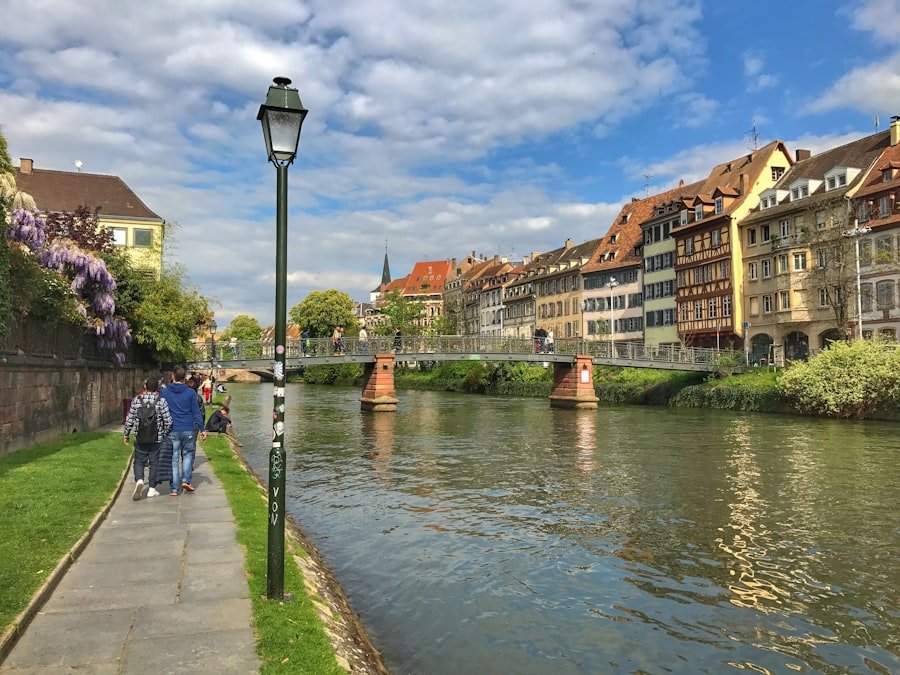
For visitors wanting a quintessential Swiss alpine experience, Lucerne is the single most efficient excursion from Basel SBB. Direct SBB InterCity (IC) and InterRegio (IR) trains depart every 30 minutes, delivering passengers straight to the lakefront in exactly 1 hour and 2 minutes.
City Landmarks
Lucerne compact center makes it remarkably easy to explore on foot:
- Kapellbrücke (Chapel Bridge): Europe’s oldest surviving covered wooden footbridge, originally constructed in the 14th century, containing 17th-century triangular ceiling paintings depicting local history.
- The Lion Monument (Löwendenkmal): Bertel Thorvaldsen’s poignant stone relief carved directly into a sandstone quarry cliff, commemorating the Swiss Guards massacred during the French Revolution in 1792.
- Swiss Museum of Transport (Verkehrshaus): Switzerland’s most-visited museum, featuring massive halls dedicated to locomotives, aviation, space exploration, and alpine tunneling.
Mountain Excursions: Pilatus & Rigi
From Lucerne, seamless transit connections link directly to high alpine peaks:
- Mount Pilatus (2,128 m): Complete the legendary “Golden Round Trip”—take a lake steamer to Alpnachstad, ascend via the world’s steepest cogwheel railway (48% gradient), descend via the “Dragon Ride” aerial cableway to Kriens, and take a quick trolleybus back to Lucerne station.
- Mount Rigi (1,797 m): Fully included in the Swiss Travel Pass, the “Queen of the Mountains” is climbed via historic cogwheel trains operating from Vitznau and Goldau, offering 360-degree vistas stretching across 13 lakes.
Exploring the Swiss Jura Mountains & Creux du Van
While international crowds head to the Bernese Oberland, discerning travelers head west to the Swiss Jura. Characterized by folding limestone ridges, deep pine woodlands, and quiet karst valleys, the Jura range offers serene hiking and world-class artisanal cheese production.
The Creux du Van Amphitheater
Located in the Val-de-Travers region (take the train from Basel SBB via Neuchâtel to Noiraigue station, roughly 1 hour 45 minutes), the Creux du Van is a colossal natural rock cirque. The sheer limestone cliffs plunge 160 meters down into an amphitheater over one kilometer wide. A scenic four-hour loop trail leads hikers from Noiraigue up through beech forests to the rim, where wild chamois and Alpine ibex frequently graze along the cliff edges.
Local Heritage: The Val-de-Travers is the historical birthplace of true absinthe. After hiking Creux du Van, stop at artisanal distilleries in Môtiers or Couvet to sample legally crafted “green fairy” spirits, or visit local alpine dairies producing AOC Gruyère and Vacherin Mont-d’Or cheeses.
Exploring the Vosges Mountains & Gérardmer (France)
To the west of the Alsace plains lie the high Vosges Mountains (Hautes-Vosges). With their rounded granite summits called ballons, glacial lakes, and alpine pasturelands (chaumes), the Vosges provide an uncrowded refuge for cycling and trail running in summer, and cross-country skiing in winter.
Gérardmer, nestled around its natural glacial lake, serves as the outdoor hub of the range. Visitors can kayak on the water, hike the Sentier des Roches—a technical cliffside trail along the Schlucht pass—or dine in high-altitude farm-inns (fermes-auberges) serving traditional repas marcaire (smoked pork shoulder, tourte, and melted Munster cheese).
Visiting the Lake Constance Region (Bodensee)
Bordered by Switzerland, Germany, and Austria, Lake Constance (known locally as the Bodensee) is Central Europe’s third-largest freshwater lake. Trains from Basel Badischer Bahnhof reach the historic German city of Konstanz in roughly 1 hour and 45 minutes via the scenic High Rhine railway line (Hochrheinbahn).
In Konstanz, wander through the pedestrianized Niederburg quarter, where medieval merchant buildings survived World War II unscathed due to the city’s immediate proximity to neutral Switzerland. From the harbor, passenger ferries run to the subtropical flower island of Mainau, renowned for its Mediterranean gardens, baroque castle, and vast butterfly house, or across to the romantic lakeside castle town of Meersburg.
Whether your itinerary calls for exploring the dramatic gorges of the Black Forest, sipping grand cru vintages in Alsatian villages, or boarding alpine cogwheel trains beneath jagged Swiss peaks, Basel’s position at Europe’s crossroads delivers an unmatched diversity of day trips within easy reach of its historic center.
Frequently Asked Questions
What are the easiest day trips from Basel without a car?
The easiest day trips using direct train services are Colmar (44 minutes via SNCF TER Fluo from Basel SBB), Freiburg im Breisgau (35 minutes via Deutsche Bahn ICE from Basel Badischer Bahnhof), and Lucerne (1 hour and 2 minutes via direct SBB InterCity train from Basel SBB). All three destinations feature train stations located within a 5-to-10-minute walk of their historic city centers.
Do I need my passport for day trips from Basel?
Yes. Even though Switzerland, France, and Germany all participate in the border-free Schengen Area, international spot checks are routinely conducted on cross-border trains (such as TER trains into France and ICE/RE trains into Germany) and highway crossings. You must carry a valid physical passport (and appropriate visa, if applicable to your nationality).
Does the Swiss Travel Pass cover trains to France and Germany from Basel?
The Swiss Travel Pass covers trains only up to the Swiss border stations. It is valid to Basel SBB, Basel Badischer Bahnhof, and Swiss destinations like Lucerne, Rhine Falls, and the Jura Mountains. However, it does not cover train travel beyond the border into France (such as Colmar or Strasbourg) or Germany (such as Freiburg or the Black Forest). For cross-border journeys, you must purchase a separate ticket from the respective national operator (SNCF or DB).
How do I visit the small Alsace wine villages like Eguisheim and Riquewihr without a car?
Take the direct TER train from Basel SBB to Colmar. From the Colmar railway station, you can take regional Fluo Grand Est buses: Bus Line 68R030 connects to Eguisheim, while Bus Line 68R016 connects to Riquewihr and Ribeauvillé. Alternatively, during the high season from spring through autumn, the Kutsuh tourist hop-on hop-off bus connects Colmar to Riquewihr, Kaysersberg, and Eguisheim.
Sources
- SBB Swiss Federal Railways — Timetables, route logistics, and fare structures for Swiss domestic routes.
- Basel Tourism — Official transit and BaselCard visitor benefit documentation.
- Alsace Destination Tourisme — Official Alsace Wine Route mapping, village guides, and regional transit connections.
- Schwarzwald Tourismus — Trail guides, public transit details, and regional pass data for the Black Forest.
- Rheinfall Official Visitor Portal — Operating hours, boat tour schedules, and waterfall flow statistics.
- Lucerne Tourism — Timetables and excursion data for Mount Pilatus, Mount Rigi, and Lake Lucerne cruises.