When traveling on a budget, selecting the right accommodation can significantly impact your overall expenses. Hostels are often the go-to choice for budget-conscious travelers. They provide not only a bed but also a vibrant social atmosphere, making it easy to meet fellow travelers.
Many hostels offer shared dormitory-style rooms, which can be incredibly economical, especially in urban areas where hotel prices can skyrocket. For instance, in cities like Barcelona or Berlin, you can find hostels that charge as little as €15-€30 per night. Additionally, many hostels come equipped with communal kitchens, allowing guests to prepare their own meals and save on dining costs.
Another option worth considering is vacation rentals. Platforms like Airbnb and Vrbo have transformed the way people find places to stay, offering everything from private rooms to entire homes at competitive prices. This can be particularly advantageous for families or groups traveling together, as splitting the cost of a rental can often be cheaper than booking multiple hotel rooms.
Moreover, staying in a residential neighborhood can provide a more authentic experience of the local culture. For example, renting an apartment in a less touristy area of Paris might not only save money but also allow you to explore local bakeries and markets that are off the beaten path.
Key Takeaways
- Consider staying in hostels, guesthouses, or budget hotels for affordable accommodation options.
- Look for local street food vendors, markets, and affordable restaurants for budget-friendly dining options.
- Take advantage of free walking tours, public parks, and museums with low-cost entry fees for free or low-cost attractions.
- Use public transportation, walk, or rent a bike to save money on transportation while exploring the city.
- Shop at local markets, thrift stores, and discount outlets for budget-friendly shopping options.
Budget-Friendly Dining
Dining out can quickly drain your travel budget if you’re not careful. However, there are numerous ways to enjoy delicious meals without overspending. Street food is often a fantastic option for budget travelers.
In cities like Bangkok or Mexico City, street vendors serve up authentic local dishes at a fraction of the price of sit-down restaurants. For instance, a plate of Pad Thai from a street vendor in Thailand might cost around 50 baht (approximately $1.50), while the same dish in a restaurant could easily be three times that amount. Not only does street food offer affordability, but it also provides an opportunity to experience the local culinary scene in its most genuine form.
Another strategy is to seek out lunch specials or early bird menus. Many restaurants offer discounted prices during lunch hours or for diners who arrive early in the evening. This is particularly common in tourist-heavy areas where establishments aim to attract customers during off-peak hours.
For example, in New York City, many eateries offer lunch specials that can be up to 50% cheaper than their dinner prices. Additionally, consider dining at local markets or food halls where you can sample various dishes from different vendors without committing to a full meal at one restaurant.
Free or Low-Cost Attractions
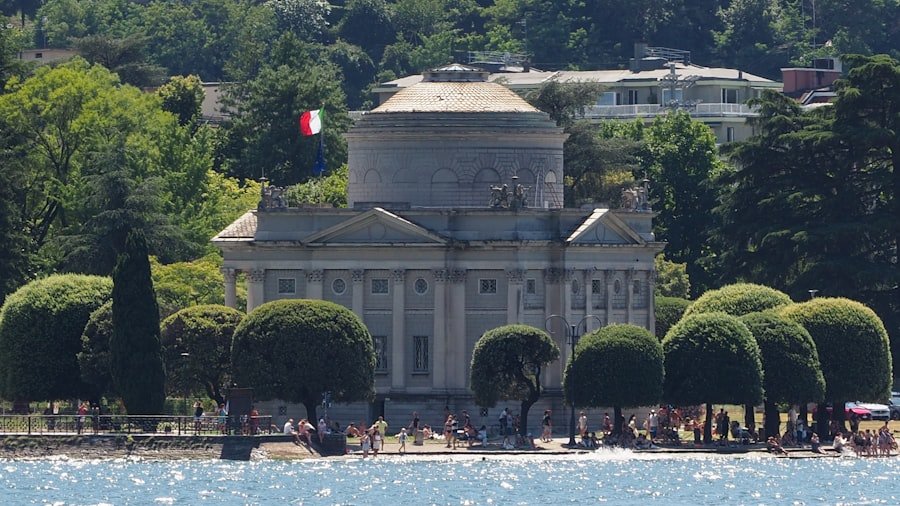
Exploring a new city doesn’t have to come with a hefty price tag. Many destinations boast an array of free or low-cost attractions that allow travelers to immerse themselves in the local culture without breaking the bank. Museums often have specific days or times when admission is free or discounted.
For instance, the Louvre in Paris offers free entry on the first Saturday of each month and is free for visitors under 26 from the European Union on Friday evenings. Similarly, many cities have art galleries that do not charge admission at all, providing an excellent opportunity to appreciate local talent. Parks and public spaces are another excellent way to enjoy a destination without spending money.
Central Park in New York City, for example, offers vast green spaces, walking trails, and even free events throughout the year. In London, Hyde Park serves as a beautiful retreat from the bustling city life and hosts various free concerts and events during the summer months. Engaging in outdoor activities such as hiking or biking can also be a cost-effective way to explore natural attractions while enjoying the scenery.
Transportation Tips
| Transportation Tips | Benefits |
|---|---|
| Use public transportation | Cost-effective and reduces carbon footprint |
| Carpooling | Saves money and reduces traffic congestion |
| Biking or walking | Good for health and reduces pollution |
| Plan your route | Save time and fuel |
Navigating a new city can be daunting, especially when trying to stick to a budget. Public transportation is often the most economical way to get around urban areas. Cities like Tokyo and London have extensive subway systems that are not only efficient but also affordable compared to taxi fares.
Purchasing a day pass or multi-day travel card can further reduce costs, allowing unlimited travel within a specified time frame. For example, the Oyster card in London offers significant savings on public transport compared to single fares. Walking is another excellent way to explore a city while saving money.
Many urban areas are designed for pedestrians, and walking allows travelers to discover hidden gems that they might miss while riding public transport. In cities like Florence or Venice, where streets are narrow and winding, walking is often the best way to appreciate the architecture and ambiance of the surroundings. Additionally, consider using bike-sharing programs available in many cities; they provide an affordable and enjoyable way to cover more ground while still experiencing the local culture.
Shopping on a Budget
Shopping while traveling can be both exciting and overwhelming, especially when trying to stick to a budget. To make the most of your shopping experience without overspending, it’s essential to know where to look for bargains. Local markets often offer unique souvenirs and handmade crafts at lower prices than tourist shops.
For instance, visiting a traditional bazaar in Istanbul can yield beautiful textiles and ceramics at negotiable prices if you’re willing to haggle.
In cities like Berlin or San Francisco, thrift stores are abundant and often stocked with vintage clothing and accessories that reflect the local style.
Not only does shopping second-hand save money, but it also promotes sustainable practices by giving pre-loved items a new life. Additionally, consider timing your shopping trips around sales events or holiday markets where discounts are common.
Budget-Friendly Outdoor Activities
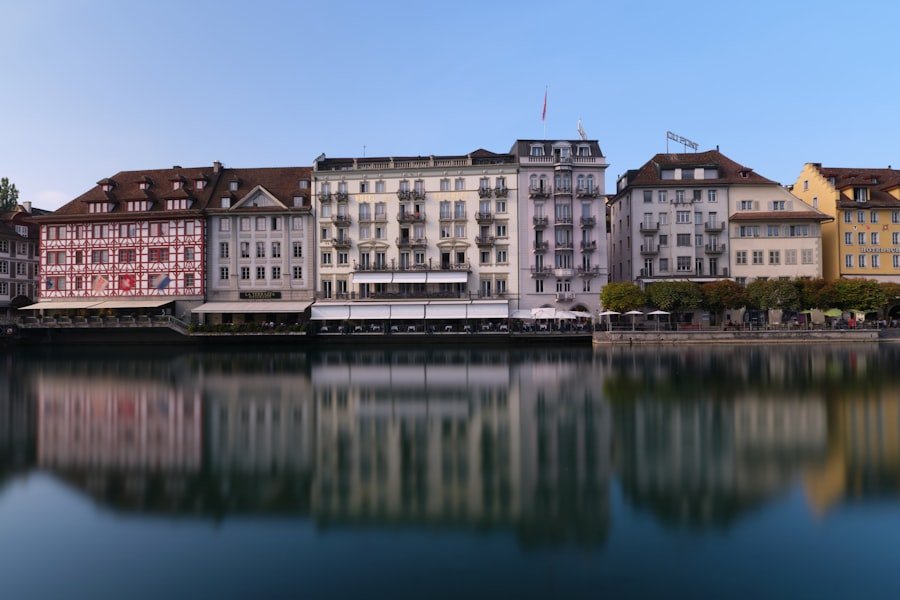
Outdoor activities provide an excellent opportunity for budget travelers to enjoy nature and engage in physical activities without incurring high costs. Many cities have beautiful parks that offer free access to walking trails, picnic areas, and recreational facilities. For example, Golden Gate Park in San Francisco features gardens, lakes, and even free concerts during the summer months, making it an ideal spot for both relaxation and entertainment.
Hiking is another fantastic outdoor activity that is often free or low-cost. National parks and nature reserves typically charge minimal entrance fees compared to other attractions but offer breathtaking views and well-maintained trails. In places like Zion National Park in Utah or Banff National Park in Canada, visitors can experience stunning landscapes while enjoying physical activity at little cost beyond transportation and park entry fees.
Additionally, many cities host free outdoor yoga classes or fitness events in public parks, providing an opportunity to stay active while meeting locals.
Affordable Cultural Experiences
Experiencing local culture doesn’t have to come with a hefty price tag; there are numerous ways to engage with cultural activities affordably. Many cities host free festivals throughout the year that celebrate local traditions through music, dance, food, and art. For instance, the Edinburgh Festival Fringe offers countless performances across various genres at varying price points, with many free shows available for those on a budget.
Workshops and community classes can also provide insight into local culture without breaking the bank. Many cities offer affordable cooking classes where participants learn how to prepare traditional dishes using local ingredients. In places like Oaxaca, Mexico, cooking classes often include market tours where participants can learn about regional produce before creating their meals together.
This not only provides a hands-on cultural experience but also allows travelers to take home new skills and recipes.
Money-Saving Tips for Tourists
To maximize your travel budget effectively, implementing some strategic money-saving tips can make all the difference during your trip. One of the most effective strategies is to create a daily budget that outlines how much you plan to spend on accommodation, food, activities, and transportation each day. This helps keep your spending in check and allows you to allocate funds more efficiently throughout your trip.
Another useful tip is to take advantage of tourist passes that many cities offer. These passes often include entry to multiple attractions at a discounted rate along with public transportation options. For example, the Paris Pass provides access to over 60 attractions along with unlimited travel on public transport for a set number of days—making it an excellent investment for those planning to visit several sites within a short timeframe.
Additionally, consider using apps that help track expenses or find deals on dining and activities while traveling. Many apps provide real-time information on discounts available nearby or allow users to compare prices for various services such as transportation or dining options. By staying organized and informed about your spending habits and available deals, you can enjoy your travels without financial stress while making the most of your budget-friendly adventure.
If you’re planning a trip to Lausanne and want to make the most of your visit without breaking the bank, you might find some useful tips in the article “Lausanne on a Budget.” This guide offers insights into affordable accommodations, dining options, and free attractions that allow you to experience the charm of Lausanne without overspending. For more information and additional travel tips, you can visit the main page of the website by clicking on this link.
FAQs
What are some budget-friendly activities in Lausanne?
Some budget-friendly activities in Lausanne include visiting the Olympic Museum, exploring the Old Town, hiking in the surrounding mountains, and enjoying the public parks and gardens.
What are some affordable dining options in Lausanne?
There are plenty of affordable dining options in Lausanne, including local markets, food trucks, and budget-friendly restaurants. You can also save money by picnicking in one of the city’s parks or along Lake Geneva.
Are there any free attractions in Lausanne?
Yes, there are several free attractions in Lausanne, such as the Cathedral of Notre Dame, the Esplanade de Montbenon, and the Sauvabelin Tower. You can also enjoy the beautiful views of Lake Geneva and the surrounding mountains for free.
What are some budget-friendly transportation options in Lausanne?
Lausanne has an efficient public transportation system, including buses and metro, which are affordable and convenient for getting around the city. You can also consider walking or renting a bike to explore the city on a budget.
Are there any affordable accommodation options in Lausanne?
There are budget-friendly accommodation options in Lausanne, such as hostels, guesthouses, and budget hotels. You can also consider staying in nearby towns and commuting to Lausanne to save on accommodation costs.