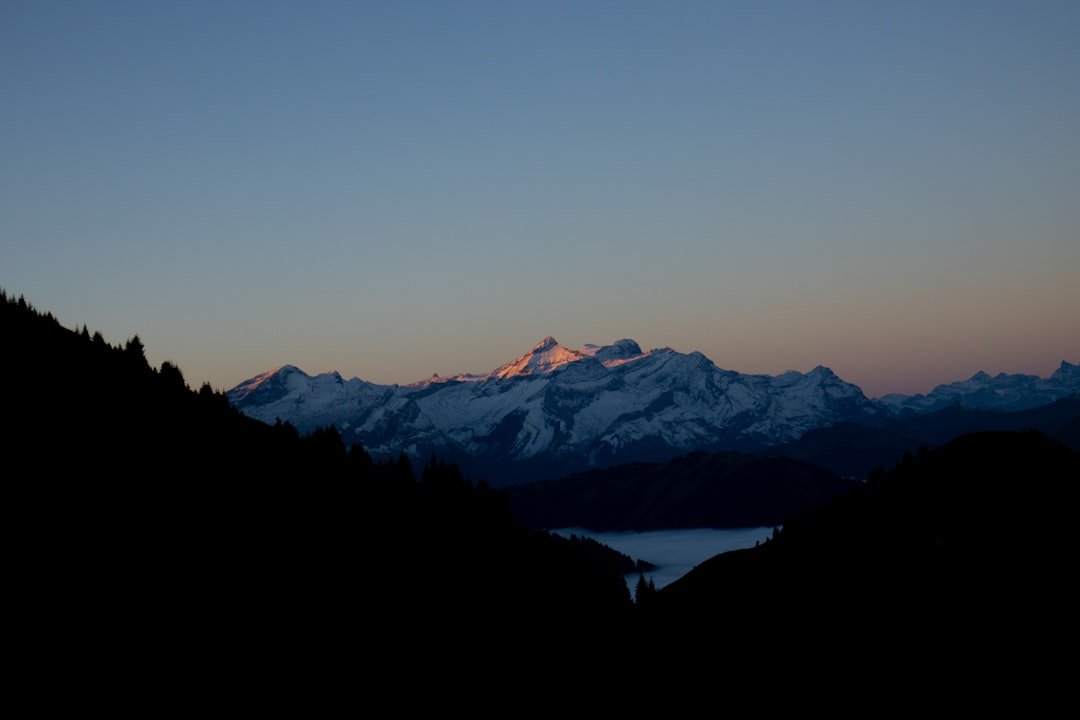
Nestled in the southwestern Bernese Oberland at an elevation of 1,050 meters (3,445 feet), Gstaad is an alpine village celebrated for its seamless blend of rustic heritage and refined luxury. Surrounded by dramatic limestone peaks, lush alpine pastures, and traditional wooden chalets, this Swiss gem attracts both passionate outdoor adventurers and discerning travelers. While Gstaad maintains an international reputation as a glamorous hideaway for celebrities, its pedestrianized center, historic farming roots, and ringing cowbells preserve an authentic alpine spirit that remains grounded in regional tradition.
Quick Answer
Gstaad, Switzerland, is a premier alpine destination known for world-class skiing, summer hiking, and luxury chalet living. Key highlights include over 200 kilometers of ski slopes, the iconic Peak Walk by Tissot suspension bridge at Glacier 3000, a car-free promenade lined with designer boutiques, Michelin-starred dining, and scenic rail journeys via the GoldenPass Express.
Key Takeaways
- Outdoor Paradise: Features over 300 kilometers of marked hiking paths and 200 kilometers of interconnected ski slopes across sectors like Eggli, Wispile, and Glacier 3000.
- Glacier 3000: Home to the Peak Walk by Tissot—the world’s only suspension bridge connecting two mountain peaks—offering sweeping views of the Matterhorn, Mont Blanc, and the Eiger.
- Strict Preservation: A landmark 1960s local zoning law preserves village charm by mandating that all new buildings adhere exclusively to traditional wooden chalet architecture.
- Gastronomy & Culture: Offers an exceptional mix of authentic alpine cheese traditions (such as Berner Hobelkäse AOP) and Michelin-starred fine dining, complemented by summer events like the Gstaad Menuhin Festival.
- Accessible via Scenic Rail: Effortlessly reachable aboard the MOB GoldenPass Express train, connecting Montreux, Gstaad, and Interlaken.
Outdoor Activities in Gstaad: Hiking, Biking, and Mountain Adventures
Gstaad is an alpine playground for outdoor recreation, maintaining a meticulously signposted network of more than 300 kilometers (186 miles) of summer trails. Routes accommodate every fitness level, ranging from gentle panoramic valley strolls to rigorous high-alpine circuits. One of the most beloved excursions is the family-friendly ridge walk from Wispile to the crystal-clear waters of Lake Lauenen (Lauenensee), a protected nature reserve featuring alpine moorlands and waterfalls.
For high-altitude adventure, Glacier 3000 offers access to dramatic glacial terrain. Visitors can cross the Peak Walk by Tissot, a 107-meter-long suspension bridge strung between two summits that yields unobstructed panoramas of 24 peaks rising over 4,000 meters, including Mont Blanc, the Matterhorn, and the Jungfrau massif.
Pro Tip: Overnight guests staying in official accommodation during the summer season receive the Gstaad Card, which provides discounted or free regional public transit on trains and postal buses between Saanenmöser, Gstaad, and Lauenen.
Mountain bikers and gravel cyclists will find diverse terrain spanning valley floors and steep downhill tracks. The Gstaad Bike Park delivers technical descents for adrenaline seekers, while hundreds of kilometers of gravel paths invite leisurely exploration. Modern e-bikes are widely available for hire at local sports outfitters throughout the village, allowing riders to effortlessly conquer high-elevation mountain passes and reach rustic alpine dairy huts for midday refreshments.
Gstaad’s Winter Wonderland: Skiing, Snowboarding, and Glaciers

From December through April, the Saanenland transforms into an expansive winter sports hub. Gstaad serves as the anchor for the Gstaad Mountain Rides network, encompassing roughly 200 kilometers of groomed ski runs spread across distinct sectors: Eggli, Saanerslochgrat, Horneggli, Rinderberg, Wispile, Wasserngrat, and Glacier 3000. Beginner-friendly nurseries and wide cruising blues dominate the rolling pastures of Eggli and Saanersloch, while the steep slopes of the Wasserngrat feature the famed “Tiger Run,” the region’s most demanding black run.
Glacier 3000 delivers reliable, high-altitude snow conditions well into late spring, boasting the longest downhill run in the region—the 8-kilometer Red Run dropping over 1,100 meters of vertical descent.
Freestyle skiers and snowboarders converge on the snow parks at Glacier 3000 and Horneggli, which feature progressive jump lines, rails, and beginner-to-advanced obstacles. Beyond downhill skiing, Gstaad maintains over 140 kilometers of prepared cross-country ski trails (both classic and skate styles), including scenic circuits at the high-plateau Sparenmoos moorland and around Lauenen. Non-skiers can explore marked winter walking trails, take horse-drawn sleigh rides through snow-draped valleys, or experience floodlit toboggan runs.
Indulge in Gstaad’s Culinary Delights: Fine Dining and Local Cuisine
| Restaurant | Culinary Focus | Signature Experience | Accolades / Setting |
|---|---|---|---|
| Megu (The Alpina Gstaad) | Contemporary Japanese | Kagoshima Wagyu Beef & Premium Sake Pairings | 1 Michelin Star / 15 GaultMillau Points |
| Leonard’s (Le Grand Bellevue) | Refined International Bistro | Seasonal Truffle Risotto & Fresh Fish | 1 Michelin Star / 14 GaultMillau Points |
| Restaurant Wasserngrat | Alpine Mountain Dining | Gourmet Rostbraten & Meringue with Double Cream | Panoramic Mountain Terrace (1,920m) |
| Posthotel Rössli (Stübli) | Traditional Swiss Heritage | Artisanal Fondue Moitié-Moitié & Raclette | Historic 1845 Inn / Cozy Wood Stübli |
Gstaad’s gastronomy stands out as one of the densest epicurean hubs in the Alps, balancing celebrated Michelin-starred innovation with time-honored alpine recipes. At The Alpina Gstaad, Megu crafts precise Japanese fare using alpine and Japanese ingredients, while Leonard’s at Le Grand Bellevue showcases modern fine dining in a relaxed bistro setting.
No trip to the Bernese Oberland is complete without experiencing authentic Swiss cheese culture. The region is famous for Berner Hobelkäse AOP, an extra-hard artisanal cheese crafted in copper vats over open wood fires during summer alpine grazing, then aged for up to two years and shaved into paper-thin rolls. Visitors can enjoy rich cheese fondue and bubbling raclette at historic mountain taverns or pick up fondue backpacks packed with cheese, wine, and a portable warmer for an open-air picnic in the mountains.
Gstaad’s Cultural Heritage: Art, Music, and Alpine Traditions
While celebrated for luxury, Gstaad remains firmly anchored in Bernese heritage. In the 1960s, local authorities implemented strict zoning bylaws decreeing that all new structures must adhere strictly to traditional Saanenland chalet architecture—wood-clad facades, gabled roofs, and ornate carvings. This architectural preservation has prevented the high-rise concrete sprawl seen in many European ski hubs, retaining the village’s fairy-tale aesthetic.
Culture thrives throughout the year through world-class events. The prestigious Gstaad Menuhin Festival, established in 1957 by legendary violinist Yehudi Menuhin, presents classical concert series in historic regional churches and concert halls every July and August. In the visual arts, global galleries such as Hauser & Wirth and Patricia Low Contemporary operate permanent spaces here, organizing exhibitions that draw art collectors from across the globe alongside prestigious summer sporting events like the Swiss Open ATP tennis tournament and the Hublot Polo Gold Cup.
Relax and Unwind in Gstaad: Spa and Wellness Retreats

After an active day on the slopes or trails, Gstaad’s wellness culture offers serene recovery. The village hosts some of Europe’s most comprehensive destination spas, where cutting-edge holistic wellness meets peaceful alpine seclusion.
The Six Senses Spa at The Alpina Gstaad spans 2,000 square meters, featuring indoor and outdoor pools, Himalayan salt rooms, and treatments inspired by Asian wellness philosophies paired with local herbs. Nearby, Le Grand Spa at Le Grand Bellevue features an expansive 3,000-square-meter thermal oasis complete with 17 distinct wellness zones, including herbal saunas, an ice grotto, and an outdoor hot tub surrounded by snow-covered gardens. Many wellness retreats also integrate alpine yoga sessions and forest bathing trails along the Saane River.
Luxury Shopping on the Car-Free Gstaad Promenade
Established as a car-free pedestrian zone in 1998, the Gstaad Promenade is one of the shortest and most exclusive shopping streets in the world. Flanked by ornate wooden chalets rather than glass commercial storefronts, the street houses flagship boutiques from venerable luxury fashion houses including Louis Vuitton, Hermès, Prada, Ralph Lauren, and Brunello Cucinelli.
In harmony with international designer labels, the promenade preserves authentic Swiss craftsmanship. Independent family ateliers showcase Swiss fine timepieces, handmade cowhide belts, bespoke wooden furniture, and master chocolatiers such as Maison Charly and Chocolaterie اختيارات, offering artisanal pralines and seasonal truffles.
Exploring Surrounding Villages and Scenic Day Trips
The Saanenland district comprises ten picturesque neighboring villages, each presenting a distinct character well worth exploring:
- Saanen: The historic heart of the municipality, Saanen features 16th-century wooden chalets, winding alleyways, and the 15th-century Church of Saint Maurice with restored Gothic frescoes.
- Schönried and Saanenmöser: Perched on sunny panoramic terraces, these hamlets serve as the primary direct ski gateways to the Horneggli and Saanersloch ski networks.
- Rougemont: Located just across the cantonal border in Vaud, this storybook village is recognized among Switzerland’s most beautiful villages, noted for its 11th-century Cluniac Romanesque church and ornate chalet facades.
- Lauenen: A quiet mountain retreat immortalized in Swiss folk songs, providing trailheads to the pristine Lauenensee nature reserve.
Practical Travel Planning: Getting There and Best Time to Visit
Gstaad is located roughly two hours from Geneva International Airport (GVA) and two and a half hours from Zurich Airport (ZRH). The most scenic and stress-free way to arrive is by rail via the Montreux Oberland Bernois (MOB) network.
The GoldenPass Express offers a direct panoramic rail connection linking Montreux on Lake Geneva directly to Interlaken via Gstaad. Thanks to revolutionary variable-gauge bogies, passengers travel smoothly between meter-gauge and standard-gauge rail lines without changing trains, taking in lake and mountain views through panoramic windows.
Warning: Gstaad experiences pronounced “inter-season” quiet periods during May and November. During these months, many luxury hotels, restaurants, and mountain cable cars close for seasonal maintenance before reopening for summer and winter operations. Always check operational schedules if visiting outside peak months.
The winter sports season typically runs from mid-December through early April, with peak powder conditions in January and February. Summer activities thrive from mid-June through September, when alpine passes are clear of snow and wild meadow wildflowers are in full bloom.
Frequently Asked Questions
What is Gstaad most famous for?
Gstaad is best known as an upscale Swiss alpine resort destination featuring world-class winter sports, Glacier 3000, historic chalet architecture, designer shopping along a car-free promenade, and high-profile luxury hotel retreats.
What are the best ski areas around Gstaad?
The top ski areas include the interconnected slopes of Saanerslochgrat and Horneggli (ideal for intermediates), Eggli (gentle cruisers and gourmet mountain huts), Wasserngrat (expert black runs), and Glacier 3000 (high-elevation glacier skiing and snow parks).
What hiking trails in Gstaad are most recommended?
Highly recommended hikes include the scenic panoramic trail from Wispile along the mountain ridge to Lake Lauenen (Lauenensee), the Glacier 3000 Peak Walk by Tissot suspension bridge, and the gentle family trails traversing the Saane river valley.
What cultural attractions are worth visiting in the Gstaad region?
Notable cultural attractions include the Church of Saint Maurice in Saanen (dating to the 15th century with historic frescoes), modern international art galleries such as Hauser & Wirth, and the annual Gstaad Menuhin Festival classical concerts held throughout the summer.
What are the best family-friendly activities in Gstaad?
Top family activities include exploring the petting zoo and adventure playground at the Wispile mountain station, riding the Alpine Coaster at Glacier 3000, swimming at the Gstaad Sports Centre, and taking a scenic ride on the GoldenPass Express train.
How do you get to Gstaad by public transportation?
You can easily reach Gstaad on the Swiss national rail system (SBB) connecting via Montreux or Zweisimmen onto the Montreux Oberland Bernois (MOB) railway line. The GoldenPass Express runs directly between Montreux and Interlaken Ost with a scheduled stop in Gstaad.
Sources
- Gstaad Saanenland Tourismus — Official regional visitor documentation for trail maps, ski sectors, events, and seasonal schedules.
- Glacier 3000 Official Portal — Engineering specifications and visitor access guidelines for the Peak Walk by Tissot and glacier ski terrain.
- Switzerland Tourism (MySwitzerland) — National tourism overview of Saanenland heritage, gastronomy, and cultural events.
- Montreux Oberland Bernois Railway (MOB) — Official timetable and technical details for the GoldenPass Express and scenic rail connections.