

California’s geography creates many local climates—from cool, foggy coasts to hot inland valleys, deserts, and snowy mountains. In much of the state, winters bring most of the rain and summers are dry. April sits in the middle of that shift, which makes it a great month to start many plants if you match them to your area.
Key takeaways
- Use your local last-frost window and soil warmth to decide what to plant.
- In April you can still plant many cool-season crops, and you can start warm-season crops once nights stay mild.
- Mix in compost, then mulch to hold moisture and cut weeds.
- Harden off seedlings before planting out, and protect young plants from sudden cold or heat.
- Check plants weekly for pests and disease so you can fix problems early.
Choosing the Right Plants for April Planting
Begin with your local climate: coastal, inland valley, foothill, desert, or mountain. Many “April planting” lists assume low-elevation areas with few frosts. If you garden in a colder pocket, some crops may need to wait. In warmer spots, you may be able to plant earlier.
Choose plants based on the next 6–8 weeks of weather, not just today’s high temperature. When you can, pick varieties labeled as disease-resistant.
Preparing the Soil for April Planting
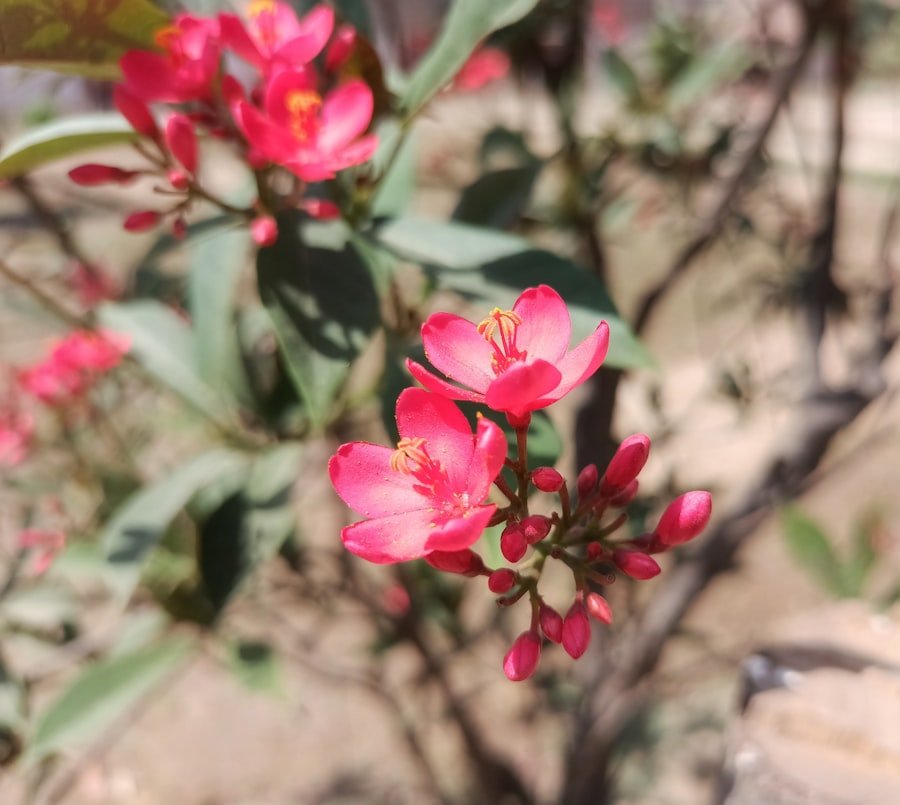
Good soil is the base of a healthy garden. A basic soil test can tell you if you need nutrients or other fixes. In many California yards, the biggest boost comes from adding organic matter and keeping soil covered.
Work compost into the top 6 inches of soil (deeper only when you’re preparing for deep-rooted crops). Avoid digging clay soil when it’s very wet, because it can compact. If you use manure, use well-aged manure and apply it ahead of planting. Too much can add salts.
Tips for Successful Planting in April
| Planting tips for April |
|---|
| 1. Check your local last-frost date and watch the 10-day forecast. |
| 2. Plant cool-season crops early in the month; save heat-lovers for when nights stay warmer. |
| 3. Water deeply after planting, then water less often but more deeply to build strong roots. |
| 4. Mulch after seedlings are up to keep moisture in and weeds down. |
| 5. Use frost cloth, row cover, or light shade cloth when weather swings are extreme. |
April weather can swing fast. Cold nights can return, and heat can arrive early in sunny yards. If you’re transplanting seedlings, harden them off first. Put them outside for a little longer each day for about a week.
Quick regional timing note
- North Coast & cooler areas: warm-season crops like tomatoes and peppers often do best in May, while April is still great for greens and root crops.
- South Coast: April is often a good window for tomato and pepper transplants once frost risk is low.
- Interior valleys: warm-season planting often ramps up in April, but some spots still get late frosts.
- Desert valleys: April is late spring. Plan for heat and steady watering.
Vegetables to Plant in April
Cool-season options (early April): beets, carrots, radishes, lettuce, spinach, kale, and other leafy greens can still do well where spring stays mild.
Warm-season options (mid-to-late April in many low-elevation areas): cucumbers, beans, corn, and many squashes can be direct-sown once soil warms. Tomatoes, peppers, and eggplant need warmer nights. In cooler zones, wait until May or use protection.
Herbs to Plant in April
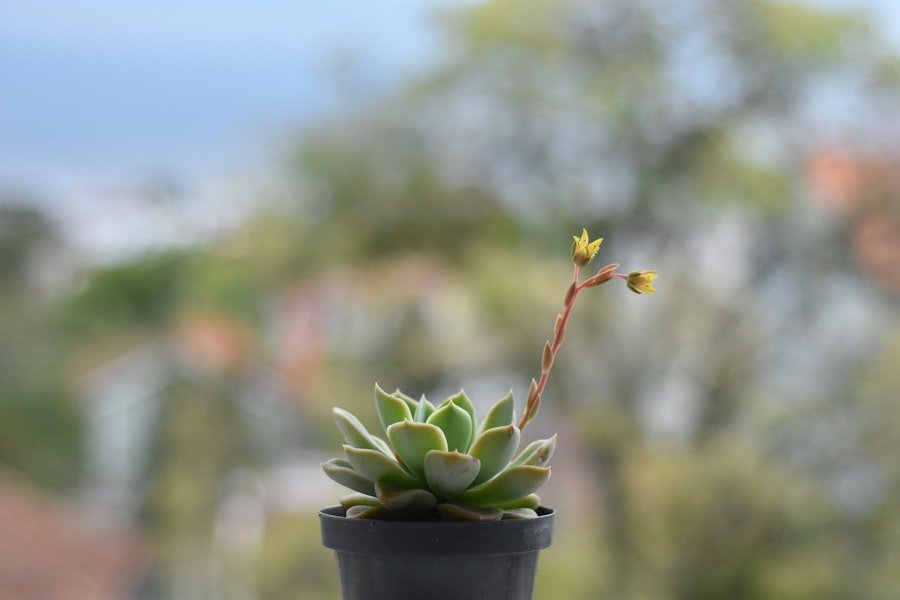
Many herbs are easy wins in April. Cilantro, parsley, and dill can be sown early in the month and prefer cooler weather. Basil likes warmth. Plant it after frost risk is low, or start it indoors and move it out later.
Flowers to Plant in April
April is a strong month for annuals and water-wise perennials. In many areas, zinnias and marigolds can go in once nights are mild. Perennials such as lavender and salvia also settle in well in spring and can handle dry weather once established. Native wildflowers can help local pollinators.
Trees and Shrubs to Plant in April
April can work well for planting container-grown trees and shrubs because the weather is often mild. Many bare-root fruit trees are usually best planted during winter dormancy (often December through March), so in April you’ll often be planting potted stock instead.
Citrus is often planted in spring in areas that still get frost. In frost-free spots, planting can be more flexible. For shrubs like rosemary or manzanita, give each plant room for airflow to help prevent disease.
Maintenance Tips for April-Planted Gardens
New plantings need steady moisture while roots grow, but avoid soggy soil. Mulch helps keep soil moist, reduces weeds, and smooths out soil temperature changes. Keep organic mulch at least 6 inches away from trunks and main stems to help prevent crown and root diseases.
Stay ahead of weeds in April, before they set seed. A quick weekly pass often saves work later.
Dealing with Pests and Diseases in April-Planted Gardens
As plants put on fresh growth, pests like aphids and mites can show up. Use an IPM approach: identify the pest, check plants often, and start with simple steps first (like water sprays, hand-removal, or pruning out infested tips). Encourage helpful insects by planting a mix of flowers and avoiding broad-spectrum sprays.
For problems like powdery mildew, prevention matters. Plant in sun, don’t crowd plants, and water at the base when you can.
Resources for April Planting in California
If you want region-specific planting windows and troubleshooting help, start with these research-based resources:
FAQs
What are the best vegetables to plant in April in California?
In many areas, April works well for cool-season crops (like lettuce, spinach, carrots, and beets) and, as soils warm, for warm-season crops such as squash and cucumbers. Tomatoes and peppers are often best after frost risk is low and nights stay mild.
Can I plant tomatoes in April in California?
Sometimes. Along the South Coast and other mild areas, April is often a transplant window. In cooler coastal pockets, the North Coast, and higher elevations, planting in May (or using protection) often works better.
Which herbs are easiest to start in April?
Cilantro, parsley, and dill are easy early-April starts. Basil is easy too, but it prefers warm nights. Start indoors if your spring stays cool.
What flowers can I plant in April in California?
Many gardens can add annuals like marigolds and zinnias once nights are mild. Drought-tolerant perennials like lavender and salvia also establish well in spring.
Do I need to water newly planted areas in April?
Yes. Water deeply after planting and keep the root zone evenly moist while plants establish. As plants settle in, aim for deeper, less frequent watering to encourage strong roots.