

Wupatki National Monument is made for quick, rewarding stops. Short, signed paths take you to ancestral pueblo sites set in wide-open high desert. Most trails have interpretive signs, so you can learn as you walk. Many of these routes are open from sunrise to sunset.
Key takeaways
- Wupatki’s main pueblo walk is about 0.5 mile round trip and gives the most context.
- Lomaki/Box Canyon and Wukoki are very short but feel remote and scenic.
- Pets aren’t allowed on the pueblo trails, and drones are generally prohibited.
Wupatki Pueblo Trail — History and Highlights
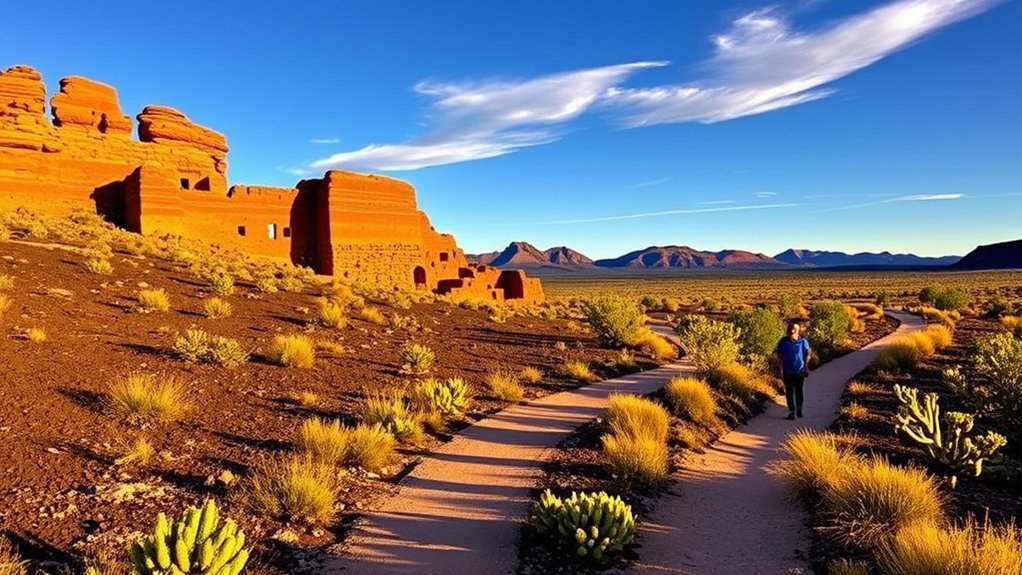
The Wupatki Pueblo Trail is the park’s classic walk. It’s about 0.5 mile (0.8 km) round trip and leads to Wupatki Pueblo, which preserves 104 rooms, a ballcourt, and a natural blowhole. You’ll also get big views across grassland and red-rock outcrops.
This place was lived in mainly in the 1100s–1200s CE. Read the signs, stay on the path, and avoid touching the masonry.
Accessibility note: the path starts on concrete and compacted decomposed granite, but there are grades and stairs in places. If you need a fully step-free route, check current options at the visitor center.
Lomaki and Box Canyon Pueblos Trail — Hidden Ruins
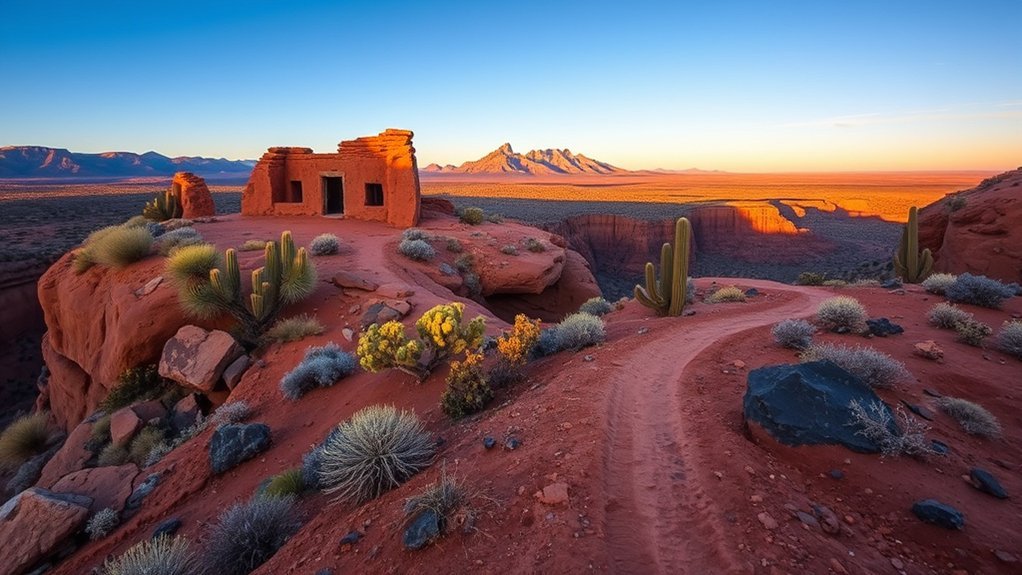
For a quieter stop, walk to Lomaki (“Beautiful House” in Hopi) and the nearby Box Canyon pueblos. The route is about a 0.5-mile (0.8 km) loop on a rough gravel surface. It’s a good place to notice how people built with local stone and worked with a dry landscape.
As of 2026-02-01, the park notes this route is not currently accessible, and work is underway to create a new accessible path to some structures.
Wukoki Pueblo Trail — Up-Close Exploration
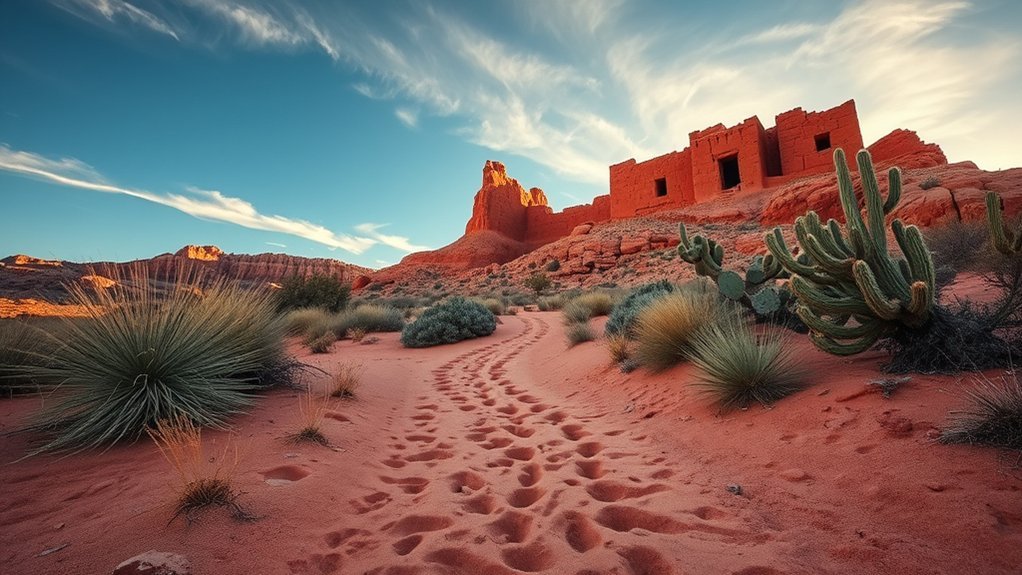
Wukoki Pueblo sits on a sandstone pedestal, so it feels dramatic even on a tiny walk. The trail is about 0.2 mile (0.3 km) round trip and ends at an eight-room structure that was occupied from the early 1100s into the mid 1200s CE. Bring a camera—this is one of the best photo stops in the monument.
The Citadel and Nalakihu — Short Walk to Hilltop Views
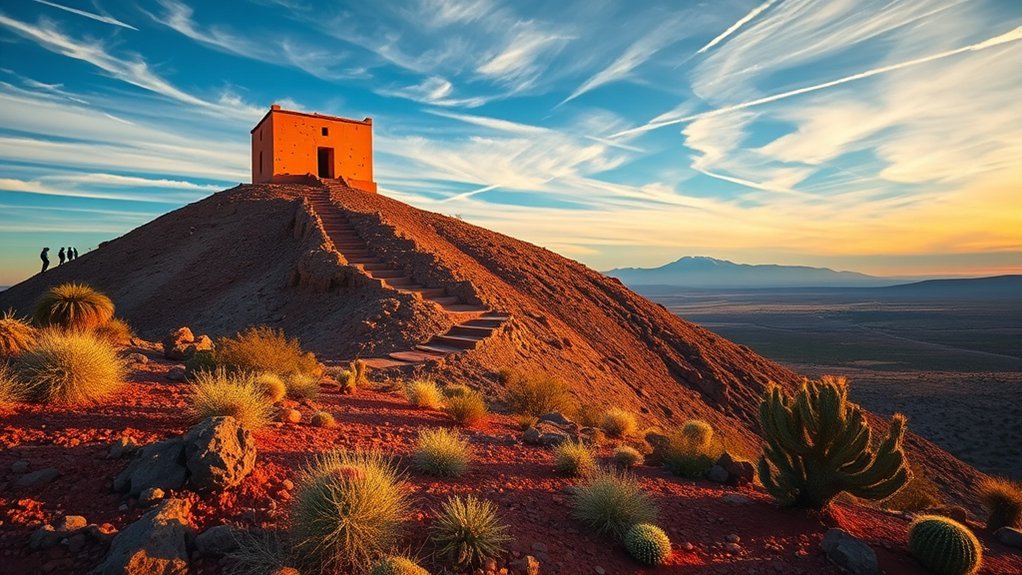
This stop packs a lot into a short walk. You’ll see Nalakihu near the start and the Citadel on top of a small cinder hill. The full trail is about 0.2 mile (0.3 km) and includes a moderate uphill climb. Signs along the way explain what you’re seeing.
Sunset Crater and Wupatki Scenic Drive — Extended Exploration
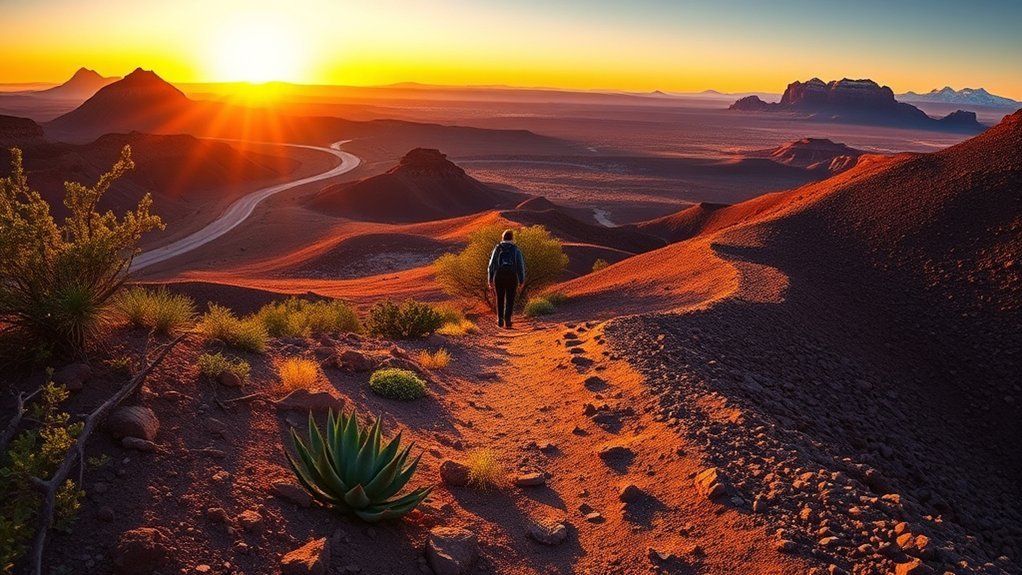
To connect the ruins with the geology, drive the 34-mile scenic loop between Sunset Crater Volcano and Wupatki. Sunset Crater erupted around 1085 CE, and its ash and lava changed the land people lived on. The loop has pullouts and short walks, so it’s easy to build a half-day plan.
Frequently Asked Questions
Are Pets Allowed on Wupatki Trails?
No. Pets may be allowed in some parking areas, but they are not allowed on the pueblo trails at Wupatki. Leashed service animals are allowed. If you’re traveling with a dog, plan to take turns on the walks.
Are Permits Required for Photography or Drone Use?
Drones: in most cases, launching or landing a drone is prohibited in areas managed by the National Park Service. Photography/filming: as of 2026-02-01, permits and fees usually aren’t required for low-impact filming or photography with hand-carried gear in public areas for groups of eight or fewer. Permits may still be required for larger groups, exclusive use, or setups that could affect resources or other visitors.
What Are Restroom and Water Availability at Trailheads?
Don’t count on services at every stop. Some pueblo trailheads note vault or pit toilets, but options vary. Always carry plenty of water—there’s little shade and the high desert is dry.
Is Camping Allowed Within the Monument Boundaries?
No. There is no camping inside Wupatki National Monument. Use designated camping areas outside the monument and follow any fire restrictions.
Are Trails Wheelchair or Stroller Accessible?
Some sites are partly accessible. Wupatki Pueblo, Wukoki, and the Citadel/Nalakihu trail have accessible sections, but grades, stairs, or rough surfaces can limit full access. The Lomaki route is listed as not currently accessible. Check the latest accessibility details before you go.
Conclusion
These short walks are an easy way to see Wupatki’s biggest sites without a long hike. Take your time with the signs, stay on the paths, and bring more water than you think you’ll need. If you want a deeper story, ask at the visitor center about ranger programs and tribal connections to the monument.
Check Wupatki’s official “Basic Information” page for current hours, conditions, and closures.