

September marks a pivotal transition in California’s gardening calendar, as the state begins to shift from the sweltering heat of summer to the milder temperatures of fall. This month presents a unique opportunity for gardeners to take advantage of the extended growing season that California’s diverse climate offers.
The warm days and cooler nights create an ideal environment for both warm and cool-season crops, making it a prime time for planting. In addition to the favorable weather conditions, September is also a time when many gardeners begin to think about their fall harvests. The soil remains warm from the summer sun, which can help seeds germinate quickly and establish strong root systems before the cooler months arrive.
This month is particularly significant for those looking to maximize their garden’s productivity, as it allows for a second round of planting for certain vegetables and flowers that thrive in the cooler temperatures of fall. Understanding what to plant and how to care for these crops can lead to a bountiful harvest and a vibrant garden.
Key Takeaways
- September is a great time for planting in California due to the warm soil and cooler air temperatures.
- Warm season vegetables like tomatoes, peppers, and squash thrive when planted in September in California.
- Cool season vegetables such as lettuce, spinach, and broccoli are ideal for planting in California in September.
- Flowers like marigolds, zinnias, and sunflowers add color to the garden when planted in September in California.
- Herbs like basil, cilantro, and parsley are perfect for planting in California in September for fresh flavors in the kitchen.
Warm season vegetables to plant in September
While September signals the onset of fall, it is still possible to plant warm-season vegetables in many parts of California, especially in regions with a longer growing season. Vegetables such as tomatoes, peppers, and eggplants can still be planted early in the month, taking advantage of the residual warmth in the soil. For instance, late varieties of tomatoes can be sown in early September, allowing them to mature before the first frost.
These plants thrive in temperatures that hover around 70°F to 85°F, making early September an ideal time for planting. In addition to tomatoes, other warm-season crops like squash and cucumbers can also be planted during this time. These vegetables not only grow quickly but also produce abundantly, making them excellent choices for late summer planting.
For example, zucchini can be sown directly into the ground or started indoors and then transplanted outside. The key is to ensure that these plants receive adequate sunlight and warmth during their early growth stages, which will help them flourish as they mature into the fall.
Cool season vegetables to plant in September
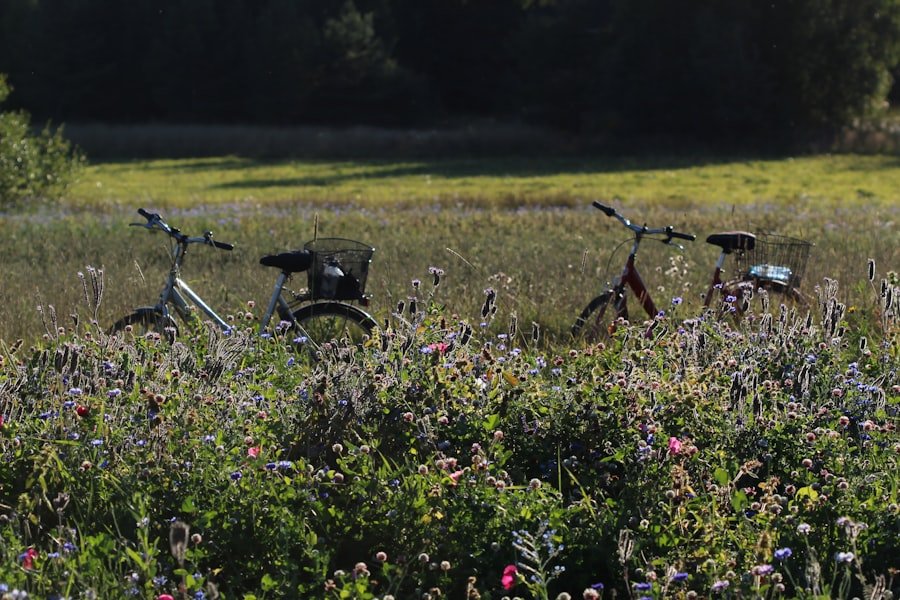
As September progresses, it becomes increasingly favorable for planting cool-season vegetables that thrive in the cooler temperatures of fall. Crops such as lettuce, spinach, kale, and broccoli are excellent choices for this time of year. These vegetables prefer temperatures between 60°F and 75°F, making them well-suited for the mild conditions that September often brings.
For instance, starting a variety of leafy greens can provide a continuous harvest throughout the fall months. When planting cool-season vegetables, it is essential to consider the timing of your sowing. Many of these crops can be direct-seeded into the garden bed or started indoors and transplanted later.
For example, if you sow spinach seeds in mid-September, you can expect to harvest fresh greens by late October or early November. Additionally, using row covers can help protect young seedlings from any unexpected temperature drops while also promoting faster growth by trapping heat.
Flowers and ornamental plants to plant in September
| Plant Name | Optimal Planting Location | Watering Needs | Sunlight Requirements |
|---|---|---|---|
| Asters | Well-drained soil | Regular watering | Full sun to partial shade |
| Mums | Rich, well-drained soil | Regular watering | Full sun |
| Pansies | Moist, well-drained soil | Regular watering | Full sun to partial shade |
| Goldenrod | Well-drained soil | Low watering needs | Full sun |
September is not only an excellent time for vegetables but also for planting flowers and ornamental plants that will add beauty to gardens as they transition into fall. Perennials such as asters, chrysanthemums, and ornamental grasses can be planted during this month to ensure they establish strong root systems before winter sets in. Asters, with their vibrant purple and blue hues, are particularly popular for attracting pollinators and providing color in late summer and early fall.
In addition to perennials, September is also a great time to plant spring-blooming bulbs like tulips and daffodils. Planting these bulbs now allows them to establish roots before the ground freezes, ensuring a stunning display come springtime. When selecting ornamental plants, consider drought-tolerant varieties that thrive in California’s climate.
Plants such as lavender and succulents not only add visual interest but also require less water once established, making them ideal choices for sustainable gardening practices.
Herbs to plant in September
Herbs are another fantastic option for planting in September, as many varieties thrive in cooler weather and can be harvested well into fall. Popular herbs such as cilantro, parsley, and chives can be sown directly into garden beds or containers during this month. These herbs not only enhance culinary dishes but also attract beneficial insects to the garden.
For instance, cilantro grows quickly and can be harvested within weeks of planting, making it an excellent choice for those looking to enjoy fresh herbs without a long wait. In addition to these fast-growing herbs, perennial herbs like rosemary and thyme can also be planted in September. These hardy plants are well-suited for California’s climate and can provide flavor year-round with minimal care.
When planting herbs, it’s essential to choose a location with good drainage and plenty of sunlight. Raised beds or containers can be particularly effective for growing herbs, allowing for better control over soil quality and moisture levels.
Trees and shrubs to plant in September
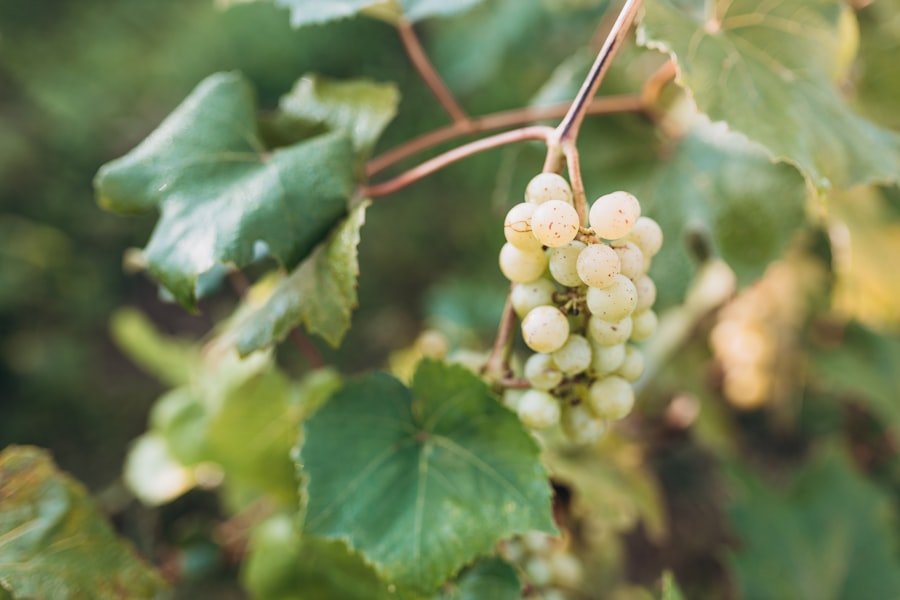
September is an opportune time for planting trees and shrubs in California due to the cooler temperatures and increased moisture levels that often accompany fall. This month allows newly planted trees and shrubs to establish their root systems before winter dormancy sets in. Deciduous trees such as maples and oaks are excellent choices for planting now, as they will benefit from the warm soil while avoiding the stress of summer heat.
When selecting shrubs, consider native varieties that are well-adapted to California’s climate. Plants like California lilac (Ceanothus) or manzanita (Arctostaphylos) not only provide beauty but also support local wildlife by offering food and habitat.
Tips for successful planting in September
To ensure successful planting in September, gardeners should pay close attention to soil preparation and site selection. Testing soil pH and nutrient levels can provide valuable insights into what amendments may be necessary before planting. Incorporating organic matter such as compost or well-rotted manure can improve soil structure and fertility, creating an ideal environment for new plants.
Timing is also critical when planting in September. Early morning or late afternoon is often the best time to plant, as temperatures are cooler and reduce stress on young plants. Additionally, mulching around newly planted areas can help retain moisture while suppressing weeds that compete for nutrients.
Regular monitoring of soil moisture levels is essential during this transitional month; ensuring that plants receive adequate water will help them establish strong roots.
Best practices for watering and caring for plants in September
As temperatures begin to cool down in September, watering practices may need adjustment compared to the hotter summer months. While it’s important not to overwater newly planted seeds or transplants, maintaining consistent moisture levels is crucial for their establishment. A deep watering approach is often recommended; this encourages roots to grow deeper into the soil where they can access more nutrients and moisture.
In addition to watering practices, regular maintenance tasks such as weeding and pest management should not be overlooked during this month. Weeds compete with young plants for resources; therefore, keeping garden beds clear will promote healthier growth. Integrated pest management strategies can help protect plants from common pests without relying solely on chemical treatments.
Monitoring plants regularly allows gardeners to catch any issues early on.
How to protect plants from late summer heat in September
Even though September brings cooler temperatures overall, late summer heat waves can still occur in California. Protecting young plants from extreme heat is essential for their survival and growth during this transitional period. Providing shade cloth or using row covers can help shield delicate seedlings from intense sunlight while still allowing air circulation.
Another effective strategy is mulching around plants with organic materials such as straw or wood chips. This not only helps retain soil moisture but also regulates soil temperature by providing insulation against heat fluctuations. Additionally, ensuring that plants are well-watered before a heat wave hits can help them withstand high temperatures better; hydrated plants are more resilient against stress.
Importance of choosing drought-tolerant plants for September planting
Given California’s ongoing challenges with drought conditions, selecting drought-tolerant plants when planting in September is increasingly important. These plants are adapted to thrive with minimal water once established, making them ideal choices for sustainable gardening practices. Native species such as California poppy (Eschscholzia californica) or yarrow (Achillea millefolium) not only require less water but also support local ecosystems by providing habitat for wildlife.
Incorporating drought-tolerant varieties into your garden design can significantly reduce water usage while still creating a vibrant landscape. Many ornamental grasses and succulents are excellent options that add texture and color without demanding excessive irrigation. By choosing these resilient plants, gardeners contribute positively toward water conservation efforts while enjoying a beautiful garden year-round.
Resources for finding the best plants to grow in California in September
For those looking to expand their gardening knowledge or find specific plants suitable for September planting in California, numerous resources are available. Local cooperative extension offices often provide valuable information tailored to specific regions within California, including recommended plant varieties based on climate zones. Additionally, online platforms such as gardening forums or websites dedicated to California gardening offer insights from experienced gardeners who share their successes and challenges with various plant species.
Local nurseries are also excellent resources; knowledgeable staff can provide recommendations based on current growing conditions while offering healthy plants suited for your garden’s needs. Engaging with community gardening groups or attending local workshops can further enhance your understanding of what thrives best in your area during this critical planting month.
FAQs
What are the best plants to plant in September in California?
In September, it is a good time to plant cool-season vegetables such as lettuce, spinach, kale, and broccoli. It is also a good time to plant flowers such as pansies, snapdragons, and calendula.
Can I plant fruit trees in September in California?
September is a good time to plant fruit trees in California, especially in the southern and coastal areas. It is important to choose the right type of fruit tree for your specific climate and soil conditions.
Are there any specific herbs that are best to plant in September in California?
In September, it is a good time to plant herbs such as cilantro, parsley, and chives in California. These herbs thrive in the cooler temperatures of the fall season.
What are some tips for planting in September in California?
It is important to choose plants that are suitable for the specific climate and growing conditions in your area of California. It is also important to water newly planted seeds and seedlings regularly, especially during the warmer days of September. Additionally, adding a layer of mulch around plants can help retain moisture and regulate soil temperature.