

California’s climate and soils create great conditions for growing potatoes—but “California” covers many climates. Many areas have wet, mild winters and hot, dry summers. Coastal gardens stay cooler and often hold moisture longer. Interior valleys can swing to very hot summer days. For best results, plan around your local conditions (your microclimate).
Soil matters just as much. Potatoes grow best in loose, well-drained soil that still holds moisture, like sandy loam or loam. Slightly acidic soil helps nutrient uptake. UC IPM suggests keeping soil around pH 6.0 to 6.5. If common scab is a recurring problem, keeping pH closer to 5.0–5.5 can help reduce it.
Key Takeaways
- California’s conditions vary, so match your planting window and variety to your local microclimate.
- Choose varieties that fit your goals (fresh eating, baking, storage, or specialty markets).
- Build loose, well-drained soil with organic matter and aim for a slightly acidic pH.
- Plant when soil is workable and warming—many guides use about 45°F (7°C) as a minimum.
- Keep moisture even, hill plants to cover tubers, and watch for pests and disease.
Choosing the Right Potato Varieties for California
Pick varieties that match your climate and how you’ll use the potatoes. Russet types are popular for baking and storage. Yukon Gold is a favorite for flavor and everyday cooking. Fingerlings and other specialty types can do well in direct-to-consumer markets where you can highlight their shape and color.
Preparing the Soil for Planting Potatoes
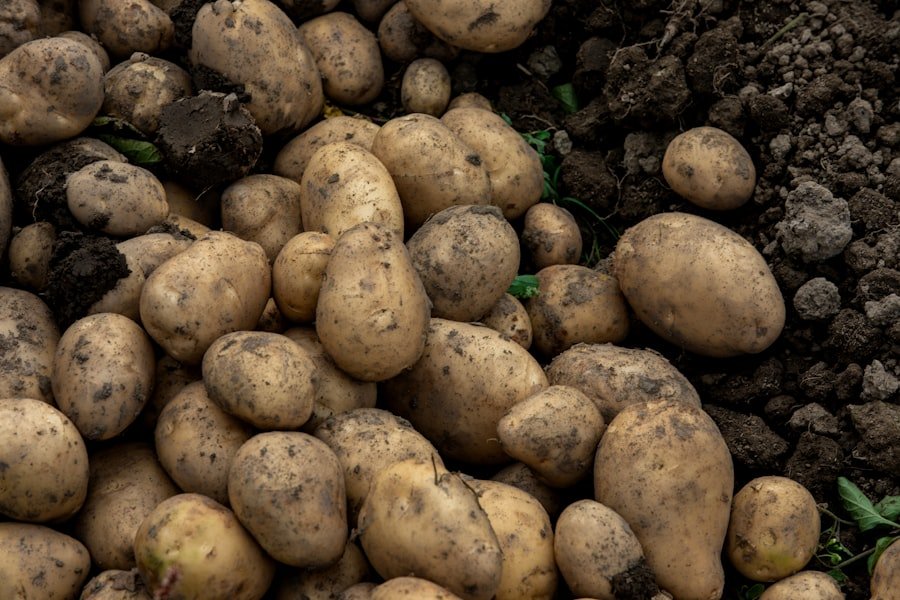
Good soil prep pays off at harvest. Loosen soil deeply if you can (about 8–12 inches) so roots and tubers can expand. Mix in compost or well-rotted manure to improve structure and water-holding and to add nutrients.
Raised beds or furrows help drainage in heavier soils and can warm faster in spring. Rotate potatoes (and other nightshades like tomatoes and peppers) with unrelated crops to lower disease pressure.
Best Time to Plant Potatoes in California
Planting time depends on your region. UC IPM provides approximate home-garden windows, but local microclimates can shift timing. To cut the risk of seed piece decay, many extensions recommend planting when soil is around 45°F (7°C) or higher.
| Region | Approximate planting window | Typical harvest window |
|---|---|---|
| North & North Coast (Monterey County north) | February | April–May |
| South Coast (San Luis Obispo County south) | February–May | June–August |
| Interior Valleys (Sacramento & San Joaquin valleys) | February–March | August |
| Desert Valleys (Imperial & Coachella valleys) | December–February | Spring (often March–May) |
In cooler coastal spots, you may be able to plant later than the table shows. Still, yields can drop if plants hit long periods of heat during tuber formation. Use soil temperature and local frost risk as your guide, and check local UC Cooperative Extension or Master Gardener advice.
For a California-focused guide with planting windows and step-by-step home-garden practices, see UC IPM’s cultural tips for growing potato.
Tips for Planting and Caring for Potatoes
Cut larger seed potatoes into pieces with at least one eye. Let the cut pieces sit at room temperature for 1 to 3 days so the cut surfaces can cure. Plant seed pieces in furrows about 3 inches deep and space them 6 to 12 inches apart. Closer spacing gives smaller potatoes.
As plants grow, hill soil up around the stems to keep tubers covered and reduce greening. Keep moisture even through the season. Potatoes are shallow rooted and do best with light, frequent watering, especially during tuber set and bulking.
Managing Pests and Diseases in Potato Plants
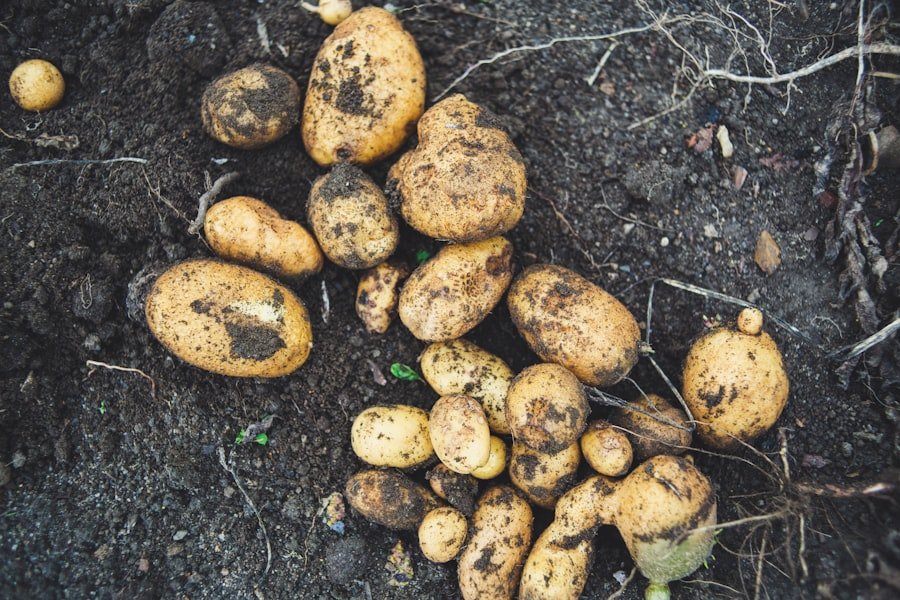
In California, common potato pests include aphids, potato psyllid, potato tuberworm, flea beetles, cutworms, and wireworms. Use an IPM approach: scout often, confirm the pest, and start with low-impact controls first. Beneficial insects can help keep aphid populations down.
Diseases can also limit yields, especially in cool, wet weather. Late blight is a major concern. Common scab can be worse in warm, dry soils and at higher pH. Crop rotation and certified seed potatoes are two of the best steps to lower disease risk.
Harvesting and Storing Potatoes in California
Harvest when tubers reach the size you want. For storage potatoes, wait until plants mature and vines die back. Keep harvested tubers out of sunlight. Sunlight can cause greening, and green tissue is bitter and unsafe to eat.
For better storage, cure potatoes in a dark, ventilated place at about 50° to 55°F (10° to 13°C) with high humidity for at least two weeks. After curing, store potatoes cool and dark. UC IPM recommends about 38° to 45°F (3° to 7°C) for fresh-market holding, with humidity high enough to limit shriveling.
If you want more detail on curing and holding temperatures by intended use, see UC IPM’s potato storage guidelines.
Additional Tips for Growing Potatoes in California
Companion planting and cover crops can support soil health and beneficial insects, but they don’t replace the basics: certified seed, loose soil, steady moisture, and timely planting. In long-season areas, cover crops in the off-season can improve structure and add organic matter for the next crop.
FAQs
What is the best time to grow potatoes in California?
It depends on your region and microclimate. UC IPM lists approximate home-garden planting windows of February in the North & North Coast, February–May on the South Coast, February–March in interior valleys, and December–February in desert valleys.
Can potatoes be grown year-round in California?
Commercially, California is unusual in that it produces spring-, summer-, fall-, and winter-marketed potatoes in different regions. In home gardens, you usually plant in one main window (and in some mild areas, a second later planting can work) rather than harvesting continuously all year.
What are the ideal growing conditions for potatoes in California?
Potatoes prefer full sun (at least 4–6 hours/day) and loose, well-drained soil that holds moisture evenly. UC IPM suggests soil pH around 6.0–6.5. If common scab is a problem, keeping pH closer to 5.0–5.5 can help reduce it.
How long does it take for potatoes to grow in California?
Variety and weather matter, but many varieties take about 3–4 months from planting to harvest. You can harvest “new potatoes” sooner. Storage potatoes usually stay in the ground until vines die back.
Are there specific potato varieties that are best suited for California’s climate?
Many varieties can do well when matched to local conditions. Russet types are common for baking and storage, while Yukon Gold and red-skinned types are popular for fresh eating. If disease pressure is high, prioritize varieties with resistance and start with certified seed.