

Southern California is renowned for its Mediterranean climate, characterized by warm, dry summers and mild, wet winters.
The region experiences an average annual temperature ranging from 60°F to 75°F, with summer highs often exceeding 90°F.
The unique climate conditions, including low humidity and ample sunshine, create an environment that can be both beneficial and challenging for growing potatoes. The rainfall in Southern California is typically concentrated in the winter months, with the summer months being almost entirely dry. This seasonal precipitation pattern necessitates careful planning for irrigation, as potatoes require consistent moisture for optimal growth.
Additionally, the soil types in Southern California can vary significantly, from sandy loam to clay, which can affect drainage and nutrient availability. Understanding these climatic nuances is essential for successful potato cultivation, as they influence everything from planting schedules to pest management strategies.
Key Takeaways
- Southern California has a Mediterranean climate with mild, wet winters and hot, dry summers, making it suitable for growing potatoes.
- Choose potato varieties that are well-suited for the warm climate of Southern California, such as Yukon Gold, Red La Soda, or Kennebec.
- Prepare the soil by adding organic matter and ensuring good drainage to create the ideal growing conditions for potatoes in Southern California.
- Sunlight and temperature are crucial for potato growth, so plant them in a location that receives at least 6-8 hours of sunlight and where the soil temperature is above 45°F.
- Plant potatoes in Southern California in late winter to early spring, around February to March, to take advantage of the cooler temperatures and avoid the heat of summer.
Choosing the Right Potato Varieties for Southern California
Selecting the appropriate potato varieties is crucial for achieving a successful harvest in Southern California. The region’s climate allows for a wide range of potato types, including early, mid-season, and late varieties. Early varieties such as ‘Yukon Gold’ and ‘Red Pontiac’ are particularly well-suited for the warmer temperatures and can be harvested in as little as 70 days.
These varieties are known for their adaptability and can thrive in the region’s unique conditions. Mid-season varieties like ‘Russet Burbank’ and ‘Kennebec’ are also popular choices among local growers. These potatoes typically require a longer growing season but offer excellent yields and storability.
Late varieties, such as ‘Purple Majesty’ and ‘All Blue,’ can be planted later in the season and are known for their unique colors and flavors. By selecting a mix of these varieties, gardeners can extend their harvest window and enjoy a diverse array of potatoes throughout the growing season.
Preparing the Soil for Planting Potatoes
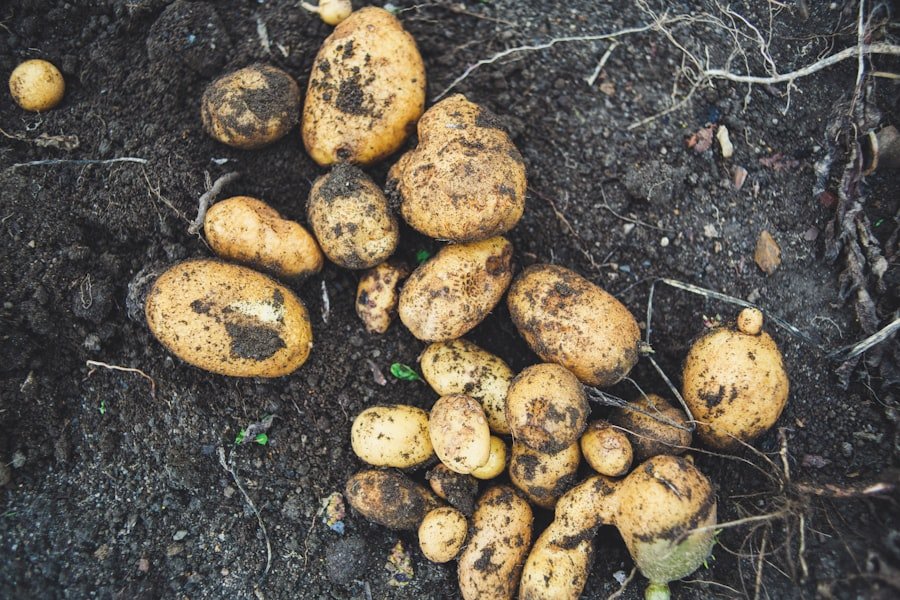
Soil preparation is a critical step in ensuring healthy potato plants and a bountiful harvest. Potatoes thrive in well-drained, loose soil that is rich in organic matter. Before planting, it is advisable to conduct a soil test to determine pH levels and nutrient content. Ideally, potato soil should have a pH between 5.8 and 6.5. If necessary, amendments such as lime or sulfur can be added to adjust the pH accordingly.
Incorporating organic matter into the soil is essential for improving its structure and fertility. Compost, well-rotted manure, or aged leaf litter can enhance soil texture and provide essential nutrients for potato growth. Tilling the soil to a depth of at least 12 inches helps to aerate it and allows for better root development.
Additionally, creating raised beds can improve drainage and prevent waterlogging, which is particularly important in areas with heavy clay soils.
The Importance of Sunlight and Temperature for Potato Growth
| Factors | Impact on Potato Growth |
|---|---|
| Sunlight | Essential for photosynthesis, which provides energy for plant growth |
| Temperature | Affects the rate of photosynthesis and overall plant metabolism |
| Optimal Conditions | 6-8 hours of sunlight per day; temperature range of 60-70°F |
| Impact of Insufficient Sunlight | Reduced growth, smaller tubers, and lower yield |
| Impact of Extreme Temperatures | Stunted growth, reduced tuber development, and increased susceptibility to diseases |
Potatoes are sun-loving plants that require full sunlight for optimal growth. Ideally, they should receive at least six to eight hours of direct sunlight each day. Insufficient sunlight can lead to weak plants with poor yields, as photosynthesis is crucial for energy production in plants.
In Southern California, where sunlight is abundant, positioning potato plants in areas that receive maximum exposure can significantly enhance their growth potential. Temperature also plays a vital role in potato development. Potatoes prefer cooler temperatures during their early growth stages, ideally between 60°F and 70°F.
High temperatures above 80°F can stress the plants and lead to issues such as blossom drop or tuber malformation. In Southern California’s warm climate, it may be beneficial to plant potatoes in early spring or late summer to avoid the peak heat of summer months. This strategic timing helps ensure that plants develop robustly before facing extreme temperatures.
Timing the Planting of Potatoes in Southern California
Timing is a critical factor when it comes to planting potatoes in Southern California. The ideal planting window typically falls between late February and early April for spring crops, while a second planting can occur from late July to early August for fall crops. This staggered approach allows gardeners to take advantage of the region’s mild winters while avoiding the intense heat of summer.
To determine the best planting time, local gardeners often rely on soil temperature rather than just calendar dates. Potatoes should be planted when soil temperatures reach around 45°F to 50°F, as this encourages sprouting without risking frost damage.
Tips for Planting Potatoes in Raised Beds or Containers
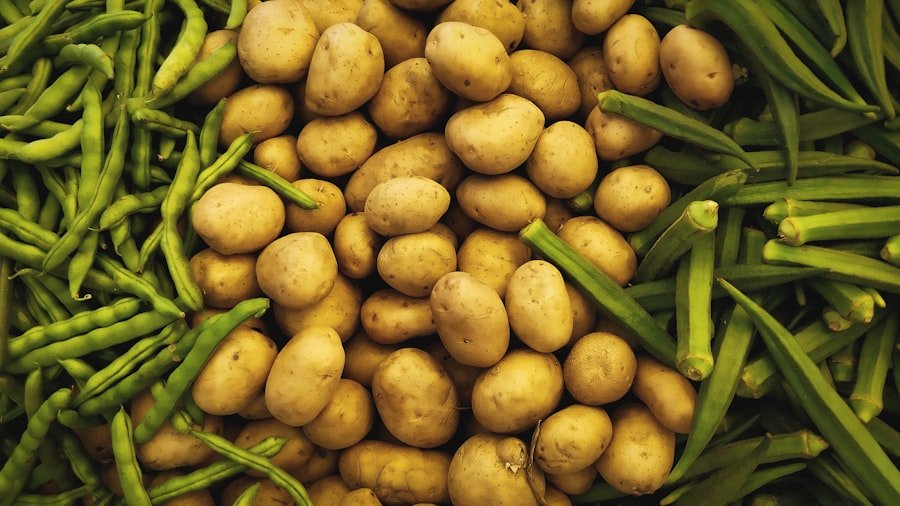
Growing potatoes in raised beds or containers has become increasingly popular among Southern California gardeners due to space constraints and improved drainage capabilities. When planting in raised beds, it is essential to ensure that the bed is at least 12 inches deep to accommodate tuber development. The soil should be well-aerated and enriched with organic matter to promote healthy growth.
For container gardening, selecting the right size pot is crucial; a container should be at least 5 gallons in capacity to allow sufficient room for tuber expansion. Drainage holes are essential to prevent waterlogging, which can lead to rot. When planting in containers, layering soil with seed potatoes placed at least 4 inches apart allows for optimal growth.
As the plants grow, additional soil can be added around the stems to encourage more tuber formation—a technique known as “hilling.”
Watering and Fertilizing Potatoes in Southern California
Water management is vital for successful potato cultivation in Southern California’s arid climate. Potatoes require consistent moisture throughout their growing season, particularly during tuber formation. A general rule of thumb is to provide about 1-2 inches of water per week, either through rainfall or irrigation systems.
Drip irrigation is often recommended as it delivers water directly to the root zone while minimizing evaporation. Fertilization also plays a significant role in potato health and yield. A balanced fertilizer with equal parts nitrogen, phosphorus, and potassium (N-P-K) can be applied at planting time to support initial growth.
As plants begin to flower, a side-dressing of fertilizer can provide additional nutrients necessary for tuber development. Organic options such as fish emulsion or compost tea can also be effective alternatives that promote healthy growth without chemical additives.
Protecting Potatoes from Pests and Diseases in Southern California
Pest management is an essential aspect of potato cultivation in Southern California due to the region’s warm climate that supports various pests and diseases. Common pests include aphids, Colorado potato beetles, and wireworms, which can cause significant damage if left unchecked. Implementing integrated pest management (IPM) strategies—such as crop rotation, companion planting with pest-repelling herbs like marigolds or basil, and regular monitoring—can help mitigate pest issues effectively.
Diseases such as late blight and powdery mildew can also pose threats to potato crops in this region. To minimize disease risk, it is crucial to practice good sanitation by removing any infected plant debris from previous seasons and ensuring proper spacing between plants for adequate air circulation. Additionally, selecting disease-resistant potato varieties can significantly reduce the likelihood of outbreaks.
Harvesting Potatoes in Southern California
Harvesting potatoes at the right time is essential for maximizing yield and quality. In Southern California, early varieties are typically ready for harvest about 70-90 days after planting, while mid-season varieties may take up to 120 days. Signs that potatoes are ready for harvest include yellowing foliage and wilting stems; however, gardeners should avoid waiting too long after these signs appear to prevent tuber damage.
When harvesting, it is advisable to use a garden fork or spade rather than a shovel to avoid bruising or cutting the tubers. Gently loosening the soil around the plants allows for easier extraction without damaging the potatoes themselves. After harvesting, it’s important to allow the tubers to cure in a cool, dark place for several days before storage; this process helps heal any minor wounds and improves storage longevity.
Storing and Using Potatoes from the Southern California Garden
Proper storage techniques are vital for maintaining the quality of harvested potatoes from Southern California gardens. Ideally, harvested potatoes should be stored in a cool (around 45°F-50°F), dark place with good ventilation to prevent sprouting and decay. A root cellar or a dark basement can serve as an excellent storage location; however, if these options are unavailable, a cardboard box or burlap sack placed in a cool pantry may suffice.
When it comes to using homegrown potatoes, their versatility shines through in various culinary applications—from mashed potatoes and fries to salads and soups. Freshly harvested potatoes often have superior flavor compared to store-bought varieties due to their freshness and lack of preservatives. Experimenting with different cooking methods can highlight their unique textures and tastes while providing an opportunity to enjoy the fruits of one’s labor.
Troubleshooting Common Issues with Growing Potatoes in Southern California
Despite careful planning and execution, gardeners may encounter challenges when growing potatoes in Southern California. One common issue is uneven watering leading to inconsistent tuber size; this can be addressed by establishing a regular watering schedule that ensures consistent moisture levels throughout the growing season. Another frequent problem is nutrient deficiency manifesting as yellowing leaves or stunted growth; conducting regular soil tests can help identify deficiencies early on so that appropriate amendments can be made promptly.
Additionally, keeping an eye out for signs of pests or diseases allows gardeners to take action before problems escalate into larger issues that could jeopardize their harvests. By understanding these common challenges and implementing proactive measures, gardeners can enhance their chances of success when cultivating potatoes in Southern California’s unique climate conditions.
FAQs
When is the best time to plant potatoes in Southern California?
The best time to plant potatoes in Southern California is in late winter or early spring, typically between February and April.
What are the ideal growing conditions for potatoes in Southern California?
Potatoes thrive in well-drained, loose soil with a pH of 5.0 to 7.0. They require full sun and moderate temperatures, making Southern California’s climate ideal for potato cultivation.
How should potatoes be planted in Southern California?
Potatoes should be planted in trenches or mounds, with the eyes facing upward and spaced about 12 inches apart. They should be planted at a depth of 3 to 4 inches.
What are some popular potato varieties for planting in Southern California?
Popular potato varieties for planting in Southern California include Yukon Gold, Russet, and Red Pontiac. These varieties are well-suited to the region’s climate and soil conditions.
How long does it take for potatoes to mature in Southern California?
Potatoes typically take 90 to 120 days to mature in Southern California. It is important to harvest them when the foliage begins to yellow and die back.