

Big Ben, one of the most iconic symbols of London, is often mistakenly referred to as the clock tower itself. In reality, Big Ben is the nickname for the Great Bell housed within the Elizabeth Tower, which stands majestically at the northern end of the Palace of Westminster. Completed in 1859, this architectural marvel was designed by Augustus Pugin in the Gothic Revival style and has since become a quintessential representation of British heritage and culture.
The tower reaches a height of 316 feet and features a clock face that measures 22 feet in diameter, making it one of the largest and most recognizable clocks in the world. The significance of Big Ben extends beyond its impressive structure and engineering. It has become a symbol of resilience, particularly during World War II when it survived bombings that devastated much of London.
The chimes of Big Ben have echoed through the city for over a century, marking the passage of time and serving as a reminder of the city’s rich history. Today, it attracts millions of visitors each year, who come to admire its grandeur and capture its beauty against the backdrop of the River Thames.
Key Takeaways
- Big Ben is one of the most iconic landmarks in London, known for its impressive architecture and historical significance.
- London experiences a temperate maritime climate with mild temperatures and frequent rainfall throughout the year.
- The peak tourist season in London is during the summer months, from June to August, when the weather is warm and the city is bustling with visitors.
- The shoulder season in London falls in the spring and autumn months, offering pleasant weather and fewer crowds compared to the peak season.
- The off-peak season in London is during the winter months, from November to February, when the city experiences fewer tourists and lower accommodation prices.
- London hosts a variety of events and festivals throughout the year, including the Notting Hill Carnival in August and the New Year’s Eve fireworks display.
- The best time for photography in London is during the shoulder season, when the city is adorned with blooming flowers in spring or colorful foliage in autumn.
- To avoid crowds in London, consider visiting popular attractions early in the morning or late in the afternoon, and avoid weekends if possible.
- Special tours and events in London, such as behind-the-scenes tours of Big Ben and evening ghost walks, offer unique experiences for visitors.
- Nighttime visits to London offer a different perspective of the city, with illuminated landmarks and vibrant nightlife adding to the enchanting atmosphere.
- In conclusion, the shoulder season is recommended for visiting London, offering pleasant weather, fewer crowds, and a wide range of events and festivals to enjoy.
Weather and Climate in London
London experiences a temperate maritime climate characterized by mild temperatures and moderate rainfall throughout the year.
Average temperatures in summer range from 15°C to 25°C (59°F to 77°F), while winter temperatures typically hover between 2°C and 8°C (36°F to 46°F).
Rainfall is fairly evenly distributed across the months, with October often being one of the wettest periods. Visitors should be prepared for sudden changes in weather, as London is notorious for its unpredictable rain showers. The best approach is to dress in layers and carry an umbrella or a waterproof jacket, regardless of the season.
Spring (March to May) brings blooming flowers and longer daylight hours, while autumn (September to November) showcases vibrant foliage. Each season offers a unique perspective on the city, enhancing the experience of visiting landmarks like Big Ben.
Peak Tourist Season
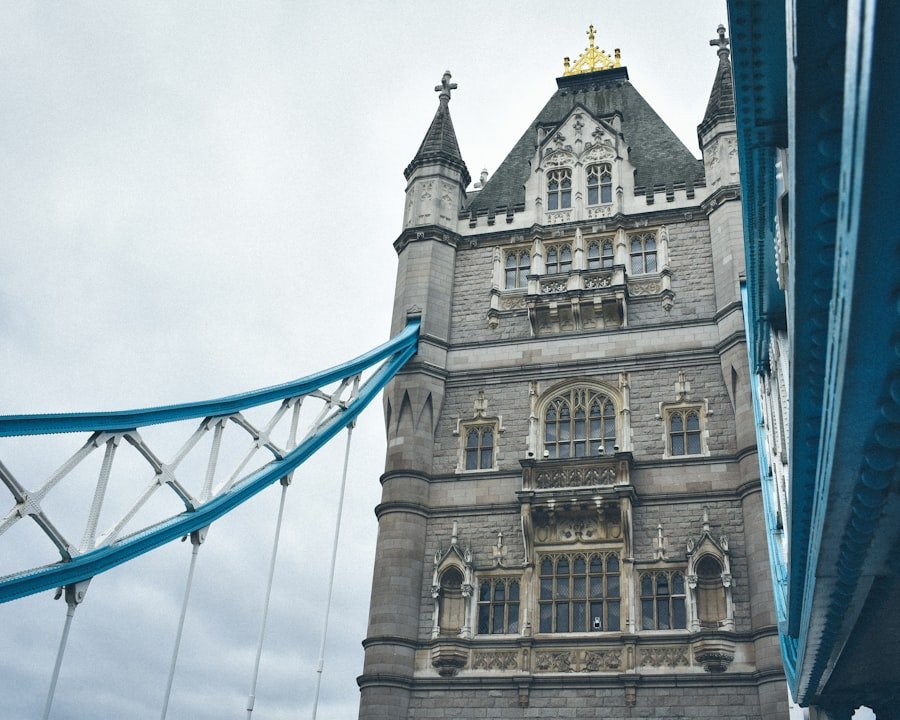
The peak tourist season in London typically spans from late spring to early autumn, specifically from June to August. During these months, the city is bustling with visitors from around the globe, drawn by the warm weather, school holidays, and numerous events. Attractions such as Big Ben are often crowded, with long lines forming for entry into nearby sites like the Houses of Parliament and Westminster Abbey.
The vibrant atmosphere during this time is palpable, as street performers entertain crowds and outdoor cafes fill with patrons enjoying al fresco dining. Traveling during peak season has its advantages; longer daylight hours allow for extended sightseeing opportunities. However, it also means higher prices for accommodations and attractions.
Hotels often charge premium rates, and popular restaurants may require reservations well in advance. For those who thrive on energy and excitement, visiting London during peak season can be exhilarating, but it requires careful planning to navigate the throngs of tourists.
Shoulder Season
The shoulder season in London occurs during the transitional months of spring and autumn—specifically April to May and September to October. This period is often considered one of the best times to visit the city due to milder weather conditions and fewer crowds compared to peak season. During these months, visitors can enjoy a more relaxed experience while still taking advantage of pleasant temperatures and blooming gardens or autumnal colors.
Traveling during the shoulder season also presents opportunities for better deals on accommodations and attractions. Many hotels offer discounts to attract visitors during these less busy months, making it an ideal time for budget-conscious travelers. Additionally, popular sites like Big Ben are more accessible, allowing for leisurely exploration without the pressure of large crowds.
The shoulder season strikes a balance between vibrant city life and a more tranquil atmosphere, making it an appealing choice for many tourists.
Off-Peak Season
The off-peak season in London generally runs from late November through March, excluding the holiday period around Christmas and New Year’s. During these months, tourist numbers significantly decline as colder weather sets in. While temperatures can drop to around 2°C (36°F) and rain is more frequent, visiting London during this time offers a unique charm that many travelers overlook.
One of the most significant advantages of visiting during the off-peak season is the opportunity to experience major attractions with minimal wait times. Big Ben and its surroundings are less crowded, allowing visitors to appreciate the intricate details of its architecture without feeling rushed. Additionally, winter festivities such as Christmas markets add a magical touch to the cityscape, creating a cozy atmosphere that contrasts with the bustling summer months.
For those willing to brave the chill, off-peak travel can lead to memorable experiences at a fraction of the cost.
Events and Festivals
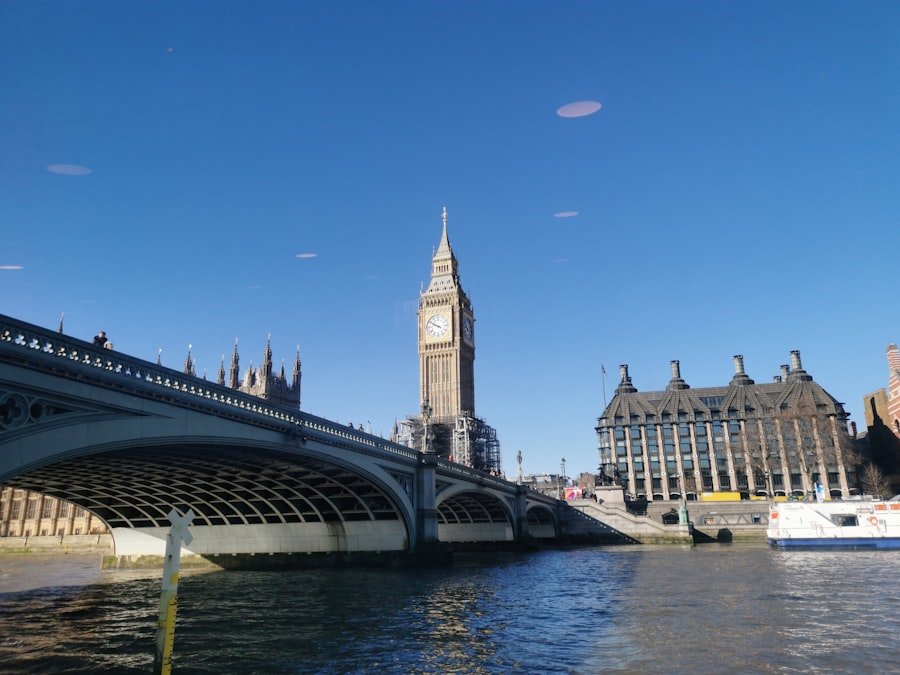
London is renowned for its vibrant events and festivals that take place throughout the year, drawing locals and tourists alike. One notable event is the New Year’s Eve fireworks display along the River Thames, where Big Ben serves as a stunning backdrop for the festivities. This annual celebration attracts thousands who gather to witness the spectacular pyrotechnics that light up the night sky as they ring in the new year.
Another significant event is the Notting Hill Carnival held every August bank holiday weekend. This colorful celebration of Caribbean culture features parades, music, dancing, and delicious food stalls that create an electrifying atmosphere throughout West London. While Big Ben may not be directly involved in these festivities, its presence adds to the overall charm of London during such vibrant occasions.
Additionally, events like the London Film Festival and various art exhibitions provide cultural enrichment for visitors year-round.
Best Time for Photography
For photography enthusiasts, capturing Big Ben against different backdrops can be a rewarding experience throughout various seasons. The golden hour—shortly after sunrise or before sunset—offers soft lighting that enhances architectural details and creates stunning reflections on the River Thames. Springtime blooms or autumn leaves can add vibrant colors to photographs taken near Westminster Bridge or along Victoria Embankment.
Moreover, winter provides unique opportunities for photography when snow blankets the city or when festive lights illuminate streets during Christmas time. The contrast between Big Ben’s historic stone façade and modern elements of London creates striking compositions that appeal to photographers seeking diverse imagery. Whether capturing candid moments with tourists or framing iconic shots of Big Ben against dramatic skies, each season presents distinct opportunities for stunning photography.
Tips for Avoiding Crowds
To make the most of a visit to Big Ben while avoiding crowds, timing is crucial. Early mornings or late afternoons are ideal for experiencing this landmark with fewer people around. Arriving right when it opens allows visitors to enjoy a quieter atmosphere before larger groups arrive later in the day.
Additionally, weekdays tend to be less crowded than weekends; planning visits during these times can enhance the overall experience. Another effective strategy is to explore lesser-known viewpoints around Westminster that offer unique perspectives on Big Ben without being overwhelmed by tourists. Locations such as St.
James’s Park or even across the river at Southbank provide excellent vantage points while allowing visitors to escape some of the hustle and bustle near Parliament Square. Utilizing public transportation instead of driving can also help avoid congestion around popular areas.
Special Tours and Events
For those looking to delve deeper into London’s history and culture surrounding Big Ben, special tours are available that provide insights into its significance and architecture. Guided tours often include access to areas not typically open to the public, such as inside Parliament or exclusive viewing points that enhance understanding of this iconic structure’s role in British governance. Additionally, themed events such as “Big Ben After Dark” offer unique experiences where visitors can enjoy evening tours accompanied by storytelling about its history and significance within London’s landscape.
These special events not only provide educational value but also create memorable experiences that go beyond standard sightseeing.
Nighttime Visits
Visiting Big Ben at night presents an entirely different ambiance compared to daytime excursions. Illuminated against the night sky, Big Ben takes on an ethereal quality that captivates onlookers. The soft glow from its clock face creates a striking contrast against darkened surroundings, making it an ideal subject for nighttime photography.
Moreover, exploring Westminster at night allows visitors to appreciate its architectural beauty without daytime distractions. The tranquility of evening strolls along the Thames provides an opportunity for reflection while enjoying views of other landmarks like the London Eye or Tower Bridge illuminated in vibrant colors. Nighttime visits can evoke a sense of wonder as one contemplates both history and modernity within this iconic cityscape.
Conclusion and Recommendations
When planning a visit to Big Ben and its surrounding attractions, understanding seasonal variations can significantly enhance your experience. Whether you choose to visit during peak tourist season for lively energy or opt for off-peak months for tranquility, each time offers unique advantages worth considering. Engaging with local events or special tours can deepen your appreciation for this historic landmark while providing opportunities for memorable experiences.
Ultimately, whether you’re capturing photographs at dawn or enjoying nighttime views along the Thames, Big Ben remains an enduring symbol of London’s rich heritage waiting to be explored by all who venture into this vibrant city.
If you are planning a trip to London to see Big Ben, you may also want to check out this article on Tagline Today about the Top Tourist Attractions in London. This article provides valuable information on other must-see sights in the city, helping you make the most of your visit.
FAQs
What is the best time to visit Big Ben?
The best time to visit Big Ben is early in the morning or late in the evening to avoid the crowds of tourists.
What is the best month to visit Big Ben?
The best months to visit Big Ben are during the shoulder seasons of spring (April to June) and autumn (September to October) when the weather is mild and the tourist crowds are smaller.
Is there a specific day of the week that is best to visit Big Ben?
Weekdays are generally less crowded than weekends, so visiting Big Ben on a weekday is recommended for a more peaceful experience.
Are there any times of the year to avoid visiting Big Ben?
It is best to avoid visiting Big Ben during the peak tourist season of summer (July and August) when the attraction is most crowded.
What is the best time of day to take photos of Big Ben?
The best time of day to take photos of Big Ben is during the golden hours of sunrise or sunset when the light is soft and the crowds are smaller.