

London’s weather is famously unpredictable, characterized by a maritime temperate climate that brings mild temperatures and variable conditions throughout the year. The city experiences four distinct seasons, each with its own unique weather patterns. Winters are generally cool, with average temperatures hovering around 2 to 8 degrees Celsius (36 to 46 degrees Fahrenheit).
Snowfall is rare but can occur, often melting quickly. Spring brings a gradual warming, with temperatures ranging from 8 to 15 degrees Celsius (46 to 59 degrees Fahrenheit), and the city begins to bloom with flowers and greenery, making it a picturesque time to visit. Summer in London can be pleasantly warm, with average highs reaching 20 to 25 degrees Celsius (68 to 77 degrees Fahrenheit), although heatwaves can push temperatures even higher.
Rain is still a possibility, as London is known for its sporadic showers, which can occur at any time of the year. Autumn sees a return to cooler temperatures, typically between 10 and 18 degrees Celsius (50 to 64 degrees Fahrenheit), and the foliage in parks and gardens transforms into vibrant hues of red and gold. Understanding these seasonal variations is crucial for visitors planning their trips, as they can significantly influence the overall experience.
Key Takeaways
- London’s weather is unpredictable, with frequent rain and mild temperatures throughout the year.
- Peak tourist seasons in London are during the summer months and around major holidays.
- Off-peak times to visit London are during the winter months, particularly January and February.
- Weather significantly affects tourist crowds in London, with sunny days drawing larger crowds to outdoor attractions.
- High season prices in London are from June to August, while low season prices are from November to March.
- Special events and festivals in London, such as the Notting Hill Carnival and Wimbledon, attract large crowds and may impact your visit.
- To beat the crowds in London, consider visiting popular attractions early in the morning or late in the evening.
- The best times for outdoor activities in London are during the spring and summer months when the weather is milder.
- London’s weather can impact sightseeing, so be prepared for rain and plan indoor activities as well.
- Planning your visit around London’s public holidays can affect crowd sizes and availability of attractions and services.
- Make the most of your visit to London by researching and booking attractions and events in advance to avoid disappointment.
Peak Tourist Seasons in London
The peak tourist seasons in London generally align with the warmer months, particularly from late spring through early autumn. May through September sees an influx of visitors, drawn by the pleasant weather and extended daylight hours. During this period, iconic attractions such as the British Museum, Buckingham Palace, and the Tower of London experience heavy foot traffic.
The summer months, especially July and August, are particularly crowded as families take advantage of school holidays. This surge in tourism not only affects the number of visitors at major sites but also impacts accommodation availability and pricing. Events such as the Notting Hill Carnival in August and the Wimbledon Tennis Championships in July further amplify the number of tourists during these months.
The vibrant atmosphere created by street festivals, outdoor concerts, and cultural events makes summer an exciting time to explore London. However, visitors should be prepared for long queues at popular attractions and higher prices for hotels and restaurants. The bustling energy of the city during peak season can be exhilarating, but it also requires careful planning to navigate the crowds effectively.
Off-Peak Times to Visit London
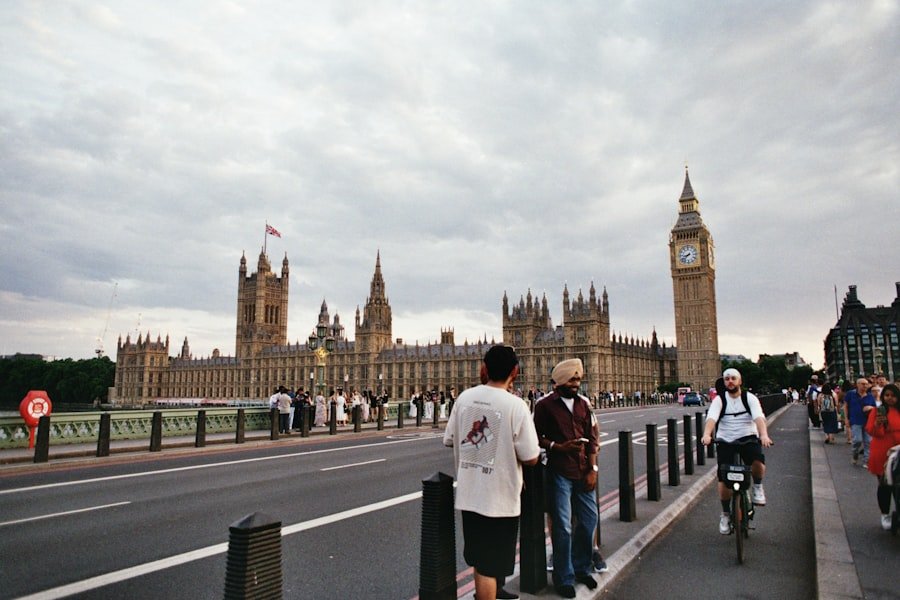
For those looking to avoid the throngs of tourists, visiting London during off-peak times can be a rewarding experience. The months of November through March are typically considered off-peak, with January and February being the quietest months. During this period, visitors can enjoy a more relaxed atmosphere at major attractions, often without the long wait times that characterize peak season.
The cooler weather may deter some travelers, but for many, it offers an opportunity to explore the city at a leisurely pace.
Hotel rates tend to drop significantly outside of peak season, making it easier for budget-conscious travelers to find affordable accommodations.
Additionally, many attractions offer discounted entry fees or special promotions during these quieter months. The holiday season in December brings its own charm, with festive decorations and Christmas markets adding a unique flair to the city. While the weather may be chilly, the experience of wandering through twinkling lights and seasonal festivities can be enchanting.
How Weather Affects Tourist Crowds in London
Weather plays a pivotal role in shaping tourist crowds in London. Rainy days often lead to a decrease in foot traffic at outdoor attractions such as parks and markets, while sunny days can draw large crowds to popular sites. For instance, on a bright summer day, visitors flock to places like Hyde Park or the South Bank, where outdoor activities abound.
Conversely, inclement weather can drive tourists indoors to museums and galleries, resulting in increased attendance at these venues. The unpredictability of London’s weather means that tourists must remain flexible in their plans. A sudden downpour might prompt visitors to seek shelter in nearby cafes or shops, leading to crowded indoor spaces.
Conversely, a surprise sunny day can lead to spontaneous outings and longer lines at attractions that were previously less busy. Understanding these dynamics allows travelers to make informed decisions about when and where to visit based on current weather conditions.
London’s High and Low Season Prices
The fluctuation of prices in London is closely tied to the tourist seasons. During high season—typically from late spring through early autumn—accommodation rates soar due to increased demand. Hotels in central locations can charge premium prices, especially during major events or holidays.
For example, a hotel room that costs £150 per night in January may jump to £300 or more during July or August. This price surge extends beyond lodging; restaurants and attractions may also raise their prices during peak times. In contrast, low season offers significant savings for travelers willing to brave cooler temperatures.
Many hotels lower their rates substantially from November through March, making it an ideal time for budget travelers or those seeking a more tranquil experience. Additionally, restaurants may offer special deals or prix fixe menus during off-peak times to attract diners. Visitors can take advantage of these lower prices while still enjoying many of London’s cultural offerings without the crowds.
Special Events and Festivals in London

London is a city rich in cultural events and festivals throughout the year, each offering unique experiences that draw both locals and tourists alike. Major events such as the New Year’s Day Parade kick off January with vibrant displays of music and dance across the city streets. In June, the Trooping the Colour ceremony celebrates the Queen’s official birthday with a grand parade featuring soldiers in traditional uniforms and horse-drawn carriages.
The summer months are particularly lively with events like the Thames Festival and Pride in London, which showcase the city’s diversity and creativity. Autumn brings the London Film Festival and various food festivals that highlight culinary delights from around the world. These events not only enhance the cultural fabric of London but also influence tourist patterns; visitors often plan their trips around these festivities to immerse themselves in local traditions.
Tips for Beating the Crowds in London
Navigating London’s bustling tourist spots can be daunting, especially during peak seasons. However, there are several strategies that travelers can employ to beat the crowds effectively. One of the most effective methods is to visit popular attractions early in the morning or later in the afternoon when foot traffic tends to be lighter.
For instance, arriving at the British Museum right when it opens allows visitors to explore its vast collections without feeling rushed or overwhelmed by crowds. Another useful tip is to consider visiting lesser-known attractions or neighborhoods that offer unique experiences away from the main tourist hubs. Areas like Greenwich or Hampstead Heath provide beautiful scenery and historical significance without the overwhelming crowds found at more famous sites.
Additionally, utilizing public transportation during off-peak hours can make getting around the city more manageable, allowing travelers to enjoy their time without being stuck in congested areas.
Best Times for Outdoor Activities in London
London’s outdoor activities are best enjoyed during spring and summer when temperatures are mild and gardens are in full bloom. Parks such as Kew Gardens and Regent’s Park become vibrant havens for picnics, leisurely strolls, or outdoor sports during these months. The long daylight hours provide ample opportunity for exploration; visitors can take advantage of extended evenings to enjoy sunset views from locations like Primrose Hill or along the Thames River.
Autumn also presents a beautiful backdrop for outdoor activities as leaves change color and create stunning landscapes across parks and gardens. Events like open-air cinema screenings or food festivals often take place during this season, allowing visitors to enjoy both nature and culture simultaneously. While winter may not seem ideal for outdoor pursuits due to colder temperatures, activities such as ice skating at Somerset House or winter walks through Hyde Park can still provide memorable experiences.
London’s Weather and Its Impact on Sightseeing
The weather in London significantly influences sightseeing experiences throughout the year. On sunny days, iconic landmarks such as Buckingham Palace or Tower Bridge become even more picturesque against a clear blue sky, attracting larger crowds eager to capture perfect photographs. Conversely, rainy days may lead some tourists to reconsider their plans; however, this can also present an opportunity for those willing to embrace the elements.
Indoor attractions like museums and galleries often see increased attendance on dreary days as visitors seek refuge from rain or cold temperatures. The British Museum or Tate Modern can provide enriching experiences while staying dry indoors. Additionally, many attractions offer discounts or special promotions during inclement weather periods to encourage visitors despite less-than-ideal conditions.
Planning Your Visit Around London’s Public Holidays
Public holidays play a significant role in shaping travel plans for those visiting London. Major holidays such as Christmas Day and New Year’s Day see many attractions closed or operating on reduced hours; thus, it’s essential for travelers to plan accordingly if their visit coincides with these dates. Conversely, holidays like Easter or bank holidays often bring special events or activities that enhance the visitor experience.
For example, during Easter weekend, many churches host special services while various attractions may offer themed events or family-friendly activities. Understanding how public holidays affect opening hours and local customs allows travelers to maximize their time in London while ensuring they don’t miss out on unique experiences tied to these occasions.
Making the Most of Your Visit to London
To truly make the most of a visit to London requires thoughtful planning that takes into account various factors such as weather patterns, peak seasons, special events, and personal interests. Creating an itinerary that balances popular attractions with hidden gems ensures a well-rounded experience that captures both iconic sights and local culture. Utilizing resources like guided tours or local apps can provide valuable insights into navigating the city efficiently while discovering lesser-known spots.
Flexibility is key; being open to adjusting plans based on weather conditions or unexpected opportunities can lead to memorable experiences that might not have been part of the original itinerary. Engaging with locals through markets or community events can also enrich one’s understanding of London beyond its tourist façade. Ultimately, a well-planned visit that considers all these elements will allow travelers to fully immerse themselves in everything this vibrant city has to offer.
If you’re planning a trip to London, you may also want to check out this article on com/’>Tagline Today about general terms of use and conditions for travel.
Understanding the rules and regulations can help ensure a smooth and enjoyable visit to the city. Additionally, feel free to reach out to the team at Tagline Today for any questions or assistance with your travel plans by visiting their contact page.
FAQs
What is the best time to visit London for good weather?
The best time to visit London for good weather is during the summer months of June, July, and August. These months typically have warmer temperatures and longer daylight hours.
When is the best time to visit London to avoid crowds?
To avoid crowds, it is best to visit London during the shoulder seasons of spring (March to May) and autumn (September to November). During these times, tourist attractions are less crowded compared to the peak summer months.
When is the best time to visit London for lower prices?
The best time to visit London for lower prices is during the winter months of December to February. During this time, hotel rates and airfare tend to be more affordable compared to the peak summer season.
What is the peak tourist season in London?
The peak tourist season in London is during the summer months of June, July, and August. During this time, the city experiences an influx of tourists, resulting in higher prices and larger crowds at popular attractions.
What is the weather like in London during the different seasons?
London experiences mild and relatively temperate weather throughout the year. Summers are typically warm with occasional rain, while winters are cool with occasional snowfall. Spring and autumn offer mild temperatures and colorful foliage.