

The British Museum, located in the heart of London, stands as one of the most significant cultural institutions in the world. Established in 1753, it houses a vast collection of art and antiquities that span over two million years of history. The museum’s mission is to educate and inspire visitors through its extensive array of artifacts, which include the Rosetta Stone, the Elgin Marbles, and countless other treasures from ancient civilizations.
With over six million visitors annually, the British Museum is not only a repository of human history but also a vibrant center for research and public engagement. The museum’s architecture is equally impressive, featuring a blend of classical and modern design elements. The Great Court, with its stunning glass roof, serves as a focal point for visitors and provides access to various galleries.
The museum’s commitment to accessibility ensures that everyone can enjoy its offerings, with free admission to the permanent collection. This openness invites a diverse audience, from scholars and students to families and tourists, all eager to explore the rich tapestry of human achievement encapsulated within its walls.
Key Takeaways
- The British Museum is a world-renowned institution located in London, housing a vast collection of art and artifacts from around the globe.
- London experiences a temperate maritime climate, with mild temperatures and frequent rainfall throughout the year.
- The peak tourist season at the British Museum typically occurs during the summer months, from June to August, when the weather is warm and schools are on break.
- The off-peak tourist season at the British Museum is during the winter months, from November to February, when the weather is cold and rainy, and tourist numbers are lower.
- Special events and exhibits at the British Museum can draw large crowds, so it’s best to check the museum’s calendar for upcoming attractions.
Weather and Seasons in London
London’s weather is famously unpredictable, characterized by a temperate maritime climate that brings mild temperatures and variable conditions throughout the year. The city experiences four distinct seasons: spring, summer, autumn, and winter. Spring, from March to May, often sees blooming flowers and gradually warming temperatures, making it a delightful time for outdoor exploration.
However, visitors should be prepared for occasional rain showers that can occur without warning. Summer months, particularly June through August, are typically warm and attract a surge of tourists. Average temperatures can reach up to 25°C (77°F), but heatwaves are not uncommon.
This season also brings longer daylight hours, allowing for extended visits to attractions like the British Museum. Autumn, spanning September to November, showcases beautiful foliage as the leaves change color. The weather begins to cool down, and while rain becomes more frequent, it can still be a pleasant time to visit.
Winter months, particularly December through February, are cold and often damp, with temperatures averaging around 5°C (41°F). Despite the chill, the festive atmosphere during the holiday season can add a unique charm to a visit.
Peak Tourist Season at the British Museum
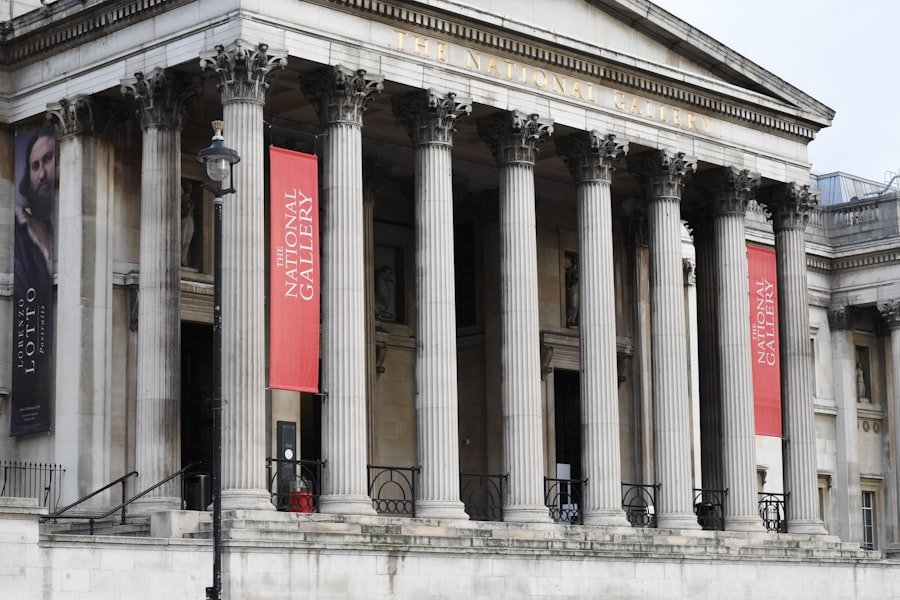
The peak tourist season at the British Museum coincides with the summer months and major holidays. From late June through August, families and international travelers flock to London to take advantage of school vacations and warm weather. During this time, the museum can become quite crowded, especially on weekends and during school holidays.
Visitors may find themselves navigating through throngs of people as they attempt to view popular exhibits. In addition to summer, other peak periods include major holidays such as Christmas and Easter. The museum often sees an influx of visitors during these times as families seek cultural experiences during their time off.
Special exhibitions or events may also draw larger crowds, making it essential for visitors to plan their trips accordingly if they wish to avoid long lines and crowded galleries.
Off-Peak Tourist Season at the British Museum
Conversely, the off-peak tourist season at the British Museum typically occurs during the late autumn and winter months, excluding the holiday period. From late September through early November and again from January to March, visitor numbers tend to dwindle significantly.
Visiting during off-peak times allows for a more leisurely pace when viewing exhibits. Art enthusiasts can take their time absorbing the details of each artifact without feeling rushed or jostled by fellow visitors. Additionally, this period often features shorter wait times for guided tours and special programs, making it an ideal choice for those seeking a deeper understanding of the museum’s collections.
Special Events and Exhibits
The British Museum regularly hosts special events and temporary exhibitions that showcase specific themes or collections. These events can significantly enhance a visitor’s experience by providing unique insights into particular aspects of history or culture. For instance, exhibitions focusing on ancient Egypt or Mesopotamia often feature artifacts that are not part of the permanent collection, offering a rare opportunity to see items that are usually stored away.
In addition to exhibitions, the museum organizes lectures, workshops, and family-friendly activities throughout the year. These events are designed to engage visitors of all ages and backgrounds, fostering a deeper appreciation for art and history. Attending these special events can provide context and enrich the overall experience of visiting the museum.
Best Times for Avoiding Crowds
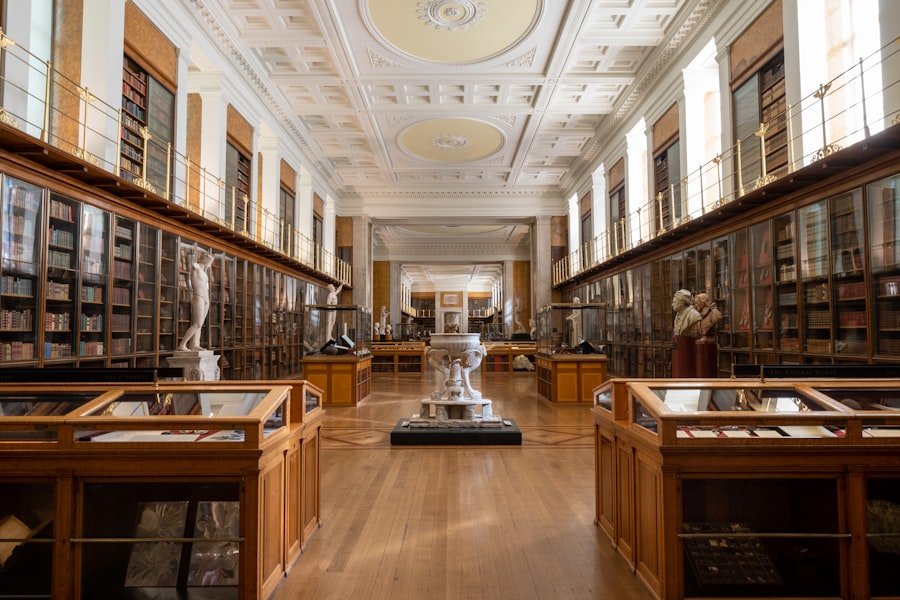
For those looking to avoid crowds at the British Museum, timing is crucial. Early mornings right when the museum opens are often the best times to visit if one wishes to experience popular exhibits with minimal interference from other visitors. Weekdays tend to be less crowded than weekends; thus, planning a visit on a Tuesday or Wednesday can lead to a more enjoyable experience.
Additionally, visiting during off-peak seasons—particularly in January or February—can provide an even quieter atmosphere. During these months, many tourists have returned home after the holiday season, allowing for a more relaxed exploration of the museum’s vast collections. Late afternoons closer to closing time can also be advantageous; many visitors tend to leave earlier in anticipation of dinner or evening plans.
Best Times for Special Tours and Programs
The British Museum offers various special tours and programs designed to enhance visitors’ understanding of its collections. These tours often require advance booking due to limited availability and high demand during peak seasons. To secure a spot on these tours without facing overwhelming crowds, it is advisable to schedule them during off-peak times or weekdays.
For example, guided tours focusing on specific themes—such as ancient civilizations or art history—are typically less crowded during mid-week mornings or early afternoons. Additionally, some programs cater specifically to families or children; these sessions may be less popular during school hours when parents are less likely to bring their children for educational outings.
Tips for Making the Most of Your Visit
To maximize enjoyment at the British Museum, visitors should consider several practical tips. First and foremost is planning ahead; reviewing the museum’s website for current exhibitions and events can help prioritize which areas to explore first. Creating a rough itinerary based on personal interests ensures that must-see artifacts are not missed amidst the vast collection.
Another valuable tip is utilizing audio guides or mobile apps available at the museum. These resources provide in-depth information about specific exhibits and artifacts, enriching the visitor experience with historical context and storytelling. Additionally, taking breaks in designated areas or cafes within the museum can help recharge energy levels while allowing time for reflection on what has been seen.
Recommended Times for Families with Children
Families visiting the British Museum should consider specific times that cater best to children’s attention spans and energy levels. Mornings are generally ideal; arriving shortly after opening allows families to enjoy popular exhibits before they become crowded. Engaging children with interactive exhibits or family-friendly programs can also enhance their experience.
During school holidays or weekends when families are more likely to visit together, it is beneficial to arrive early or opt for less popular days like Mondays or Tuesdays. The museum often hosts family workshops that provide hands-on activities related to current exhibitions; participating in these programs can make learning about history fun and engaging for younger visitors.
Best Times for Budget Travelers
Budget travelers looking to make the most of their visit to the British Museum should take advantage of free admission to its permanent collection while also considering timing strategies that minimize costs associated with travel and accommodation. Visiting during off-peak seasons not only reduces crowd sizes but may also lead to lower prices on nearby hotels or hostels. Additionally, planning visits around free events or special exhibitions can enhance the experience without incurring extra costs.
Many museums in London offer free entry on certain days or times; checking for such opportunities can help budget-conscious travelers maximize their cultural experiences without overspending.
Conclusion and Final Recommendations
In summary, visiting the British Museum offers an unparalleled opportunity to engage with human history through its extensive collections and special events. By understanding seasonal weather patterns and peak tourist times, visitors can strategically plan their trips for optimal enjoyment. Whether seeking solitude among ancient artifacts or participating in family-friendly programs, there are numerous ways to tailor a visit that aligns with individual preferences and needs.
Ultimately, whether one is traveling solo, with family, or on a budget, careful planning can lead to an enriching experience at one of the world’s most iconic museums. Embracing flexibility in scheduling while remaining aware of crowd dynamics will ensure that every visitor leaves with lasting memories of their time spent exploring this remarkable institution.
If you’re planning a visit to the British Museum, you may also be interested in checking out an article on Tagline Today that discusses the top museums to visit in London. This article provides valuable insights into other cultural institutions in the city that are worth exploring alongside the British Museum. It can help you plan a comprehensive itinerary for your trip and make the most of your time in London.
FAQs
What are the best times to visit the British Museum?
The best times to visit the British Museum are during the weekdays, especially in the morning when it is less crowded.
What is the best month to visit the British Museum?
The best month to visit the British Museum is during the shoulder seasons of spring (April to June) and autumn (September to November) when the weather is mild and the crowds are smaller.
Are there any specific days to avoid visiting the British Museum?
It is best to avoid visiting the British Museum during weekends and public holidays when it tends to be more crowded.
What are the busiest times at the British Museum?
The British Museum is typically busiest during the summer months (July and August) and during school holidays.
Is there a time of day when the British Museum is less crowded?
The British Museum is generally less crowded in the early morning and late afternoon, especially during the weekdays.
Are there any special events or exhibitions that may affect the best time to visit the British Museum?
Visitors should check the British Museum’s website for information on special events and exhibitions that may affect the best time to visit.