

Wheeler National Wildlife Refuge sits along the Tennessee River near Decatur in northern Alabama. It is a top spot for birdwatchers and nature lovers. Established in 1938, the refuge covers about 35,000 acres and was created as a wintering area for ducks, geese, and other migratory birds.
Today, the refuge protects wetlands, woods, and open fields. These habitats draw many birds in spring and fall. Winter brings cranes and waterfowl.
Key takeaways
- The refuge is a major stop for migratory birds and wintering waterfowl and cranes in northern Alabama.
- Spring (March–May) and fall (September–November) are strong for migration; late November through January is prime for cranes and waterfowl.
- Expect a wide variety of birds—over 300 species have been documented on the refuge.
- Bring binoculars, stay on trails, and keep a respectful distance to avoid disturbing wildlife.
- Look for seasonal programs and events (such as the Festival of the Cranes) hosted by the refuge and local partners.
The best times to birdwatch at Wheeler Refuge
Timing matters because the birds change through the year.
Spring and fall are prime times for birdwatching thanks to migration.
Spring migration (March–May) brings songbirds and other migrants moving north. Fall migration (September–November) can be just as rewarding as birds head south and waterfowl start building in numbers.
Winter (December–February) is a highlight for many visitors. Waterfowl and crane numbers often build through late fall and can peak in winter. Raptors such as bald eagles may be present (though not guaranteed).
Notable birds you can see
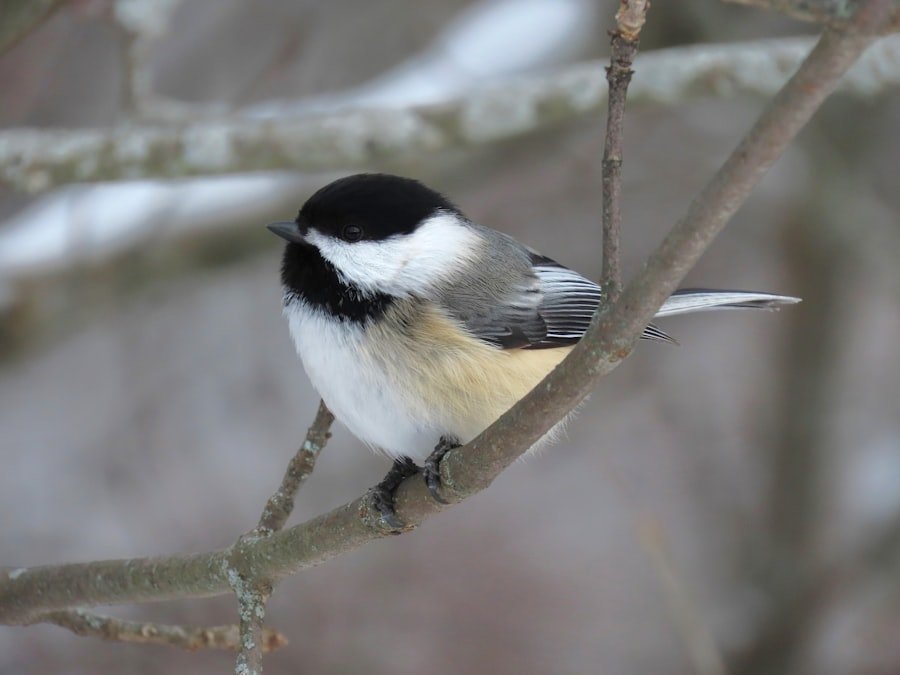
The refuge is well known for wintering sandhill cranes and the chance—on some days—to spot the endangered whooping crane. The refuge reports cranes begin arriving in late November and often peak in early January, with some of the best viewing from the Observation Building near the visitor center.
Beyond cranes, you can see many ducks, wading birds like great blue herons, and shorebirds along mudflats and shorelines. Over the course of a year, the refuge has documented hundreds of bird species, so every season offers something different.
Tips for birding
| Tip | Description |
|---|---|
| Bring binoculars | Binoculars help you spot and identify birds at a distance without approaching too closely. |
| Wear neutral colors | Muted clothing helps you blend in and avoid startling wildlife. |
| Respect wildlife | Keep your distance, stay on trails, and avoid flushing birds—especially cranes and other sensitive species. |
| Check conditions before you go | Hours, road work, and temporary closures can change; review current refuge updates before visiting. |
| Stay quiet and be patient | Many of the best sightings come from waiting and listening, especially early and late in the day. |
Bring a field guide or bird ID app. Walk through different habitats (wetlands, fields, and woods) to see more species.
Birding events and tours
The refuge and local partners often offer ranger-led programs, guided bird walks, and seasonal events. One of the best-known is the Festival of the Cranes, typically held in January to celebrate wintering sandhill and whooping cranes.
Conservation efforts
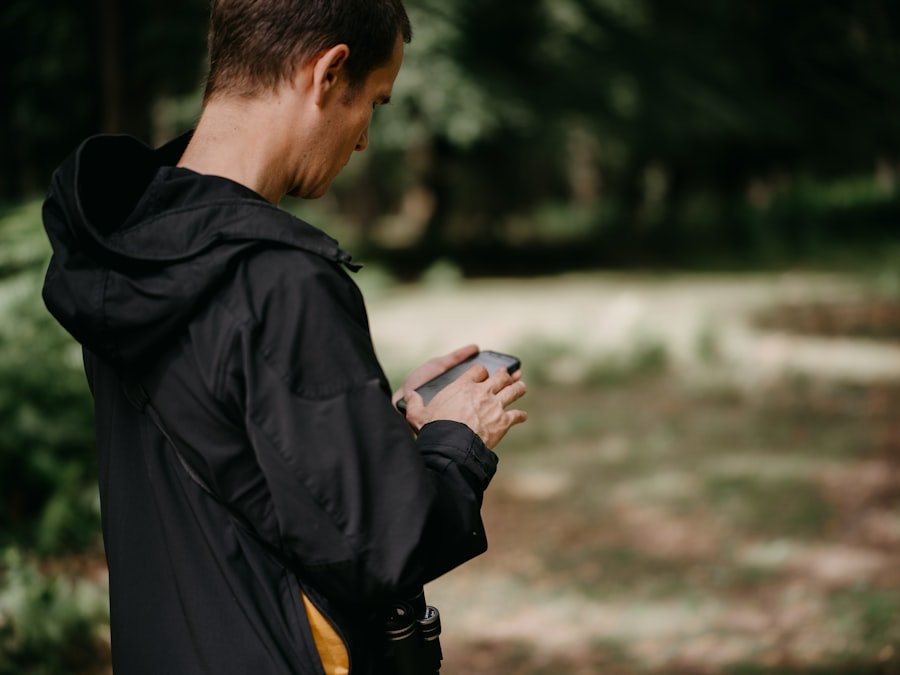
Conservation is central to the refuge’s mission. Habitat work and restoration—especially in wetlands and managed fields—helps provide feeding, resting, and roosting areas for wintering waterfowl and cranes, along with nesting habitat for many resident and migratory species. The refuge also helps manage and protect habitat for federal threatened or endangered species.
Nearby attractions and accommodations for birding enthusiasts
Many visitors base themselves in or around Decatur or Huntsville for easy access. Beyond birdwatching, the Tennessee River region offers parks, museums, and local dining.
For overnight stays, you’ll find standard hotels in nearby cities as well as regional campgrounds and RV parks. (Camping options are generally outside refuge boundaries; check local park listings for current options.)
How to support Wheeler National Wildlife Refuge
Support can be as simple as following refuge rules and staying on trails. You can also volunteer, join bird counts, or donate through local “friends” groups that support education and habitat work.
FAQs
What is Wheeler National Wildlife Refuge?
Wheeler National Wildlife Refuge is a U.S. Fish & Wildlife Service refuge in northern Alabama along the Tennessee River. Established in 1938, it was created as a wintering area for migratory birds and remains an important refuge for wildlife today.
What is birding?
Birding (birdwatching) is observing and identifying birds in their natural habitats, often with binoculars and a field guide or bird ID app.
Why is Wheeler National Wildlife Refuge a popular destination for birding?
The refuge offers varied habitats—wetlands, forests, and fields—that attract migrating songbirds in spring and fall, plus large numbers of wintering waterfowl and cranes.
What bird species can be found at Wheeler National Wildlife Refuge?
Over 300 bird species have been documented on the refuge. Seasonal highlights can include sandhill cranes, waterfowl, wading birds, raptors, and a wide variety of migrating songbirds.
Are there guided birding tours available at Wheeler National Wildlife Refuge?
Guided programs vary by season. The refuge periodically hosts ranger-led programs and partners with local organizations for bird walks and special events.
What facilities are available for birders at Wheeler National Wildlife Refuge?
Birders can use trails, wildlife-viewing areas, and the visitor center/observation facilities in key areas of the refuge. Check current refuge information for hours, maps, and any temporary closures.
Plan ahead: For current visitor information, hours, maps, and regulations, visit the official refuge page. For a detailed species checklist, see the refuge’s current bird list (PDF).