

Murraya koenigii, commonly known as curry leaf plant, is a tropical to subtropical tree belonging to the Rutaceae family. Native to the Indian subcontinent, this aromatic plant is cherished not only for its culinary uses but also for its medicinal properties. The leaves of Murraya koenigii are a staple in various South Asian cuisines, particularly in Indian cooking, where they impart a distinct flavor to dishes such as curries, dals, and chutneys.
The plant itself can grow up to 6-15 feet tall, featuring glossy, pinnate leaves that are dark green and fragrant when crushed. In addition to its culinary significance, Murraya koenigii has a rich history in traditional medicine. It is believed to possess numerous health benefits, including anti-inflammatory, antioxidant, and antimicrobial properties.
The plant is often used in Ayurvedic practices to treat ailments ranging from digestive issues to skin conditions. With its dual role as both a culinary herb and a medicinal plant, Murraya koenigii has gained popularity among home gardeners and chefs alike, making it a valuable addition to any garden.
Key Takeaways
- Murraya Koenigii, also known as curry leaf plant, is a tropical to sub-tropical tree in the family Rutaceae.
- Growing Murraya Koenigii in your home garden provides a convenient and fresh source of curry leaves for cooking.
- Choose a sunny location with well-draining soil for your Murraya Koenigii plant to thrive.
- Murraya Koenigii requires regular watering, especially during dry periods, and benefits from occasional fertilization.
- Propagate Murraya Koenigii from seeds or cuttings, and plant in well-prepared soil for successful growth.
Benefits of Growing Murraya Koenigii in Your Home Garden
Growing Murraya koenigii in your home garden offers a plethora of benefits that extend beyond its culinary uses. One of the most significant advantages is the convenience of having fresh curry leaves at your fingertips. Freshly harvested leaves are far superior in flavor and aroma compared to dried alternatives, allowing you to enhance your dishes with vibrant taste profiles.
The ability to pluck leaves directly from your garden ensures that you always have access to this essential ingredient, elevating your cooking experience. Moreover, cultivating Murraya koenigii can contribute positively to your garden’s biodiversity.
Additionally, the presence of Murraya koenigii can deter certain pests due to its strong aroma, providing a natural form of pest control. This characteristic makes it an excellent companion plant for other herbs and vegetables in your garden, promoting a healthier growing environment.
Choosing the Right Location for Your Murraya Koenigii Plant
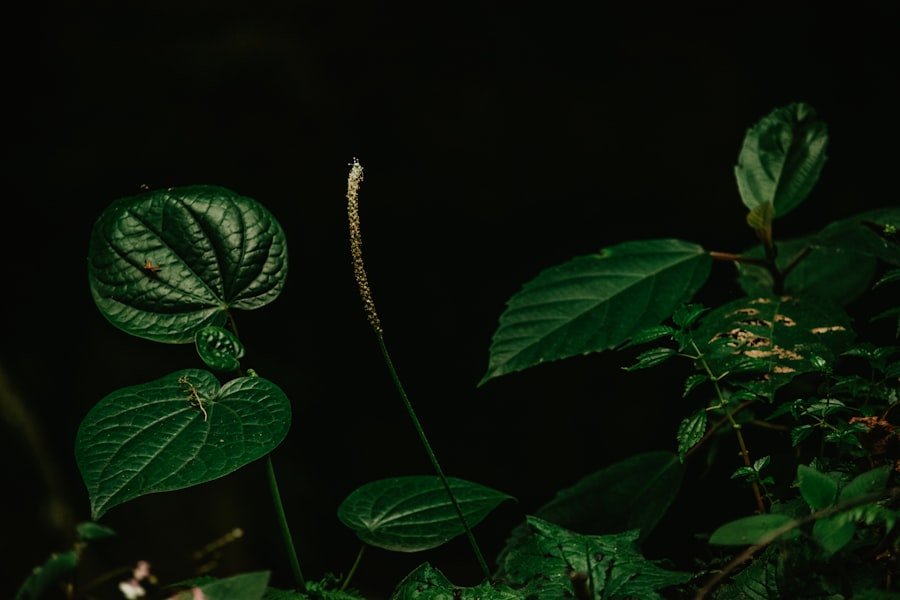
Selecting the appropriate location for your Murraya koenigii plant is vital for its growth and overall health. This plant thrives in warm climates and requires full sun exposure for optimal development. Ideally, it should receive at least six hours of direct sunlight each day.
When choosing a spot in your garden, consider areas that are sheltered from strong winds, as the plant can be susceptible to damage from harsh weather conditions. In addition to sunlight, the location should also provide adequate space for the plant to grow. Murraya koenigii can reach a height of up to 15 feet if left unpruned, so it’s essential to consider the surrounding plants and structures when planting.
If space is limited, you can opt for container gardening, which allows you to control the size of the plant while still enjoying its benefits. Ensure that the container has proper drainage holes and is large enough to accommodate the root system as it develops.
Soil and Water Requirements for Murraya Koenigii
| Soil and Water Requirements for Murraya Koenigii | |
|---|---|
| Soil Type | Well-draining, fertile soil |
| Soil pH | 6.0-7.5 |
| Watering | Regular watering, allowing the soil to dry out slightly between waterings |
| Watering Frequency | 1-2 times per week, depending on weather conditions |
| Watering Amount | Keep the soil evenly moist, but not waterlogged |
The soil requirements for Murraya koenigii are relatively straightforward but crucial for its successful growth. This plant prefers well-draining soil that is rich in organic matter. A loamy or sandy soil mix with good drainage capabilities is ideal, as it prevents waterlogging that can lead to root rot.
Incorporating compost or well-rotted manure into the soil can enhance its nutrient content and improve drainage. Watering is another critical aspect of caring for Murraya koenigii. While the plant enjoys moisture, it is essential to strike a balance; overwatering can be detrimental.
During the growing season, regular watering is necessary to keep the soil consistently moist but not soggy. As a general rule, allow the top inch of soil to dry out before watering again. In cooler months or during dormancy, reduce watering frequency as the plant requires less moisture during this time.
Propagation and Planting Tips for Murraya Koenigii
Propagation of Murraya koenigii can be achieved through seeds or cuttings, each method offering unique advantages. Seed propagation involves collecting seeds from mature plants and soaking them in water for 24 hours before planting. This process helps soften the seed coat and promotes germination.
Plant the seeds in a seed tray filled with a well-draining potting mix and keep them in a warm location with indirect sunlight until they sprout. Alternatively, taking cuttings from a healthy Murraya koenigii plant is an effective way to propagate new plants. Select semi-hardwood cuttings that are about 4-6 inches long and remove the lower leaves.
Dip the cut end in rooting hormone to encourage root development before planting them in a pot filled with moist potting mix. Covering the pot with a plastic bag or using a mini greenhouse can help maintain humidity levels until roots establish.
Pruning and Maintenance of Murraya Koenigii Plant

Pruning is an essential aspect of maintaining a healthy Murraya koenigii plant. Regular pruning encourages bushier growth and helps manage the size of the plant, especially if you are growing it in a limited space. The best time to prune is during the growing season when new growth is evident.
Remove any dead or damaged branches and trim back excessive growth to promote air circulation within the plant. In addition to pruning, routine maintenance tasks such as fertilization and monitoring for pests are crucial for optimal growth. Applying a balanced fertilizer every few months during the growing season can provide essential nutrients that support healthy foliage development.
Furthermore, keeping an eye out for signs of pests or diseases will help you address any issues promptly before they escalate into more significant problems.
Common Pests and Diseases of Murraya Koenigii and How to Manage Them
Like many plants, Murraya koenigii is susceptible to various pests and diseases that can hinder its growth and health. Common pests include aphids, spider mites, and whiteflies, which can cause damage by feeding on the sap of the leaves. To manage these pests effectively, regular inspection of the plant is essential.
If an infestation occurs, insecticidal soap or neem oil can be applied as an organic solution to eliminate these unwanted visitors without harming beneficial insects. Diseases such as powdery mildew and root rot can also affect Murraya koenigii if proper care is not taken. Powdery mildew appears as white fungal growth on leaves and can be managed by ensuring adequate air circulation around the plant and avoiding overhead watering.
Root rot, often caused by overwatering or poorly draining soil, can be prevented by adhering to proper watering practices and ensuring that the soil drains well.
Harvesting and Using Murraya Koenigii Leaves in Cooking
Harvesting Murraya koenigii leaves is a straightforward process that allows you to enjoy their aromatic flavor in various dishes. The best time to harvest is when the leaves are young and tender, typically during the growing season when the plant is actively producing new foliage. Use clean scissors or pruning shears to snip off sprigs of leaves without damaging the main stem of the plant.
In culinary applications, curry leaves are often used whole or chopped in dishes such as curries, soups, and stir-fries. Their unique flavor profile adds depth to recipes; they are particularly popular in South Indian cuisine where they are sautéed in oil with mustard seeds and other spices at the beginning of cooking.
Companion Planting with Murraya Koenigii
Companion planting is an effective gardening strategy that involves growing different plants together for mutual benefits such as pest control, improved growth rates, and enhanced flavor profiles. Murraya koenigii pairs well with several other herbs and vegetables due to its aromatic properties that can deter pests while attracting beneficial insects. For instance, planting Murraya koenigii alongside tomatoes can help repel aphids and whiteflies that commonly afflict tomato plants.
Similarly, it can be beneficial when grown near legumes like beans or peas since these plants enrich the soil with nitrogen, promoting healthier growth for all companions involved. Additionally, herbs such as basil or cilantro can thrive alongside curry leaves while enhancing overall garden biodiversity.
Where to Buy Murraya Koenigii Plant for Your Home Garden
Acquiring a Murraya koenigii plant for your home garden can be done through various channels depending on your location and preferences. Local nurseries often carry this popular herb during the growing season; visiting these establishments allows you to inspect the plants firsthand for health and vigor before making a purchase. Additionally, many nurseries offer knowledgeable staff who can provide valuable advice on care and maintenance specific to your region.
Online retailers also provide an accessible option for purchasing Murraya koenigii plants or seeds if local options are limited. Websites specializing in herbs or tropical plants often have a selection available for shipping directly to your home. When buying online, ensure that you choose reputable sellers who guarantee healthy plants and provide clear shipping guidelines to avoid any issues during transit.
Enjoying the Beauty and Flavor of Murraya Koenigii in Your Home Garden
Incorporating Murraya koenigii into your home garden not only enhances your culinary repertoire but also contributes positively to your gardening experience through its aromatic presence and ecological benefits. With proper care regarding location selection, soil conditions, watering practices, and pest management, this versatile plant can thrive beautifully in your garden space. Whether you choose to propagate it from seeds or cuttings or purchase it from local nurseries or online retailers, growing Murraya koenigii opens up a world of flavor possibilities while enriching your gardening journey with its lush foliage and delightful fragrance.
FAQs
What is a Murraya Koenigii plant?
The Murraya Koenigii plant, also known as curry leaf plant, is a tropical to sub-tropical tree in the family Rutaceae. It is native to India and is widely cultivated for its aromatic leaves, which are used in Indian cooking.
Where can I buy a Murraya Koenigii plant?
Murraya Koenigii plants can be purchased from nurseries, garden centers, and online plant retailers. It is important to ensure that the plant is sourced from a reputable seller to ensure its quality and health.
What are the ideal growing conditions for a Murraya Koenigii plant?
Murraya Koenigii plants thrive in warm, humid climates and require well-draining soil and plenty of sunlight. They can be grown in containers or directly in the ground, and are often grown as ornamental plants in addition to their culinary use.
Can I grow a Murraya Koenigii plant indoors?
Yes, Murraya Koenigii plants can be grown indoors as long as they receive adequate sunlight and are placed in a well-ventilated area. It is important to ensure that the plant is not exposed to drafts or extreme temperature fluctuations.
Are there any special care requirements for a Murraya Koenigii plant?
Murraya Koenigii plants require regular watering, especially during dry periods, and benefit from occasional fertilization. Pruning can help maintain the plant’s shape and encourage new growth. Additionally, it is important to protect the plant from pests and diseases.