

Mangoes, native to South Asia, have a rich history that dates back thousands of years. Their introduction to California can be traced back to the late 19th century when the first mango trees were planted in the state. The climate of California, particularly in regions like San Diego and the Coachella Valley, provided an ideal environment for these tropical fruits to thrive.
Early pioneers and agricultural enthusiasts recognized the potential of mango cultivation, leading to the establishment of small orchards. By the early 20th century, mangoes began to gain traction among local farmers, who experimented with different varieties and cultivation techniques. As the 20th century progressed, the popularity of mangoes in California grew steadily.
The establishment of agricultural research institutions and universities played a crucial role in advancing mango cultivation techniques. Researchers focused on breeding programs aimed at developing varieties that could withstand California’s unique climate while maintaining the fruit’s desirable taste and texture. By the 1970s, mangoes had become a staple in California’s agricultural landscape, with farmers increasingly adopting modern farming practices to enhance yield and quality.
Key Takeaways
- Mangoes were first introduced to California in the 1880s, but commercial production didn’t begin until the 1960s.
- The popularity of mangoes in California has been steadily increasing due to the state’s diverse population and growing interest in international cuisine.
- California’s warm climate and long growing season make it an ideal location for mango production, with the southern part of the state being particularly well-suited for cultivation.
- California is home to a wide variety of mango cultivars, including popular types like Haden, Keitt, and Tommy Atkins, each with its own unique flavor and texture.
- Mangoes are not only delicious, but also packed with essential nutrients like vitamin C, vitamin A, and fiber, making them a healthy addition to any diet.
The Growing Popularity of Mangoes in California
In recent years, the popularity of mangoes in California has surged dramatically, driven by a combination of factors including increased consumer awareness of health benefits, culinary versatility, and cultural influences. The rise of social media has also played a significant role in promoting mangoes as a trendy fruit, with vibrant images and recipes flooding platforms like Instagram and TikTok. This visual appeal has encouraged consumers to experiment with mangoes in their cooking and baking, further solidifying their place in Californian cuisine.
Moreover, the growing multicultural population in California has contributed to the increased demand for mangoes. Communities with strong ties to Latin American and Asian cultures have brought their culinary traditions to the forefront, incorporating mangoes into various dishes. Farmers’ markets and grocery stores have responded to this demand by expanding their offerings of fresh mangoes, dried mango products, and even mango-flavored beverages.
As a result, mangoes have transitioned from being a niche fruit to a mainstream favorite among Californians.
The Impact of California’s Climate on Mango Production
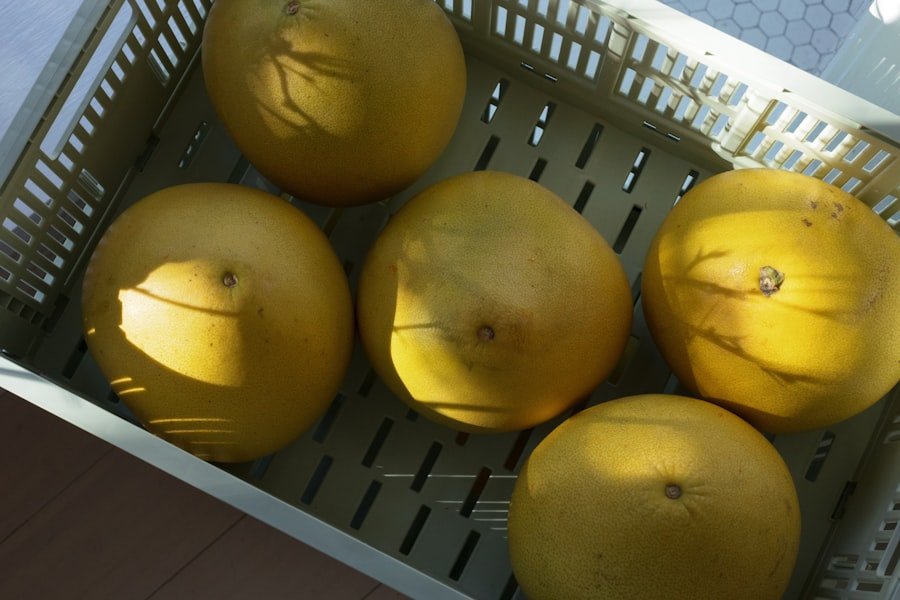
California’s Mediterranean climate is characterized by warm, dry summers and mild, wet winters, making it conducive to growing a variety of fruits, including mangoes. The state’s diverse microclimates allow for the cultivation of different mango varieties that thrive under specific conditions.
Conversely, coastal areas benefit from cooler temperatures that can help prevent heat stress on the trees. However, while California’s climate is generally favorable for mango production, it also presents challenges. The state is prone to drought conditions, which can impact water availability for irrigation.
Farmers must implement efficient water management practices to ensure their mango orchards receive adequate moisture without depleting local water resources. Additionally, fluctuations in temperature can affect flowering and fruit set, necessitating careful monitoring and management by growers to maximize yields.
The Diversity of Mango Varieties in California
| Mango Variety | Origin | Flavor | Color |
|---|---|---|---|
| Tommy Atkins | Florida | Sweet and tangy | Red and green |
| Keitt | Florida | Sweet and mild | Green |
| Haden | Florida | Sweet and rich | Red and yellow |
| Francis | Haiti | Sweet and spicy | Yellow |
California is home to a remarkable diversity of mango varieties, each with its unique flavor profile, texture, and appearance. Some of the most popular varieties cultivated in the state include Haden, Tommy Atkins, Kent, and Ataulfo. The Haden mango is known for its rich flavor and vibrant red and green skin, making it a favorite among consumers.
Tommy Atkins is often praised for its long shelf life and resistance to bruising, making it a popular choice for commercial distribution. In addition to these well-known varieties, California’s farmers are also experimenting with lesser-known cultivars that may offer unique flavors or growing advantages. For example, the Alphonso mango, often referred to as the “king of mangoes,” is celebrated for its sweetness and creamy texture but requires specific growing conditions that can be challenging to replicate in California.
As growers continue to explore new varieties and hybrids, the diversity of mangoes available in California is likely to expand further.
The Health Benefits of Mangoes
Mangoes are not only delicious but also packed with numerous health benefits that contribute to their growing popularity among health-conscious consumers. Rich in vitamins A and C, mangoes play a vital role in supporting immune function and promoting healthy skin. Vitamin A is essential for maintaining good vision and skin health, while vitamin C acts as a powerful antioxidant that helps protect cells from damage caused by free radicals.
In addition to vitamins, mangoes are a good source of dietary fiber, which aids digestion and helps maintain a healthy gut. The presence of various phytochemicals in mangoes has also been linked to anti-inflammatory properties and potential cancer-fighting effects. As more people become aware of these health benefits, they are increasingly incorporating mangoes into their diets as a nutritious snack or ingredient in smoothies and salads.
The Culinary Uses of Mangoes in California
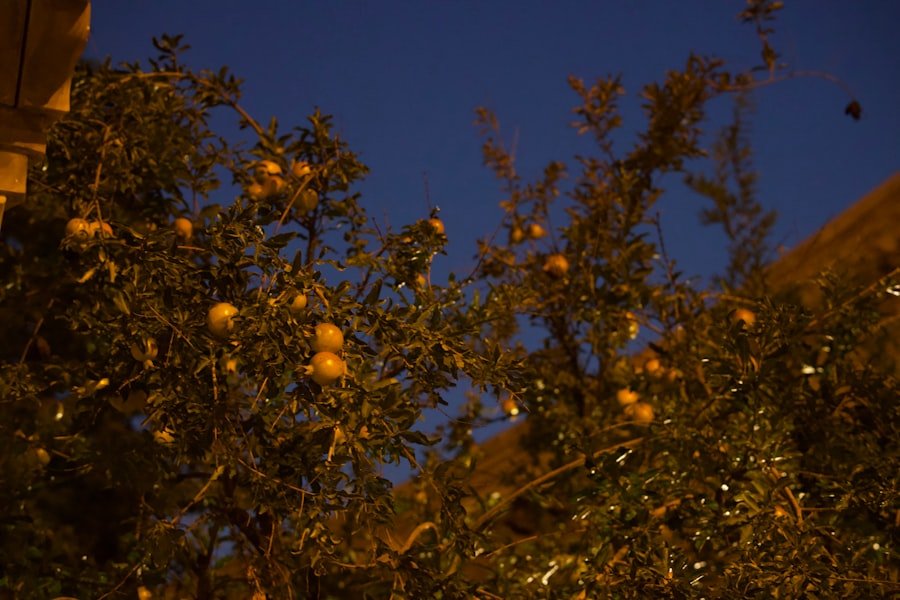
The culinary versatility of mangoes has made them a beloved ingredient in many Californian kitchens. From fresh salads to salsas and desserts, mangoes can be used in a wide array of dishes that highlight their sweet and tangy flavor. In California’s diverse culinary landscape, chefs are creatively incorporating mangoes into both traditional and contemporary recipes.
One popular dish is mango salsa, which combines diced mango with ingredients like red onion, cilantro, lime juice, and jalapeños for a refreshing accompaniment to grilled fish or chicken. Additionally, mangoes are often featured in tropical smoothies or blended into sorbets that capture the essence of summer. The fruit’s natural sweetness makes it an excellent addition to baked goods such as muffins or cakes, where it can enhance flavor while reducing the need for added sugars.
The Economic Impact of the Mango Industry in California
The economic impact of the mango industry in California is significant, contributing millions of dollars to the state’s agricultural economy each year. As consumer demand for fresh produce continues to rise, farmers are increasingly investing in mango cultivation as a viable business opportunity. The growth of local farmers’ markets has also provided an avenue for small-scale growers to sell their products directly to consumers, fostering community engagement and supporting local economies.
Moreover, the export potential for California-grown mangoes is substantial. With increasing interest from international markets seeking high-quality produce, California’s mango industry has the opportunity to expand its reach beyond domestic consumers. This not only enhances profitability for growers but also positions California as a key player in the global fruit market.
The Challenges of Growing Mangoes in California
Despite the favorable climate and growing popularity of mangoes in California, growers face several challenges that can impact production. One significant issue is pest management; mango trees are susceptible to various pests such as fruit flies and scale insects that can damage crops if not properly controlled. Farmers must implement integrated pest management strategies that balance effective pest control with environmental sustainability.
Additionally, water scarcity poses a considerable challenge for mango cultivation in California. With ongoing drought conditions affecting many regions of the state, growers must adopt innovative irrigation techniques to conserve water while ensuring their trees receive adequate moisture. This may involve using drip irrigation systems or rainwater harvesting methods that help mitigate water usage without compromising fruit quality.
The Role of California in the Global Mango Market
California plays an increasingly important role in the global mango market as both a producer and innovator within the industry. While countries like India and Mexico dominate global production due to their favorable climates and established agricultural practices, California’s unique growing conditions allow for the cultivation of high-quality mango varieties that appeal to discerning consumers. As international trade continues to evolve, California’s position as a premium supplier of fresh produce has become more pronounced.
The state’s commitment to sustainable farming practices and food safety standards enhances its reputation on the global stage. Furthermore, collaborations between local growers and international distributors are paving the way for California-grown mangoes to reach markets around the world.
The Cultural Significance of Mangoes in California
Mangoes hold cultural significance for many communities within California due to their deep-rooted connections to various culinary traditions. For instance, among Mexican communities, mangoes are often enjoyed fresh or used in traditional dishes such as chamangos—mango slices drizzled with lime juice and chili powder—showcasing how this fruit has become intertwined with cultural identity. In addition to their culinary uses, mangoes are celebrated during festivals and events that honor cultural heritage.
These gatherings often feature cooking demonstrations highlighting traditional recipes that incorporate mangoes as a central ingredient. Such events not only promote appreciation for this tropical fruit but also foster community connections among diverse populations throughout California.
The Future of Mango Production in California
Looking ahead, the future of mango production in California appears promising yet requires adaptability to changing environmental conditions and consumer preferences. As climate change continues to impact agricultural practices worldwide, growers will need to embrace innovative techniques such as precision agriculture and sustainable farming methods that prioritize resource conservation.
By focusing on sustainability while meeting consumer demands for quality produce, California’s mango industry can continue to thrive as it carves out its niche within both domestic and global markets. As consumer interest in tropical fruits grows alongside an emphasis on healthful eating habits, there is ample opportunity for California’s mango industry to expand its reach further into new markets while maintaining its commitment to quality and sustainability.
FAQs
What is the climate like in California for growing mangoes?
California has a Mediterranean climate with warm, dry summers and mild, wet winters. This climate is not ideal for growing mangoes, as they thrive in tropical and subtropical regions with high humidity and consistent warmth.
Are there any areas in California where mangoes can be successfully grown?
There are a few microclimates in Southern California, particularly in the Coachella Valley and the southernmost parts of the state, where mangoes can be grown successfully. These areas have warmer temperatures and lower humidity levels compared to the rest of the state.
What are the challenges of growing mangoes in California?
The main challenges of growing mangoes in California are the climate, which is not ideal for mango cultivation, and the potential for frost damage during the winter months. Additionally, mango trees require a lot of water, which can be a challenge in California’s semi-arid regions.
Are there any commercial mango farms in California?
There are a few commercial mango farms in California, particularly in the Coachella Valley. These farms utilize microclimates and advanced farming techniques to successfully grow mangoes in the state.
Can home gardeners grow mangoes in California?
Home gardeners in California can grow mangoes in certain microclimates, particularly in the southern parts of the state. It is important to choose the right mango variety and provide the tree with proper care, including protection from frost and consistent watering.