

If the idea that camping in Organ Pipe Cactus National Monument is just a hot, cactus-studded drive-through is true, you’ll find out fast once you camp here. This guide helps you choose between Twin Peaks, Alamo Canyon, group sites, and backcountry zones. You’ll also learn how permits work and how to plan for desert heat, water, and limited services.
Key takeaways
- Twin Peaks is the main developed campground (tent and RV sites) with restrooms, showers, and no hookups.
- Alamo Canyon is a small, primitive tent-only campground. Backcountry camping requires a permit and has strict stay and fire rules.
- Plan for the desert: bring a stove, carry plenty of water, and don’t count on reliable cell service.
About the Organ Pipe Cactus and Where to See It
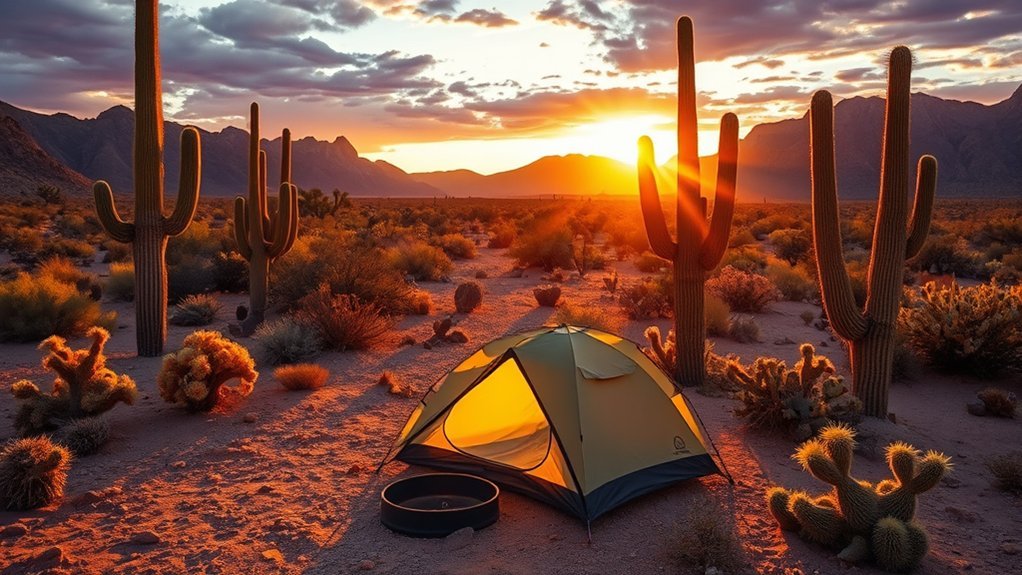
The organ pipe cactus (Stenocereus thurberi) has tall, pipe-like arms and can reach 15–20+ feet in good conditions. It grows slowly and can take decades to mature. In late spring and early summer, its flowers open at night and close by mid-morning. Nectar-feeding bats are among the key pollinators.
For reliable viewing, base yourself at Twin Peaks Campground and explore nearby trails and scenic drives. Senita Basin is another popular area for desert plant viewing. Treat the campground and trails in the park as sensitive habitat: carry water, stay on marked hiking trails, and observe without disturbing wildlife or plants.
Campgrounds: Twin Peaks, Alamo Canyon, and Group Sites
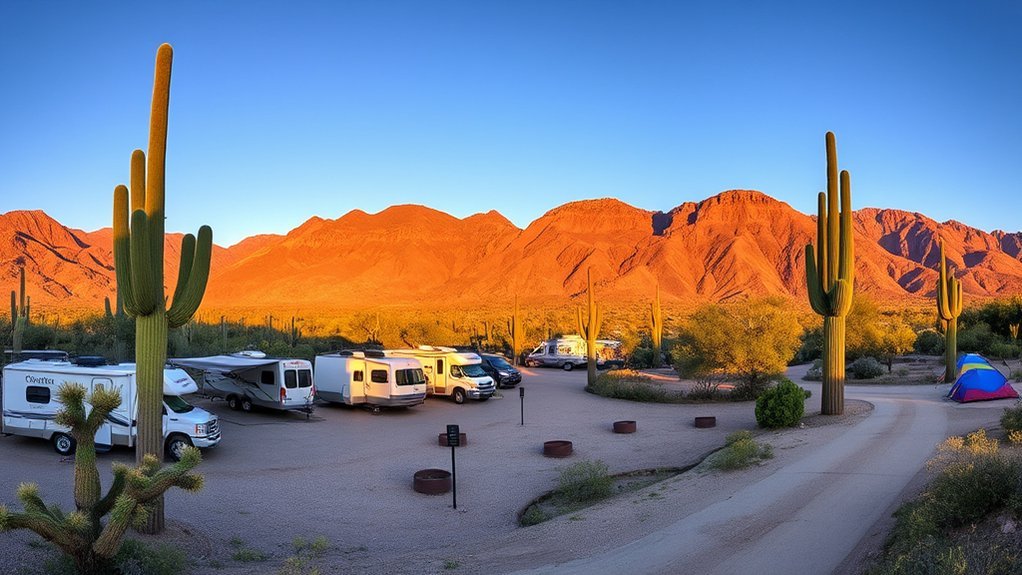
If you want to camp among those towering Organ Pipes, plan to stay at one of the monument’s developed or primitive campgrounds, or book a group site.
- Twin Peaks Campground (developed): 208 sites total (34 tent-only, 174 RV sites). Several sites can accommodate RVs up to about 45 feet. There are restrooms with running water, and some have solar-heated showers. There’s also a dump station and potable water. No electricity, water, or sewer hookups are available. Standard sites are $20 per night (as of 2026-01-31), with a 50% discount for Senior or Access pass holders.
- Alamo Canyon Campground (primitive): 4 tent-only sites at the mouth of Alamo Canyon. RVs and trailers are not permitted. The fee is $16 per night (as of 2026-01-31), with a 50% discount for Senior or Access pass holders. Fires are prohibited, so plan on a stove.
- Group camping (at Twin Peaks): 4 group sites for 18–45 people. The group-site fee is $50 per night and does not receive Senior/Access discounts. There are no hookups.
Reservations for Twin Peaks and Alamo Canyon are handled through Recreation.gov (search the monument name and campground). Group sites also require reservations.
Backcountry Camping Zones, Permits, and Regulations
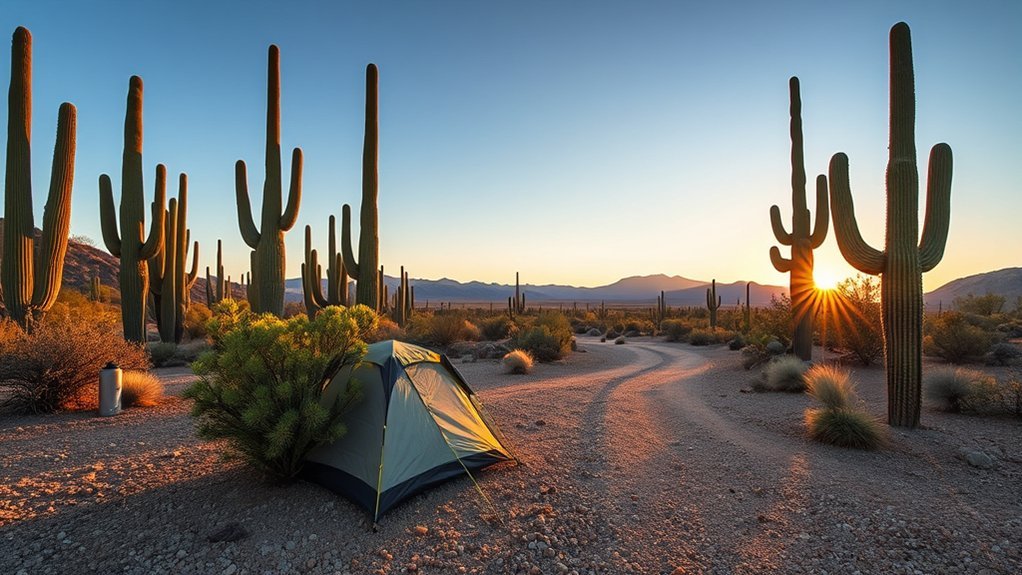
You’ll need a backcountry camping permit to camp overnight in Organ Pipe’s designated backcountry zones. Permits are issued at the Kris Eggle Visitor Center. The permit fee is $5 (no Senior/Access discount).
Backcountry stays are limited to 7 total nights, with no more than 2 consecutive nights at the same campsite.
| Rule | Requirement |
|---|---|
| Permit cost | $5 per permit (no Senior/Access discount) |
| Stay limit | Up to 7 days; max 2 consecutive nights per campsite |
| Where to camp | ≥ ½ mile from roads, historic sites, and water sources |
| Fire policy | No fires; use a stove or canned heat |
Backcountry rules are strict. No car camping is allowed, and driving or parking off designated roads is prohibited. Pets are not allowed in the backcountry.
Pack out all trash (including toilet paper). Bury human waste in a 6-inch cat hole. Camp on durable surfaces and follow Leave No Trace.
Essential Desert Camping Gear and Safety Tips
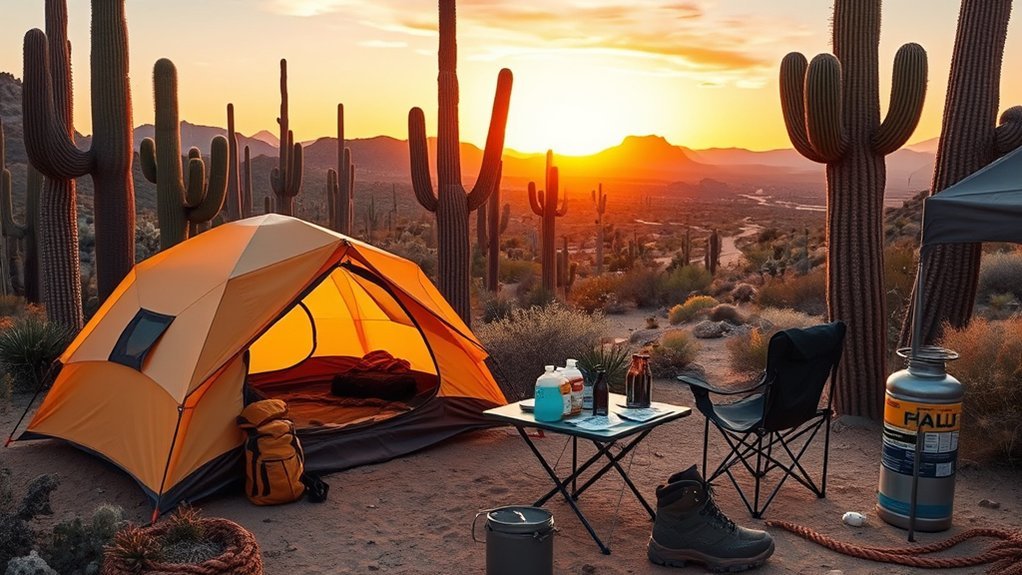
Once you’ve picked a campsite (or a backcountry zone), gear and safety take over. What you bring matters in the desert.
- Shelter and sun: a well-ventilated tent, shade, and sun protection.
- Cooking: a reliable stove (fires aren’t permitted in the backcountry, and Alamo Canyon prohibits fires).
- Water: carry more than you think you’ll need, and don’t rely on finding water outside developed areas.
- First aid: include tweezers for cactus spines and blister care.
- Night checks: use a headlamp and watch for scorpions and other nocturnal creatures around camp.
If you’re driving, protect your vehicle from packrats by keeping the hood area less inviting (for example, propping the hood and using lights in the engine compartment). Pack out all trash and brief your group on desert risks and night routines.
Hiking Routes, Dog-Friendly Trails, and Wildlife Awareness
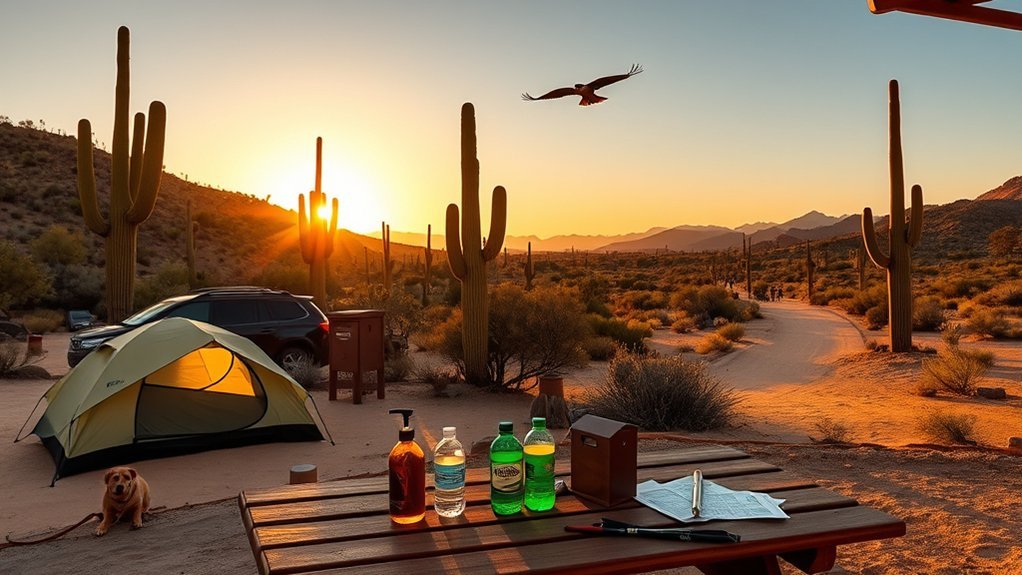
Organ Pipe offers over 28 miles of established hiking trails. There are also scenic drives and designated backcountry zones for cross-country travel.
Start early to avoid heat. Carry water and sun protection, and give wildlife plenty of space—especially around washes and springs. Before you drive, check current park alerts for any road closures.
Pets are allowed on limited routes. The Palo Verde Trail is pet-friendly and connects the Kris Eggle Visitor Center and Twin Peaks Campground. Keep pets on a 6-foot (or shorter) leash, avoid hot surfaces, and pack out waste.
- Choose morning hikes to avoid midday heat.
- Bring water and electrolytes.
- Wear protective clothing and sturdy boots.
- Keep dogs leashed where pets are allowed.
- Photograph wildlife from a distance; don’t disturb.
Frequently Asked Questions
Are There Potable Water Fill Stations Near the Campgrounds?
Twin Peaks Campground has potable water and a dump station. Alamo Canyon and the backcountry have no potable water. Carry what you need, and confirm current water status at the visitor center when you arrive.
Is Dispersed Car Camping Allowed Outside Designated Sites?
No. Dispersed roadside car camping is not allowed in the monument. Camp in designated campgrounds, reserved group sites, or in permitted backcountry zones (backpacking only—no car camping).
Are Campfire Rings or Wood Provided at Sites?
Plan to cook on a stove. Fires are not permitted in the backcountry and are prohibited at Alamo Canyon. At Twin Peaks, follow posted fire restrictions and never collect native wood.
What Phone Carrier Has the Best Signal in the Monument?
Cell service is spotty in the monument. Verizon tends to work best, but you should plan for limited or no reception. The Kris Eggle Visitor Center has free Wi-Fi for calling, and on-site phones for emergencies only.
Are Seasonal Closures for Roads or Sites Common During Monsoon?
During monsoon summer (typically mid-July through September), flash flooding can trigger temporary daytime road closures for visitor safety. Check current alerts, weather, and road conditions before you drive.
Conclusion
You’ve got the facts and the feel of Organ Pipe Cactus National Monument—now go see it. Pitch your tent at Twin Peaks, keep it simple at Alamo Canyon, or backpack into a backcountry zone with a permit. Pack water, a stove, maps, and common sense. Follow posted rules, respect wildlife and night skies, and savor the Sonoran Desert’s quiet rewards.