

Tomato plants, scientifically known as Solanum lycopersicum, are among the most popular and widely cultivated vegetables in home gardens and commercial farms alike. To thrive, these plants require specific environmental conditions, including adequate sunlight, water, and nutrients. Sunlight is particularly crucial, as tomatoes are phototropic, meaning they grow towards light.
Ideally, tomato plants need at least six to eight hours of direct sunlight daily to produce healthy fruit. Insufficient light can lead to leggy growth, poor fruit set, and increased susceptibility to diseases. In addition to light, tomato plants have particular water and nutrient requirements.
They prefer well-draining soil rich in organic matter, which helps retain moisture while allowing excess water to escape. Tomatoes are heavy feeders, requiring a balanced supply of nitrogen, phosphorus, and potassium. Nitrogen promotes leafy growth, phosphorus supports root development and flowering, and potassium enhances fruit quality.
Understanding these fundamental needs is essential for any gardener looking to cultivate healthy tomato plants, especially in less-than-ideal conditions such as shaded areas.
Key Takeaways
- Understanding the specific needs of tomato plants is crucial for successful growth in shaded areas.
- Shade can have a significant impact on the growth and yield of tomato plants, requiring careful consideration and planning.
- Choosing the right variety of tomato plants that are well-suited for shaded areas is essential for optimal results.
- Providing adequate water and nutrients is important for the healthy growth of tomato plants in shaded areas.
- Maximizing natural light and considering the use of artificial lighting can help to ensure the successful growth of tomato plants in shaded areas.
The Impact of Shade on Tomato Plants
Reduced Energy Production
In shaded environments, tomatoes may struggle to produce the energy needed for robust growth and fruit development, leading to smaller yields. This is because photosynthesis is hindered, making it difficult for the plants to convert light energy into the chemical energy required for growth.
Altered Microclimate
Shade can alter the microclimate around tomato plants. Shaded areas tend to retain moisture longer than sunlit spots, which can lead to increased humidity levels. While this might seem beneficial, excessive moisture can create a breeding ground for fungal diseases such as powdery mildew and blight.
Increased Susceptibility to Pests and Diseases
Additionally, shaded tomatoes may become more susceptible to pests that thrive in humid conditions. Understanding these dynamics is crucial for gardeners who wish to grow tomatoes successfully in shaded areas. By recognizing the challenges posed by shade, gardeners can take steps to mitigate its effects and promote healthy, productive tomato plants.
Choosing the Right Variety for Shaded Areas
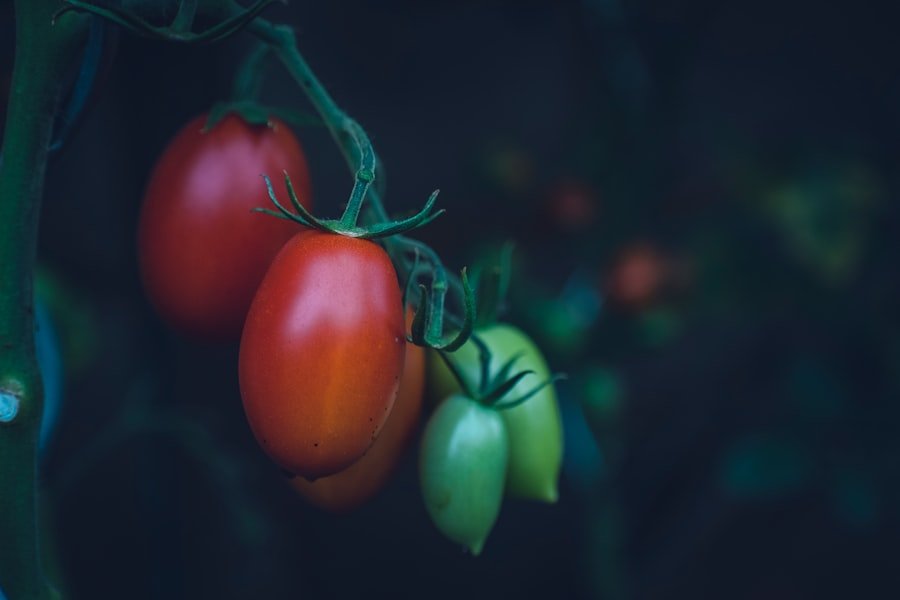
Selecting the appropriate variety of tomato is vital when growing in shaded conditions. Some tomato varieties are more tolerant of low-light environments than others. For instance, determinate varieties like ‘Patio Princess’ or ‘Tiny Tim’ are compact and can adapt better to limited sunlight compared to larger indeterminate varieties that require more space and light for optimal growth.
These compact varieties often produce fruit earlier in the season, making them ideal for gardeners with shorter growing seasons or those dealing with shaded areas. Another option is to consider heirloom varieties known for their resilience in less-than-ideal conditions. Varieties such as ‘Brandywine’ or ‘Cherokee Purple’ have been cultivated for generations and may exhibit better adaptability to shade than modern hybrids.
Additionally, some cherry tomato varieties are known for their ability to produce fruit even with reduced light exposure. By carefully selecting the right variety, gardeners can enhance their chances of a successful tomato harvest in shaded environments.
Providing Adequate Water and Nutrients
| Metrics | 2019 | 2020 | 2021 |
|---|---|---|---|
| Water Usage (gallons) | 500,000 | 480,000 | 510,000 |
| Nutrient Levels (ppm) | 150 | 160 | 155 |
| Soil Moisture (%) | 25 | 30 | 28 |
Watering practices play a crucial role in the health of tomato plants, especially when grown in shaded areas where moisture retention can be higher.
It is essential to monitor soil moisture levels regularly and adjust watering schedules accordingly.
A good practice is to water deeply but infrequently, allowing the top inch of soil to dry out between watering sessions. This encourages deep root growth and helps the plant access nutrients more effectively. In terms of nutrients, incorporating organic matter such as compost or well-rotted manure into the soil before planting can significantly improve soil fertility.
Additionally, using a balanced fertilizer throughout the growing season can help meet the nutritional needs of tomato plants. A fertilizer with a higher phosphorus content can be particularly beneficial during the flowering stage, promoting better fruit set. Regularly testing soil pH and nutrient levels can also guide adjustments in fertilization practices, ensuring that tomato plants receive the necessary nutrients for optimal growth.
Maximizing Natural Light in Shaded Areas
Even in shaded environments, there are strategies that gardeners can employ to maximize natural light exposure for their tomato plants. One effective method is to strategically position plants near reflective surfaces such as walls or fences that can bounce light onto the plants. This technique can help increase the amount of light that reaches the foliage without requiring direct sunlight.
Another approach is to utilize vertical gardening techniques. By growing tomatoes on trellises or stakes, gardeners can elevate the plants above competing foliage or structures that may cast shade. This not only improves light access but also enhances air circulation around the plants, reducing humidity levels that can lead to disease.
Additionally, pruning surrounding vegetation or using companion planting strategies can help create openings for light penetration while maintaining a healthy ecosystem in the garden.
Using Artificial Lighting for Tomato Plants in Shade
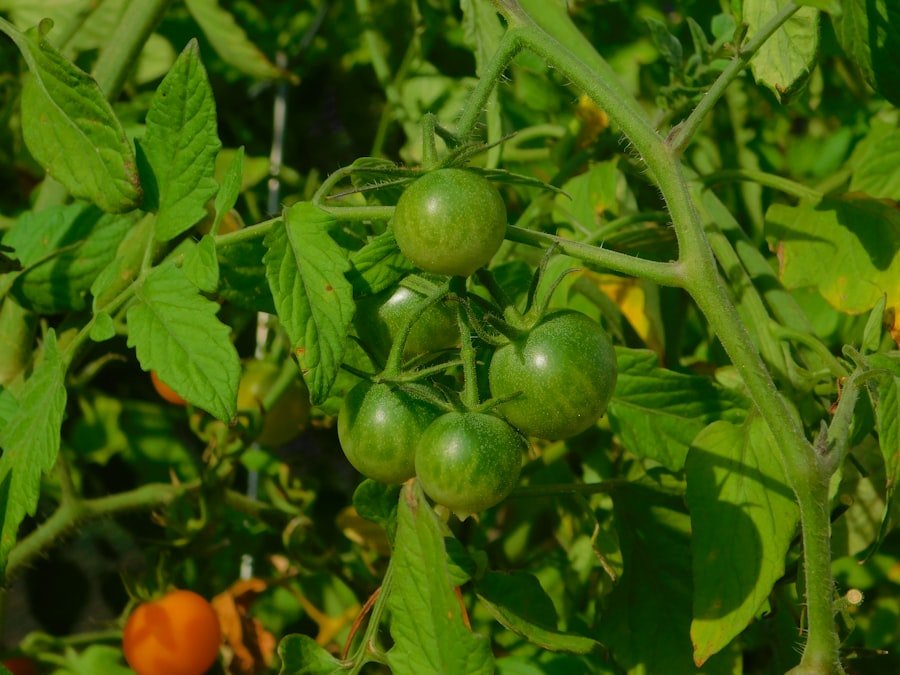
In situations where natural light is insufficient for tomato plants, artificial lighting can be an effective solution. Grow lights designed specifically for plant growth emit wavelengths of light that are beneficial for photosynthesis. LED grow lights are particularly popular due to their energy efficiency and low heat output.
These lights can be positioned above or around tomato plants to supplement natural light during critical growth stages. When using artificial lighting, it is essential to consider the duration and intensity of exposure. Tomato plants typically benefit from 12 to 16 hours of light per day during their growing phase.
Timers can be employed to automate lighting schedules, ensuring consistent exposure without requiring constant manual adjustments. Additionally, positioning lights at an appropriate distance from the plants prevents overheating while maximizing light absorption.
Protecting Tomato Plants from Extreme Temperatures in Shade
Shaded areas can experience temperature fluctuations that may adversely affect tomato plants. While shade can protect against excessive heat during peak summer months, it can also lead to cooler temperatures during early spring or late fall when frost is a concern. To mitigate these risks, gardeners should consider using row covers or cloches during colder nights to trap heat around the plants.
Conversely, during periods of excessive heat even in shaded areas, it is crucial to ensure adequate ventilation around tomato plants. High humidity levels combined with elevated temperatures can lead to stress on the plants and increase susceptibility to diseases. Utilizing fans or creating airflow through strategic plant placement can help maintain a more stable microclimate conducive to healthy growth.
Pruning and Training Tomato Plants in Shade
Pruning is an essential practice for maintaining healthy tomato plants, especially when grown in shaded conditions. By removing suckers—small shoots that develop in the leaf axils—gardeners can direct more energy towards fruit production rather than excessive foliage growth. This practice not only improves air circulation but also allows more light to penetrate through the plant canopy.
Training tomato plants using trellises or cages further enhances their ability to thrive in shade by keeping them upright and exposed to available light sources. Vertical growth reduces competition with surrounding vegetation while promoting better airflow around the leaves and fruit clusters. Regularly inspecting and adjusting ties or supports ensures that plants remain well-positioned as they grow.
Dealing with Pests and Diseases in Shaded Tomato Plants
Shaded environments can create favorable conditions for certain pests and diseases that thrive in high humidity levels. Fungal diseases such as blight or powdery mildew may become more prevalent when air circulation is limited and moisture levels are high. Implementing preventive measures such as crop rotation and selecting disease-resistant varieties can help mitigate these risks.
Common pests like aphids or spider mites may be attracted to stressed plants with reduced vigor due to inadequate light exposure. Employing integrated pest management strategies—such as introducing beneficial insects like ladybugs or using organic insecticidal soaps—can effectively control pest populations while minimizing harm to the environment.
Harvesting and Yield Expectations in Shaded Areas
Harvesting expectations for tomatoes grown in shaded areas may differ from those cultivated in full sun. While it is possible to achieve a reasonable yield with careful management practices, gardeners should be prepared for smaller fruit sizes and lower overall production compared to sunlit environments. The timing of harvest may also vary; tomatoes grown in shade may take longer to ripen due to slower growth rates.
To maximize yield potential, it is essential to monitor fruit development closely and harvest at peak ripeness for optimal flavor and quality. Regularly checking for signs of maturity—such as color change and firmness—ensures that fruits are picked at their best stage for consumption or sale.
Tips for Successful Tomato Growing in Shade
Successful tomato cultivation in shaded areas requires a combination of careful planning and adaptive strategies. First and foremost, selecting appropriate varieties suited for low-light conditions lays a solid foundation for success. Additionally, implementing practices such as proper watering techniques and nutrient management ensures that plants receive adequate support throughout their growth cycle.
Maximizing available light through reflective surfaces or vertical gardening techniques enhances growth potential even in less-than-ideal conditions. Regular monitoring for pests and diseases allows for timely interventions that protect plant health while maintaining productivity levels. By embracing these strategies and remaining flexible in their approach, gardeners can enjoy a fruitful harvest of tomatoes even from shaded plots.
FAQs
Can tomato plants grow in shade?
Yes, tomato plants can grow in partial shade, but they will not produce as much fruit as plants grown in full sun.
How much sunlight do tomato plants need?
Tomato plants ideally need at least 6-8 hours of direct sunlight per day to thrive and produce a good crop of fruit.
What are the effects of growing tomato plants in shade?
Tomato plants grown in shade may produce fewer fruits, have slower growth, and be more susceptible to diseases and pests.
Can tomato plants tolerate some shade?
Yes, tomato plants can tolerate some shade, especially in hot climates where they may benefit from some relief from the intense sun.
What are some tips for growing tomato plants in shade?
If growing tomato plants in shade, choose varieties that are more tolerant of lower light conditions, provide supplemental lighting if possible, and ensure the soil is rich in nutrients to support healthy growth.