

Curing garlic is a time-honored practice that transforms freshly harvested bulbs into flavorful, long-lasting ingredients. This process not only enhances the garlic’s taste but also extends its shelf life, allowing home cooks and chefs alike to enjoy the robust flavor of garlic throughout the year. Curing involves drying the garlic bulbs in a controlled environment, which helps to reduce moisture content and develop the characteristic pungency that garlic is known for.
The art of curing garlic is steeped in tradition, with various methods passed down through generations, each with its own nuances and techniques. The benefits of curing garlic extend beyond mere preservation. Properly cured garlic can develop a sweeter, milder flavor compared to its raw counterpart, making it a versatile ingredient in a wide range of culinary applications.
Additionally, curing garlic can help to prevent sprouting and decay, ensuring that your harvest remains usable for months. As more people embrace home gardening and sustainable living practices, understanding how to cure garlic effectively has become an essential skill for anyone looking to maximize their harvest and enjoy the fruits of their labor.
Key Takeaways
- Curing garlic is a simple process that involves drying freshly harvested garlic to preserve it for long-term storage.
- Select the right type of garlic for curing, such as hardneck or softneck varieties, and ensure it is harvested at the right time for optimal flavor and storage quality.
- Prepare your garage for garlic curing by creating a well-ventilated, dark, and dry environment with good air circulation to prevent mold and spoilage.
- Harvest garlic when the lower leaves have turned brown and begin to dry, and handle the bulbs gently to avoid bruising or damaging the outer skin.
- Clean and prepare garlic for curing by removing excess soil and trimming the roots and tops, being careful not to remove too much of the outer skin.
Selecting the Right Garlic for Curing
Choosing the right variety of garlic is crucial for successful curing. There are two primary types of garlic: hardneck and softneck. Hardneck varieties, such as Rocambole and Porcelain, are known for their robust flavors and complex aromas.
They typically produce fewer cloves per bulb but are favored for their superior taste and ability to thrive in colder climates. Softneck varieties, like Silverskin and Artichoke, are more commonly found in grocery stores and are characterized by their higher clove count and longer shelf life. When selecting garlic for curing, consider your local climate, personal taste preferences, and intended use.
In addition to variety, the quality of the bulbs is paramount. Look for firm, plump bulbs with tight skins and no signs of mold or decay. Avoid bulbs that are soft or have begun to sprout, as these will not cure well and may spoil quickly.
Ideally, select garlic that has been grown organically or without chemical treatments, as this can impact both flavor and storage longevity. By carefully selecting high-quality bulbs, you set the stage for a successful curing process that yields flavorful results.
Preparing Your Garage for Garlic Curing
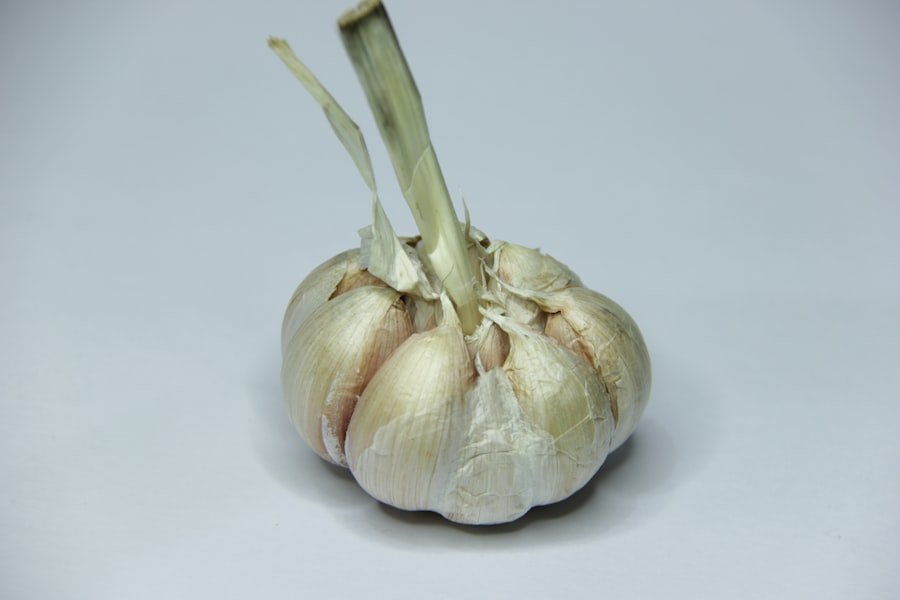
The garage can be an ideal location for curing garlic due to its typically cool, dark, and well-ventilated environment. Before you begin the curing process, it’s essential to prepare the space adequately. Start by cleaning the area to remove any dust or debris that could harbor pests or mold.
Ensure that the garage is free from strong odors or chemicals that could affect the garlic’s flavor during the curing process. If necessary, consider using a dehumidifier to maintain optimal humidity levels, as excessive moisture can lead to rot. Ventilation is another critical factor in preparing your garage for curing garlic.
Good airflow helps to prevent mold growth and ensures even drying of the bulbs. If your garage lacks adequate ventilation, consider opening windows or using fans to promote air circulation. Additionally, you may want to designate a specific area within the garage for curing garlic, keeping it separate from other items that could introduce contaminants or odors.
By creating a clean and well-ventilated space, you lay the groundwork for successful garlic curing.
Harvesting Garlic for Curing
| Stage | Time | Temperature | Humidity |
|---|---|---|---|
| Harvesting | Early morning | 60-70°F | 60-70% |
| Curing | 2-3 weeks | 70-80°F | 60-70% |
Timing is everything when it comes to harvesting garlic for curing. The ideal moment to harvest is when the lower leaves of the plant begin to yellow and die back while the upper leaves remain green.
Harvesting too early can result in immature bulbs that lack flavor and storage longevity, while waiting too long can lead to split bulbs and reduced quality. When harvesting garlic, use a garden fork or spade to gently loosen the soil around the bulbs before pulling them from the ground. Take care not to bruise or damage the bulbs during this process, as any injuries can lead to rot during curing.
Once harvested, shake off excess soil but avoid washing the bulbs with water; moisture can hinder the curing process. Instead, allow them to dry in a shaded area for a few hours before moving them to your prepared garage for curing.
Cleaning and Preparing Garlic for Curing
After harvesting, it’s essential to clean and prepare your garlic bulbs properly before curing them. Begin by trimming off any excess roots with scissors or pruning shears, taking care not to cut into the bulb itself. This step helps reduce the risk of rot during the curing process while also making storage easier later on.
Next, remove any loose outer layers of skin that may be damaged or dirty; however, leave at least one or two layers intact to protect the bulb during curing. Once cleaned, inspect each bulb carefully for signs of damage or disease. Discard any bulbs that show signs of mold, soft spots, or other imperfections.
It’s also advisable to separate any bulbs that have begun to sprout, as these will not store well and may affect the quality of your cured garlic. By taking the time to clean and prepare your garlic properly, you ensure that only the best bulbs are used in the curing process, leading to superior flavor and longevity.
Hanging Garlic to Cure
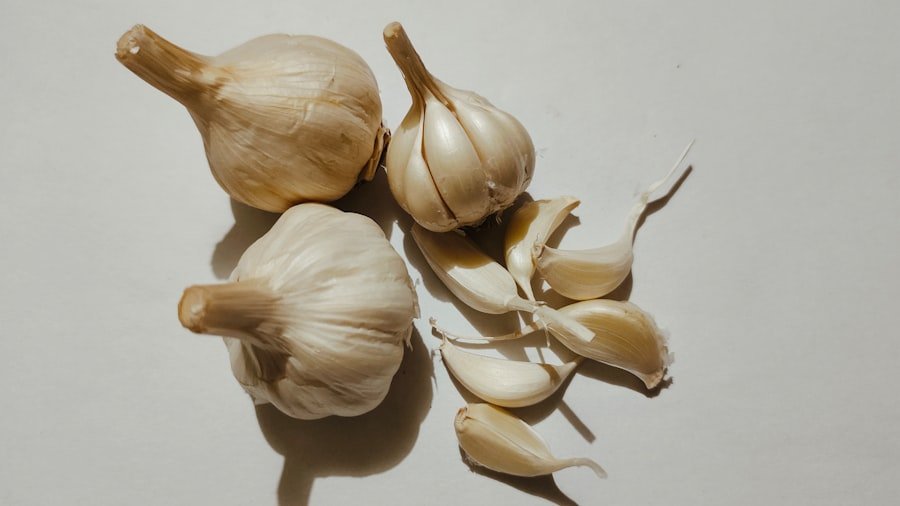
Hanging garlic is one of the most effective methods for curing due to its ability to promote airflow around each bulb while allowing moisture to escape. To hang your garlic, gather several bulbs together in small bundles—typically three to five bulbs per bundle works well—and secure them with twine or rubber bands at the base of the stems. Make sure that the stems are long enough to allow for easy hanging; if they are too short, consider trimming them back slightly.
Sunlight can cause the bulbs to heat up too quickly and may lead to uneven drying or spoilage. Hang your bundles upside down from hooks or nails on a wall or ceiling beam, ensuring they are spaced apart enough to allow air circulation between them.
This method not only facilitates even drying but also adds an aesthetic touch to your garage space as it fills with fragrant bundles of garlic.
Monitoring and Maintaining Proper Conditions for Curing
Once your garlic is hung up for curing, it’s important to monitor the conditions regularly to ensure optimal drying. The ideal temperature for curing garlic ranges between 60°F and 70°F (15°C – 21°C), with humidity levels kept low—ideally below 60%. If your garage tends to be humid or warm, consider using fans or dehumidifiers to maintain these conditions.
Regularly check on your garlic bundles; if you notice any signs of mold or excessive moisture on the bulbs or surrounding area, take immediate action by improving ventilation or adjusting humidity levels. During this period of curing, patience is key. Garlic typically requires two to four weeks to cure fully, depending on environmental conditions and bulb size.
As time passes, you may notice changes in texture and aroma; cured garlic will feel firm and dry with a distinct fragrance that signals its readiness for storage or use in cooking. Keeping a close eye on these factors will help ensure that your garlic cures properly without developing any issues.
Troubleshooting Common Issues During Garlic Curing
Despite careful preparation and monitoring, issues can occasionally arise during the garlic curing process. One common problem is mold growth on the bulbs due to excessive moisture in the environment. If you encounter this issue, it’s crucial to act quickly by improving ventilation and reducing humidity levels in your garage.
You may also need to remove affected bulbs immediately to prevent mold from spreading to healthy ones. Another potential issue is uneven drying, which can occur if some bulbs are more exposed than others due to their placement or if airflow is restricted in certain areas. To address this problem, periodically rotate your bundles or rearrange them within your curing space to ensure even exposure to air circulation.
If you notice any bulbs that feel soft or appear shriveled after a week or two of curing, inspect them closely; these may need special attention or removal from the batch altogether.
Testing for Readiness and Storage of Cured Garlic
Determining when your garlic is fully cured involves checking both texture and appearance. A properly cured bulb should feel firm when squeezed gently and have papery outer skins that are dry but intact. The necks of the bulbs should also be dry and shriveled; if they still feel moist or pliable, they likely need more time in the curing environment.
Additionally, you can test individual cloves by gently squeezing them; they should feel solid without any give. Once cured, proper storage is essential for maintaining quality over time. Store your cured garlic in a cool, dark place with good airflow—ideally at temperatures between 50°F and 60°F (10°C – 15°C).
Avoid storing garlic in plastic bags or containers that trap moisture; instead opt for mesh bags or baskets that allow air circulation while keeping light exposure minimal. Under these conditions, properly cured garlic can last several months without losing its flavor or quality.
Using Cured Garlic in Cooking and Recipes
Cured garlic opens up a world of culinary possibilities due to its enhanced flavor profile compared to raw garlic. It can be used in various dishes ranging from simple sautéed vegetables to complex sauces and marinades. The milder taste of cured garlic makes it an excellent choice for recipes where a subtler flavor is desired; it can be roasted whole for a sweet spread or minced into dressings where its pungency won’t overpower other ingredients.
In addition to traditional uses in savory dishes, cured garlic can also be incorporated into baked goods like bread or pastries where its flavor can meld beautifully with other ingredients. For instance, adding minced cured garlic into doughs can create aromatic focaccia or savory scones that elevate any meal experience. The versatility of cured garlic allows home cooks to experiment with flavors while enjoying its long-lasting benefits throughout various seasons.
Tips for Success and Final Thoughts on Garlic Curing in Your Garage
To ensure success in your garlic curing endeavors, consider implementing a few best practices throughout the process. First and foremost, always prioritize cleanliness—both in your workspace and with your tools—to minimize contamination risks during harvesting and curing stages. Additionally, keep detailed notes on your methods and results; this will help you refine your approach over time based on what works best in your specific environment.
Another tip is to experiment with different varieties of garlic each season; this not only adds diversity but also allows you to discover new flavors that may become favorites in your kitchen repertoire. Lastly, don’t hesitate to share your experiences with fellow gardeners or cooking enthusiasts; exchanging tips and stories can enhance your understanding of this rewarding practice while fostering community connections around food preservation techniques like curing garlic in your garage.
FAQs
What is curing garlic?
Curing garlic is the process of drying freshly harvested garlic bulbs to improve their flavor, increase their shelf life, and make them easier to store.
Why is it important to cure garlic?
Curing garlic helps to develop its flavor and aroma, as well as to improve its storage qualities. It also allows the garlic to form a protective layer around the cloves, which helps to prevent mold and rot.
How do you cure garlic in a garage?
To cure garlic in a garage, you can hang the garlic bulbs in bundles or spread them out on a mesh or wire rack to allow for good air circulation. The garage should be well-ventilated and have low humidity to ensure the garlic dries properly.
How long does it take to cure garlic in a garage?
The time it takes to cure garlic in a garage can vary depending on the conditions, but it typically takes 2-4 weeks. The garlic is ready when the outer skins are dry and papery, and the cloves inside are firm.
What are the ideal conditions for curing garlic in a garage?
The ideal conditions for curing garlic in a garage include good air circulation, low humidity, and moderate temperatures (around 60-70°F or 15-21°C). It’s important to avoid direct sunlight, as this can cause the garlic to become too dry and lose flavor.
How do you know when garlic is properly cured?
Properly cured garlic will have dry, papery outer skins and firm, plump cloves. The stems should be dry and the roots should be brittle. The garlic should also have a strong, aromatic scent.