

Okra, a warm-season vegetable known for its unique texture and flavor, is a staple in many cuisines, particularly in Southern and African dishes. However, gardeners often encounter a common issue: black spots on the okra pods. These unsightly blemishes can be alarming for both home gardeners and commercial growers, as they can affect the aesthetic appeal and marketability of the crop.
Understanding the nature of these black spots is crucial for effective management and prevention. The appearance of black spots on okra can vary in size and distribution, ranging from small specks to larger patches that can cover significant portions of the pod. These spots are not merely cosmetic; they can indicate underlying health issues that may compromise the plant’s overall vigor.
In some cases, the presence of black spots can signal a more serious problem, such as pest infestations or fungal infections, which can lead to reduced yields if not addressed promptly.
Key Takeaways
- Okra black spots are caused by fungal diseases such as Cercospora leaf spot and Anthracnose.
- Causes of okra black spots include high humidity, poor air circulation, and overwatering.
- Prevention methods include planting disease-resistant varieties, proper spacing, and avoiding overhead watering.
- Proper planting and care techniques involve planting in well-drained soil, providing adequate sunlight, and regular inspection for signs of disease.
- Choosing resistant okra varieties such as Clemson Spineless and Emerald Velvet can help prevent black spots.
Identifying the Causes of Okra Black Spots
Several factors contribute to the development of black spots on okra, and identifying these causes is essential for effective management. One of the primary culprits is environmental stress, which can manifest in various forms, including temperature fluctuations, humidity levels, and soil conditions. For instance, excessive moisture in the soil can create a conducive environment for fungal diseases, while prolonged dry spells can weaken the plant’s defenses against pests and pathogens.
In addition to environmental factors, pests such as aphids and spider mites can also lead to the formation of black spots. These insects feed on the sap of the okra plant, causing damage that may result in discoloration and necrosis of the pods. Furthermore, certain fungal infections, such as anthracnose or powdery mildew, can produce black lesions on the pods, significantly impacting their quality.
Understanding these causes allows gardeners to take proactive measures to mitigate risks and protect their crops.
Prevention of Okra Black Spots
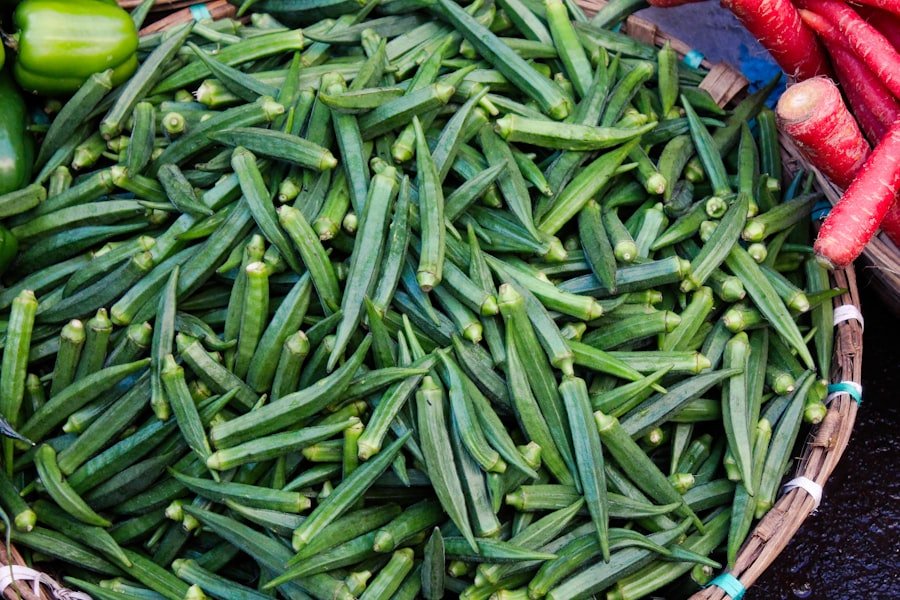
Preventing black spots on okra requires a multifaceted approach that addresses both environmental conditions and pest management. One effective strategy is to implement crop rotation practices. By rotating okra with other crops, gardeners can disrupt the life cycles of pests and diseases that may persist in the soil.
This practice not only reduces the likelihood of black spots but also enhances soil health by promoting biodiversity. Another preventive measure involves maintaining optimal growing conditions. Ensuring that okra plants receive adequate sunlight, water, and nutrients is vital for their overall health.
Gardeners should monitor soil moisture levels carefully, as both overwatering and underwatering can stress the plants and make them more susceptible to diseases. Additionally, mulching around the base of the plants can help regulate soil temperature and moisture levels while suppressing weed growth that competes for resources.
Proper Planting and Care Techniques
| Technique | Benefit |
|---|---|
| Choosing the right plant for the right location | Ensures optimal growth and health |
| Proper soil preparation | Provides essential nutrients and drainage |
| Watering according to plant needs | Prevents over or under watering |
| Pruning and trimming | Promotes healthy growth and appearance |
| Applying mulch | Helps retain moisture and suppresses weeds |
Proper planting techniques play a significant role in minimizing the risk of black spots on okra. When planting okra seeds, it is essential to choose a location with well-draining soil that receives full sunlight for at least six hours a day. This ensures that the plants have access to the necessary light and warmth for optimal growth.
Additionally, spacing plants adequately allows for good air circulation, reducing humidity levels around the foliage and minimizing the risk of fungal infections. Regular care practices are equally important in maintaining healthy okra plants. This includes timely fertilization with balanced nutrients to support growth and development.
Organic fertilizers, such as compost or well-rotted manure, can enhance soil fertility without introducing harmful chemicals. Furthermore, routine inspections for signs of pests or diseases should be conducted to catch any issues early on. By adopting these planting and care techniques, gardeners can create an environment that discourages the development of black spots.
Choosing Resistant Okra Varieties
Selecting okra varieties that are resistant to common diseases is a proactive approach to managing black spots. Many seed companies offer cultivars specifically bred for disease resistance, which can significantly reduce the likelihood of encountering problems associated with black spots. For example, varieties like ‘Clemson Spineless’ and ‘Burgundy’ are known for their resilience against certain fungal infections and pests.
In addition to disease resistance, it is also beneficial to choose varieties that are well-suited to local growing conditions. Factors such as climate, soil type, and pest pressures can vary widely from one region to another. By selecting varieties that thrive in specific environments, gardeners can enhance their chances of success while minimizing the risk of developing black spots on their okra pods.
Organic Pest Control Methods
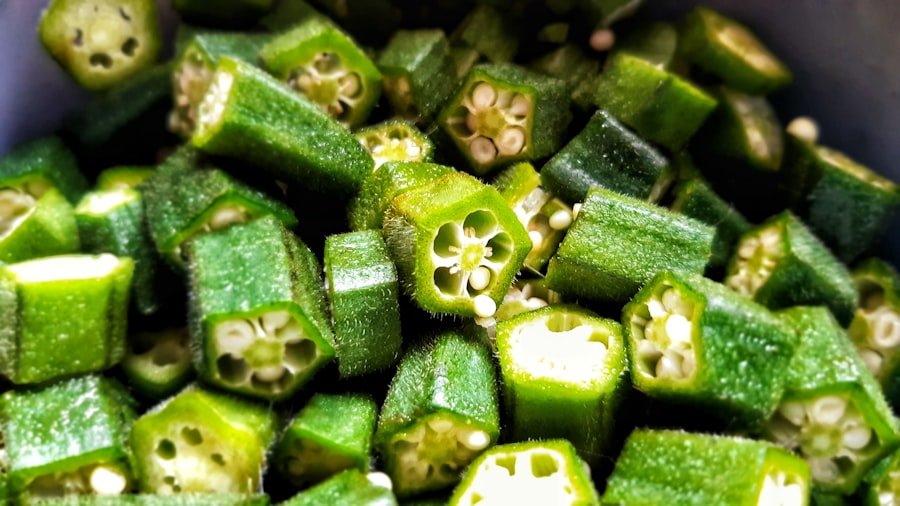
Implementing organic pest control methods is an effective way to manage pests that contribute to black spots on okra without resorting to synthetic chemicals. One popular method is introducing beneficial insects into the garden ecosystem. Ladybugs and lacewings are natural predators of aphids and other harmful pests that may infest okra plants.
By encouraging these beneficial insects through companion planting or providing habitats, gardeners can create a balanced environment that naturally controls pest populations. Another organic approach involves using insecticidal soaps or neem oil sprays to deter pests while being gentle on the plants. These treatments work by suffocating soft-bodied insects like aphids or disrupting their feeding patterns without harming beneficial organisms.
Regular applications during peak pest seasons can help keep populations in check and reduce the risk of black spots resulting from pest damage.
Fungal Disease Management
Fungal diseases are a significant concern for okra growers, as they can lead to black spots on pods and overall plant decline. Effective management begins with proper sanitation practices in the garden. Removing any infected plant debris at the end of the growing season helps prevent fungal spores from overwintering in the soil or on surfaces where they could reinfect new plants in subsequent seasons.
Additionally, applying fungicides may be necessary in cases where fungal infections are prevalent. Organic fungicides containing ingredients like copper or sulfur can be effective against various fungal pathogens while being less harmful to beneficial organisms in the garden. Timing is crucial when applying fungicides; early intervention at the first signs of disease can prevent further spread and protect healthy foliage from developing black spots.
Proper Watering and Soil Management
Watering practices significantly influence the health of okra plants and their susceptibility to black spots. Consistent moisture levels are essential; however, overwatering can lead to root rot and create conditions favorable for fungal growth. Gardeners should aim for deep watering sessions that encourage roots to grow deeper into the soil while allowing the top layer to dry out between waterings.
Soil management also plays a critical role in preventing black spots on okra. Conducting regular soil tests helps determine nutrient levels and pH balance, allowing for appropriate amendments to be made. Incorporating organic matter into the soil improves its structure and drainage capabilities while enhancing nutrient availability for plants.
Healthy soil promotes robust plant growth, making them less vulnerable to diseases that cause black spots.
Avoiding Overcrowding in the Garden
Overcrowding is a common mistake made by gardeners that can lead to increased humidity levels around plants, creating an ideal environment for fungal diseases and pests that cause black spots on okra pods. When planting okra, it is essential to follow recommended spacing guidelines based on the specific variety being grown. Adequate spacing allows for proper air circulation between plants, reducing moisture retention on leaves and pods.
In addition to spacing during planting, thinning out seedlings if they become too dense is crucial for maintaining healthy growth. Regularly monitoring plant density throughout the growing season enables gardeners to make necessary adjustments before overcrowding becomes an issue. By prioritizing proper spacing and avoiding overcrowding, gardeners can significantly reduce the risk of developing black spots on their okra crops.
Harvesting and Storage Tips
Harvesting okra at the right time is vital for preventing black spots from developing post-harvest. Okra pods should be picked when they are young and tender—typically around 2-4 inches long—before they become too mature or fibrous. Waiting too long to harvest can lead to overripe pods that are more susceptible to bruising and subsequent fungal infections that manifest as black spots.
Proper storage techniques also play a role in maintaining okra quality after harvest. Okra should be stored in a cool, dry place or refrigerated to prolong freshness. Avoid washing okra before storage; excess moisture can promote mold growth and lead to black spots during storage.
Instead, wash only before use to ensure that harvested pods remain in optimal condition until they are ready for cooking or consumption.
Consulting with a Gardening Expert
For gardeners facing persistent issues with black spots on their okra crops despite implementing preventive measures, consulting with a gardening expert can provide valuable insights tailored to specific situations. Experts can offer guidance on identifying underlying problems that may not be immediately apparent, such as soil deficiencies or specific pest pressures unique to a region. Additionally, local agricultural extension services often provide resources and support for home gardeners looking to improve their practices.
These services may offer workshops or informational materials focused on disease management strategies specific to okra cultivation. Engaging with knowledgeable professionals allows gardeners to refine their approaches based on expert recommendations while fostering a deeper understanding of best practices for successful okra production free from black spots.
FAQs
What causes black spots on okra?
Black spots on okra are typically caused by a fungal disease called sooty mold. This mold grows on the honeydew excreted by sucking insects such as aphids, whiteflies, and scale insects.
How can I prevent black spots on okra?
To prevent black spots on okra, it is important to control the population of sucking insects that excrete honeydew. This can be done by regularly inspecting the plants for signs of infestation and using insecticidal soaps or horticultural oils to control the insects.
Can I still eat okra with black spots?
While the black spots themselves are not harmful, they can affect the appearance and texture of the okra. It is generally safe to eat okra with black spots, but it is recommended to thoroughly wash and inspect the okra before consuming it.
How do I treat black spots on okra?
To treat black spots on okra, it is important to first control the population of sucking insects that are causing the issue. Once the insects are under control, the sooty mold can be washed off the okra with water and a mild soap solution. Additionally, applying a fungicide may help to prevent the spread of the mold.