

Loquat plants, scientifically known as Eriobotrya japonica, are evergreen trees native to the subtropical and tropical regions of Asia. They belong to the Rosaceae family, which also includes apples, pears, and cherries. Characterized by their glossy, dark green leaves and fragrant white flowers, loquat trees can grow up to 30 feet tall, although they are often pruned to maintain a more manageable size in home gardens.
The loquat fruit itself is small, typically oval or pear-shaped, and ranges in color from yellow to orange when ripe. This fruit is not only delicious but also packed with nutrients, making loquat plants a valuable addition to any garden. The loquat tree is particularly well-suited for warmer climates, thriving in USDA hardiness zones 8 through 10.
Its adaptability allows it to flourish in various soil types, provided they are well-drained. The loquat’s unique combination of ornamental beauty and fruit-bearing capability makes it an attractive choice for gardeners looking to enhance their landscapes while also enjoying the benefits of homegrown produce. As interest in sustainable gardening practices grows, the loquat plant has gained popularity among those seeking to cultivate fruit-bearing trees that require relatively low maintenance.
Key Takeaways
- Loquat plants are evergreen trees or shrubs that produce small, yellow-orange fruits.
- Growing loquat plants can provide a variety of benefits, including fresh fruit, ornamental value, and potential health benefits.
- Loquat plants can be found for sale at local nurseries, garden centers, and online plant retailers.
- When choosing a loquat plant for your garden, consider factors such as climate, space, and desired fruit characteristics.
- Caring for loquat plants involves regular watering, fertilizing, pruning, and protecting against pests and diseases.
Benefits of Growing Loquat Plants
Growing loquat plants offers a multitude of benefits that extend beyond their aesthetic appeal. One of the primary advantages is the fruit itself, which is rich in vitamins A and C, dietary fiber, and antioxidants. These nutrients contribute to overall health by supporting immune function, promoting healthy skin, and aiding digestion.
The loquat fruit can be consumed fresh, made into jams and jellies, or used in desserts, providing versatility in culinary applications. Additionally, the presence of loquat trees can attract beneficial wildlife, such as birds and pollinators, enhancing biodiversity in your garden. Beyond their nutritional value, loquat plants are also known for their resilience and low maintenance requirements.
Once established, they are relatively drought-tolerant and can withstand periods of neglect. This makes them an excellent choice for gardeners who may not have the time or resources to dedicate to high-maintenance plants. Furthermore, loquats can serve as a natural windbreak or privacy screen due to their dense foliage, providing functional benefits in addition to their ornamental qualities.
Where to Find Loquat Plants for Sale
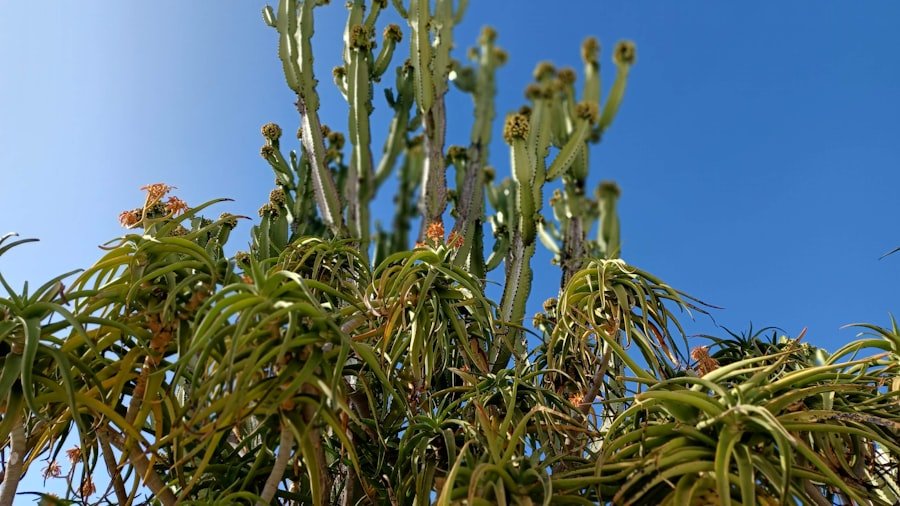
Finding loquat plants for sale can be an exciting venture for any gardening enthusiast. Many local nurseries and garden centers stock loquat trees, especially in regions where they thrive naturally. Visiting these establishments allows you to inspect the plants firsthand and receive expert advice from knowledgeable staff regarding care and maintenance.
Additionally, local farmers’ markets may feature vendors who specialize in fruit trees and can offer loquats along with other unique varieties. For those who prefer online shopping, numerous reputable nurseries offer loquat plants for sale through their websites. When purchasing online, it is essential to choose a vendor with positive reviews and a solid return policy to ensure you receive a healthy plant.
Websites like Fast Growing Trees and Nature Hills Nursery provide detailed descriptions of their loquat varieties, including growth habits and care instructions. Additionally, online gardening forums and social media groups can be valuable resources for recommendations on where to find quality loquat plants.
Choosing the Right Loquat Plant for Your Garden
| Loquat Plant Variety | Height | Hardiness Zone | Yield |
|---|---|---|---|
| Big Jim Loquat | 10-12 feet | 7-10 | High |
| Champagne Loquat | 8-10 feet | 8-10 | Medium |
| Golden Nugget Loquat | 8-10 feet | 8-10 | High |
Selecting the right loquat plant for your garden involves considering several factors, including climate, space availability, and desired fruit characteristics. There are various cultivars of loquat that differ in size, flavor, and growth habits. For instance, the ‘Golden Nugget’ variety is known for its sweet flavor and compact size, making it ideal for smaller gardens or container planting.
In contrast, the ‘Big Jim’ cultivar produces larger fruits and can grow into a more substantial tree, suitable for those with ample space.
While some loquat varieties are self-pollinating, others may benefit from cross-pollination to produce a more abundant harvest.
If you have space for multiple trees, consider planting different varieties to enhance fruit production. Additionally, assess your local climate conditions; certain cultivars may perform better in specific regions due to their adaptability to temperature fluctuations and humidity levels.
Tips for Caring for Loquat Plants
Caring for loquat plants involves understanding their specific needs regarding sunlight, water, and soil conditions. Loquats thrive in full sun but can tolerate partial shade; however, optimal fruit production occurs when they receive at least six hours of direct sunlight daily. When planting loquats, choose a location with well-draining soil to prevent root rot.
If your soil is heavy clay or retains too much moisture, consider amending it with organic matter or planting your loquat in a raised bed. Watering is another critical aspect of loquat care. While these trees are drought-tolerant once established, they benefit from regular watering during dry spells or prolonged periods without rain.
Young trees require more frequent watering until their root systems are well-developed. Mulching around the base of the tree can help retain moisture and suppress weeds while also providing nutrients as it breaks down over time. Fertilizing with a balanced fertilizer during the growing season can further promote healthy growth and fruit production.
Harvesting and Using Loquat Fruits
Harvesting and Handling
Using pruning shears can help ensure a clean cut at the stem without damaging the tree. Once harvested, loquats can be enjoyed fresh or used in various culinary applications.
Culinary Uses
Their sweet-tart flavor makes them an excellent addition to fruit salads or smoothies. Additionally, loquats can be cooked down into jams or jellies, providing a delicious spread for toast or pastries. The fruit can also be used in desserts such as pies or crumbles, where its unique flavor profile shines through.
Traditional Uses and Health Benefits
Beyond culinary uses, loquats have been traditionally utilized in herbal medicine for their potential health benefits, including soothing coughs and promoting digestive health.
Different Varieties of Loquat Plants
The world of loquat plants encompasses several distinct varieties, each with unique characteristics that cater to different gardening preferences and culinary uses. One popular variety is ‘Champagne,’ known for its large fruits with a sweet flavor and minimal acidity. This cultivar is often favored by home gardeners who prioritize taste and size when selecting fruit-bearing trees.
Another notable variety is ‘Pineapple,’ which boasts a tropical flavor reminiscent of its namesake fruit; this makes it an excellent choice for those looking to experiment with unique flavors in their cooking. In addition to these flavorful options, there are also ornamental varieties of loquats that serve primarily aesthetic purposes while still producing edible fruit. The ‘Evergreen’ variety is particularly prized for its lush foliage and ability to thrive in various conditions while providing small but tasty fruits.
For gardeners interested in maximizing their harvests or creating a diverse landscape, planting multiple varieties can enhance both visual appeal and fruit production throughout the growing season.
How to Propagate Loquat Plants
Propagating loquat plants can be an enjoyable project for gardeners looking to expand their collection or share plants with friends and family. One common method of propagation is through seed germination; however, this process can be unpredictable as seedlings may not always exhibit the same characteristics as their parent plants. To propagate from seeds, begin by removing the seeds from ripe loquat fruits and rinsing them thoroughly to remove any pulp residue.
Soaking the seeds in water for 24 hours can help improve germination rates. Another effective method of propagation is through cuttings taken from healthy parent plants. Semi-hardwood cuttings taken in late summer or early fall tend to root well when placed in a suitable rooting medium such as perlite or a mix of peat moss and vermiculite.
Ensure that each cutting has at least one leaf node submerged in the medium while keeping the top leaves exposed. Providing humidity through a plastic bag or humidity dome can encourage root development over several weeks.
Potential Pests and Diseases of Loquat Plants
While loquat plants are generally resilient and low-maintenance, they are not entirely immune to pests and diseases that can affect their health and productivity. Common pests include aphids, scale insects, and spider mites, which can sap the vitality of the tree by feeding on its sap or leaves. Regularly inspecting your plants for signs of infestation—such as discolored leaves or webbing—can help catch these issues early on.
Insecticidal soap or neem oil can be effective treatments for managing pest populations without harming beneficial insects. Diseases such as fire blight and root rot can pose significant threats to loquat trees if not addressed promptly. Fire blight is characterized by wilting leaves and blackened branches; it often requires pruning away affected areas to prevent further spread.
Root rot typically results from overwatering or poorly drained soil; ensuring proper drainage and avoiding excessive moisture can help mitigate this risk. Maintaining good air circulation around your trees by proper spacing can also reduce disease susceptibility.
Incorporating Loquat Plants into Your Landscape
Incorporating loquat plants into your landscape design offers both functional benefits and aesthetic appeal. Their dense foliage makes them excellent candidates for privacy screens or windbreaks along property lines or near patios where outdoor gatherings occur. Additionally, their fragrant flowers attract pollinators such as bees and butterflies, enhancing biodiversity within your garden ecosystem.
From an ornamental perspective, loquats can serve as focal points within mixed plantings or as part of a fruit tree orchard design. Their evergreen nature ensures year-round interest while providing seasonal beauty during flowering and fruiting periods. When planning your landscape layout, consider pairing loquats with complementary plants that thrive in similar conditions—such as citrus trees or flowering shrubs—to create a harmonious garden environment that maximizes both beauty and productivity.
Frequently Asked Questions about Loquat Plants
Many gardeners have questions about growing loquat plants due to their unique characteristics and requirements. One common inquiry revolves around whether loquats can be grown in containers; indeed, they can thrive in pots if given adequate space for root development and proper drainage conditions. Container-grown loquats should be watered regularly but allowed to dry out slightly between waterings to prevent root rot.
Another frequently asked question pertains to the best time for planting loquats. Ideally, spring is considered the optimal season for planting young trees when temperatures are mild and rainfall is more consistent; however, fall planting can also be successful in warmer climates where winters are mild. Gardeners often wonder about pruning practices as well; light pruning after harvest helps maintain shape while removing any dead or diseased wood encourages healthy growth moving forward.
In summary, loquat plants offer numerous benefits ranging from delicious fruit production to ornamental beauty within landscapes while requiring relatively low maintenance compared to other fruit-bearing trees. With proper care and attention to their specific needs regarding sunlight exposure, watering practices, pest management strategies—and an understanding of various cultivars available—gardeners can successfully cultivate these versatile trees in their own backyards.
FAQs
What is a loquat plant?
A loquat plant is a small evergreen tree or shrub that produces small, yellow-orange, sweet and tangy fruits. It is native to southeastern China and is also known as Eriobotrya japonica.
Where can I buy a loquat plant?
You can buy a loquat plant from nurseries, garden centers, or online plant retailers. It is important to ensure that the plant is sourced from a reputable seller to ensure its quality and health.
What are the ideal growing conditions for a loquat plant?
Loquat plants thrive in well-drained soil and prefer full sun to partial shade. They are also tolerant of various soil types and can withstand drought conditions once established. They are suitable for USDA hardiness zones 8-10.
How do I care for a loquat plant?
Loquat plants require regular watering, especially during dry periods, and benefit from a balanced fertilizer application in the spring. Pruning can help maintain the plant’s shape and promote fruit production. Additionally, protecting the plant from extreme cold temperatures is important in colder climates.
When can I expect fruit from a loquat plant?
Loquat plants typically start producing fruit within 2-3 years of planting, although this can vary depending on the plant’s age and growing conditions. The fruits are usually ready for harvest in late winter to early spring.