

The loquat fruit tree, scientifically known as Eriobotrya japonica, is a subtropical evergreen tree that belongs to the Rosaceae family. Native to the cooler regions of Southeast China, this tree has gained popularity in various parts of the world, particularly in Mediterranean climates. The loquat tree can grow to a height of 10 to 30 feet, featuring glossy, dark green leaves that can reach up to a foot in length.
The tree is not only valued for its delicious fruit but also for its ornamental qualities, making it a desirable addition to gardens and landscapes. Loquat trees produce clusters of small, pear-shaped fruits that typically ripen in late spring to early summer. The fruit’s skin can range from yellow to orange, and its flesh is juicy and sweet, often described as a cross between a peach and a citrus fruit.
The loquat is rich in vitamins A and C, dietary fiber, and antioxidants, making it a nutritious choice for those looking to incorporate more fruits into their diet. Additionally, the tree’s fragrant white flowers bloom in the fall and winter months, attracting pollinators such as bees and butterflies, which further enhances its appeal as a garden plant.
Key Takeaways
- Loquat fruit trees are evergreen and can grow up to 30 feet tall, with large, glossy leaves and small, fragrant flowers.
- When buying a loquat fruit tree, consider the climate, space, and desired fruit characteristics, such as size, flavor, and seediness.
- There are several varieties of loquat fruit trees, including ‘Big Jim’, ‘Champagne’, and ‘Golden Nugget’, each with unique fruit characteristics.
- Loquat fruit trees can be found for sale at local nurseries, garden centers, and online plant retailers.
- To care for a loquat fruit tree, provide well-drained soil, regular watering, and protection from frost, as well as pruning and fertilizing as needed.
Factors to Consider When Buying a Loquat Fruit Tree
When considering the purchase of a loquat fruit tree, several factors should be taken into account to ensure successful growth and fruit production. One of the primary considerations is the climate in which the tree will be planted. Loquats thrive in subtropical and mild temperate climates, with temperatures ideally ranging from 20°F to 100°F.
Areas with frost or extreme cold can hinder the tree’s growth and fruiting capabilities. Therefore, it is essential to assess local climate conditions before making a purchase. Another critical factor is the size of the tree at maturity.
Loquat trees can vary significantly in height and spread depending on the variety. Homeowners with limited space may prefer dwarf varieties that only reach about 6 to 10 feet tall, while those with larger gardens might opt for standard varieties that can grow much taller. Additionally, consider whether you want a self-pollinating variety or if you plan to plant multiple trees for cross-pollination, which can enhance fruit yield.
Different Varieties of Loquat Fruit Trees
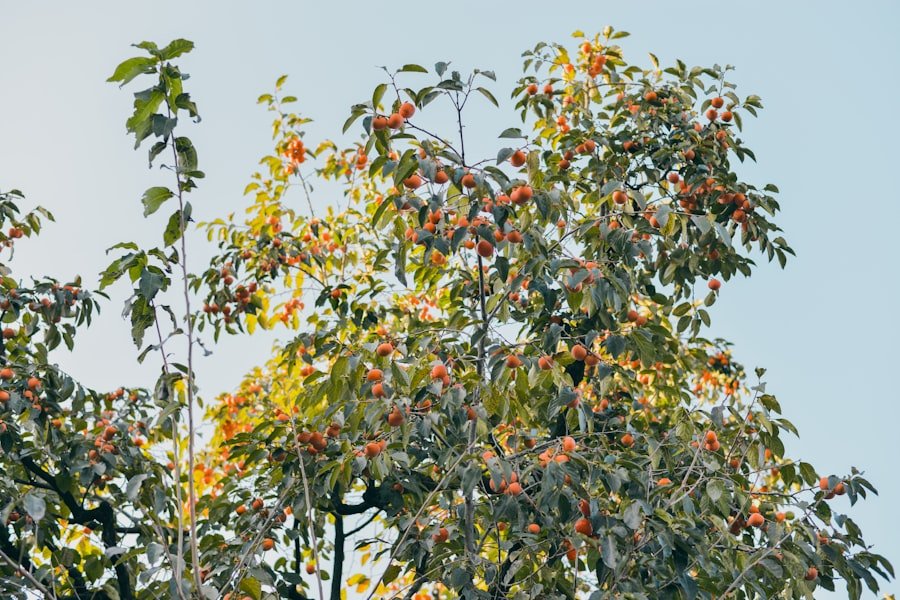
There are several varieties of loquat fruit trees, each with unique characteristics that cater to different preferences and growing conditions. One of the most popular varieties is the ‘Golden Nugget,’ known for its sweet, juicy fruit and compact growth habit. This variety typically reaches heights of around 10 feet and is ideal for smaller gardens or urban settings.
Its fruit is characterized by a golden-yellow skin and a rich flavor that makes it a favorite among home gardeners. Another notable variety is the ‘Champagne,’ which produces larger fruits with a smooth texture and a sweet-tart flavor profile. This variety is often favored for its high yield and resilience against pests and diseases.
The ‘Champagne’ loquat tree can grow up to 15 feet tall and is well-suited for warmer climates. Additionally, the ‘Pineapple’ variety offers an intriguing twist with its unique flavor reminiscent of pineapple, making it an exciting choice for those looking to experiment with different tastes in their garden.
Where to Find Loquat Fruit Trees for Sale
| Location | Online Nursery | Local Garden Center | Fruit Tree Farm |
|---|---|---|---|
| Availability | Yes | Varies | Yes |
| Price Range | – | – | – |
| Shipping | Yes | No | Varies |
| Quality | Good | Varies | Good |
Finding loquat fruit trees for sale can be accomplished through various channels, including local nurseries, garden centers, and online retailers. Local nurseries often provide the advantage of being able to see the trees in person before purchasing, allowing buyers to assess their health and vigor. Additionally, staff at these nurseries can offer valuable advice on selecting the right variety based on local growing conditions.
Websites specializing in fruit trees often provide detailed descriptions of each variety, including growth habits, fruit characteristics, and care requirements. When buying online, it is crucial to choose reputable sellers who guarantee healthy plants and offer return policies in case of any issues upon delivery.
Furthermore, checking customer reviews can provide insights into the quality of the trees being sold.
Tips for Caring for a Loquat Fruit Tree
Caring for a loquat fruit tree involves several key practices that promote healthy growth and fruitful yields. One of the most important aspects of care is proper watering. Loquats prefer well-drained soil but require consistent moisture during their growing season.
It is advisable to water deeply but infrequently, allowing the top layer of soil to dry out between watering sessions. Overwatering can lead to root rot, while underwatering can stress the tree and reduce fruit production. Fertilization is another critical component of loquat care.
A balanced fertilizer with equal parts nitrogen, phosphorus, and potassium should be applied in early spring as new growth begins. This will provide essential nutrients that support healthy foliage and fruit development. Additionally, mulching around the base of the tree can help retain soil moisture and suppress weeds, creating an optimal environment for growth.
The Benefits of Growing a Loquat Fruit Tree
Growing a loquat fruit tree offers numerous benefits beyond just enjoying its delicious fruits. One significant advantage is its ornamental value; the glossy leaves and fragrant flowers make it an attractive addition to any landscape. The tree’s evergreen nature ensures year-round greenery, providing visual interest even during winter months when many other plants are dormant.
Moreover, loquats are relatively low-maintenance compared to other fruit trees.
Additionally, loquats are drought-tolerant once established, which can be particularly beneficial in regions prone to water shortages or where irrigation may be limited.
How to Choose the Best Loquat Fruit Tree for Your Garden
Selecting the best loquat fruit tree for your garden involves evaluating several factors tailored to your specific needs and conditions. Start by considering your available space; if you have limited room, opt for dwarf varieties that will fit comfortably without overcrowding your garden. Conversely, if you have ample space and desire a more substantial tree that provides shade as well as fruit, standard varieties may be more suitable.
Next, assess your climate conditions carefully. Some varieties may perform better in specific climates than others; for instance, if you live in an area with cooler winters, choose varieties known for their cold hardiness. Additionally, consider your taste preferences when selecting a variety; some loquats are sweeter or have unique flavor profiles that may appeal more than others.
Ultimately, choosing a tree that aligns with your gardening goals will lead to greater satisfaction and success.
Best Practices for Planting a Loquat Fruit Tree
Planting a loquat fruit tree requires careful attention to detail to ensure successful establishment and growth. Begin by selecting an appropriate location that receives full sun for at least six hours daily; this will promote healthy growth and maximize fruit production. The soil should be well-draining; if your soil retains too much moisture, consider amending it with organic matter or planting on raised beds.
When planting, dig a hole that is twice as wide as the root ball but no deeper than the root ball itself. This encourages lateral root growth while preventing water from pooling around the roots. Gently loosen any tightly bound roots before placing the tree in the hole and backfilling with soil mixed with compost or organic fertilizer to provide essential nutrients.
Water thoroughly after planting to eliminate air pockets and ensure good soil contact around the roots.
Common Pests and Diseases of Loquat Fruit Trees
While loquat trees are generally resilient against pests and diseases, they are not entirely immune. Common pests include aphids, scale insects, and spider mites, which can sap nutrients from the leaves and affect overall health if left unchecked. Regular monitoring of your tree’s foliage can help identify infestations early on; insecticidal soap or neem oil can be effective treatments for managing these pests organically.
Diseases such as fire blight and root rot can also pose threats to loquat trees. Fire blight is characterized by wilting leaves and blackened branches; prompt removal of affected areas is crucial to prevent further spread. Root rot often results from overwatering or poorly drained soil; ensuring proper drainage during planting can mitigate this risk significantly.
Harvesting and Using Loquat Fruits
Harvesting loquat fruits typically occurs when they turn from green to yellow or orange and feel slightly soft to the touch—usually between late spring and early summer depending on the variety and local climate conditions. It’s essential to pick them at the right time; if harvested too early, they may lack sweetness, while overripe fruits can become mushy and unpalatable. Loquats can be enjoyed fresh off the tree or used in various culinary applications.
Their sweet-tart flavor makes them ideal for jams, jellies, pies, or even savory dishes like salads or salsas. Additionally, loquats can be preserved through canning or freezing for later use; their unique flavor adds an exotic touch to many recipes.
Frequently Asked Questions About Loquat Fruit Trees
Many prospective gardeners have questions about loquat fruit trees before deciding to plant one in their yard. A common inquiry revolves around how long it takes for a loquat tree to bear fruit after planting; typically, it takes about three to five years for young trees to start producing fruit under optimal conditions. Another frequently asked question concerns whether loquats require cross-pollination for fruit set; while many varieties are self-pollinating, planting multiple trees can enhance yields due to increased genetic diversity and pollinator activity.
Additionally, gardeners often wonder about pruning practices; light pruning after harvest helps maintain shape and encourages new growth without compromising future fruit production. In summary, understanding the nuances of growing loquat fruit trees—from selecting the right variety to caring for them properly—can lead to fruitful rewards both in terms of delicious harvests and aesthetic beauty in your garden space.
FAQs
What is a loquat fruit tree?
A loquat fruit tree is a small evergreen tree that produces small, yellow-orange, pear-shaped fruits. The tree is native to southeastern China and is also known as Eriobotrya japonica.
What are the benefits of growing a loquat fruit tree?
Loquat fruit trees produce delicious and nutritious fruits that are high in vitamins, minerals, and antioxidants. They also provide ornamental value with their attractive foliage and fragrant flowers.
How do I care for a loquat fruit tree?
Loquat fruit trees thrive in well-drained soil and full sun. They require regular watering, especially during dry periods, and benefit from occasional fertilization. Pruning can help maintain the tree’s shape and promote fruit production.
When is the best time to plant a loquat fruit tree?
The best time to plant a loquat fruit tree is in the spring, after the last frost has passed. This allows the tree to establish its roots before the hot summer months.
Where can I buy a loquat fruit tree?
Loquat fruit trees can be purchased from nurseries, garden centers, and online retailers. It’s important to buy from a reputable source to ensure the tree is healthy and of good quality.
How long does it take for a loquat fruit tree to bear fruit?
Loquat fruit trees typically start producing fruit 2-3 years after planting, although it can take up to 5 years for the tree to reach full fruiting maturity.